A photography Nyerere National Park safari holiday is an excellent choice for travelers who want to combine serious wildlife photography with the quieter atmosphere of Tanzania’s Southern Safari Circuit. Formerly part of the vast Selous Game Reserve, Nyerere National Park offers expansive wilderness, the Rufiji River, lakes, woodland, open grasslands, and diverse wildlife habitats.
For photographers, the attraction is not simply seeing animals. It is having enough time, space, and varied landscapes to create memorable images—from elephants beside the Rufiji River to lions resting in golden grass and African fish eagles perched above the waterways.
Why Choose Nyerere National Park for Photography?
One of Nyerere National Park’s biggest advantages for photographers is its wilderness character. Compared with Tanzania’s busiest northern safari destinations, visitors can often enjoy wildlife encounters in a more spacious setting.
The park’s combination of rivers, lakes, palm trees, woodland and open plains creates opportunities for many different photographic compositions. Instead of returning home with only close-up wildlife portraits, photographers can capture animals within dramatic African landscapes.
The Rufiji River is particularly important. Its channels, lakes and riverbanks attract wildlife and provide opportunities to photograph hippos, crocodiles, elephants, waterbirds and other animals associated with the river ecosystem.
Wildlife Photography Opportunities
A Nyerere safari can produce a diverse wildlife portfolio. Depending on location, season and luck, visitors may encounter elephants, lions, giraffes, zebras, buffaloes, hippos, crocodiles, antelopes and numerous bird species.
Nyerere is also known as an important habitat for African wild dogs. Sightings can never be guaranteed because these animals range over large territories, but encountering a pack can become one of the photographic highlights of a Southern Tanzania safari.
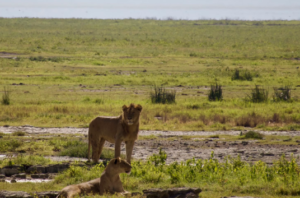
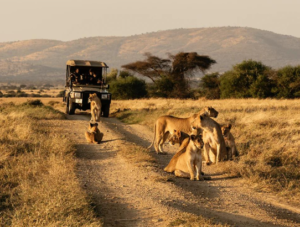
Predator photography is another attraction. Lions can sometimes be photographed resting, interacting with pride members or moving through the landscape. Early and late daylight can provide particularly attractive conditions for photographing both predators and herbivores.
Boat Safari Photography
One feature that makes a photography Nyerere National Park safari holiday different from many traditional safari itineraries is the possibility of exploring waterways by boat.
Boat safaris provide a completely different perspective from photographing wildlife from a safari vehicle. Photographers may capture hippos partially submerged in the water, crocodiles resting along the banks, elephants approaching the river and birds flying above the channels.
Reflections, silhouettes and sunset light can also create beautiful landscape photographs. A boat safari therefore complements traditional game drives rather than simply repeating the same experience.
Best Time for a Photography Safari in Nyerere
The dry season is generally popular for wildlife-focused trips because animals tend to concentrate around dependable water sources and vegetation becomes less dense in many areas. This can make wildlife easier to locate and photograph.
However, photographers should not automatically dismiss greener months. Green vegetation, dramatic skies and softer landscapes can create striking environmental photographs, while bird photography can also be rewarding.
Your ideal travel period therefore depends on what you want to photograph. Travelers primarily interested in larger mammals may prioritize drier conditions, while photographers interested in landscapes, birds and lush scenery may appreciate greener periods.
Morning and Evening Photography
Light matters enormously on safari. Early morning generally provides softer illumination, cooler conditions and excellent opportunities to photograph wildlife before the strongest midday sunlight.
Late afternoon can be equally rewarding. As the sun becomes lower, warmer light can add depth and atmosphere to photographs.
Midday should not necessarily be considered wasted time. Wildlife encounters can happen at any hour, and bright conditions can work well for certain subjects. However, photographers often achieve their most atmospheric images during the first and final hours of daylight.
Recommended Photography Equipment
You do not need professional equipment to enjoy Nyerere National Park. Modern smartphones and compact cameras can produce impressive travel photographs, particularly for landscapes and nearby subjects.
For dedicated wildlife photographers, a telephoto lens is extremely useful. Something around 100–400mm or a similar range offers flexibility for both relatively close animals and subjects farther away. A second camera body with a wider lens can help avoid repeatedly changing lenses in dusty conditions.
Useful accessories include spare batteries, several memory cards, lens-cleaning equipment, protective camera bags and a beanbag or other stable support where appropriate.
Because electricity availability can differ between accommodations, photographers carrying several batteries should confirm charging facilities before departure.
Private Safari vs Shared Safari for Photographers
For travelers whose main objective is photography, a private safari usually provides greater flexibility.
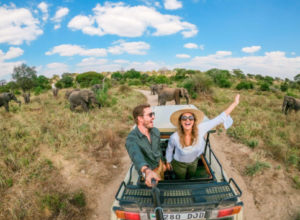
A private vehicle allows photographers to spend more time at a promising sighting without worrying about other travelers wanting to continue. You can also discuss preferred angles, lighting and subjects directly with your guide.
Shared safaris can still be excellent for travelers who enjoy photography but have a tighter budget. However, decisions about how long to remain at sightings normally need to accommodate everyone in the vehicle.
For professional photographers, content creators and travelers carrying substantial camera equipment, a private safari is often the more practical arrangement.
The Importance of an Experienced Safari Guide
A knowledgeable guide can make a significant difference to wildlife photography.
Good safari guiding involves more than finding animals. Your guide can observe animal behavior, anticipate possible movements and position the vehicle while respecting park regulations and wildlife.
Tell your guide that photography is your priority before the safari begins. This allows the daily activities to be approached differently from a standard sightseeing safari.
For example, photographers may prefer waiting patiently at one productive location rather than continuously driving in search of additional species.
Suggested Nyerere Photography Safari Itinerary
A short Nyerere photography holiday can work well over three or four days, although additional nights provide greater flexibility.
Day 1: Arrive in the Nyerere area, settle into your lodge or camp and enjoy an afternoon activity if your arrival schedule permits.
Day 2: Begin with an early morning game drive focusing on wildlife and landscape photography. After a midday break, continue with another afternoon photographic session.
Day 3: Explore different habitats during the morning before taking a boat safari along the Rufiji River or associated waterways, depending on your program and local conditions.
Day 4: Enjoy a final morning game drive before continuing to your next destination.
Travelers with more time can add additional days dedicated entirely to photography rather than trying to cover a large area quickly.
Accommodation for a Photography Holiday
Accommodation around Nyerere ranges from safari camps to more comfortable tented camps and lodges.
When selecting accommodation for photographers, location can be more important than luxury alone. Staying conveniently positioned for safari activities can reduce unnecessary transfer time and allow more time in productive wildlife areas.
Photographers should also consider charging facilities, meal schedules, luggage arrangements and whether the camp can accommodate early departures.
Combining Nyerere with Other Destinations
A Nyerere safari can form part of a larger Southern Tanzania itinerary. Travelers seeking an extended wildlife adventure may combine Nyerere with other southern parks, depending on available time, transport connections and budget.
Another popular concept is combining safari and beach time. After several days photographing wildlife, travelers can continue to Zanzibar for beaches, Stone Town, cultural experiences and relaxation.
This creates a balanced Tanzania holiday: wilderness first, Indian Ocean afterward.
Photography Safari Tips
Wildlife photography improves considerably when travelers concentrate on patience rather than the number of animals photographed. Allow scenes to develop. An elephant drinking, lion interacting with cubs or bird preparing to fly can produce stronger images than a quick photograph taken immediately after arriving.
Keep your camera ready while driving because encounters can happen unexpectedly. Use continuous shooting for fast action, check shutter speed regularly and protect equipment from dust.
Most importantly, photography should never interfere with animal welfare. Avoid encouraging guides to approach wildlife too closely or disturb animals simply to obtain a particular photograph.
Is Nyerere Suitable for Beginner Photographers?
Absolutely. You do not need to understand every manual camera setting before going on safari.
Beginners can start with aperture-priority, shutter-priority or appropriate automatic settings and gradually experiment during the trip. A safari provides repeated opportunities to practice composition, focus and exposure.
Smartphone photographers can concentrate on environmental images, videos, landscapes and storytelling rather than attempting extremely distant wildlife close-ups.
Planning Your Photography Nyerere National Park Safari Holiday
When requesting a photography-focused safari, provide your tour operator with as much information as possible. Mention whether you are a beginner, enthusiast, professional photographer or content creator, along with the equipment you expect to carry.
Also explain your priority subjects. A traveler interested primarily in birds may need a different approach from someone hoping to photograph elephants, predators and landscapes.
The number of days matters as well. Wildlife cannot be scheduled, so additional time increases the opportunity to wait for favorable behavior, lighting and encounters.
Book Your Nyerere Photography Safari
A photography Nyerere National Park safari holiday offers far more than photographs of individual animals. It provides an opportunity to document one of Tanzania’s remarkable wilderness environments through wildlife, landscapes, rivers, birds and everyday moments in the bush.
Whether you travel with professional camera equipment or simply want exceptional photographs from your Tanzania holiday, a well-planned itinerary can provide sufficient time for both exploration and patient photography.
For travelers who value wilderness, varied scenery and a combination of traditional game drives and river experiences, Nyerere National Park deserves serious consideration when planning a Tanzania photography safari.