Best Nyerere National Park Safari Trip | 4-Day Tour
Explore southern Tanzania by 4x4 and by boat on a 4-day, 3-night Nyerere safari with Kilipath African Safaris. On game drives, look…
Read articleArusha City - Tanzania
Safari & Travel Tips
November 27, 2026 · 4 min read
On a photography safari in Nyerere National Park, you can spend the morning framing a giraffe against open woodland and the afternoon photographing a hippo from a boat on the Rufiji River. The change in perspective is what makes this Southern Tanzania safari distinctive. From a vehicle, you can look for wildlife deeper in the bush. From the water, you can photograph birds on exposed branches, crocodiles on the banks, and animals coming down to drink.
For a first trip, plan three nights if you can. That gives you time for early game drives, an afternoon boat safari, and a second chance at a subject if the light or weather changes.
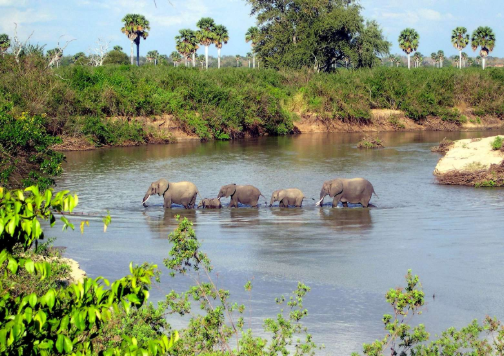
The Rufiji River and its lakes offer opportunities to photograph hippos, crocodiles, waterbirds, and elephants near the shoreline. On land, look for giraffes, zebras, elephants, and antelope. African wild dogs are an exciting possibility, and leopards can be elusive. Build your shot list around several subjects so a quiet morning for predators can still produce a strong set of photographs. Tanzania National Parks visitor brochure
| Photography subject | Where to look | Shot to try |
|---|---|---|
| Hippos and crocodiles | Rufiji River and lakes | Frame a hippo’s eyes and the ripples around it |
| Waterbirds | Riverbanks and exposed perches | Leave space in front of a bird about to take off |
| Elephants | Shorelines and game-drive routes | Include the riverbank or woodland to show scale |
| Giraffes and zebras | Woodland edges and open tracks | Use side light to bring out the animals’ patterns |
| River landscapes | Open stretches of water | Frame reflections with a bend in the shoreline |
June to October is generally the dry season and a good starting point for wildlife photography. As temporary water sources dry out, wildlife often gathers around permanent water. For a trip focused on boating, ask your camp which river or lake routes are likely to operate on your dates. Low water toward the end of the dry season can limit access to some channels. Nyerere boat safari season guide
November to February can suit travelers who want greener scenery, cloud-filled skies, and bird photography. Build some flexibility into your itinerary for showers. March to May is generally wetter, and rain can affect road access and camp operations. Confirm seasonal openings before committing to that period. Nyerere seasonal travel guide
An afternoon boat safari is a good choice for warm light and shoreline reflections. A morning outing can give you a different angle on the same bank. If both are available, ask which departure puts the light behind you for the subjects you want to photograph.
A 100–400 mm or 100–500 mm zoom is a practical choice for wildlife. Pair it with a 24–70 mm or similar standard zoom for river landscapes and animals close to the vehicle. Pack spare batteries, memory cards, and a lens cloth. If you fly in, check your airline’s soft-bag rules and whether camera gear counts toward the baggage allowance.
For moving mammals, try continuous autofocus and a shutter speed around 1/1000 second. For birds in flight, start near 1/2000 second if the light allows. A stationary subject gives you room to lower the shutter speed and ISO. In bright midday light, look for textures, shaded subjects, and details such as zebra patterns. In early or late light, pull back occasionally to include the landscape.
| Day | Suggested program | Photography focus |
|---|---|---|
| 1 | Arrive from Dar es Salaam by road or fly to the airstrip serving your camp. Take a short outing if arrival time allows. | First wildlife encounters and wide landscape frames |
| 2 | Take an early game drive and an afternoon boat safari, subject to conditions. | Mammals in morning light, hippos, waterbirds, and reflections |
| 3 | Return to a productive area at a different time of day. Choose a second boat trip or an afternoon game drive. | Bird action, animal behavior, or backlit portraits |
| 4 | Fit in a short morning outing if transfer timing allows, then depart. | Final frames near camp or on the departure route |
When comparing camps, check transfer time from the gate or airstrip, access to boat excursions, typical departure times, and charging arrangements. If photography is your main goal, ask whether you can reserve a private vehicle or boat and what that adds to the quote. A private setup can give you more freedom to wait for behavior or change position when the light shifts.
Tell Kilipath African Safaris your travel dates, where you’re starting, and what you most want to photograph. We can suggest a route with game drives and a Rufiji boat safari, then prepare a personalized quote based on your preferred camp, transfers, and activities.
Explore southern Tanzania by 4x4 and by boat on a 4-day, 3-night Nyerere safari with Kilipath African Safaris. On game drives, look…
Read articleFor a first visit to Ruaha National Park, 4 days and 3 nights gives you two full days for game drives. A…
Read articleSpend one afternoon watching hippos from a boat on the Rufiji River and another searching for lions on the open plains of…
Read articleA four-day private Ruaha safari gives you two full days to explore the park, with a travel day on each side. Fly…
Read article