Budget Ruaha Safari Adventure
Explore Ruaha National Park’s baobab country on a guided safari built around your dates, group size and budget. Spend your game drives…
Read articleArusha City - Tanzania
Safari & Travel Tips
October 15, 2026 · 4 min read
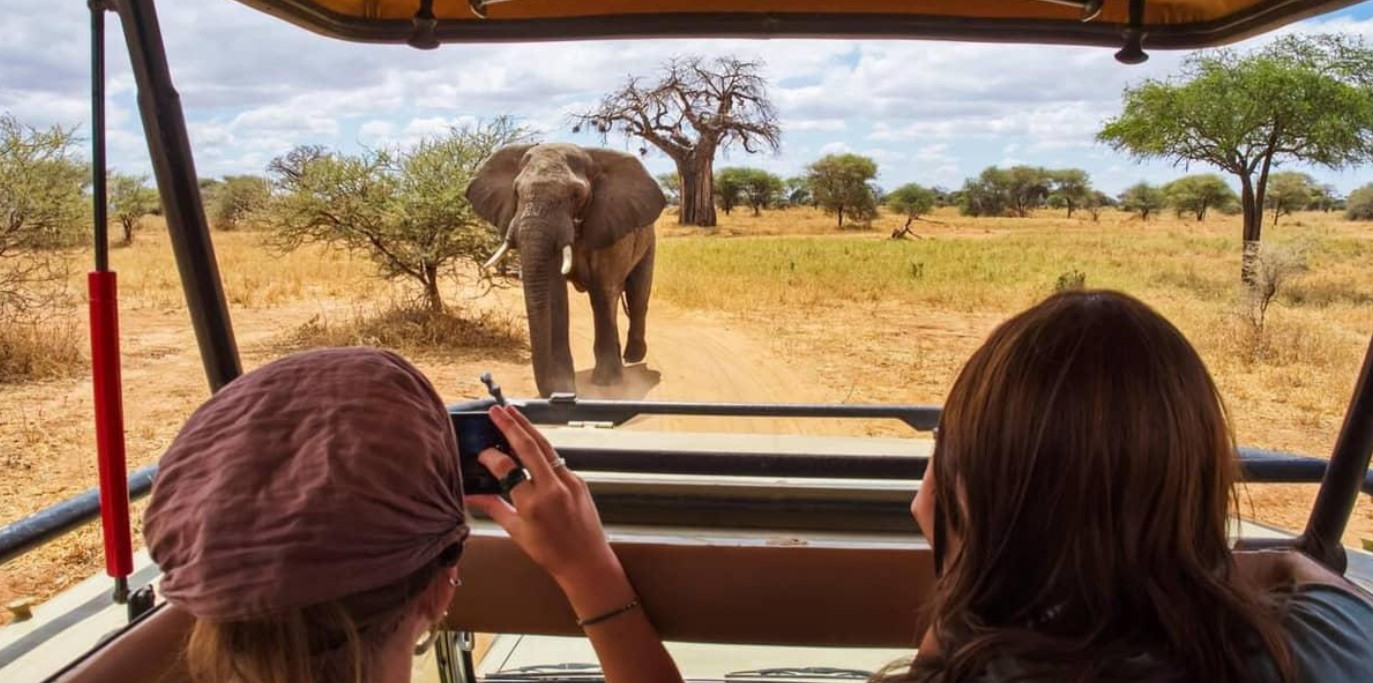
Capture elephant herds, striking landscapes, and wildlife encounters on a photography Ruaha safari trip designed around your interests. Whether you enjoy photographing animal behaviour, birds, or wide wilderness scenes, a carefully planned itinerary gives you time to observe and compose your images.
Contact Kilipath African Safaris to discuss a private Ruaha photography safari tailored to your travel dates, accommodation preferences, and budget. Start with the suggested itinerary below, then request a personalised quotation.
Ruaha offers varied photographic subjects, from river landscapes to woodland wildlife. During the dry season, remaining water sources draw animals together, creating opportunities to photograph elephants, buffalo, and the activity around river pools.
The attraction extends beyond close-up portraits. A wider composition can show an animal within its habitat, while a patient approach can reveal interactions that a quick stop might miss.
Build your trip around a few clear priorities: elephants, predators, birds, landscapes, or a balanced portfolio. This helps shape the pace of each drive without making specific sightings a condition of a successful day.
This sample itinerary begins and ends in Iringa. Transfers, accommodation, and daily activities would be confirmed in your final proposal.
Meet your driver-guide and travel towards Ruaha. TANAPA describes the road journey from Iringa as approximately two to three and a half hours, depending on conditions. Leave additional time for park formalities and reaching your accommodation.
If arrival time permits, enjoy an introductory game drive. Use this first outing to discuss your photographic interests and become familiar with shooting from the vehicle.
Plan an early departure within permitted operating hours. Explore suitable river areas, looking for wildlife activity and opportunities to combine animals with their surroundings.
Return for a midday break or arrange a picnic-based outing in advance. An afternoon drive provides another opportunity to work with changing light.
Dedicate the day to your preferred subjects. Rather than trying to cover every area, allow time to observe promising sightings.
Practise different compositions: a close portrait, a wider environmental image, and a sequence showing behaviour. Your guide will determine safe positioning and movement within park rules.
Use your final full day to explore further or revisit productive areas. Discuss which images you would still like to attempt, while remaining flexible about wildlife movements.
A quieter sighting can be equally rewarding: look for details, patterns, relationships, and the way light falls across the landscape.
Depending on your onward arrangements, there may be time for a final activity before departure. Confirm the schedule before booking connecting transport so the itinerary allows sufficient transfer time.
For travellers prioritising wildlife around water sources, June to October is a useful period to consider. TANAPA identifies these months as Ruaha’s dry season, when animals are drawn towards the Great Ruaha River. Wildlife movements and photographic conditions still vary.
Share your preferred subjects when enquiring. Your ideal dates may depend on whether you value concentrated wildlife activity, particular landscapes, or a specific photographic style.
Ruaha accommodation options include campsites, park bandas, tented camps, and lodges. The location of your stay matters because it affects travel time to different game-viewing areas.
For a photography-focused booking, request confirmation of:
A private vehicle can be particularly useful when your group wants to spend longer observing a single subject.
Your photography Ruaha safari trip price will depend on travel dates, group size, number of nights, accommodation, transfers, and vehicle arrangements.
Request an itemised quotation showing accommodation, meals, park fees, guiding, game drives, and transport. Flights, drinks, tips, insurance, and optional activities should each be identified as included or excluded. The final written quotation confirms your package.
Pack a camera you know well, a telephoto lens for distant subjects, and a wider lens for landscapes. Spare batteries, memory cards, a dust cover, and a suitable camera bag are useful additions.
Ask whether a beanbag can be supplied or bring your own. Carry comfortable neutral-coloured clothing, a light warm layer, sun protection, and any personal essentials.
Start planning with Kilipath African Safaris. Send your travel dates, number of travellers, preferred accommodation, departure point, and main photography interests.
Request your photography Ruaha safari trip quotation today and build an itinerary around the images you hope to capture.
Explore Ruaha National Park’s baobab country on a guided safari built around your dates, group size and budget. Spend your game drives…
Read articleDiscover Tanzania’s untamed wilderness without exceeding your travel budget. A budget Ruaha safari adventure offers incredible wildlife encounters, spectacular landscapes, authentic African…
Read articleA Nyerere Tanzania wildlife safari offers an extraordinary opportunity to discover one of Africa's most spectacular wilderness destinations. From magnificent elephants and…
Read articleTarangire National Park sits on Tanzania’s Northern Circuit and is usually visited from Arusha. Ruaha, Nyerere and Mikumi are Southern Circuit destinations.…
Read article