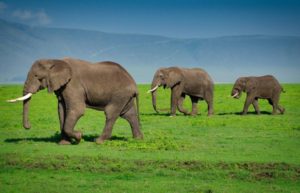
The Serengeti is one of the most rewarding wildlife photography destinations in the world. Its vast grasslands, dramatic skies, abundant predators, seasonal migration herds, and beautiful natural light create extraordinary opportunities for both amateur and professional photographers.
However, capturing exceptional wildlife photographs requires more than simply visiting Serengeti National Park. You need enough time at sightings, an experienced photography guide, the right safari vehicle, a carefully planned itinerary, and an operator who understands that photographers travel differently from ordinary safari guests.
Choosing a reliable photography Serengeti safari operator can therefore determine the quality of both your safari experience and your final images. A specialist operator will not rush you from one animal sighting to another. Instead, your guide will study animal behavior, consider the direction of the light, position the vehicle carefully, and give you time to wait for meaningful moments.
At Kilipath African Safaris, we arrange private Serengeti photography safaris for solo photographers, couples, friends, photography clubs, and professional teams. Our itineraries can be customized around wildlife interests, migration movements, preferred accommodation, photography equipment, and the number of days available.
Why Choose the Serengeti for Wildlife Photography?
Serengeti National Park is famous for its open landscapes and exceptional concentration of wildlife. The name Serengeti comes from a Maasai word commonly interpreted as “endless plains,” an accurate description of the sweeping grasslands found across much of the ecosystem.
The park is best known for the Great Migration, during which enormous herds of wildebeest, zebras, and gazelles move through different parts of the Serengeti ecosystem. Tanzania National Parks describes the migration as involving more than 1.5 million wildebeest together with hundreds of thousands of zebras and other animals.
However, photography in the Serengeti is not limited to the migration. Resident wildlife can be photographed throughout the year. Lions, cheetahs, leopards, elephants, giraffes, hyenas, buffaloes, hippos, crocodiles, antelopes, and hundreds of bird species inhabit the wider ecosystem.
The relatively open terrain can offer photographers:
- Clear views of wildlife
- Attractive environmental compositions
- Long sightlines across the plains
- Excellent sunrise and sunset opportunities
- Dramatic storm clouds during the green season
- Predator and prey interactions
- Large herds during migration periods
- Beautiful scenes of animals in their natural habitat
Every season produces a different photographic atmosphere. Golden dry-season grass creates classic African safari images, while the green season offers rich colors, dramatic skies, newborn animals, and fewer vehicles in some areas.
What Makes a Photography Safari Different?
A standard sightseeing safari and a dedicated photography safari may visit the same national park, but the daily experience can be very different.
During a general safari, the objective is often to see as many animals as possible. The guide may move between sightings quickly so travelers can complete a wildlife checklist. A photography safari prioritizes image quality, light, behavior, positioning, patience, and creative opportunities.
For example, when a lion is resting, a normal safari group may take a few photographs and continue searching for other animals. A photography group may decide to wait because the guide recognizes that the lion could stand, interact with its cubs, move toward water, or begin hunting.
A qualified photography safari operator should understand:
- How sunlight affects the subject
- How to position the vehicle without disturbing animals
- When to wait and when to change locations
- How animals are likely to behave
- The importance of clean backgrounds
- Why photographers need space inside the vehicle
- How to approach a sighting slowly
- When dust, rain, clouds, or backlighting can improve a photograph
- Why frequent repositioning may be necessary
- How to protect photography equipment during the safari
Wildlife behavior cannot be controlled or guaranteed. Nevertheless, patient observation and knowledgeable guiding can significantly improve the possibility of capturing memorable moments.
Private or Shared Safari for Photography?
A private safari is normally the best option for serious wildlife photography.
On a private safari, the vehicle and guide are reserved for your party. You decide how long to remain at a sighting, when to begin the game drive, when to return to camp, and which animals or landscapes deserve priority.
A shared safari is more affordable, but the vehicle may include travelers with different interests. One guest may want to photograph a leopard for an hour, while another may prefer to leave after five minutes and search for elephants. These conflicting priorities can limit photographic freedom.
Advantages of a private photography safari
- Greater control over the itinerary
- Flexible departure and return times
- More time at important sightings
- Better access to both sides of the vehicle
- Space for cameras, lenses, and support equipment
- Freedom to concentrate on selected species
- Easier communication with the guide
- Opportunities to change plans according to weather and animal movements
- More comfortable positioning for low-angle photographs
A private vehicle is strongly recommended for photographers carrying multiple camera bodies or large telephoto lenses.
Shared safaris can still be suitable for travelers who enjoy photography casually and have a limited budget. However, expectations should be discussed with the operator before booking.
Choosing the Best Photography Serengeti Safari Operator
Not every safari company specializes in photography. Before confirming a tour, ask specific questions about the guide, vehicle, itinerary, group size, and daily schedule.
1. Ask about the guide’s photography experience
The guide is one of the most important parts of a photography safari. A good guide must be knowledgeable about wildlife, patient at sightings, respectful of the park, and comfortable working with photographers.
The guide does not necessarily need to be a professional photographer. However, the guide should understand concepts such as light direction, subject distance, backgrounds, shooting angles, lens limitations, and vehicle positioning.
An experienced guide should also be able to anticipate animal behavior. Understanding when a cheetah may begin hunting or when a leopard may descend from a tree can help the photographer prepare before the action begins.
2. Confirm the maximum number of photographers
Fewer passengers normally create a better photography environment. Large lenses require room, particularly when several photographers attempt to photograph the same subject.
For a dedicated photography safari, one or two photographers per seat row is ideal. A solo photographer can enjoy maximum freedom, while two to four photographers can usually work comfortably in a properly arranged Land Cruiser.
3. Examine the safari vehicle
The vehicle should offer good visibility and enough room for equipment. A customized 4×4 Land Cruiser with a pop-up roof is commonly used for Serengeti game drives.
Useful photography vehicle features include:
- Large opening windows
- A pop-up roof
- Charging sockets or USB ports
- Space for camera bags
- Window seats
- A cooler or refrigerator
- Beanbags or support for long lenses
- Radio communication
- Seatbelts
- First-aid equipment
Ask whether the operator can remove or leave seats empty to create more equipment space. Photographers should also ask if beanbags are provided or if they need to bring an empty bag that can be filled after arrival.
4. Review the proposed itinerary
A photography itinerary should not attempt to visit too many parks in a short period. Long transfers and frequent accommodation changes reduce the time available for game drives.
Spending several nights in one Serengeti region allows the guide to learn where animals are active and return to promising locations under better light.
For many photographers, three nights in the Serengeti should be considered a practical minimum. Five or more nights provide greater flexibility, especially when photographing migration events or searching for particular predators.
5. Check the accommodation location
A beautiful lodge may not be the best option if it is located far from the main photography area. Long morning transfers can cause photographers to miss the first golden light.
Camps and lodges inside or close to the relevant part of the Serengeti allow earlier access to wildlife. During migration seasons, mobile tented camps can place travelers closer to the herds.
Accommodation should be chosen according to the intended photography region rather than price or luxury alone.
6. Request a complete quotation
Ask the operator to show clearly what is included and excluded. A photography safari quotation may include:
- Private 4×4 safari vehicle
- Professional English-speaking guide
- Accommodation
- Meals
- Park entry fees
- Government taxes
- Drinking water
- Airport or hotel transfers
- Domestic flights, when specified
- Camping or concession fees
- Emergency support
Optional activities, international flights, visas, insurance, gratuities, personal expenses, alcoholic drinks, and specialist filming permits may be excluded.
Park fees and government regulations can change, so travelers should request an updated quotation for their exact dates.
The Best Serengeti Regions for Photography
The Serengeti is a vast ecosystem. Wildlife concentration and migration movements change throughout the year, making the choice of region extremely important.
Central Serengeti and Seronera Valley
Central Serengeti is one of the most dependable areas for year-round wildlife photography. The Seronera Valley contains permanent water sources that support resident animals throughout different seasons.
This region is especially well known for big cats. Photographers may encounter lions, leopards, cheetahs, hyenas, elephants, giraffes, buffaloes, hippos, and a wide variety of antelopes and birds.
Central Serengeti works well for first-time visitors because it provides varied landscapes and reliable wildlife viewing. It is also accessible by road from the Ngorongoro Conservation Area or by scheduled flight to Seronera Airstrip.
Southern Serengeti and Ndutu
From approximately December through March, migration herds are commonly associated with the short-grass plains of the southern Serengeti and Ndutu region. The timing varies because the herds depend on rainfall and fresh grazing.
The calving period, usually strongest around January and February, can produce remarkable photography opportunities. Thousands of young wildebeest are born, and predators become active around the herds.
Possible subjects include:
- Wildebeest calves
- Large herds on open plains
- Cheetahs hunting
- Lions with cubs
- Spotted hyenas
- Jackals
- Migratory birds
- Storm clouds and green landscapes
Ndutu is popular with photographers because off-road driving may be allowed in designated areas outside the national park, depending on the exact location and current rules. Your operator should confirm all applicable regulations.
Western Corridor
The Western Corridor includes areas around the Grumeti River. Migration herds often move through the region around May and June, although exact timing varies annually.
The area can offer river landscapes, large herds, crocodiles, hippos, elephants, and predator activity. The environment is different from the open southern plains and provides opportunities for more layered compositions.
Northern Serengeti
Northern Serengeti is best known for Mara River crossing opportunities, generally associated with the July-to-October period. However, crossings are unpredictable. They can occur on different days, at different points along the river, or not occur during a traveler’s stay.
A professional operator will never guarantee a river crossing. The best strategy is to allocate several nights in Northern Serengeti to improve flexibility.
The northern region also offers excellent wildlife photography away from the crossings. Photographers can capture lions, elephants, giraffes, leopards, cheetahs, rolling hills, rocky landscapes, and large herds.
Because Northern Serengeti is far from Central Serengeti and Arusha, travelers may consider flying to or from a nearby airstrip to reduce driving time.
Best Time for a Serengeti Photography Safari
There is no single perfect month for photography. The best period depends on the subjects, landscapes, and atmosphere you want to capture.
January and February
These months are excellent for photographing the southern plains and the calving season. Green scenery, newborn animals, predator activity, and dramatic clouds create exciting conditions.
March and April
The green season can provide beautiful colors, fewer vehicles, stormy skies, and interesting birdlife. Rain is possible, and some roads may become challenging, but photographers often appreciate the softer light and atmospheric conditions.
May and June
Migration herds commonly move toward the Western Corridor. Photographers may find large herds, changing landscapes, and dramatic movement, depending on rainfall.
July to October
This is the dry season and a popular period for Northern Serengeti. The Mara River area may offer crossing opportunities. Wildlife often gathers around water sources, and grass becomes shorter in many areas.
November and December
Short rains can transform the landscape from dry brown tones to fresh green vegetation. Migration herds generally begin moving southward, although their location depends on rainfall.
Since migration timing is never completely predictable, a knowledgeable operator should monitor current wildlife reports and adjust the itinerary when possible.
A Recommended Seven-Day Photography Itinerary
Day 1: Arrival in Arusha
Arrive at Kilimanjaro International Airport and meet your safari representative. Transfer to your Arusha accommodation for a briefing, equipment preparation, and rest.
Your guide can review your preferred subjects, photography style, and equipment before departure.
Day 2: Arusha to Central Serengeti
Travel toward Serengeti National Park through the Ngorongoro highlands or take a scheduled flight to Seronera.
Begin photographing wildlife after entering the Serengeti and continue toward your lodge or tented camp.
Day 3: Central Serengeti Photography
Depart early to use the soft morning light. Search for lions, leopards, cheetahs, elephants, giraffes, and other resident wildlife.
Return for lunch or remain in the field with a packed meal, depending on wildlife activity and your photography priorities.
Day 4: Central Serengeti Photography
Explore a different part of the Seronera region. The itinerary remains flexible so the guide can respond to animal movements, weather, and information from other guides.
Day 5: Full-Day Photography Safari
Concentrate on selected subjects or revisit productive areas. This additional day provides valuable flexibility if earlier conditions were difficult.
Day 6: Serengeti to Ngorongoro
Enjoy another morning game drive before traveling toward the Ngorongoro Conservation Area. Photograph wildlife and landscapes along the route.
Stay near the crater rim or in the Karatu area.
Day 7: Ngorongoro Crater and Arusha
Descend into Ngorongoro Crater for a morning game drive. The crater supports a high concentration of wildlife and offers a different landscape from the Serengeti.
After the game drive and lunch, return to Arusha for your hotel, airport transfer, or next destination.
This itinerary can be extended to include Northern Serengeti, Ndutu, Tarangire National Park, Lake Natron, or Zanzibar.
Camera Equipment for a Serengeti Safari
The ideal equipment depends on your experience, objectives, and luggage allowance.
A practical photography kit may include:
- One or two camera bodies
- A long telephoto lens
- A medium telephoto zoom
- A wider lens for landscapes and environmental portraits
- Extra batteries
- Several memory cards
- Lens-cleaning equipment
- Dust protection
- Camera rain covers
- Beanbag
- Portable storage drive
- Battery charger
- Plug adapter
- Laptop or tablet for backing up photographs
A lens in the 100–400mm range is flexible for many safari situations. A 500mm or 600mm lens is helpful for birds and distant wildlife, while a 24–70mm or 70–200mm lens can capture animals close to the vehicle and wider environmental scenes.
Changing lenses in dusty conditions should be minimized. Carrying two camera bodies makes it easier to switch focal lengths without exposing the camera sensor.
Travelers using domestic flights must check luggage restrictions in advance. Small safari aircraft often have stricter weight limits and may require soft-sided bags. Extra luggage arrangements may be available but should be confirmed before travel.
Wildlife Photography Tips
Start before sunrise
Early morning light is soft, warm, and flattering. Many predators are also more active during the cooler hours.
Watch the background
A strong wildlife photograph needs more than an interesting animal. Ask the guide to position the vehicle where the background is uncluttered whenever conditions allow.
Photograph at eye level
Lower camera positions can create greater intimacy and separate the animal from the background. Vehicle design and safety regulations determine how low you can shoot.
Use a fast shutter speed
Animals can move unexpectedly. A fast shutter speed helps produce sharp images, particularly when photographing birds, running animals, or predator action.
Leave room in the frame
When an animal is looking or moving in one direction, leave space in front of it. This creates a more natural composition.
Photograph the environment
Do not concentrate exclusively on close portraits. Wide images showing animals within the Serengeti landscape can communicate scale, habitat, weather, and atmosphere.
Be patient
Some of the best moments occur after a long period of inactivity. Watch for behavioral signals and listen to the guide.
Respect wildlife
Never pressure the guide to disturb animals, block their movement, drive illegally, or approach too closely. Ethical behavior protects wildlife and creates more natural photographs.
Responsible Serengeti Photography
A responsible photography operator must follow national park rules and place animal welfare before the photograph.
Vehicles should not surround animals excessively, block hunting paths, separate mothers from their young, or prevent animals from reaching water. Noise should be minimized, and visitors should never feed wildlife.
Flash photography should be avoided where it could disturb animals. Drones are restricted and cannot simply be flown by ordinary visitors without the required permissions. Commercial filming and professional productions may also require special permits.
Always discuss specialist equipment and commercial intentions with your operator before traveling. Regulations and permit requirements should be verified with the relevant Tanzanian authorities.
Photography Safari Accommodation
Serengeti accommodation ranges from public campsites to luxury lodges and exclusive tented camps.
Camping safaris
Public camping provides an adventurous and affordable experience. Tents, sleeping equipment, meals, and a safari chef can be included. Bathroom facilities are usually shared.
Camping can be attractive for photographers who prioritize game-drive time over luxury.
Mid-range tented camps
Tented camps generally offer proper beds, private bathrooms, meals, and comfortable communal areas. Many seasonal camps move between regions to remain closer to migration routes.
Luxury lodges and camps
Luxury accommodation may include spacious rooms, premium meals, private decks, swimming pools, and high levels of personalized service.
For photographers, location remains more important than luxury. The best camp is often the one that reduces travel time to the intended photography area.
How Much Does a Serengeti Photography Safari Cost?
The price depends on:
- Number of travelers
- Number of safari days
- Private or shared vehicle
- Accommodation category
- Travel season
- Serengeti region
- Domestic flights
- Vehicle modifications
- Specialist guide requirements
- Park and concession fees
- Additional destinations
A private safari costs more per person for a solo traveler because the vehicle and guide expenses are not shared. The price per person generally decreases when two or more travelers share the same private vehicle.
Request a personalized quotation instead of selecting a tour based only on the lowest advertised price. A very cheap itinerary may involve distant accommodation, limited game-drive time, too many passengers, or a rushed route.
Why Book with Kilipath African Safaris?
Kilipath African Safaris is a Tanzania-based operator arranging customized wildlife experiences from Arusha. We understand that photographers need patience, space, flexibility, and careful vehicle positioning.
Our photography safaris can provide:
- A private 4×4 Land Cruiser
- An experienced English-speaking safari guide
- Flexible game-drive planning
- Guaranteed window access
- Space for photography equipment
- Charging facilities inside the vehicle
- Carefully selected accommodation
- Packed meals for extended game drives
- Airport and hotel transfers
- Customized migration itineraries
- Support before and during the safari
- Photography-focused vehicle positioning
- Time to remain at productive sightings
We can design safaris for beginners, experienced enthusiasts, professional photographers, filmmakers, bird photographers, and small photography groups.
Book Your Serengeti Photography Safari
An outstanding wildlife photograph is created through preparation, patience, knowledge, and opportunity. Choosing the right photography Serengeti safari operator gives you the time, space, guidance, and flexibility needed to make the most of every encounter.
Whether your goal is to photograph lions at sunrise, cheetahs crossing the plains, elephants beneath dramatic clouds, wildebeest migration herds, colorful birds, or the magnificent Serengeti landscape, Kilipath African Safaris can create a private itinerary around your vision.
Contact Kilipath African Safaris with your preferred dates, number of travelers, accommodation level, photography experience, and target species. We will prepare a customized Serengeti photography safari designed to help you return home with powerful images and unforgettable memories.