Skip to content

A Tanzania safari can give you far more than a photograph of a lion. Picture an elephant family moving beneath Tarangire’s baobabs, a cheetah scanning the Serengeti plains, or the first light reaching the Ngorongoro Crater. Each setting offers a different way to tell the story of the journey.
A successful photography Tanzania safari holiday depends on more than bringing a good camera. Your route, time in each park, vehicle space, and willingness to wait for the right moment all shape the photographs you bring home. This guide will help you plan those details, whether you use a professional camera or a phone.
Why choose Tanzania for a photography safari?
Tanzania’s northern safari circuit brings together open plains, river habitats, wooded landscapes, and the Ngorongoro Crater. That variety lets you photograph animals in their surroundings as well as capture close portraits.
You might spend one morning making wide landscape images and the next watching a single animal’s behavior. The most rewarding moments are often unplanned: a giraffe framed between trees, dust glowing behind a herd, or a quiet exchange between a mother and her young.
Wildlife moves freely, so no guide can promise a particular sighting or photograph. Give your itinerary enough time for changing light, weather, and animal movement.
The best places for safari photography in Tanzania
Serengeti National Park: Wildlife and wide-open scenes
The Serengeti is a strong choice if you want to photograph wildlife within expansive landscapes. Its grasslands allow room for compositions that show the scale of the plains, while different habitats offer opportunities for portraits and behavior shots.
Try making two photographs of the same sighting: one close image that draws attention to the animal, and one wider frame that shows where it lives. A distant lion beneath a broad sky can be as memorable as a tight portrait.
The Great Migration can be an exciting subject, but its movements vary. If migration photography is your priority, plan around the area and season most likely to suit your dates, while keeping your expectations flexible.
Tarangire National Park: Elephants, baobabs, and the river
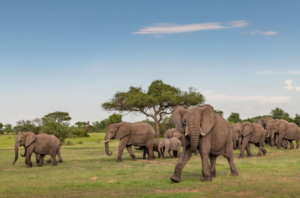
Tarangire is particularly appealing to photographers who enjoy elephants and landscape images. Elephant families beneath baobabs can make striking photographs, especially when you leave enough space in the frame to show the trees and surroundings. During the dry season, the Tarangire River draws wildlife and creates opportunities for patient observation. Tarangire National Park
Watch for small moments within a herd: calves staying close to adults, animals crossing an open area, or an elephant pausing beside a tree. You do not need constant movement to make a strong image.
Ngorongoro Crater: A varied setting in one game drive
Ngorongoro Crater offers a distinct setting for a day of photography. Its grassland, woodland, lake, and marsh habitats give you different backgrounds and subjects within the same area. The crater is also worth photographing as a landscape, especially when changing light reveals its scale. ngorongorocrater.org
Keep a wider lens or your phone ready for scenic views, even if your main goal is wildlife. A photograph that places an animal within the crater landscape can convey more of the experience than a close crop alone.
When is the best time for a Tanzania photography safari?
There is no single best month for every photographer. Choose your dates according to the scenes you most want to capture.
| Period | Photography appeal | Planning consideration |
|---|---|---|
| June to October | Dry-season conditions can bring wildlife toward water sources, particularly in Tarangire. | Popular travel months benefit from early accommodation planning. |
| November to December | Changing conditions can bring fresh vegetation and varied skies. | Rainfall and animal locations can vary. |
| January to February | A possible choice for travelers interested in southern Serengeti and Ndutu migration scenes. | Plan the route specifically for the area you hope to visit. |
| March to May | Green landscapes, atmospheric skies, and quieter-looking scenery can appeal to some photographers. | Rain can affect travel conditions and photography plans. |
TANAPA describes June to October as Tarangire’s main dry season and notes the seasonal value of its river for wildlife viewing. Exact photographic opportunities still depend on conditions during your visit. Tarangire National Park
If you hope to photograph a particular migration event, tell your safari consultant before choosing the itinerary. A general Serengeti visit and a trip planned around a specific migration area may require different routes.
Private or shared safari: Which works better for photographers?
A private safari gives you the most control over your time. You can ask to stay longer at a sighting, leave early for softer light, or focus on birds, landscapes, or animal behavior. It is especially useful when photography is the main purpose of the trip or when several travelers carry substantial equipment.
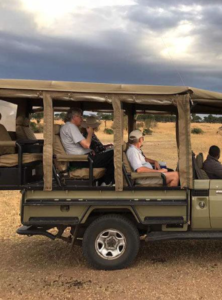
A shared safari is a practical choice for travelers who enjoy photography alongside a wider safari experience. With Kilipath African Safaris, shared game drives use a 4×4 Land Cruiser with a guaranteed window seat for each guest. You can still take excellent photographs, though the group follows a shared schedule and may have different interests at each sighting.
Before booking, explain what you want to photograph and how much camera equipment you will bring. That helps us recommend the right vehicle arrangement and pace.
A sample photography safari route
For a first northern Tanzania photography holiday, a route could follow this pattern:
- Arrive in Arusha: Rest, prepare your equipment, and discuss your photographic interests with your guide.
- Explore Tarangire: Look for elephants, baobabs, river scenes, and wide landscape compositions.
- Travel to the Serengeti: Begin photographing the plains and wildlife along the planned route.
- Spend a full day in the Serengeti: Allow time to revisit promising areas and wait for behavior and changing light.
- Visit Ngorongoro Crater: Photograph its varied habitats before returning to Arusha.
This is a planning example, not a fixed package. Photographers who want more time in the Serengeti can add nights. Travelers with a particular migration goal should choose their route according to their travel dates.
What camera gear should you bring?
You do not need the largest or most expensive kit to enjoy safari photography. Bring equipment you know how to use comfortably, and keep it manageable inside a vehicle.
- Camera or phone: Either can capture memorable safari scenes. A camera with a telephoto lens offers more reach for distant wildlife.
- Telephoto lens: Useful for animal portraits and behavior when wildlife is far from the road.
- Wider lens: Helpful for landscapes, baobabs, crater views, and images that show an animal’s habitat.
- Extra batteries and memory cards: Keep spares accessible during long game drives.
- Lens cloth and protective bag: Dust can settle on equipment during travel.
- Charging equipment: Pack the cables and adapters needed for your camera, phone, and storage devices.
If you plan to travel with a heavy camera setup, check baggage allowances for any domestic flights before you book. Tell us about your gear when requesting a quote so we can discuss vehicle space and transport arrangements.
Simple techniques for better safari photographs
Photograph the light, not only the animal
Morning and late afternoon light can add warmth and shape to a scene. At midday, look for subjects that work with stronger light, such as patterns, silhouettes, or an animal clearly separated from its background.
Leave space around your subject
A close photograph can show expression and detail. A wider photograph can show the landscape, weather, and scale of the encounter. Take both when you have the opportunity.
Watch behavior before taking the shot
Spend a moment observing. An animal looking in a particular direction, interacting with its young, or beginning to move may create a stronger image than a hurried photograph taken immediately after arrival.
Keep your camera ready
Safari moments can develop quickly. Before setting off, check your battery, available storage, and camera settings. Keep your equipment secure and within easy reach.
Respect the animal and your guide’s instructions
Good photographs do not require disturbing wildlife. TANAPA advises visitors to stay in vehicles during game drives unless a guide permits otherwise, keep noise low, and avoid feeding or disturbing animals. Plan a Trip
If you hope to use specialist equipment, film commercially, or bring a drone, ask about the applicable permissions before your trip. TANAPA publishes guidance covering photography and drone use within national parks. tanzaniaparks.go.tz
How to plan a photography safari that fits your goals
Start with your subjects. Are you most interested in big cats, elephants, birds, migration scenes, or sweeping landscapes? Then consider how patient you want the trip to be. A schedule with fewer destinations and more time in each location often gives you more chances to respond to what happens naturally.
When requesting an itinerary, share:
- Your travel dates and number of travelers
- The wildlife or landscapes you most want to photograph
- Whether photography is the trip’s main focus
- Your preference for a private or shared safari
- Your camera equipment and approximate luggage size
- Your accommodation style and budget
These details help us suggest a route that makes sense for your priorities rather than simply adding as many parks as possible.
Plan your photography safari with Kilipath African Safaris
Tell Kilipath African Safaris what you would love to photograph, when you want to travel, and the style of safari you prefer. We can help shape a shared or private Tanzania itinerary around your interests, with a knowledgeable guide and time to appreciate the moments as they unfold.
Contact Kilipath African Safaris to start planning your photography Tanzania safari holiday.