Skip to content

A photography safari in Tanzania is designed for travelers who want more than a quick look at wildlife. It provides enough time, flexibility, positioning, and professional support to capture meaningful images of animals, birds, landscapes, and local culture.
The photography Tanzania safari itinerary price depends on the number of days, parks visited, accommodation category, season, group size, and whether the safari is private or shared. A short budget photography safari may begin from approximately USD 1,000 per person, while longer private and luxury experiences can cost USD 6,000 or more per person.
This guide explains the estimated prices, recommended itineraries, best destinations, suitable vehicles, ideal travel seasons, and important photography equipment to bring.
Why Choose Tanzania for a Photography Safari?
Tanzania is one of Africa’s most rewarding wildlife photography destinations. Its national parks and conservation areas contain different habitats, including open grasslands, volcanic craters, forests, wetlands, mountains and baobab-covered plains.
Photographers can capture:
- Lions hunting on the Serengeti plains
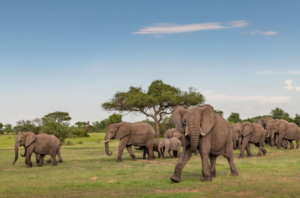
- Elephants walking among baobab trees in Tarangire
- Wildebeest gathering during the Great Migration
- Wildlife inside the Ngorongoro Crater
- Leopards resting in acacia trees
- Cheetahs scanning the open savannah
- Flamingos and waterbirds around seasonal lakes
- Maasai culture and traditional villages
- Mount Kilimanjaro and Tanzania’s varied landscapes
A private photography safari allows the guide to spend longer at sightings and position the vehicle according to the available light, animal movement and background.
Photography Tanzania Safari Itinerary Price
The following prices are general planning estimates per person. The final price depends on your travel dates, group size, accommodation availability, vehicle arrangements, government fees and optional activities.
| Safari duration | Budget camping | Mid-range lodge | Luxury safari |
|---|---|---|---|
| 3 days | USD 1,000–1,500 | USD 1,400–2,000 | USD 2,200–3,500 |
| 4 days | USD 1,300–1,900 | USD 1,800–2,600 | USD 2,800–4,200 |
| 5 days | USD 1,600–2,300 | USD 2,200–3,200 | USD 3,500–5,000 |
| 7 days | USD 2,200–3,300 | USD 3,000–4,800 | USD 4,800–7,500 |
| 10 days | USD 3,500–5,000 | USD 4,800–7,000 | USD 7,000–12,000+ |
These estimates normally assume two people sharing a room and vehicle. Solo travelers generally pay more because they do not share the cost of the safari vehicle and accommodation.
For professional photographers, a private vehicle is usually the best choice. It offers more room for equipment, fewer competing photography angles and greater control over the daily schedule.
What Determines the Safari Price?
1. Private or Shared Safari
A shared safari costs less because vehicle expenses are divided among several travelers. However, photographers may have limited control over positioning, departure times and the length of each sighting.
A private safari costs more but provides:
- A dedicated safari vehicle
- Flexible game-drive times
- Extra room for cameras and lenses
- Longer time at important sightings
- Better communication with the guide
- Freedom to focus on specific animals or behaviors
2. Accommodation Level
Public camping is the most affordable option. Mid-range lodges and tented camps provide private bathrooms, comfortable beds and restaurant services. Luxury camps offer premium locations, personalized service and more exclusive surroundings.
Accommodation inside the national parks can be more expensive, but it reduces driving time and allows photographers to begin game drives earlier.
3. Travel Season
Prices are generally highest from June to October and during the Christmas and New Year period. These months attract many visitors because of dry-season wildlife viewing and the Northern Serengeti migration.
The green season, particularly from March to May, can provide lower accommodation prices, dramatic clouds, lush scenery and fewer vehicles. January and February are excellent for photographing the calving season around Ndutu and the Southern Serengeti.
4. Number of Travelers
The cost per person decreases when more travelers share a private vehicle. Two people normally pay more per person than a group of four or five.
For serious photographers, limiting the vehicle to two or three participants is recommended. This gives each photographer access to a window and enough room for long lenses.
5. Parks Included
Every park has different entry fees and logistics. An itinerary combining Serengeti and Ngorongoro is usually more expensive than one visiting parks closer to Arusha because Serengeti involves longer distances and additional park charges.
Best Tanzania Destinations for Photography
Serengeti National Park
The Serengeti is Tanzania’s most famous photography destination. Its open plains make it easier to observe wildlife behavior and photograph animals against uncluttered backgrounds.
Possible subjects include lions, cheetahs, leopards, elephants, giraffes, hyenas, zebras and wildebeest. Sunrise and sunset create warm light, long shadows and dramatic silhouettes.
The Great Migration moves through different parts of the ecosystem during the year. Exact animal locations cannot be guaranteed because rainfall influences the herds’ movement.
Ngorongoro Crater
Ngorongoro offers a high concentration of wildlife within a relatively compact area. Photographers may encounter lions, buffaloes, elephants, hippos, zebras and, with some luck, black rhinos.
The crater walls also create impressive landscape compositions. An early descent is recommended because the light is softer and wildlife may be more active.
Tarangire National Park
Tarangire is known for large elephant herds and ancient baobab trees. During the dry season, animals gather near the Tarangire River, creating excellent opportunities for wildlife interaction photographs.
Photographers should avoid wearing black or dark blue clothing in some parts of Tarangire because these colors can attract tsetse flies.
Lake Manyara National Park
Lake Manyara combines groundwater forest, woodland, escarpment scenery and lake environments. It is particularly useful for photographing monkeys, baboons, elephants and birds.
Water levels and wildlife distribution change seasonally, so sightings around the lake vary throughout the year.
Ndutu and Southern Serengeti
From approximately December to April, migration herds occupy the Southern Serengeti and Ndutu region. January and February are particularly famous for calving.
Large numbers of newborn wildebeest also attract predators, creating opportunities to photograph hunting, protection, nursing and herd behavior.
Northern Serengeti
Northern Serengeti is best known for the migration’s Mara River crossings, generally between July and October. Crossings are unpredictable, and photographers may wait for several hours—or even several days.
A private safari of at least three nights in the northern region provides a better opportunity than a rushed one-night visit.
Recommended 7-Day Photography Safari Itinerary
Day 1: Arrival in Arusha
Arrive at Kilimanjaro International Airport or Arusha Airport, meet your representative and transfer to your hotel.
During the safari briefing, discuss:
- Preferred wildlife subjects
- Camera equipment
- Vehicle seating
- Desired photography style
- Daily starting times
- Special dietary requirements
Overnight in Arusha.
Day 2: Arusha to Tarangire National Park
Travel to Tarangire for your first game drive. Concentrate on elephants, baobabs, giraffes and animals around the river.
Your guide can help position the vehicle while respecting park regulations and other visitors. Continue photographing until late afternoon before driving to your lodge or camp.
Day 3: Tarangire to Serengeti
Travel toward Serengeti through the Ngorongoro highlands. Stop at selected viewpoints for landscape photography before entering the Serengeti.
The afternoon drive provides the first opportunity to photograph the park’s open plains and resident wildlife.
Day 4: Full-Day Serengeti Photography
Begin around sunrise when predators and other animals are often active. Carry a packed breakfast or return to camp depending on its location.
Spend the day following wildlife movements rather than trying to cover a large geographical area. Quality photography often requires patience at one sighting.
Day 5: Full-Day Serengeti Photography
Use the second full day to explore another part of Central Serengeti or revisit a promising location. Your guide can look for leopards, cheetahs, lions and interesting interactions.
Remain in the park until the evening light begins to fade, following official park and camp schedules.
Day 6: Serengeti to Ngorongoro
Enjoy a final Serengeti game drive before continuing toward Ngorongoro. Depending on your route, you may add a Maasai cultural visit or Olduvai Gorge experience.
Arrive near the crater in the late afternoon. Bring a warm jacket because the highlands can become cold at night.
Day 7: Ngorongoro Crater and Return to Arusha
Descend into the crater early in the morning. Search for lions, elephants, hippos, buffaloes and black rhinos while also capturing wide landscape images.
After lunch, ascend from the crater and drive back to Arusha. Arrival is normally in the late afternoon or early evening.
Shorter Four-Day Photography Itinerary
Travelers with limited time can follow this route:
- Day 1: Arusha to Tarangire
- Day 2: Tarangire to Serengeti
- Day 3: Serengeti to Ngorongoro
- Day 4: Ngorongoro Crater and return to Arusha
This itinerary covers the major Northern Circuit destinations, but it involves considerable driving. Photographers who want patient, unhurried sightings should choose five to seven days instead.
Ideal Photography Safari Vehicle
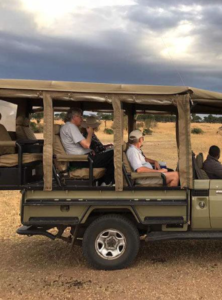
A suitable photography safari vehicle should be a 4×4 Land Cruiser with a pop-up roof and wide windows. Useful features include:
- Guaranteed window access
- Charging sockets or USB ports
- A cooler or refrigerator
- Beanbags for stabilizing long lenses
- Space to store equipment safely
- Radio communication
- Seatbelts and first-aid equipment
- An experienced wildlife guide
If possible, request no more than three or four photographers in one vehicle. Too many participants make it difficult for everyone to photograph an animal appearing on one side.
Best Time for Tanzania Wildlife Photography
| Period | Photography highlights |
|---|---|
| January–February | Ndutu calving, newborn animals and predator activity |
| March–May | Green landscapes, dramatic skies and fewer vehicles |
| June | Drying vegetation and active wildlife |
| July–October | Dry-season sightings and Northern Serengeti migration |
| November–December | Migrating herds returning south and green-season scenery |
There is no single perfect month. The best period depends on whether you prioritize migration events, predators, birds, scenery or lower visitor numbers.
Recommended Camera Equipment
Consider bringing:
- A camera with reliable autofocus
- A 100–400mm or similar zoom lens
- A 400mm, 500mm or 600mm lens for distant wildlife
- A 24–70mm lens for landscapes and people
- A second camera body
- Extra memory cards
- Spare batteries
- Lens-cleaning equipment
- Dust-resistant camera covers
- Beanbag or monopod
- Laptop or portable backup drive
- Universal power adapter
Changing lenses frequently in dusty areas can expose the camera sensor. Using two camera bodies reduces the need to change lenses during game drives.
What Is Normally Included?
A photography safari package may include:
- Private 4×4 safari vehicle
- Professional English-speaking guide
- National park and conservation fees
- Ngorongoro Crater service fee
- Accommodation
- Meals during the safari
- Drinking water
- Airport or hotel transfers
- Government taxes
- Binoculars
- Game drives according to the itinerary
What Is Usually Excluded?
Common exclusions include:
- International flights
- Tanzania visa
- Travel and medical insurance
- Alcoholic beverages
- Laundry
- Optional balloon safari
- Tips for the guide and camp staff
- Personal photography permits where applicable
- Additional activities not listed in the itinerary
Always request a written quotation showing exactly what is included and excluded.
Optional Photographic Experiences
A balloon safari provides aerial views of the Serengeti, although photography through changing light and moving conditions can be challenging.
Other useful additions include:
- Maasai cultural photography
- Walking safari
- Night game drive in permitted areas
- Birdwatching excursion
- Lake Natron landscape photography
- Materuni Waterfalls and coffee tour
- Mount Kilimanjaro day hike
- Zanzibar beach photography extension
Ask for permission before photographing local people. Respectful interaction is more important than obtaining an image.
Tips for a Successful Photography Safari
Communicate your objectives to the guide before the safari begins. Explain whether you prefer predators, birds, landscapes, migration scenes or animal behavior.
Avoid asking the guide to approach animals too closely or leave authorized tracks. Ethical photography protects wildlife and produces more natural images.
Be patient. Spending time with one relaxed animal can create better photographs than driving quickly between many sightings.
Morning and evening usually provide softer light. Midday light can be harsh, but it remains useful for action scenes, close-ups and animals near water.
Back up photographs every evening and protect equipment from dust. Never leave cameras or valuable lenses unattended in open areas.
Book Your Tanzania Photography Safari
The right itinerary should balance wildlife opportunities, travel time, light conditions and enough patience at each sighting. Your final photography Tanzania safari itinerary price will depend on your dates, number of travelers, accommodation preference and the regions you want to photograph.
Kilipath African Safaris can arrange a private photography safari with an experienced guide, guaranteed window access and an itinerary tailored to your photographic goals.
Contact us today with your travel dates, group size, preferred accommodation and photography interests. We will create a personalized Tanzania photography safari itinerary and price for you.