Skip to content

What “Photography Tanzania Safari Package” Means
A photography Tanzania safari package is a safari designed specifically for travelers who want excellent opportunities to photograph Tanzania’s wildlife, landscapes, birds, and safari experiences.
Unlike a standard safari where the main objective is simply seeing as many animals as possible, a photography-focused safari should allow more time at good sightings. For example, instead of immediately leaving after spotting lions, photographers may want to remain in position and wait for interesting behavior, better light, or a cleaner composition.
This makes a private safari particularly suitable for serious photographers because the itinerary and game-drive schedule can be more flexible.
Recommended Destinations
A strong photography safari package can combine Tarangire National Park, Serengeti National Park, and the Ngorongoro Crater.
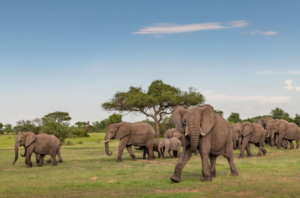
Tarangire National Park is especially attractive for elephant photography, baobab landscapes, giraffes, zebras, antelopes, and birdlife. The combination of wildlife and distinctive scenery provides opportunities for both close wildlife portraits and wider environmental photographs.
Serengeti National Park should be one of the main highlights. Travelers can photograph lions, elephants, giraffes, cheetahs, zebras, wildebeest, hyenas, and many other species. Depending on the season and location, photographers may also encounter large concentrations of wildebeest associated with the Great Migration.
Ngorongoro Crater provides a different photographic environment. The crater floor contains open grasslands, wetlands, and other habitats within a relatively compact wildlife area, making it an important addition to a Northern Tanzania photography itinerary.
Example Photography Tanzania Safari Package
A practical package could be 5 Days / 4 Nights.
Day 1 – Arusha to Tarangire National Park: Leave Arusha in the morning and travel to Tarangire. Spend the day photographing elephants, baobab landscapes, giraffes, zebras and other wildlife before continuing to your accommodation.
Day 2 – Tarangire to Serengeti: Travel toward Serengeti while enjoying changing landscapes along the way. After entering Serengeti, begin your first photographic game drive.
Day 3 – Full-Day Serengeti Photography Safari: Dedicate the entire day to wildlife photography. Starting early can provide beautiful morning light and opportunities to observe predators and other animals while they are active.
Day 4 – Serengeti to Ngorongoro: Enjoy another Serengeti game drive before traveling toward the Ngorongoro Conservation Area. This creates another opportunity for wildlife and landscape photography.
Day 5 – Ngorongoro Crater to Arusha: Descend into Ngorongoro Crater in the morning for the final photographic game drive. After lunch, return to Arusha.
Why Private Safaris Work Well for Photographers
This is an important selling section because your page has transactional intent.
A private photography Tanzania safari package gives photographers more control over how they use their game-drive time. When an interesting sighting occurs, guests can discuss with their guide whether to stay longer instead of following the schedule of unrelated travelers.
A private safari also means fewer people sharing the vehicle. This can make positioning camera equipment easier and provide photographers with more freedom to move between available viewing positions.
For professional photographers, content creators, couples, and small groups carrying multiple cameras or larger lenses, this flexibility can be especially valuable.
Best Time for Tanzania Safari Photography
Tanzania offers photography opportunities throughout the year, but the experience changes by season.
The June–October dry season is popular because vegetation is generally less dense in many areas and animals often gather around reliable water sources.
The green season offers different advantages, including greener landscapes, dramatic skies and excellent conditions for photographers interested in environmental images rather than only close wildlife portraits.
The December–March period is particularly interesting for travelers targeting the southern Serengeti/Ndutu ecosystem during the wildebeest calving period.
Rather than describing one season as universally “best,” your page should help travelers choose according to what they want to photograph.
Photography Safari Vehicle
Vehicle information is especially important for this keyword.
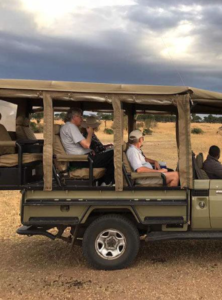
The safari can operate in a 4×4 Land Cruiser with a pop-up roof, providing elevated viewing opportunities during game drives. Window access is also important when photographers need lower shooting angles.
For dedicated photographers, private use of the vehicle provides more space for cameras, lenses, camera bags, binoculars and other equipment.
You can emphasize that guests should communicate their photography requirements before departure so the safari team can plan accordingly.
What Travelers Can Photograph
Your package should emphasize variety rather than promising particular sightings.
Potential subjects include:
- Lions, elephants, giraffes and buffalo
- Cheetahs and other predators
- Wildebeest and zebras
- Hippos and various antelope species
- Tanzania’s diverse birdlife
- Baobab landscapes in Tarangire
- Serengeti plains
- Ngorongoro landscapes
- Sunrise and sunset scenes where conditions and park schedules permit
- Great Migration activity depending on season and location
This section helps capture related searches such as Tanzania wildlife photography safari and Serengeti photography safari.
What Should Be Included?
For a transactional page, visitors should immediately understand what they receive when booking.
A typical photography Tanzania safari package can include a private 4×4 safari vehicle, professional English-speaking safari guide, national park and conservation fees, accommodation according to the selected category, meals according to the itinerary, drinking water during the safari, game drives, and transfers specified in the final itinerary.
You should then have a separate Not Included section covering international flights, visas, travel insurance, tips, personal expenses, optional activities, and anything else not specifically listed in the confirmed package.
Accommodation Options
Offer several categories rather than making the package appear limited to one budget.
Budget camping works for adventurous photographers who prioritize wildlife experiences and want to keep costs lower.
Mid-range lodges and tented camps provide additional comfort while keeping guests relatively close to the safari areas.
Luxury lodges and camps suit travelers who want a higher accommodation standard combined with private photography-focused game drives.
This makes the page useful for different customer budgets while retaining the same core focus keyword.
Camera Equipment
A useful informational section can also strengthen the page.
Travelers may consider bringing a DSLR or mirrorless camera, telephoto lens, wider lens for landscapes, spare batteries, memory cards, cleaning equipment and protective storage for cameras.
A bean bag can also be useful for supporting larger lenses from appropriate vehicle positions.
Avoid telling visitors that they must purchase extremely expensive professional equipment. Modern cameras and even smartphones can produce excellent travel photographs, while dedicated wildlife photographers may prefer longer telephoto lenses.
Supporting Keywords
Don’t repeat “photography Tanzania safari package” unnaturally throughout all 2,000 words. Use closely related phrases to broaden topical relevance.
Good secondary keywords include Tanzania photography safari, Tanzania photo safari, wildlife photography safari Tanzania, Serengeti photography safari, Tanzania safari for photographers, African wildlife photography safari, private Tanzania photography safari, and Great Migration photography safari.
Recommended 2,000-Word Structure
Your finished tour page can follow this flow: start with a 150–200 word introduction, followed by an overview of the photography safari, destinations, a detailed 5-day itinerary, why private safaris suit photographers, vehicle features, accommodation, wildlife photography opportunities, seasonal guidance, package inclusions/exclusions, photography equipment, pricing factors, FAQs, and finally a booking call-to-action.
For example, your opening paragraph could say:
A photography Tanzania safari package offers wildlife photographers the opportunity to explore some of Tanzania’s most spectacular safari destinations while enjoying the flexibility needed for wildlife photography. From photographing elephants beneath ancient baobab trees in Tarangire to following predators across the Serengeti plains and exploring the wildlife-rich Ngorongoro Crater, the itinerary can be designed around both wildlife experiences and photographic opportunities.