Skip to content

A Tanzania photography safari gives you time to capture wildlife, landscapes, and the small details that make each game drive memorable. From elephants beneath Tarangire’s baobab trees to animals on the Serengeti plains, the country offers varied subjects for beginners, enthusiastic hobbyists, and experienced photographers.
Choosing a photography Tanzania safari package deal involves more than comparing prices. The route, guide, vehicle space, accommodation location, and time spent observing animals all affect your photographic opportunities.
This guide explains how to choose a suitable package, plan a practical itinerary, and prepare your equipment.
What Is a Tanzania Photography Safari?
A photography safari is a wildlife trip planned around creating images. It usually allows more time at sightings and gives greater attention to light, backgrounds, animal behaviour, and vehicle positioning.
A standard safari may move between sightings to show guests a wide variety of animals. A photography-focused trip can spend longer watching one subject: an elephant family interacting, a lion waking from its afternoon rest, or birds gathering around water.
Before booking, establish whether the package includes a guide experienced in supporting photographers, a photography instructor, or simply a standard guided safari. These are different services, and the quotation should explain which one you will receive.
Where to Go for Safari Photography in Tanzania
Serengeti National Park
The Serengeti suits travelers who want wildlife photographs within expansive landscapes. Its varied habitats offer opportunities to photograph predators, grazing animals, and scenes that show wildlife in its surroundings.
The park supports Tanzania’s iconic large mammals, although sightings of particular animals are never guaranteed. Choose your safari area around your priorities rather than expecting every species in a short visit. TANAPA
For photography, spending several nights in one area can be more productive than changing accommodation daily. It gives your guide time to revisit promising locations and reduces time spent transferring between camps.
Tarangire National Park
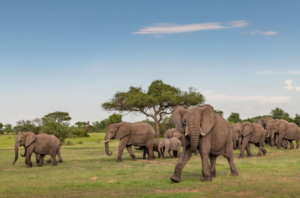
Tarangire is particularly appealing for elephant photography and landscapes featuring baobab trees. Elephant families, river environments, and open savanna provide opportunities for both close portraits and wider compositions. Tarangire National Park
Try building a sequence of photographs rather than taking only tight close-ups: a whole herd in its habitat, interactions between individuals, and details such as trunks or textured skin.
Ngorongoro Crater
A crater visit adds a distinct landscape to a Northern Circuit photography itinerary. Plan time for both wildlife viewing and wider photographs that communicate the setting.
For a practical route, consider staying near the conservation area before your crater day. Confirm the accommodation location and proposed departure time with your operator, as these affect the day’s travel schedule.
Lake Manyara National Park
Lake Manyara adds forest, woodland, and wetland subjects to a safari. Its birdlife includes fish eagles, herons, storks, bee-eaters, and other species, making it an option for travelers interested in bird photography. Lake Manyara National Park
Include it when those habitats match your interests. A longer stay in the Serengeti may be preferable if your main priority is photographing predators.
When Should You Travel?
Choose dates according to the photographs you want to create. Wildlife viewing conditions, vegetation, rainfall, and migration locations vary through the year.
The Serengeti’s migration is a year-round movement, so choosing the right area matters as much as choosing the month. Seasonal expectations help with planning, but they cannot predict a particular wildlife event. Tanzania Tourism
Before confirming your trip, explain your priorities to the operator:
- Predators and animal behaviour.
- Elephants and baobab landscapes.
- Birds and varied habitats.
- Migration herds.
- Wide landscape compositions.
- A balanced collection of wildlife and scenery.
Ask the operator to explain why the proposed accommodation and route suit your travel dates. Migration-focused trips should allow time for waiting and changing conditions; a river crossing cannot be scheduled.
A Suggested Seven-Day Photography Safari
The following is a suggested private itinerary. Accommodation, timing, and the final route should be adjusted to your dates and interests.
| Day | Suggested plan | Photography focus |
|---|---|---|
| 1 | Arrive in Arusha, meet your safari team, and prepare equipment | Discuss subjects, vehicle arrangements, and camera needs |
| 2 | Travel to Tarangire for a game drive | Elephants, baobabs, and environmental portraits |
| 3 | Continue exploring Tarangire, then transfer toward Karatu | Animal interactions and landscape variety |
| 4 | Visit Ngorongoro Crater, then overnight in the Karatu or conservation area | Wildlife within the crater landscape |
| 5 | Transfer to Central Serengeti, with wildlife viewing as time permits | Plains, grazing animals, and introductory sightings |
| 6 | Full day exploring Central Serengeti | Patient observation and animal behaviour |
| 7 | Return toward Arusha or take a separately arranged flight | Final photographic opportunities, subject to departure logistics |
For a stronger focus on Serengeti photography, extend the trip with additional nights there. Transfer days involve substantial driving, so they should not be presented as equivalent to full days photographing wildlife.
Private or Shared Photography Safari?
Both options can produce memorable images, but they offer different levels of control.
| Feature | Private safari | Shared safari |
|---|---|---|
| Time at sightings | More flexibility within park rules and the day’s schedule | Balanced around the whole group |
| Vehicle space | Can be arranged around your group and equipment | Shared with other travelers |
| Photography priorities | Can guide the itinerary | Must fit the group’s route |
| Cost | Vehicle and guide costs divided among your party | Costs shared with other guests |
| Best fit | Travelers prioritising photography | Travelers balancing photography and budget |
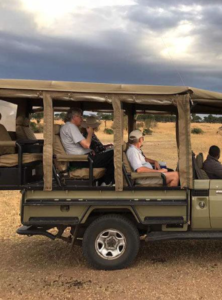
A guaranteed window seat does not necessarily provide space to photograph comfortably from both sides of the vehicle. Ask how many guests will travel, how equipment will be stored, and whether the seating arrangement suits long lenses.
How to Compare Photography Safari Package Deals
A good deal provides useful time in the right places. A cheaper itinerary may offer less value if it includes frequent transfers or accommodation far from the areas you want to explore.
Compare Time in the Parks
Look beyond the number of itinerary days. Check how many are full game-drive days and how many involve long transfers.
Two packages described as seven-day safaris can provide very different amounts of wildlife observation time.
Check Accommodation Locations
Accommodation affects when you can reach photographic areas and how much driving is required each day. Ask for the names and locations of proposed camps or lodges, together with alternatives if they are unavailable.
Comfort matters too. Reliable rest, convenient meals, and suitable charging arrangements help you prepare for the next day.
Confirm Guide Experience
Tell the operator that photography is a priority. Ask whether the guide can support patient observation and sensible positioning for light and backgrounds while following wildlife rules.
If you want technical instruction, request it specifically. A knowledgeable wildlife guide is not automatically a photography tutor.
Request a Complete Cost Breakdown
The quotation should clearly identify:
- Vehicle and guide services.
- Accommodation and meals.
- Park and conservation fees.
- Crater-related charges where applicable.
- Transfers and any domestic flights.
- Drinking water and other included beverages.
- Optional activities.
- Tips and personal expenses.
- Any specialist equipment or photography tuition.
Prices depend on dates, group size, accommodation, route, and service level. Request a dated quotation rather than relying on an advertised starting price.
Camera Equipment to Bring
You do not need the most expensive equipment to enjoy safari photography. Familiar equipment often serves you better than a complex camera you have only just purchased.
A practical kit can include:
- Camera body: Choose one you can operate confidently.
- Telephoto lens: Useful for animals you cannot approach closely.
- Wide or standard zoom: Helpful for landscapes and wider wildlife scenes.
- Spare batteries and memory cards: Carry enough for extended game drives.
- Beanbag or suitable support: Confirm what works with the safari vehicle.
- Dust and rain protection: Keep covers readily accessible.
- Cleaning supplies: A blower and clean microfiber cloth.
- Backup storage: Make a second copy of photographs when possible.
If you have two camera bodies, using different lenses can reduce lens changes in dusty conditions. Confirm flight baggage allowances before packing, especially when your itinerary includes light aircraft.
Practical Wildlife Photography Tips
Start With a Suitable Shutter Speed
Moving subjects need faster shutter speeds than stationary animals. Adjust your settings to the behaviour you are observing and review images for motion blur.
Focus Carefully on the Eyes
For wildlife portraits, clear eyes often make the image more engaging. Use an appropriate autofocus mode and check that the camera has focused on your intended subject.
Photograph the Surroundings
Include habitat, weather, and landscape in some compositions. A wider photograph can tell a story that a close portrait cannot.
Watch the Background
Small changes in framing can improve a photograph. Look for distracting branches, bright patches, or other vehicles before taking the shot.
Be Patient
Animal behaviour develops over time. Watching quietly may reveal interactions you would miss by leaving immediately after the first photograph.
Review Images During the Day
Check focus, exposure, and sharpness periodically. This gives you time to correct problems before repeating them throughout the safari.
Responsible Safari Photography
Good photographs should come from careful observation. Follow your guide’s instructions, keep wildlife at an appropriate distance, and remain within the rules for each location.
Avoid asking a driver to disturb animals, block their movements, or leave permitted routes to improve a photograph. Ask permission before photographing people, particularly during community visits.
Commercial filming or specialist equipment may involve additional requirements. Explain your intended use and equipment to the operator before booking so any necessary arrangements can be checked.
Plan Your Photography Safari With Kilipath African Safaris
Contact Kilipath African Safaris to request a photography Tanzania safari package deal built around your travel dates, budget, and photographic interests.
Whether you want elephant portraits in Tarangire, more time observing Serengeti wildlife, or a varied Northern Circuit itinerary, share the images you hope to capture so the proposed route can reflect your priorities.
Request a personalised quotation with a clear itinerary, accommodation options, and a full explanation of inclusions.