

Nyerere Tanzania Wildlife Safari Guide
A Nyerere Tanzania wildlife safari can take you from a woodland game drive in the morning to a boat on the Rufiji…
Read articleArusha City - Tanzania
Safari & Travel Tips
August 18, 2026 · 6 min read
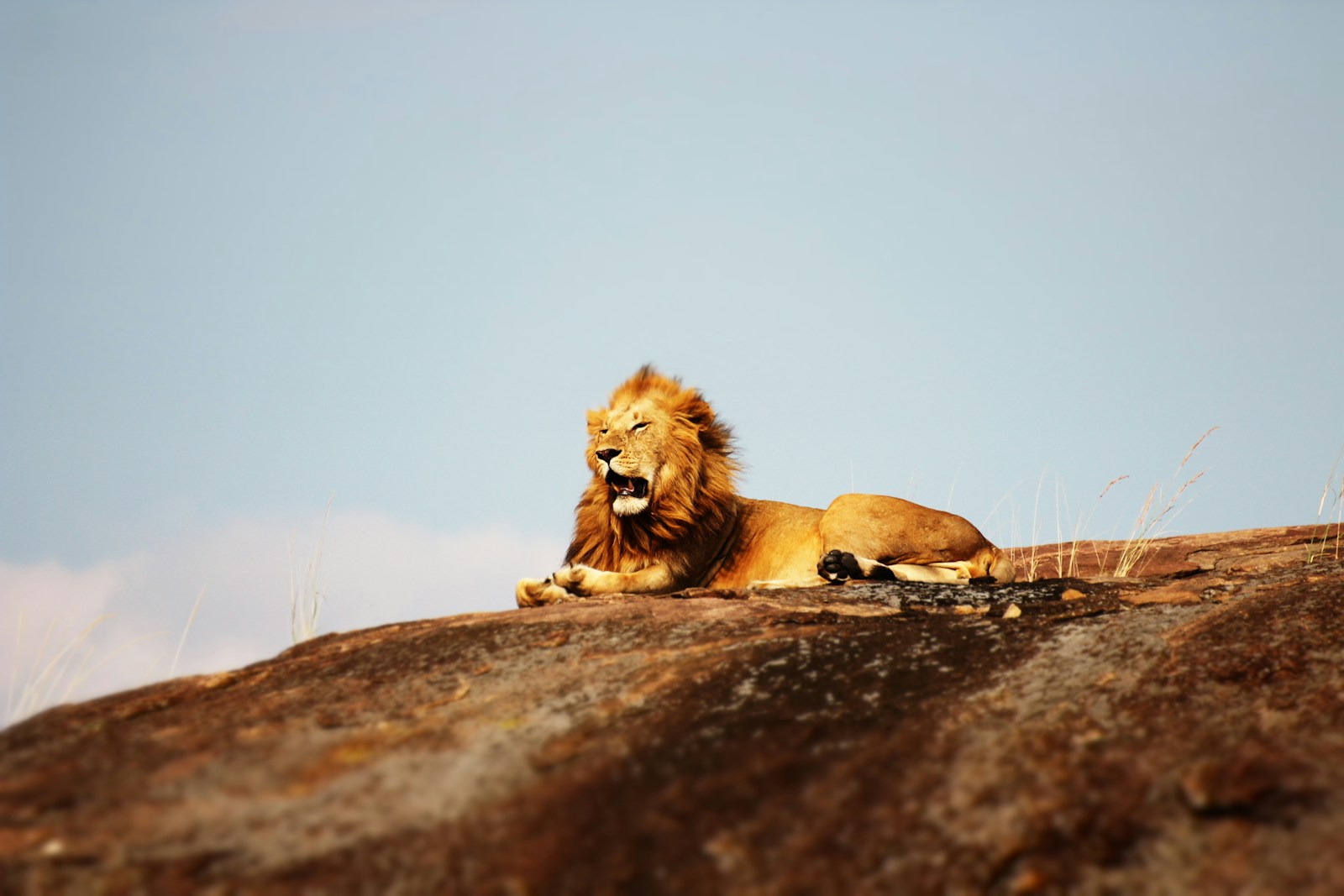
A photography safari in Tanzania is designed for travelers who want more than an ordinary wildlife tour. It provides enough time, space and flexibility to photograph Tanzania’s animals, landscapes and unforgettable safari moments.
As an experienced Tanzania safari package operator, Kilipath African Safaris creates customized photography tours for amateur photographers, professional wildlife photographers, filmmakers and small photography groups. Every itinerary can be adjusted according to your preferred destinations, travel dates, photographic interests and accommodation level.
Our private photography safaris allow you to spend longer at wildlife sightings, choose the best vehicle position and plan game drives around the most favorable natural light.
A standard safari normally follows a fixed daily schedule. However, wildlife photography requires more patience and flexibility. You may need to wait for an animal to move into better light, change the vehicle’s position or remain at one sighting to capture a particular behavior.
A photography-focused safari offers:
The Serengeti is Tanzania’s leading wildlife photography destination. Its open plains provide excellent visibility and beautiful backgrounds for photographing lions, cheetahs, leopards, elephants, giraffes and large herds of herbivores.
The park is also home to the Great Migration, when enormous herds of wildebeest and zebras move through different parts of the ecosystem.
Ngorongoro Crater offers a remarkable concentration of wildlife within a relatively compact area. Photographers may capture lions, buffaloes, elephants, hippos, hyenas and, with good fortune, the endangered black rhinoceros.
The crater walls, grasslands and seasonal light also create impressive landscape photography opportunities.
Tarangire is famous for its ancient baobab trees and large elephant populations. During the dry season, animals gather near the Tarangire River, creating excellent opportunities for wildlife interactions and environmental portraits.
Lake Manyara offers diverse photographic subjects, including elephants, giraffes, baboons, waterbirds and forest scenery. Its groundwater forest and Rift Valley escarpment provide a different visual setting from the open Serengeti plains.
Nyerere is an excellent destination for photographers seeking a quieter and more remote safari. It offers game drives and boat safaris, allowing guests to photograph hippos, crocodiles, elephants and aquatic birds from a different perspective.
Ruaha’s rugged landscapes, baobab valleys and large predator populations make it ideal for experienced wildlife photographers. Visitor numbers are relatively low, allowing more time and freedom at sightings.
The Great Migration is one of the world’s most dramatic wildlife events. Because the herds move throughout the year, your itinerary must match the season and expected location of the animals.
Wildlife movement depends on rainfall and natural conditions, so river crossings and exact animal locations cannot be guaranteed.
Meet our representative at the airport and transfer to your accommodation in Arusha. You will meet your safari guide for a briefing and discuss your photography priorities.
Travel to Tarangire for your first game drive. Photograph elephants, baobab trees, giraffes, antelopes and predators before continuing to your accommodation.
Drive toward Serengeti National Park through the Ngorongoro Conservation Area. Stop at scenic viewpoints and continue with an afternoon photography game drive.
Enjoy an early-morning game drive when the light is soft and predators are active. Spend the day photographing wildlife across the Seronera Valley.
Continue exploring the Serengeti with a flexible game-drive schedule. Your guide will position the vehicle carefully while respecting park regulations and animal welfare.
Take a final morning game drive in Serengeti before traveling toward Ngorongoro. Photograph wildlife and changing landscapes along the journey.
Descend into Ngorongoro Crater early in the morning. Search for lions, elephants, buffaloes, hippos, hyenas and black rhinos before returning to your lodge.
After breakfast, drive back to Arusha. Depending on your flight schedule, an airport transfer or additional activity can be arranged.
Our photography safaris use customized 4x4 Land Cruisers with pop-up roofs and large windows. The vehicle provides excellent visibility and enough room for photography equipment.
Depending on group size and availability, your vehicle may include:
We recommend keeping photography groups small so everyone has enough working space.
Tanzania is a year-round photography destination, but every season offers different conditions.
The dry season provides excellent general wildlife viewing. Vegetation becomes thinner, and animals gather near permanent water sources. This period is particularly suitable for Tarangire, Ruaha and northern Serengeti.
This is an excellent period for photographing the calving season in the Ndutu region. Thousands of wildebeest give birth, attracting lions, cheetahs and hyenas.
The green season offers dramatic skies, lush scenery, fewer vehicles and excellent bird photography. Some roads may become muddy, but the landscape can be especially beautiful.
Photography packages can be arranged using:
We select accommodation according to location, comfort, photographic access and your budget. Camps located close to wildlife areas reduce travel time and make early-morning game drives easier.
A typical photography Tanzania safari package includes:
Consider bringing:
Soft-sided luggage is recommended because it is easier to store inside a safari vehicle or small domestic aircraft.
Responsible photography protects both wildlife and the quality of the safari experience. Our guides follow national park regulations and maintain a safe distance from animals.
Guests should never ask a guide to block an animal’s path, drive off-road where prohibited, crowd a sighting or disturb wildlife to obtain a photograph. Ethical photography produces authentic images while protecting Tanzania’s natural heritage.
Kilipath African Safaris can create a private photography safari based on your travel dates, preferred parks, group size, accommodation level and budget.
Send us the following information to receive a customized quotation:
Whether you want to photograph the Great Migration, big cats, elephants, birds or Tanzania’s dramatic landscapes, we can design a flexible itinerary around your creative goals.
A Nyerere Tanzania wildlife safari can take you from a woodland game drive in the morning to a boat on the Rufiji…
Read articlePlanning a Tanzania safari that combines Lake Manyara National Park and Nyerere National Park is an excellent way to experience the country's…
Read articleDiscover Tanzania’s untamed wilderness without exceeding your travel budget. A budget Ruaha safari adventure offers incredible wildlife encounters, spectacular landscapes, authentic African…
Read articleA Nyerere Tanzania wildlife safari offers an extraordinary opportunity to discover one of Africa's most spectacular wilderness destinations. From magnificent elephants and…
Read article

