A photography Tanzania safari tour company specializes in creating safari experiences for travelers who want more than simply seeing wildlife. Photography-focused safaris are designed around patience, positioning, lighting, wildlife behavior, flexible game-drive schedules, and enough time at sightings to capture memorable images.
Tanzania is one of Africa’s most rewarding wildlife photography destinations. From the endless plains of the Serengeti to the elephant landscapes of Tarangire and the dramatic scenery of Ngorongoro Crater, photographers can experience an extraordinary variety of wildlife and landscapes within a single journey.
At Kilipath African Safaris, photography safaris can be arranged as private adventures, giving photographers greater flexibility over their daily schedules, locations, and time spent observing wildlife.
Why Choose Tanzania for a Photography Safari?
Tanzania offers an exceptional combination of wildlife diversity, dramatic scenery, protected wilderness, and year-round photographic opportunities.
Photographers may have opportunities to capture:
- Lions resting, hunting, or interacting with their prides
- Leopards resting in trees
- Cheetahs scanning the open plains
- Large elephant families
- Giraffes against classic African landscapes
- Buffalo herds
- Hippos and crocodiles
- Black rhinos in Ngorongoro Crater
- Wildebeest and zebra herds
- Colorful birds and birds of prey
- Sunrise and sunset landscapes
- The Great Wildebeest Migration during suitable seasons
- Predator-and-prey interactions
Wildlife sightings can never be guaranteed because the animals are completely wild, but traveling with an experienced safari guide can significantly improve your chances of being in productive wildlife areas.
What Makes a Photography Safari Different?
A normal safari often follows a general sightseeing schedule. Guests move between different wildlife sightings and attractions throughout the day.
A photography safari requires a different approach.
For photographers, seeing an animal is only the beginning. You may need to wait for the animal to move into better light, look toward the camera, interact with another animal, begin hunting, approach a waterhole, or move into a cleaner background.
For this reason, a photography safari should provide more flexibility.
More Time at Wildlife Sightings
Photography sometimes requires patience. Instead of immediately leaving after seeing a lion or leopard, photographers may prefer to remain at the sighting and observe what happens.
A private photography safari makes this easier because the schedule does not need to accommodate unrelated travelers.
Better Vehicle Positioning
Vehicle positioning can dramatically affect a photograph.
An experienced guide considers factors such as:
- Direction of sunlight
- Background
- Distance from the animal
- Possible direction of movement
- Other safari vehicles
- Safety regulations
- Park rules
- Photography angle
Guides must always follow national park regulations and maintain appropriate distances from wildlife.
Private Safari vs Shared Safari for Photographers
For serious wildlife photographers, we generally recommend a private Tanzania photography safari.
Private safaris provide greater control over your schedule.
You can discuss with your guide whether you want to concentrate on predators, elephants, birds, landscapes, migration photography, or particular wildlife behavior.
A shared safari can still provide excellent photography opportunities, but the vehicle is shared with other travelers. Different guests may have different priorities and may not want to spend extended periods at one sighting.
Therefore, private safaris are normally the better choice for professional photographers, content creators, filmmakers, photography enthusiasts, and travelers carrying substantial camera equipment.
Best Tanzania National Parks for Photography
Serengeti National Park
The Serengeti is arguably Tanzania’s most famous wildlife photography destination.
Its enormous grasslands provide relatively open backgrounds that can work beautifully for wildlife photography. Depending on location and season, photographers may encounter lions, cheetahs, leopards, elephants, giraffes, hyenas, wildebeest, zebras and many other species.
The Serengeti is particularly attractive for photographers interested in predator behavior and the Great Migration.
Ngorongoro Crater
Ngorongoro Crater combines spectacular scenery with concentrated wildlife viewing.
The crater floor contains grasslands, wetlands, forests and open areas, creating diverse photographic environments within a relatively compact area.
Wildlife can include lions, elephants, buffalo, hippos, hyenas, zebras, wildebeest and, with luck, the endangered black rhino.
The crater rim itself also provides spectacular landscape photography opportunities.
Tarangire National Park
Tarangire is particularly famous for elephants and its ancient baobab trees.
The combination of wildlife and enormous baobabs can produce distinctly African landscape compositions. During the dry season, wildlife becomes increasingly concentrated around available water sources.
Tarangire is excellent for photographers interested in:
- Elephants
- Baobab landscapes
- Giraffes
- Lions
- Antelopes
- Bird photography
- Wide environmental portraits
Lake Manyara National Park
Lake Manyara offers a different photographic environment, including groundwater forest, lake landscapes, woodland and escarpment scenery.
It can be an excellent addition for travelers who want greater visual diversity in their photography portfolio.
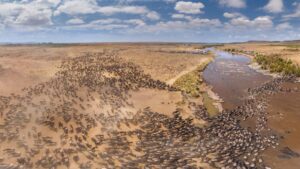
Photographing the Great Wildebeest Migration
The Great Wildebeest Migration is one of the world’s most famous wildlife events.
More than focusing on one fixed location, photographers need to understand that migration movements vary according to rainfall, grazing conditions and natural wildlife behavior.
Different seasons provide different photographic possibilities.
December to March – Southern Serengeti and Ndutu
This period is associated with the southern migration and calving season.
Photographers may encounter large wildebeest herds together with newborn calves and predators.
The green landscapes can also create beautiful photographic backgrounds.
April to June – Migration Movement
As seasonal conditions change, herds gradually begin moving toward other parts of the ecosystem.
This period can provide dramatic herd photography and fewer crowds in certain areas.
July to October – Northern Serengeti
Northern Serengeti becomes especially important during the migration season.
The famous Mara River crossing period can offer extraordinary photographic opportunities.
However, river crossings are completely natural events and cannot be scheduled or guaranteed. Photographers sometimes wait for many hours—or longer—for the herds to cross.
This is precisely why flexible private photography itineraries are valuable.
Best Time for a Tanzania Photography Safari
There is no single “best” month for every photographer.
The ideal season depends on what you want to photograph.
The June to October dry season generally provides excellent wildlife viewing because vegetation is thinner and animals often concentrate around permanent water sources.
The November to May green season offers greener landscapes, dramatic skies and excellent birdlife. Certain months also coincide with the southern Serengeti migration and calving season.
Therefore, photographers should choose travel dates based on their photographic priorities rather than simply selecting Tanzania’s busiest tourism months.
Sunrise and Golden-Hour Photography
Light plays an enormous role in wildlife photography.
Early mornings can provide beautiful warm light, cooler temperatures and active wildlife.
Late afternoon can provide another excellent period for softer light and atmospheric landscapes.
A photography-focused itinerary should therefore consider how much time is spent transferring between destinations. Spending additional nights inside or close to important wildlife areas can reduce unnecessary driving and provide more opportunities during productive photography hours.
Photography Safari Vehicle
A reliable safari vehicle is extremely important.
Kilipath African Safaris uses 4×4 safari Land Cruisers with pop-up roofs, allowing guests to stand when appropriate and photograph wildlife from different angles.
Depending on the safari arrangement, vehicles may also provide charging options for phones, cameras and other electronic devices.
For photography-focused private safaris, limiting the number of passengers can provide photographers with additional working space for cameras, lenses and bags.
Recommended Camera Equipment
Your equipment depends on whether you are a professional photographer, enthusiast or casual traveler.
A useful photography safari kit may include:
- DSLR or mirrorless camera
- Telephoto lens
- Medium-range zoom lens
- Wide-angle lens
- Extra batteries
- Multiple memory cards
- Battery charger
- Lens-cleaning equipment
- Camera bag
- Beanbag or suitable camera support
- Laptop or portable storage device
- Power bank
- Protective equipment against dust
Longer lenses are particularly useful for wildlife that cannot or should not be approached closely.
Photographers should never encourage guides to break park regulations simply to obtain a closer photograph.
Protecting Camera Equipment from Dust
Dust is a normal part of an African safari, particularly during the dry season.
Camera equipment should therefore be stored carefully when traveling between sightings.
Keeping unnecessary lens changes to a minimum can help reduce dust reaching the camera sensor.
Photographers may also carry microfiber cloths, lens brushes and appropriate protective covers.
How Many Days Are Recommended?
A short safari can produce excellent photographs, but serious photographers usually benefit from spending more time in fewer locations.
For example, rushing through four parks in four days may provide variety, but spending several nights in Serengeti can provide more opportunities to observe wildlife behavior.
Depending on your budget and photography goals, consider:
4–5 days: Suitable for travelers combining photography with a shorter Tanzania holiday.
6–8 days: Excellent balance between different parks and dedicated photography time.
9–12 days: Recommended for serious photographers wanting slower travel and longer wildlife observation.
12+ days: Suitable for professional projects, migration-focused photography, filmmakers or photographers pursuing particular species and behaviors.
Sample Photography Safari Route
A classic photography itinerary could include:
Day 1: Arusha to Tarangire National Park
Photograph elephants, baobabs and other wildlife before overnighting near Tarangire or Karatu.
Day 2: Travel to Serengeti National Park
Enjoy wildlife photography while traveling toward Central Serengeti.
Day 3: Full-Day Serengeti Photography Safari
Begin early and spend the day concentrating on wildlife behavior.
Day 4: Full-Day Serengeti Photography Safari
A second full day provides another opportunity to locate predators and different wildlife.
Day 5: Serengeti to Ngorongoro Area
Enjoy morning photography before traveling toward Ngorongoro.
Day 6: Ngorongoro Crater
Descend into the crater for wildlife photography before returning toward Arusha.
Longer itineraries can include additional Serengeti nights or seasonal areas such as Ndutu or Northern Serengeti.
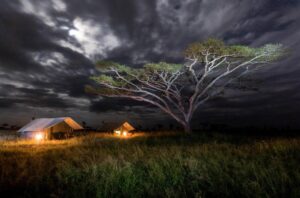
Photography Safari Accommodation
Accommodation can range from budget camping to mid-range tented camps and luxury lodges.
The best choice depends on budget and photographic priorities.
Camping
Camping is suitable for photographers who prioritize wildlife experiences and affordability.
Mid-Range Tented Camps
Mid-range camps offer more comfort while allowing travelers to remain close to major safari areas.
They are often an excellent balance between comfort, location and price.
Luxury Safari Camps
Luxury camps and lodges offer higher levels of comfort, service and dining.
For photographers, however, location should sometimes take priority over luxury. A strategically located camp can reduce driving time and help you reach productive wildlife areas earlier.
Photography Safari for Professional Photographers
Professional photographers often have requirements beyond those of normal safari travelers.
Before the safari, tell your tour company about:
- Number of cameras
- Large telephoto lenses
- Tripods or monopods
- Drone intentions
- Video equipment
- Additional luggage
- Battery charging requirements
- Specific species you want to photograph
- Publication or commercial photography requirements
Special permits may be required for certain professional, commercial, filming or drone activities. These should be discussed well before arrival.
Bird Photography in Tanzania
Tanzania is not only about the Big Five.
The country has extraordinary birdlife, making it highly rewarding for bird photographers.
Depending on the habitat and season, photographers may encounter colorful kingfishers, bee-eaters, hornbills, flamingos, eagles, vultures and many other species.
Bird photographers should tell their safari operator in advance because bird-focused safaris usually move at a slower pace than conventional wildlife safaris.
Why Choose Kilipath African Safaris?
Choosing the right photography Tanzania safari tour company can significantly influence the overall experience.
Kilipath African Safaris can customize private photography safaris around your travel dates, budget, preferred accommodation level and photographic priorities.
Our photography-focused safari planning emphasizes:
- Private safari options
- Experienced local safari guides
- Flexible wildlife viewing
- 4×4 Land Cruiser safari vehicles
- Carefully planned park combinations
- Accommodation options from camping to luxury
- Migration-focused itineraries
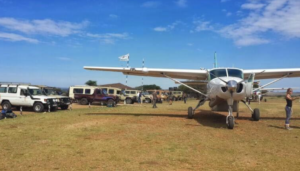
- Airport and safari logistics
- Customized itineraries
- More time for important wildlife sightings
Whether you are carrying professional camera equipment or simply want outstanding photographs from your first African safari, the itinerary can be designed around the type of experience you want.
Final Thoughts
A Tanzania photography safari is about more than collecting pictures. It is about having enough time to observe the landscape, understand wildlife behavior and wait for extraordinary moments to develop naturally.
The right photography Tanzania safari tour company should understand that photographers often need patience, flexibility and carefully planned positioning rather than a rushed checklist of animals.
From elephants beneath ancient baobabs in Tarangire to lions on the Serengeti plains, black rhinos in Ngorongoro Crater and thousands of wildebeest moving across the ecosystem, Tanzania provides endless possibilities for powerful wildlife photography.
With a customized private safari from Kilipath African Safaris, your itinerary can be planned around your photographic interests, preferred accommodation, travel dates and budget—giving you the time and flexibility needed to return home with photographs that tell the story of your African adventure.