Skip to content

A Tanzania wildlife photography safari gives travelers the opportunity to photograph lions, elephants, leopards, cheetahs, wildebeest, birds, and spectacular African landscapes. However, a photography-focused safari normally requires more flexibility than an ordinary wildlife tour.
The total photography Tanzania wildlife safari cost depends on the number of travel days, destinations, accommodation level, season, group size, vehicle arrangement, and whether you require a professional photographic guide.
For most travelers, photography safari packages can range from approximately USD 1,800 to more than USD 8,000 per person. Short shared safaris are the most affordable, while private, tailor-made expeditions with luxury accommodation cost considerably more.
This guide explains the expected costs, what is normally included, the best destinations, and how to choose the right photography safari in Tanzania.
How Much Does a Tanzania Wildlife Photography Safari Cost?
The following prices are general planning estimates. Final rates depend on your travel dates, accommodation availability, itinerary, and number of travelers.
| Safari style | Typical duration | Estimated cost per person |
|---|---|---|
| Shared budget camping safari | 4–5 days | USD 900–1,500 |
| Private budget photography safari | 4–5 days | USD 1,500–2,500 |
| Private mid-range photography safari | 5–7 days | USD 2,500–4,500 |
| Private luxury photography safari | 6–10 days | USD 4,500–8,000+ |
| Migration photography expedition | 7–10 days | USD 4,000–9,000+ |
| Specialized professional workshop | 8–14 days | USD 6,000–12,000+ |
These estimates usually exclude international flights, visas, travel insurance, tips, and personal camera equipment.
A private safari may appear more expensive initially, but it normally delivers better value for serious photographers. You can select your seat, ask the guide to reposition the vehicle, remain longer at a sighting, and organize game drives around the best natural light.
What Determines the Cost?
1. Private or Shared Safari
Shared safaris are the most economical option. Travelers join other guests in one vehicle and share the guide, itinerary, and daily schedule.
This works well for visitors who want beautiful wildlife photographs without requiring complete control over vehicle positioning. However, other passengers may have different priorities. Some may prefer moving quickly between sightings, while a photographer might want to spend an hour observing a single leopard.
A private photography safari provides:
- A dedicated safari vehicle and guide
- Greater freedom at wildlife sightings
- More space for cameras and lenses
- Flexible departure and return times
- Better control over your shooting position
- The ability to wait for animal behavior
- Options to remove or rearrange seats in some vehicles
For photographers carrying several lenses and camera bodies, a private vehicle is generally the best choice.
2. Number of Travelers
Private safari costs become more affordable when two to four travelers share the vehicle.
A solo photographer pays the entire cost of the vehicle and guide. Two photographers can divide these expenses, while three or four travelers may reduce the per-person price further.
For serious photography, keeping the group small is important. Two photographers per vehicle offers excellent freedom. Three can also work well, provided everyone has enough space and a guaranteed window position.
3. Safari Duration
A longer safari increases accommodation, park, vehicle, guide, and meal costs. Nevertheless, extra days can dramatically improve photographic opportunities.
Wildlife photography depends on patience. Rain, light, vegetation, animal movement, and crowd levels can change daily. A longer itinerary gives you more opportunities to photograph the behavior and conditions you want.
A four-day safari can cover the principal highlights, but seven to ten days is better for a dedicated photographic experience.
4. Accommodation Category
Accommodation has a major influence on the final safari price.
Budget camping uses public campsites with shared bathroom facilities. Tents, mattresses, sleeping bags, meals, and camping support are generally provided.
Mid-range safaris use lodges or tented camps offering proper beds, private bathrooms, showers, and greater comfort.
Luxury camps provide premium locations, spacious rooms, personalized service, and high-quality dining. Some are positioned in remote wildlife areas, reducing travel time between the camp and photographic locations.
A conveniently located camp can cost more but may allow you to reach wildlife before vehicles arriving from outside the park.
5. Travel Season
The dry season from approximately June to October is popular because wildlife gathers around permanent water sources and vegetation becomes less dense. These months usually have higher accommodation prices.
The green season can offer:
- Dramatic clouds and colorful landscapes
- Fewer safari vehicles
- Attractive accommodation rates
- Excellent bird photography
- Newborn animals in selected areas
- Cleaner backgrounds and softer light
Photographers interested in the Great Migration may travel between December and October, depending on the specific migration stage they want to photograph.
River-crossing season in Northern Serengeti is usually associated with July through October, although crossings are natural events and cannot be guaranteed.
The Ndutu region is popular between December and March, with the calving period generally strongest around January and February.
Best Tanzania Destinations for Wildlife Photography
Serengeti National Park
The Serengeti is Tanzania’s most famous wildlife photography destination. Its open plains offer clean backgrounds, beautiful natural light, and opportunities to observe predators.
Photographic subjects include:
- Lions and lion prides
- Cheetahs hunting on open plains
- Leopards resting in trees
- Wildebeest and zebra herds
- Elephants, giraffes, and buffalo
- Hyenas and jackals
- Eagles, vultures, and smaller birds
Central Serengeti offers dependable wildlife viewing during most of the year. Northern Serengeti becomes especially attractive during migration season, while Southern Serengeti and Ndutu are known for calving-season activity.
Ngorongoro Crater
The Ngorongoro Crater contains a high concentration of wildlife within a relatively compact area. Photographers may encounter lions, buffalo, elephants, hippos, wildebeest, zebra, and, with some luck, black rhinos.
The crater rim also provides spectacular landscape opportunities.
Early entry is recommended because the morning light is softer and wildlife is often more active. It may also help you enjoy popular locations before the crater becomes busier.
Tarangire National Park
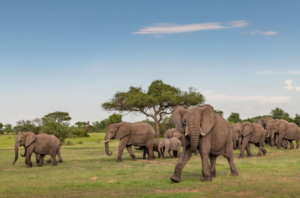
Tarangire is famous for its large elephant population and ancient baobab trees. These elements can be combined to create photographs that immediately communicate the character of Tanzania.
During the dry season, animals gather around the Tarangire River. The park is also excellent for birds and environmental portraits showing animals within wider landscapes.
Lake Manyara National Park
Lake Manyara offers forest, woodland, wetland, and escarpment scenery. It is especially attractive to bird photographers.
Water levels and wildlife distribution change between seasons, so it is best to evaluate current conditions before adding Manyara to a photography-focused itinerary.
Nyerere National Park
Nyerere offers a different experience from the Northern Circuit. Boat safaris provide opportunities to photograph hippos, crocodiles, water birds, and elephants near the Rufiji River.
The park usually feels less crowded, which makes it attractive to photographers seeking quiet wilderness environments.
Ruaha National Park
Ruaha is known for rugged landscapes, large elephant herds, lions, and a strong sense of remoteness. It is an excellent destination for experienced safari travelers and photographers who value wilderness over famous landmarks.
Ruaha and Nyerere can be combined, although internal flights may increase the total package cost.
Recommended Photography Safari Length
Four-Day Safari
A four-day itinerary can include Tarangire, Serengeti, and Ngorongoro Crater. It offers excellent variety but involves considerable driving.
This option is suitable for travelers with limited time or budget.
Six-Day Safari
A six-day safari offers a better balance between travel time and photography. It may include two or three nights in the Serengeti, allowing at least one complete day for photographic exploration.
Eight-to-Ten-Day Safari
This is the recommended length for serious wildlife photographers. It allows you to concentrate on selected ecosystems, spend longer at sightings, and respond to changing wildlife conditions.
A longer safari also makes it easier to visit Northern Serengeti or Ndutu when the migration is in those regions.
Sample Seven-Day Photography Itinerary
Day 1: Arrival in Arusha
Airport pickup, equipment preparation, safari briefing, and overnight stay.
Day 2: Arusha to Tarangire
Drive to Tarangire for elephant, baobab, bird, and landscape photography.
Day 3: Tarangire to Serengeti
Travel through the highlands toward Serengeti, with photography opportunities along the way.
Day 4: Full-Day Serengeti Photography
Early morning departure to photograph predators and other wildlife in soft light. Remain flexible throughout the day according to animal movements.
Day 5: Full-Day Serengeti Photography
A second full day provides time to revisit promising areas and wait for interesting behavior.
Day 6: Serengeti to Ngorongoro
Morning game drive followed by travel toward the Ngorongoro Conservation Area.
Day 7: Ngorongoro Crater to Arusha
Early descent into the crater for wildlife photography, followed by the return to Arusha.
This itinerary can be extended with additional nights in Northern Serengeti, Ndutu, Ruaha, or Nyerere.
What Is Normally Included?
A Tanzania wildlife photography safari package generally includes:
- Private or shared 4×4 safari vehicle
- Professional English-speaking driver-guide
- Park and conservation fees
- Accommodation during the safari
- Meals stated in the itinerary
- Drinking water
- Airport or hotel transfers stated in the package
- Government taxes
- Camping equipment on camping safaris
- Emergency support from the tour operator
Depending on the company and package, soft drinks, binoculars, internal flights, and special photographic vehicle modifications may also be included.
Always ask for a detailed written quotation before booking.
What Is Usually Excluded?
Common exclusions include:
- International flights
- Tanzania visa
- Travel and medical insurance
- Camera equipment
- Alcoholic beverages
- Tips for guides and camp staff
- Laundry services
- Balloon safaris
- Optional cultural activities
- Personal expenses
- Additional accommodation before or after the safari
Photographers should also check airline baggage restrictions, particularly when using smaller domestic aircraft. Camera equipment can quickly exceed standard baggage allowances.
What Kind of Safari Vehicle Is Best?
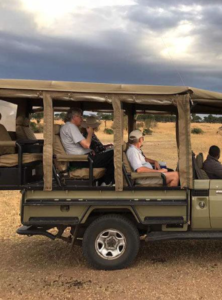
A 4×4 Land Cruiser with a pop-up roof is the standard vehicle for a Northern Tanzania safari.
For photography, the vehicle should ideally provide:
- A guaranteed window seat
- Charging sockets or USB ports
- Space for camera bags
- A roof opening for higher shooting angles
- A knowledgeable guide
- A cooler or refrigerator
- Beanbags or camera supports
- Good suspension for rough roads
A private vehicle is strongly recommended when using long lenses. It prevents equipment from obstructing other travelers and gives the guide greater freedom when positioning the vehicle.
Camera Equipment to Bring
A versatile wildlife photography kit may include:
- A camera body with reliable autofocus
- A second camera body as backup
- A 100–400mm or similar telephoto zoom
- A 400mm, 500mm, or 600mm lens for distant wildlife
- A 24–70mm lens for landscapes and camp photography
- Extra batteries
- Multiple memory cards
- External hard drive or laptop
- Lens-cleaning equipment
- Dust-resistant camera covers
- Beanbag
- Power bank
- Universal travel adapter
Changing lenses in dusty conditions should be minimized. Two camera bodies allow photographers to keep a telephoto lens on one body and a wider lens on the other.
How to Reduce the Safari Cost
You can reduce the cost without sacrificing the main photographic experience by:
- Traveling with one or two other photographers
- Choosing mid-range camps instead of luxury properties
- Visiting during the green or shoulder season
- Spending more nights in fewer destinations
- Avoiding unnecessary internal flights
- Booking early for high-season travel
- Combining camping and lodge accommodation
- Selecting Central Serengeti instead of remote seasonal areas
The cheapest itinerary is not always the best photographic value. Driving quickly through several parks may reduce the amount of time available at sightings.
Book Your Tanzania Wildlife Photography Safari
A successful photography safari is about more than finding animals. It requires suitable light, patient observation, thoughtful vehicle positioning, enough space, and a guide who understands photographic priorities.
At Kilipath African Safaris, we can arrange private wildlife photography itineraries with a dedicated 4×4 Land Cruiser, professional guide, flexible game-drive schedule, charging facilities, cooler, and guaranteed window access.
Whether you want to photograph elephants beneath Tarangire’s baobabs, predators on the Serengeti plains, or the Great Migration, your itinerary can be customized around your preferred travel dates, budget, accommodation style, and photography goals.
Contact Kilipath African Safaris for a personalized photography Tanzania wildlife safari cost and itinerary.