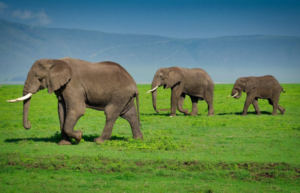
A photography Tanzania wildlife safari holiday offers the opportunity to capture animals in their natural surroundings, from elephants beneath ancient baobabs to wildebeest moving across open plains. Beyond individual wildlife portraits, Tanzania provides the landscapes, light, and animal interactions that help photographers tell a complete safari story.
Whether you travel with a professional camera or a smartphone, thoughtful planning makes a difference. Choosing suitable destinations, allowing enough time at sightings, and discussing your photography interests with your guide can help you return with memorable images.
Where to Go for Wildlife Photography
Serengeti National Park
The Serengeti offers broad landscapes that work beautifully for both wildlife portraits and photographs showing animals within their environment. Rather than filling every frame with a single subject, include the surrounding grassland, sky, or rocky outcrops to communicate a sense of place.
The Great Migration adds opportunities to photograph large herds and movement. However, the herds travel throughout the ecosystem, so your accommodation and route should match their likely seasonal location. Tanzania’s tourism authority describes the migration as a year-round event influenced by rainfall. Tanzania Tourism
Tarangire National Park
Tarangire is particularly appealing for elephant photography. Family groups, young calves, and baobab trees provide subjects for intimate portraits and wider compositions. During the dry season, animals gather around the Tarangire River as other water sources diminish. Tarangire National Park
Watch for interactions rather than photographing only standing animals. An elephant calf following its mother or a herd approaching water can create a stronger visual story.
Choosing Additional Destinations
Adding another park can introduce different habitats and subjects. For example, Ruaha combines baobab landscapes, rocky terrain, and river environments, with dry-season gatherings of elephants and buffalo around remaining water. It suits a separate southern Tanzania itinerary rather than a quick addition to the Northern Circuit. Ruaha National Park
When to Plan Your Photography Holiday
The best season depends on the photographs you want to create.
June to October: Dry conditions generally make wildlife easier to observe, particularly where animals gather near water. Tarangire is a strong choice during this period. Tarangire National Park
January and February: These months are associated with the Serengeti ecosystem’s calving season. Plan accommodation around the southern ecosystem if young wildebeest and herd activity are your priorities. TANAPA
Green-season travel: Fresh vegetation and dramatic weather can add colour and atmosphere to photographs. Rain may affect your plans, but changing skies can produce rewarding images. Tanzaniatourismuk
Wildlife movements and weather vary. Build flexibility into your itinerary, especially if your main goal is a particular migration scene.
Private or Shared Photography Safari?
A private safari gives your group more control over how long you spend at a sighting and which subjects receive attention. Discuss your priorities before booking: birds, predators, landscapes, or patient observation may each require a different pace.
A shared safari can suit casual photographers who also want an affordable wildlife holiday. However, stops and schedules must accommodate the whole group.
For dedicated photography, consider fewer passengers in the vehicle. Extra space makes it easier to handle long lenses and change shooting positions safely.
Suggested Seven-Day Photography Itinerary
This example suits a private Northern Circuit safari:
| Day | Plan | Photography focus |
|---|---|---|
| 1 | Arrive in Arusha and meet your guide | Equipment preparation and briefing |
| 2 | Explore Tarangire | Elephants, baobabs, and animal interactions |
| 3 | Travel to Central Serengeti | Landscapes and an introductory game drive |
| 4 | Full day in Serengeti | Patient observation and wildlife behaviour |
| 5 | Another Serengeti day | Different habitats and changing light |
| 6 | Morning photography, then travel toward Ngorongoro | Environmental portraits and scenery |
| 7 | Crater game drive and return to Arusha | Wildlife within the crater landscape |
Adapt this route if migration photography is your main objective. Avoid adding too many destinations at the expense of time with your subjects.
Camera Equipment and Practical Tips
Bring a telephoto lens for distant animals and a wider lens for landscapes. A versatile zoom is often easier to manage than repeatedly changing lenses in dusty conditions.
Useful accessories include spare batteries, memory cards, a lens cloth, dust protection, and a beanbag for support. Confirm charging facilities with your accommodation.
Start with a fast shutter speed for moving subjects and continuous autofocus when tracking action. Review images periodically to check sharpness and exposure. Early and late light often creates attractive colour and texture, so discuss access times and driving distances when choosing camps.
Photograph Wildlife Responsibly
Give animals space and allow your guide to position the vehicle safely. Never request an approach that blocks an animal’s route or changes its behaviour. TANAPA specifically advises generous distances around Tarangire’s elephants and buffalo and keeping their paths to water clear. Tarangire National Park
Patience often produces better photographs than chasing a sighting. Stay observant, keep noise low, and capture the behaviour that unfolds naturally.
Plan your photography Tanzania wildlife safari holiday with Kilipath African Safaris. Share your travel dates, preferred subjects, group size, and budget to receive a tailored itinerary.