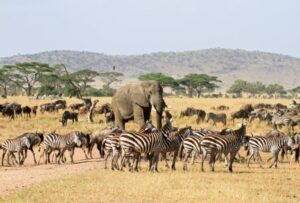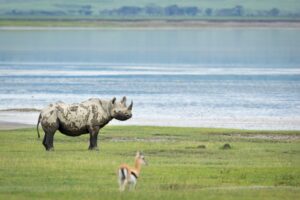
Tarangire’s elephants, baobab trees, and varied landscapes offer photographers plenty of subjects to explore. From a close view of an elephant’s textured skin to a wide landscape with wildlife beneath towering trees, the park provides opportunities to tell different visual stories.
Choosing a photography Tarangire safari company involves more than arranging transport into the park. Your guide, vehicle, pace, and time available for each sighting all influence your experience.
Kilipath African Safaris can help you plan a Tarangire visit around your photographic interests, whether you use a smartphone, a compact camera, or professional equipment.
Frequently Asked Questions
What makes Tarangire suitable for wildlife photography?
Tarangire combines wildlife photography with distinctive scenery. Elephants are a major attraction, while baobabs, woodland, grassland, and the Tarangire River provide varied backgrounds.
Possible photographic subjects include:
- Elephant herds and their interactions.
- Giraffes, zebras, and other grazing animals.
- Birds perched in trees or moving through the landscape.
- Predators when sightings and conditions allow.
- Wide scenes featuring wildlife and baobab trees.
Wildlife sightings are unpredictable. Allowing time to observe an animal often creates more interesting photographs than moving quickly between sightings.
What should I look for in a photography Tarangire safari company?
Look for a company that asks about your interests before proposing an itinerary. A traveler hoping to photograph birds may need a different pace from someone interested mainly in elephants or landscapes.
Before booking, discuss:
- Whether the safari is private or shared.
- How much time you will spend inside Tarangire.
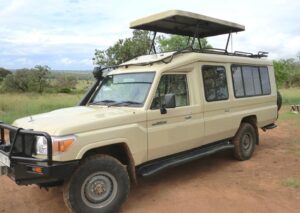
- Vehicle seating and room for camera equipment.
- Your preferred subjects and photography experience.
- Accommodation location and access to the park.
- What the quoted price includes.
Ask whether your guide has experience working with photographers. General wildlife guiding and photography instruction are different services, so clarify whether technical camera coaching is included.
Is a private safari better for photography?
A private safari gives you greater control over the pace of your game drive. You can spend longer observing a promising scene and discuss positioning with your guide, subject to park rules, road access, and other vehicles.
It is particularly useful when you carry bulky equipment or want to concentrate on specific subjects.
A shared safari can also provide good photographic opportunities, although stops and daily timing must accommodate the whole group. Tell your consultant about your priorities before selecting an option.
When is the best time to photograph wildlife in Tarangire?
The dry season generally offers opportunities to photograph animals gathering near remaining water sources. Vegetation is often thinner, which can make subjects easier to see.
Wetter periods bring greener scenery and different photographic possibilities, including dramatic skies and birdlife. Wildlife may be more dispersed, and conditions vary between visits.
Choose your travel period according to the photographs you hope to take, while keeping weather and wildlife behavior in mind.
What time of day offers good photographic light?
Early morning and late afternoon often provide softer light and warmer colors. Midday light can be more challenging, although it can still work for animal details, behavior, or black-and-white images.
Your actual photography time depends on accommodation location, transfers, and permitted park access. Discuss these details before booking, especially if early light is a priority.
What camera equipment should I bring?
Bring equipment you know how to use comfortably. A practical setup may include:
- A camera with a telephoto or versatile zoom lens.
- A wider lens for landscapes and environmental portraits.
- Spare batteries and memory cards.
- A protective bag and dust cover.
- Lens-cleaning supplies.
- A beanbag for support, where suitable for the vehicle.
A smartphone can capture landscapes and animals close to the vehicle. Avoid leaning outside or encouraging your guide to approach wildlife too closely for a photograph.
How many days should I spend in Tarangire?
A day trip provides an introduction to the park. A longer visit gives you more opportunities to revisit areas, observe behavior, and work with changing light.
For a dedicated photography trip, discuss an itinerary that allows enough time inside the park without filling the day with long transfers. The right duration depends on your interests and the rest of your Tanzania itinerary.
Can I combine Tarangire with other safari destinations?
Yes. Tarangire can form part of a northern Tanzania itinerary that includes Serengeti National Park, Ngorongoro Crater, or Lake Manyara National Park.
Allow sufficient time for travel between destinations. Photographers often benefit from spending longer in fewer places, giving them time to understand the setting and wait for interesting moments.
How much does a Tarangire photography safari cost?
The price depends on group size, trip length, accommodation, transport, and whether you choose a private or shared safari.
Request a written quotation that clearly identifies park fees, guiding, meals, accommodation, transfers, and any optional services. Dedicated photography arrangements or specialist instruction should be confirmed separately.
Can beginners book a photography safari?
Yes. You do not need professional equipment or advanced skills to enjoy photographing Tarangire.
Let your consultant know your experience level and whether you want technical instruction. If you need help with settings, composition, or editing, request a photography specialist when planning your trip.
How do I plan my safari with Kilipath African Safaris?
Send Kilipath African Safaris your travel dates, number of travelers, accommodation preference, and main photographic interests. Mention any large lenses or equipment that may require additional space.
Contact Kilipath African Safaris to request a personalized Tarangire photography itinerary and quotation, with time to observe wildlife and capture the moments that matter to you.