A photography Tarangire safari deal is designed for travelers who want more than a standard wildlife tour. It gives photographers sufficient time at sightings, flexible game-drive schedules and access to some of northern Tanzania’s most beautiful wildlife landscapes.
Tarangire National Park is famous for its large elephant herds, ancient baobab trees, seasonal wetlands and the wildlife-rich Tarangire River. The combination of animals, open landscapes and dramatic light makes it an outstanding destination for professional photographers, content creators and enthusiastic beginners.
Why Choose Tarangire for a Photography Safari?
Tarangire offers a remarkable variety of photographic opportunities within a relatively accessible area. You can capture intimate animal portraits, wide environmental scenes, birdlife, dramatic skies and iconic African landscapes.
The park is especially known for:
- Large elephant families
- Ancient baobab trees
- Lions, leopards and cheetahs
- Giraffes, zebras and wildebeest
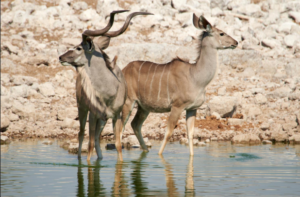
- Greater and lesser kudu
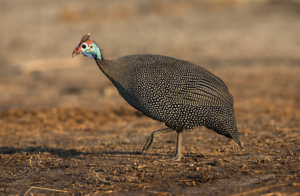
- More than 500 recorded bird species
- Beautiful sunrise and sunset light
- Seasonal wildlife gatherings along the Tarangire River
Tarangire is generally quieter than the Serengeti and Ngorongoro Crater. This can make it easier to find peaceful sightings and photograph animals without having too many vehicles in the background.
What Makes This a Photography Safari?
A regular safari normally follows a fixed schedule and may move quickly between sightings. A dedicated photography safari is arranged around light, wildlife behavior and the photographer’s creative goals.
Your experience can include:
- A private 4×4 Land Cruiser
- An experienced English-speaking safari guide
- Flexible time at important sightings
- Early departures for soft morning light
- Carefully selected photographic positions
- Space for cameras, lenses and equipment
- Charging sockets inside the vehicle
- A pop-up roof for clear viewing
- Window access for each photographer
- Beanbags or camera-support arrangements on request
The guide will help position the vehicle according to the available light while respecting park regulations, wildlife and other visitors.
Sample One-Day Tarangire Photography Safari
Early-Morning Departure from Arusha
Your guide collects you from your hotel in Arusha early in the morning. The journey to Tarangire National Park normally takes approximately two hours.
An early departure helps you enter the park when temperatures are cooler and wildlife is often more active. It also provides better opportunities to photograph the warm morning light.
Morning Photography Game Drive
After completing the entrance formalities, you begin your photography game drive. The guide searches for elephants, giraffes, zebras, antelopes, predators and interesting bird species.
Morning conditions are excellent for photographing:
- Animals feeding near the road
- Elephants walking between baobab trees
- Predators returning from nighttime activity
- Birds perched in clear morning light
- Wildlife reflections near seasonal water sources
Your guide will avoid unnecessary rushing, allowing you time to observe animal behavior and adjust your camera settings.
Lunch in the Park
A packed or hot lunch is served at a designated picnic area. Drinking water and non-alcoholic refreshments can be provided throughout the safari.
The lunch stop also gives you time to check your images, change batteries and prepare equipment for the afternoon session.
Afternoon Photography Game Drive
The afternoon game drive explores another section of Tarangire. Depending on the season, wildlife may gather near the river, swamps and permanent water sources.
As the sunlight becomes softer, you may photograph elephants, giraffes or antelopes against the golden landscape. After the game drive, you return to Arusha, usually arriving in the early evening.
Two-Day Tarangire Photography Safari
A two-day package gives you considerably more time inside the park. You can explore different habitats without feeling pressured to leave after only a few hours.
Day 1: Arusha to Tarangire National Park
Depart Arusha in the morning and drive to Tarangire. Spend the day photographing wildlife, baobab trees and landscapes. In the evening, travel to a selected lodge or tented camp for dinner and overnight accommodation.
Day 2: Morning Photography and Return to Arusha
Begin with an early breakfast followed by another game drive. Morning light offers a second chance to photograph elephants, predators and birds under favorable conditions. After lunch or an afternoon game drive, return to Arusha.
This option is recommended for travelers who want a relaxed photography experience and better chances of encountering different wildlife behavior.
Best Time for a Tarangire Photography Safari
Tarangire can be visited throughout the year, but every season creates different photographic opportunities.
June to October
The dry season is excellent for concentrated wildlife viewing. Animals gather around the Tarangire River and other remaining water sources.
Photographic advantages include:
- Large elephant herds
- Higher wildlife concentrations
- Clear vegetation in many areas
- Dusty and atmospheric wildlife scenes
- Better chances of predator sightings
July through October is particularly rewarding for photographers interested in elephants and classic dry-season landscapes.
November to March
Short rains transform the park into a greener environment. The scenery becomes colorful, migratory birds arrive and many herbivores give birth.
This period is excellent for:
- Green backgrounds
- Dramatic clouds
- Bird photography
- Newborn animals
- Fewer safari vehicles
Rain is usually experienced in short periods rather than continuously throughout the day.
April and May
These months generally receive heavier rainfall. Some areas may become difficult to access, but photographers can enjoy lush scenery, dramatic skies and fewer visitors. Accommodation prices may also be lower.
Wildlife You Can Photograph
Elephants
Tarangire is one of Tanzania’s most celebrated elephant destinations. Photographers may see large breeding herds, playful calves and solitary bulls.
The park’s enormous baobab trees provide spectacular backgrounds for wide-angle and environmental photographs.
Lions
Lions are regularly observed resting beneath trees, moving across open plains or watching prey near water sources. Patient photographers may capture hunting behavior and interactions within a pride.
Leopards and Cheetahs
Leopards and cheetahs are less predictable, but sightings are possible. Leopards may rest in trees or remain hidden near riverine vegetation, while cheetahs usually prefer more open areas.
Giraffes and Zebras
Giraffes photographed beside baobab trees create some of Tarangire’s most recognizable images. Zebra herds also offer excellent opportunities for patterns, movement and black-and-white photography.
Birdlife
With more than 500 recorded species, Tarangire is a superb bird-photography destination. Possible subjects include hornbills, ostriches, eagles, vultures, kingfishers and colorful bee-eaters.
A telephoto lens is useful for capturing birds without disturbing them.
Recommended Photography Equipment
You do not need professional equipment to enjoy the safari. Smartphones, compact cameras and beginner cameras can all produce memorable images. However, bringing suitable lenses will provide greater creative flexibility.
Recommended equipment includes:
- Camera with interchangeable lenses
- Telephoto lens between 200mm and 600mm
- Medium zoom lens such as 70–200mm
- Wide-angle lens for landscapes
- Spare batteries
- Extra memory cards
- Lens-cleaning cloth
- Dust-resistant camera bag
- Polarizing filter
- Camera beanbag
- Portable backup drive
Avoid changing lenses unnecessarily while driving because Tarangire can become dusty during the dry season.
Photography Safari Vehicle
Your photography safari uses a reliable 4×4 Land Cruiser designed for Tanzania’s wildlife areas. The pop-up roof provides excellent viewing and allows photographers to work from different angles.
Depending on the selected package, the vehicle may offer:
- Window seats
- Charging sockets or USB ports
- Cooler or refrigerator
- Radio communication
- Seatbelts
- First-aid kit
- Binoculars
- Additional space for photography equipment
A private safari is strongly recommended for serious photographers because it provides greater control over vehicle positioning and the amount of time spent at each sighting.
What Is Included?
A typical photography Tarangire safari deal includes:
- Private 4×4 safari vehicle
- Professional safari guide
- Tarangire National Park fees
- Game drives according to the itinerary
- Drinking water
- Meals stated in the itinerary
- Hotel pickup and drop-off in Arusha
- Government taxes and levies
- Accommodation for overnight packages
- Camping equipment when booking a camping option
What Is Not Included?
The package normally excludes:
- International and domestic flights
- Tanzania visa fees
- Travel and medical insurance
- Alcoholic beverages
- Personal purchases
- Guide gratuities
- Laundry services
- Optional activities
- Additional accommodation outside the itinerary
Always check your final quotation because inclusions may vary according to the package and accommodation category.
Private Versus Shared Photography Safari
A shared safari is affordable, but other travelers may have different interests and schedules. The vehicle may need to leave a sighting before you have finished photographing it.
A private safari is therefore the best option for:
- Professional photographers
- Wildlife filmmakers
- Content creators
- Travelers carrying large equipment
- Guests requiring specific vehicle positions
- Photographers who want extended time at sightings
Private safaris also make it easier to depart early, concentrate on particular species and adjust the itinerary according to conditions.
Accommodation Options
Photography packages can be arranged according to different budgets.
Camping
Public camping offers an adventurous and affordable safari experience. Tents, mattresses, sleeping bags and meals can be arranged. Bathroom facilities are shared.
Mid-Range Lodge
Mid-range lodges provide comfortable rooms, private bathrooms and reliable meals. They are suitable for photographers who want comfort while controlling the overall cost.
Luxury Lodge or Tented Camp
Luxury properties offer spacious accommodation, excellent service and beautiful locations. Some camps are positioned close to park entrances, reducing driving time and allowing earlier access to wildlife areas.
Photography Tips for Tarangire
- Use a fast shutter speed when photographing moving animals.
- Focus on the animal’s eyes for portraits.
- Include baobab trees to show the surrounding environment.
- Photograph during early morning and late afternoon.
- Use continuous shooting for action scenes.
- Keep your camera ready because sightings can appear suddenly.
- Ask the guide before changing the vehicle’s position.
- Carry sufficient batteries and memory cards.
- Protect your equipment from dust.
- Avoid making sounds that could disturb wildlife.
Remember that patience is one of the most important skills in wildlife photography. Spending additional time with an animal can reveal interesting behavior and produce more meaningful images.
Responsible Wildlife Photography
Wildlife welfare must always come before obtaining a photograph. Visitors should never pressure guides to drive off-road illegally, block an animal’s movement or approach wildlife too closely.
Responsible photography includes:
- Remaining inside the safari vehicle
- Following the guide’s instructions
- Avoiding loud noises
- Never feeding animals
- Respecting other safari vehicles
- Avoiding flash photography near sensitive wildlife
- Maintaining appropriate viewing distances
Ethical behavior protects the park and creates a safer experience for visitors and animals.
What to Wear
Wear comfortable, lightweight clothing in neutral colors such as khaki, beige, brown or green. Avoid dark blue and black in areas where tsetse flies may be present.
You should also bring:
- Sun hat
- Sunglasses
- Sunscreen
- Closed shoes
- Light jacket
- Insect repellent
- Small daypack
Morning drives can feel cool, while midday temperatures may become warm.
Combining Tarangire with Other Destinations
Your photography safari can be combined with:
- Serengeti National Park
- Ngorongoro Crater
- Lake Manyara National Park
- Lake Natron
- Arusha National Park
- Zanzibar Island
- A Mount Kilimanjaro day hike
A multi-day northern circuit safari creates opportunities to photograph different habitats and wildlife species.
Why Book with a Local Safari Company?
Booking with an experienced Tanzania-based company provides local knowledge, direct communication and practical support throughout your journey.
Your safari can be customized according to:
- Travel dates
- Photography experience
- Preferred wildlife
- Accommodation category
- Group size
- Dietary requirements
- Airport arrangements
- Available budget
The team can also recommend the most suitable route based on seasonal wildlife movements and current park conditions.
Book Your Photography Tarangire Safari Deal
A photography Tarangire safari deal gives you the time, flexibility and professional support needed to capture Tanzania’s wildlife responsibly. From elephants walking beneath giant baobabs to lions resting near the river, every game drive offers new creative possibilities.
Contact Kilipath African Safaris with your preferred travel dates, number of travelers, accommodation level and photography requirements. We will prepare a personalized quotation and itinerary for your Tarangire photography adventure.