

Budget Ngorongoro Crater Safari Holiday
Planning a budget Ngorongoro Crater safari holiday from Arusha? Compare a crater day trip, a two-day Tarangire and Ngorongoro safari, or a…
Read articleArusha City - Tanzania
Safari & Travel Tips
July 20, 2026 · 15 min read
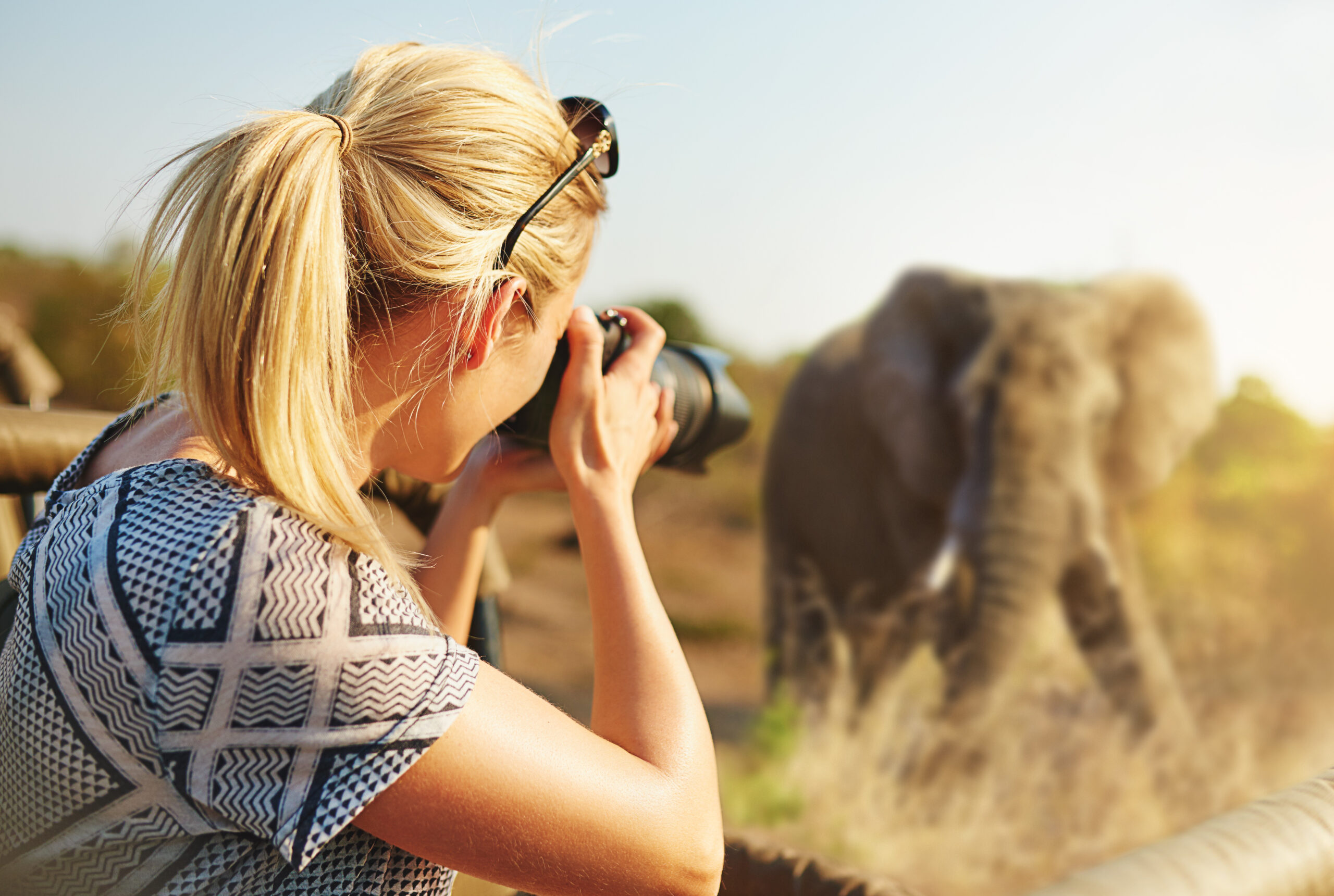
Tarangire National Park is one of Tanzania’s most rewarding destinations for wildlife photography. Famous for its enormous elephant herds, ancient baobab trees, seasonal wetlands, dramatic landscapes, and diverse wildlife, the park gives photographers countless opportunities to capture the beauty of Africa.
A photography Tarangire safari is ideal for professional photographers, content creators, wildlife enthusiasts, couples, families, and first-time safari travelers. Whether you want a close-up portrait of an elephant, a lion resting beneath an acacia tree, or a wide landscape filled with baobabs, Tarangire offers an extraordinary natural setting.
At Kilipath African Safaris, we organize private and customized photography safaris designed around light, wildlife behavior, positioning, and your personal photography goals. Our experienced safari guides understand that a great photograph often requires time, patience, and the right angle.
Tarangire National Park offers a distinctive combination of abundant wildlife and beautiful scenery. Although it is often included as part of Tanzania’s Northern Safari Circuit, Tarangire deserves more than a quick visit—especially for photographers.
The park is approximately a two-hour drive from Arusha, making it accessible for a day trip or a longer safari. However, spending at least two days in the park provides more time to explore different habitats and photograph animals during the best morning and evening light.
Here are some of the main reasons to choose a Tarangire photography safari:
Tarangire is widely known for its elephants. Visitors can encounter individuals, family groups, and large herds moving between woodland areas and the Tarangire River.
Elephants are among the most expressive animals to photograph. Their close family relationships, protective behavior, playful calves, textured skin, and powerful movements create compelling visual stories.
During your photography safari, you may have opportunities to capture:
Our guides carefully position the safari vehicle while respecting the animals’ space. The goal is to give you a clear photographic angle without disturbing natural behavior.
The ancient baobab trees are one of Tarangire’s most recognizable features. Their enormous trunks and unusual shapes create dramatic compositions, especially when photographed with elephants, giraffes, or a colorful sky.
Baobabs can be photographed in many creative ways. A wide-angle lens can capture the full scale of the tree and its surroundings, while a telephoto lens can compress an animal and a distant baobab into a powerful composition.
Early mornings often bring soft light, gentle shadows, and atmospheric scenes. In the evening, the trees can become striking silhouettes against a golden or orange sky.
For landscape photographers, Tarangire provides:
Although elephants are the park’s most celebrated residents, Tarangire supports an impressive variety of wildlife.
Depending on the season and location, you may photograph:
Wildlife sightings can never be guaranteed because the animals move freely within their natural environment. However, traveling with an experienced guide improves your chances of finding and photographing memorable subjects.
Our guides look for tracks, alarm calls, animal behavior, and information from other professional guides to locate wildlife while allowing enough time for photography.
Tarangire is also an excellent destination for bird lovers. Its woodlands, grasslands, wetlands, and river habitats support hundreds of bird species.
Bird photographers may encounter colorful, rare, and unusual subjects, including:
Photographing birds requires patience and quick reactions. A long telephoto lens is particularly useful for smaller birds and birds in flight.
A private safari is recommended for dedicated bird photographers because it allows the guide to stop whenever an interesting subject appears.
Tarangire can be visited throughout the year, but each season offers different photographic conditions.
The dry season is one of the most popular periods for wildlife photography. As water becomes limited, animals gather around the Tarangire River and other remaining water sources.
Photographic advantages include:
July, August, September, and October are generally busy travel months. Booking accommodation and private photography vehicles early is strongly recommended.
The green season transforms Tarangire into a lush and colorful landscape. The scenery becomes vibrant, migratory birds arrive, and many animals give birth.
This season is excellent for photographers who appreciate dramatic skies, green backgrounds, newborn animals, and fewer visitors.
Photographic advantages include:
Short rains usually occur around November and December, while the longer rainy period generally falls between March and May. Rain patterns can vary from year to year.
Light is one of the most important elements in wildlife photography. The best conditions are usually found during the early morning and late afternoon, when the light is warmer and softer.
Morning game drives can provide opportunities to photograph:
Late-afternoon drives offer:
The midday light can be more challenging, but it can still produce excellent images. Elephants at a waterhole, birds in flight, animal interactions, and close-up portraits can all be photographed during the middle of the day.
Our private photography itineraries prioritize the hours that offer the best combination of light and wildlife activity.
The quality of the safari vehicle can have a major impact on your photography experience. Our safaris use 4x4 Land Cruisers designed for Tanzania’s national parks.
Vehicle features may include:
For private photography safaris, we can limit the number of passengers to create more space for equipment and easier movement between viewing positions.
Please tell us in advance if you are traveling with large lenses, tripods, monopods, drones, or multiple camera bodies. This helps us select the most suitable vehicle arrangement.
You do not need professional equipment to enjoy a photography safari. Modern smartphones and compact cameras can produce impressive images, especially for landscapes and nearby animals.
However, interchangeable-lens cameras provide greater flexibility.
A useful photography safari kit may include:
A zoom lens is especially practical because animals can quickly change their distance from the vehicle.
Consider bringing:
Changing lenses frequently can allow dust to enter the camera. When possible, travel with two camera bodies fitted with different lenses.
Wild animals can move unexpectedly. A fast shutter speed helps freeze movement and reduces blur caused by camera shake inside the safari vehicle.
For walking animals, consider starting around 1/1000 of a second. Birds in flight or rapidly moving wildlife may require even faster settings.
For animal portraits, the eyes should usually be the sharpest part of the image. Animal eye-detection autofocus can be helpful if your camera supports it.
A technically perfect portrait is beautiful, but behavior often creates a more powerful story. Watch for animals playing, feeding, grooming, hunting, communicating, or caring for their young.
Not every photograph needs to be a close-up. Including baobabs, grasslands, clouds, and distant hills gives context and creates a sense of place.
Photograph both horizontally and vertically. Vertical images are useful for portraits, social media, magazine covers, and website designs.
If an animal is walking or looking in a particular direction, leave space in front of it within the frame. This often creates a more balanced composition.
Excellent wildlife photography rarely comes from rushing. Sometimes the best approach is to wait quietly and observe how a situation develops.
Responsible photography protects the animals, the environment, and the quality of the safari experience.
During your Tarangire safari, travelers should:
A responsible photograph should never come at the expense of an animal’s safety or natural behavior.
Do not bring or operate a drone inside Tarangire National Park without the required official permissions. Drone use in protected areas is strictly controlled and may involve authorization from several relevant authorities.
Travelers should never assume that recreational drone use is permitted. If aerial photography is essential to your project, contact Kilipath African Safaris well before your trip so that we can advise you about the applicable process. Approval is not guaranteed.
A one-day safari is possible, particularly for visitors with limited time. However, photographers benefit from spending two or three days in or near the park.
This option works well for travelers staying in Arusha who want a short wildlife experience. You will leave early in the morning, enjoy a game drive, have lunch, and return in the evening.
The disadvantage is that there is limited flexibility if wildlife activity or light conditions are not ideal.
Two days provide a more relaxed experience and opportunities to photograph different areas of the park. You can enjoy afternoon light on the first day and morning light on the second day.
Three days are excellent for travelers who want to explore more remote areas, dedicate time to elephants or birds, and increase their chances of experiencing different wildlife situations.
For a broader Tanzania photography experience, Tarangire can also be combined with Lake Manyara, Ngorongoro Crater, and Serengeti National Park.
Your professional safari guide will collect you from your hotel in Arusha in the morning. After a short briefing, you will drive toward Tarangire National Park.
Once inside the park, the photography experience begins. Your guide will explore productive wildlife areas while monitoring light, animal activity, and vehicle positioning.
You may photograph elephants, giraffes, zebras, antelopes, birds, and the park’s famous baobab landscapes. Lunch will be served at a suitable picnic area before you continue with an afternoon game drive.
Later, you will travel to your selected lodge, tented camp, or campsite for dinner and an overnight stay.
After an early breakfast, you will begin another game drive when wildlife is active and the light is soft.
The morning may be dedicated to elephant herds, predators, birds, or landscape compositions, depending on your photography interests and current wildlife movements.
After lunch and a final game drive, you will leave Tarangire and return to Arusha. Airport transfer or an additional hotel night can be arranged according to your travel schedule.
For travelers who want more variety, we can organize a multi-park photography itinerary.
Travel from Arusha to Tarangire for an afternoon wildlife photography drive. Overnight near or inside the park.
Enjoy additional morning photography before continuing toward Serengeti National Park. Photograph wildlife and landscapes along the way.
Spend the day exploring the Serengeti, with attention given to predators, grazing animals, birdlife, and seasonal wildlife movements.
Descend into Ngorongoro Crater for a final game drive. Photograph wildlife against the crater walls before returning to Arusha.
The exact program can be adjusted according to your available time, accommodation preference, travel season, and photography goals.
Kilipath African Safaris can arrange different accommodation levels for your Tarangire safari.
Camping is suitable for adventurous photographers who want to stay close to nature while keeping costs manageable.
A camping safari may include:
Midrange accommodation provides comfortable rooms or permanent tents, private bathrooms, good meals, and convenient access to the safari areas.
This option offers a comfortable balance between price and experience.
Luxury lodges and camps may offer spacious rooms, beautiful views, personalized service, swimming pools, premium dining, and scenic locations.
Some properties are positioned near wildlife corridors or overlook natural landscapes, creating additional photography opportunities from the lodge.
Accommodation is subject to availability, especially during the high season.
A customized photography Tarangire safari with Kilipath African Safaris can include:
Your final itinerary will clearly show all included services.
Unless specifically stated, the following may not be included:
We recommend reviewing your quotation carefully before confirming the booking.
Safari clothing should be comfortable, practical, and suitable for changing temperatures.
Pack:
Early mornings can be cool, while midday temperatures may become warm. Dressing in layers allows you to adjust throughout the day.
Avoid very bright colors when possible. Neutral colors such as khaki, green, beige, and brown are practical for safari travel.
Tarangire can become dusty during the dry season. Fine dust may enter camera bags, collect on lenses, and affect camera sensors.
To protect your equipment:
Do not leave cameras exposed to direct sunlight for long periods, particularly inside a stationary vehicle.
You do not need to be an experienced photographer to join our safari. Beginners are welcome, and our guides can help with vehicle positioning, animal observation, and anticipating behavior.
Before traveling, familiarize yourself with:
Practicing with birds, pets, or moving vehicles before your trip can help you become more comfortable with your camera.
Most importantly, do not spend the entire safari looking through the viewfinder. Take time to watch the animals and enjoy the experience with your own eyes.
Professional photographers may require a more specialized itinerary. We can customize the safari based on your assignment, portfolio goals, preferred species, equipment, and production schedule.
Possible arrangements include:
Please provide complete information about your project when requesting a quotation.
This combination provides contrasting landscapes and wildlife experiences. Tarangire offers elephants and baobabs, while Ngorongoro provides concentrated wildlife within a dramatic volcanic setting.
Combining these parks creates a comprehensive wildlife photography journey. The Serengeti is known for its open plains, predators, and seasonal wildebeest migration.
Lake Manyara offers groundwater forest, escarpment scenery, birdlife, and lake environments. It can be added to a short Northern Circuit safari.
After several days of wildlife photography, travelers can fly to Zanzibar for beaches, culture, architecture, and coastal photography.
Kilipath African Safaris can coordinate the safari, domestic flights, airport transfers, and Zanzibar extensions.
Choosing the right safari company is essential for a successful photography trip. Kilipath African Safaris is based in Tanzania and understands the local parks, seasons, roads, wildlife areas, and logistical requirements.
When you travel with us, you receive:
We take time to understand what you want to photograph and design the itinerary accordingly.
A photography Tarangire safari is more than an opportunity to take pictures. It is a chance to observe elephant families, wait quietly beside ancient baobabs, watch birds fill the sky, and preserve the beauty of Tanzania through your own creative perspective.
Whether you are planning your first safari or working on a professional wildlife portfolio, Kilipath African Safaris can create an itinerary that matches your interests, travel dates, accommodation style, and budget.
Planning a budget Ngorongoro Crater safari holiday from Arusha? Compare a crater day trip, a two-day Tarangire and Ngorongoro safari, or a…
Read articleA Lake Manyara safari can cost USD 150–220 per person for a shared day trip from Arusha. A published example of a…
Read articleA Tanzania safari from Zanzibar can mean a short mainland trip during your beach holiday or a complete package with flights, game…
Read articleLooking for a group Tanzania safari price from Kilipath African Safaris? A published example for our four-day shared camping safari through Tarangire,…
Read article

