Lake Manyara vs. Nyerere Safari Prices | Tanzania Guide
A Lake Manyara safari can cost USD 150–220 per person for a shared day trip from Arusha. A published example of a…
Read articleArusha City - Tanzania
Safari & Travel Tips
September 19, 2026 · 10 min read
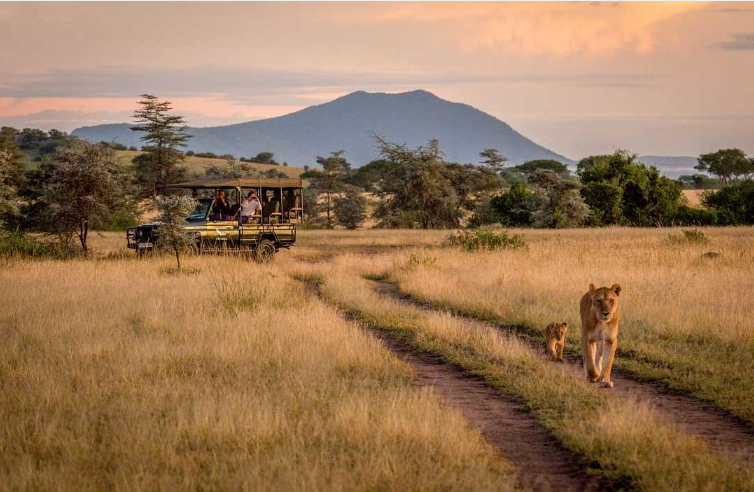
A premium Lake Manyara safari offers a memorable combination of wildlife, beautiful scenery, personalized service, comfortable accommodation, and one of the most distinctive environments on Tanzania's Northern Safari Circuit. Located beneath the dramatic Great Rift Valley escarpment, Lake Manyara National Park is known for its groundwater forest, alkaline lake, elephants, primates, prolific birdlife, hippos, and famous tree-climbing lions.
Although travelers sometimes visit Lake Manyara for only a few hours while traveling between Arusha and Ngorongoro, a premium safari allows you to experience the park at a more relaxed pace. Instead of rushing through a short game drive, you can spend more time observing wildlife, photographing the landscape, enjoying carefully planned meals, and combining your visit with high-quality accommodation around Manyara, Mto wa Mbu, or the nearby highlands.
Lake Manyara National Park covers approximately 648.7 square kilometers and contains a remarkably varied collection of habitats, including groundwater forest, acacia woodland, floodplains, wetlands, hot springs, and the alkaline lake itself.
For travelers looking for comfort without losing the adventurous spirit of an African safari, Lake Manyara can be an excellent addition to a luxury or premium Tanzania itinerary.
Lake Manyara is different from Tanzania's large open savannah parks.
Soon after entering the park, visitors encounter lush groundwater forest fed by springs emerging from the Rift Valley. Baboons and blue monkeys are commonly associated with this forest habitat, while birds move among the large trees.
As the safari continues, the vegetation changes into woodland, wetlands, open areas, and lakeshore environments. This diversity means travelers can experience several different landscapes within a relatively compact park.
Tanzania National Parks describes Lake Manyara as habitat for elephants, giraffes, buffaloes, zebras, wildebeest, hippos and many bird species, alongside its well-known lions. More than 400 bird species have been recorded in the area according to TANAPA's wildlife information.
This combination of wildlife and scenery is one reason Lake Manyara works particularly well for photographers, honeymooners, families and travelers who want something different from the Serengeti's vast plains.
One of the most famous attractions associated with a premium Lake Manyara safari is the possibility of seeing lions resting in trees.
Lake Manyara has long been known for this unusual lion behavior. During a game drive, guides carefully scan acacia branches and surrounding woodland for lions resting above ground.
However, visitors should remember that these are completely wild animals. Finding lions in trees cannot be guaranteed.
That unpredictability is part of what makes the experience exciting. One day you may encounter lions resting among branches; another day the highlight could be elephants crossing directly in front of your vehicle or a large troop of baboons moving through the forest.
A knowledgeable private guide can significantly improve the experience by interpreting tracks, animal behavior, bird calls and information shared between guides in the park.
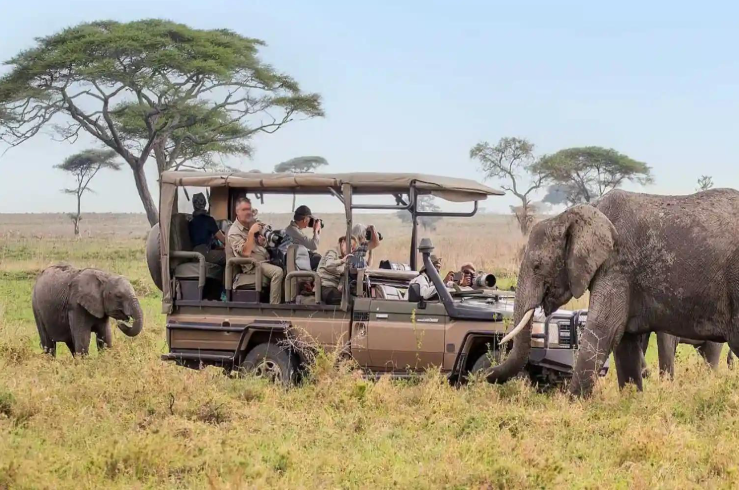
Elephants are another major attraction of Lake Manyara.
The combination of forest, woodland and water sources provides suitable habitat, and safari visitors may encounter family groups moving between feeding areas. TANAPA specifically highlights Lake Manyara's elephants among its important wildlife attractions.
Watching elephants in the greener sections of Manyara feels very different from seeing them on an open plain.
They may suddenly appear between trees only a short distance from the road. Calves can sometimes be seen moving closely beside adults while larger elephants feed on branches and vegetation.
With a private premium safari vehicle, your guide can spend time observing the herd from an appropriate distance rather than quickly moving on to follow a fixed schedule.
Lake Manyara is one of Tanzania's famous birdwatching destinations.
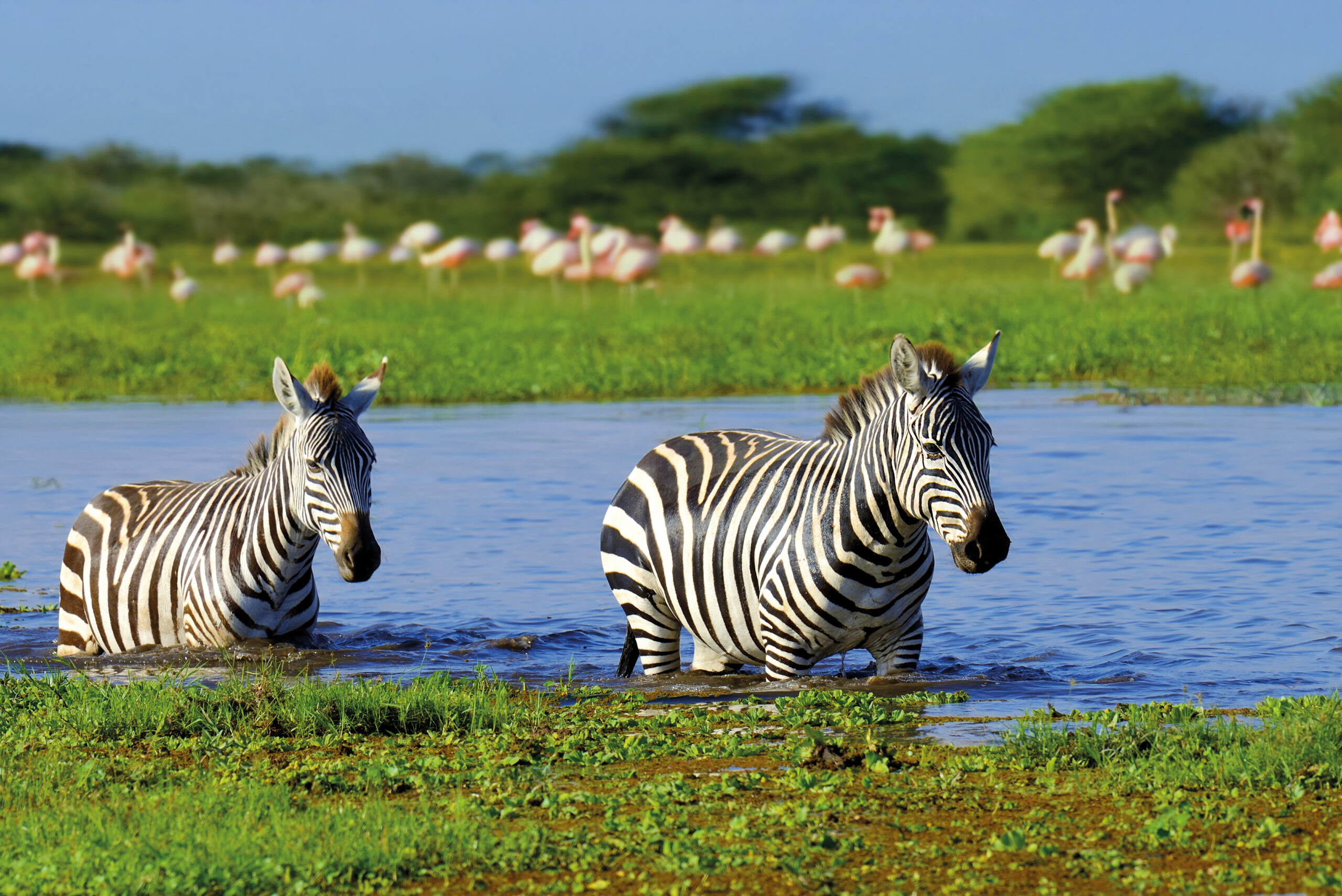
The alkaline lake can attract lesser and greater flamingos as well as pelicans and numerous other waterbirds. Flamingo numbers are seasonal and variable, so travelers should not assume that enormous concentrations will always be present.
Even when flamingo numbers are lower, the park still offers excellent birding.
Travelers may encounter storks, herons, spoonbills, bee-eaters, fish eagles and many other species across the forests, wetlands and woodland habitats.
For serious bird photographers, arranging a private vehicle is particularly useful. You can ask your guide to stop for smaller species that might otherwise receive less attention during a general wildlife safari.
Wildlife is only one part of Lake Manyara's appeal.
The enormous Great Rift Valley escarpment rises behind the park, producing one of the most recognizable landscapes on Tanzania's northern circuit. The contrast between the escarpment, forest and lake creates beautiful opportunities for landscape photography.
Many premium accommodations around the Manyara area take advantage of this landscape, offering views across the valley or surrounding countryside.
For honeymooners and couples, staying overnight instead of making only a quick day visit can transform the experience. After the game drive, you can relax at your lodge, enjoy dinner, and watch the landscape change in the evening light.
For many travelers, one full safari day provides a good introduction to Lake Manyara.
Because the park is comparatively compact, it can easily be incorporated into a Northern Tanzania safari.
However, travelers wanting a slower premium experience may stay one or two nights in the area. This makes it easier to combine wildlife viewing with cultural activities, relaxation and scenic experiences.
The park is also conveniently positioned for onward travel toward Ngorongoro.
Lake Manyara's main entrance is close to Mto wa Mbu, and TANAPA estimates the road journey from Arusha at approximately 125 kilometers or 2–2.5 hours, depending on conditions.
This accessibility makes Manyara suitable for both standalone excursions and longer multi-park itineraries.
Yes. Lake Manyara can be an excellent choice for families because visitors can experience varied wildlife without needing to cover the enormous distances sometimes required in larger parks.
Children may particularly enjoy elephants, baboons, monkeys, giraffes and hippos.
The changing scenery also helps keep the game drive interesting.
Premium family safaris can be planned around a more flexible daily rhythm, including comfortable meal stops and accommodation with family rooms where available.
Parents should still follow normal safari safety rules and ensure that children listen carefully to the guide, particularly around wildlife and designated viewing areas.
Lake Manyara fits naturally into a romantic Tanzania itinerary.
Couples can combine a private game drive with a scenic lodge, leisurely dinner and onward travel to Ngorongoro or Serengeti.
The destination is particularly attractive for couples who want more than continuous game driving. A premium itinerary can leave space to relax at the lodge, enjoy the views and spend time together without feeling rushed.
Many honeymoon travelers combine Lake Manyara with Serengeti wildlife viewing and a Zanzibar beach holiday, creating a journey that includes forest, savannah, volcanic landscapes and the Indian Ocean.
One of Manyara's greatest advantages is its position within Tanzania's Northern Safari Circuit.
A typical premium route can begin from Arusha and continue through Tarangire, Lake Manyara, Ngorongoro and the Serengeti.
Tarangire provides wide landscapes, baobab scenery and particularly strong elephant viewing, while Ngorongoro offers the unique experience of descending onto the crater floor. Serengeti provides expansive plains and longer game-drive opportunities.
Lake Manyara adds something different: forest, wetlands, escarpment scenery and a compact ecosystem.
Instead of viewing these destinations as competitors, travelers often get the best experience by combining them.
Premium travel should also be responsible travel.
Lake Manyara contains sensitive forests, wetlands and lakeshore ecosystems. Visitors should remain on designated roads and boardwalks, avoid feeding animals, maintain appropriate wildlife-viewing distances and follow ranger and guide instructions.
TANAPA particularly advises visitors to avoid disturbing wildlife around bird roosts and hippo pools and to remain inside vehicles except at designated areas.
Choosing responsible operators and respecting park regulations helps protect the wildlife that makes a Lake Manyara safari possible.
A Lake Manyara safari can cost USD 150–220 per person for a shared day trip from Arusha. A published example of a…
Read articlePlanning a Tanzania safari that combines Lake Manyara National Park and Nyerere National Park is an excellent way to experience the country's…
Read articlePlanning an unforgettable African wildlife adventure from Zanzibar? Understanding the Tanzania safari package Zanzibar price is an important first step toward choosing…
Read articlePlanning an African wildlife adventure? Understanding the group Tanzania safari price is an important step toward choosing an affordable and unforgettable safari…
Read article