A private Tanzania safari tour vacation gives you the freedom to explore the country’s wildlife, landscapes, and cultures at your own pace. Instead of following a fixed group schedule, you travel in a dedicated 4×4 vehicle with your own professional guide. You can spend longer watching lions, stop whenever you want for photographs, and choose an itinerary that matches your interests, comfort level, and budget.
Tanzania is one of Africa’s most rewarding safari destinations. The country is home to the Serengeti, Ngorongoro Crater, Tarangire, Lake Manyara, Nyerere, Ruaha, and several quieter reserves. It also offers excellent combinations with Mount Kilimanjaro, cultural experiences, and the beaches of Zanzibar.
This guide explains how private safaris work, where to go, how many days to plan, what affects the price, and how to create a smooth and memorable journey.
What Is a Private Tanzania Safari?
A private safari is a tailor-made wildlife trip in which the vehicle and guide are reserved exclusively for you and your travel companions. You do not share the vehicle with travelers outside your booking.
Most northern-circuit road safaris use a specially adapted 4×4 Land Cruiser with a pop-up roof. The raised roof makes it easier to stand, observe animals, and take photographs while remaining inside the vehicle. Depending on the operator and vehicle, common features may include charging points, seat belts, a cooler or refrigerator, binoculars, and radio communication.
Private travel is ideal for couples, families, honeymooners, photographers, multigenerational groups, and anyone who prefers flexibility. Your guide can adjust the rhythm of each day within park rules and practical travel limits. If you want an early start, a relaxed lunch, or more time at a special sighting, a private arrangement makes that much easier.
Why Choose a Private Tanzania Safari Tour Vacation?
The main advantage is control over your experience. On a shared safari, the group must generally agree on departure times, stops, and how long to remain at sightings. On a private tour, the plan revolves around your party.
Flexible daily schedule
You can discuss departure times with your guide and shape the day around your priorities. Wildlife photographers may prefer very early mornings and longer stops, while families with young children may want shorter game drives and more breaks.
Your own vehicle and guide
A dedicated vehicle provides more personal space and easier access to windows. Your guide can focus on the animals, landscapes, and subjects that interest you most, whether that means big cats, elephants, birds, migration herds, or photography.
Tailor-made accommodation
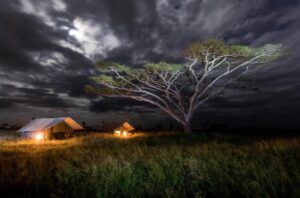
Private itineraries can combine public camping, permanent tented camps, mid-range lodges, luxury properties, and exclusive safari camps. You can also mix comfort levels—for example, using a well-located tented camp in the Serengeti and a lodge near Ngorongoro.
Better fit for special occasions
Honeymoons, anniversaries, birthdays, and family celebrations benefit from privacy and customization. Optional additions may include a balloon safari, a private bush meal, a cultural visit, or a beach extension in Zanzibar.
Access to more complex routes
Private tours can reach areas that are difficult to include on short shared departures. Examples include the northern Serengeti during the river-crossing season, the Ndutu region during calving season, Lake Natron, and combinations involving remote camps or domestic flights.
Best Safari Destinations in Tanzania
The right parks depend on your travel dates, number of days, and wildlife priorities.
Serengeti National Park
The Serengeti is famous for its open plains, abundant predators, and the wider Great Migration ecosystem. Central Serengeti offers productive wildlife viewing throughout the year. Seasonal routes may also visit the Ndutu area in the south or the northern Serengeti near the Mara River.
Allow enough time to enjoy the park. A rushed single-night visit involves long drives, while two or three nights create more opportunities for wildlife sightings and a more relaxed pace.
Ngorongoro Crater
The Ngorongoro Crater has a remarkable concentration of wildlife within a dramatic volcanic landscape. A typical crater visit begins early and includes a descent to the crater floor for a game drive. Travelers may see lions, elephants, buffaloes, zebras, wildebeest, hippos, and, with luck, black rhinos.
Accommodation is available on or near the crater rim and in the Karatu area. Rim properties offer convenient access, while Karatu often provides greater variety and value.
Tarangire National Park
Tarangire is known for elephants, ancient baobab trees, and the Tarangire River. During the dry season, animals gather near reliable water sources, producing excellent viewing. The park is a strong first or final stop on a northern safari because it is relatively accessible from Arusha.
Elephants and baobab trees are among Tarangire’s signature sights. Photo: Ker & Downey.
Lake Manyara National Park
Lake Manyara combines groundwater forest, woodland, escarpment scenery, and lake habitats. It is often included in shorter northern itineraries. Wildlife conditions can vary with water levels, so it is wise to ask your operator whether Manyara or additional time in Tarangire, Serengeti, or Ngorongoro best suits your dates.
Nyerere National Park
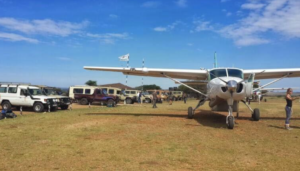
Nyerere, formerly part of the Selous Game Reserve, offers a different style of safari in southern Tanzania. Depending on current regulations and camp operations, itineraries may combine vehicle-based wildlife viewing with boat trips and guided walks. The park is often reached by light aircraft from Dar es Salaam or Zanzibar.
Ruaha National Park
Ruaha is an excellent choice for experienced safari travelers and visitors seeking a quieter wilderness. It is celebrated for elephants, predators, baobab landscapes, and fewer vehicles than the busiest northern parks. Fly-in itineraries are usually the most convenient.
When Is the Best Time to Visit?
Tanzania can deliver rewarding wildlife experiences throughout the year, but seasons influence animal movement, road conditions, scenery, and price.
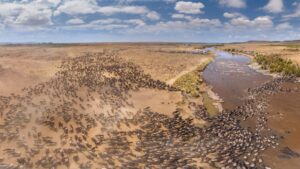
The long dry season, generally from June to October, is popular because vegetation becomes thinner and wildlife concentrates around water. July through October is also the broad period associated with migration activity in the northern Serengeti, although river crossings are natural events and can never be guaranteed.
From roughly December to March, large herds are often found in the southern Serengeti and Ndutu ecosystem. Calving activity is usually strongest around January and February, attracting predators and wildlife photographers.
The green season brings dramatic skies, fresh landscapes, birdlife, and often better value. The heavier rains usually occur around March to May, though weather patterns vary from year to year. Some remote camps may close temporarily, and road travel can become slower.
For the best decision, choose the region according to the season rather than selecting a famous camp first and forcing it into the wrong route.
Recommended Private Safari Itineraries
Three-day introduction
A three-day safari can combine Tarangire, Ngorongoro Crater, and Lake Manyara, or focus on Serengeti and Ngorongoro. It works well for travelers with limited time, but driving distances must be planned carefully.
Four-day classic northern safari
A popular route includes Tarangire, Serengeti, and Ngorongoro. This is a strong introduction to northern Tanzania, although a longer trip will provide more time in the Serengeti.
Five- to six-day balanced safari
Five or six days allow a more comfortable pace. A sample route might include Tarangire, two or three nights in the Serengeti, and Ngorongoro Crater. Lake Manyara can be added when it supports the route and seasonal conditions.
Seven- to nine-day migration journey
A longer safari can combine Tarangire, Ngorongoro, central Serengeti, and a seasonal migration area such as Ndutu or northern Serengeti. Internal flights may reduce long return drives and help maximize game-viewing time.
Safari and Zanzibar combination
Many travelers finish their safari with four to seven nights in Zanzibar. Flights connect the safari circuit with the islands, making it possible to combine wildlife, Stone Town, cultural experiences, and beaches in one holiday.
Sample Seven-Day Private Tanzania Safari
Day 1: Arusha to Tarangire
Meet your private guide and drive to Tarangire for an afternoon game drive. Look for elephant families, giraffes, antelopes, and baobab scenery.
Day 2: Tarangire to Serengeti
Travel toward the Serengeti, with scenic stops along the way. Enter the park and enjoy a game drive en route to camp.
Day 3: Full day in Serengeti
Explore wildlife-rich areas with a schedule shaped around current sightings. An optional balloon safari may be arranged in advance.
Day 4: Another Serengeti exploration day
Use the flexibility of a private vehicle to focus on predators, migration herds, birdlife, or photography.
Day 5: Serengeti to Ngorongoro area
Enjoy a final Serengeti game drive before continuing toward the Ngorongoro Conservation Area or Karatu.
Day 6: Ngorongoro Crater
Descend early for a crater-floor game drive, then return to your lodge for a relaxed evening.
The Ngorongoro Crater supports varied wildlife within a spectacular caldera. Photo: Wildlife Worldwide.
Day 7: Return to Arusha
Drive back to Arusha, with an optional cultural, coffee, or local-market experience depending on timing.
This outline can be modified for different seasons, flight schedules, and accommodation preferences.
How Much Does a Private Tanzania Safari Cost?
There is no single fixed price because private safari costs depend on the route, season, group size, accommodation, park fees, and transport method. A private trip for two usually costs more per person than the same trip for four or six because vehicle and guide expenses are shared among fewer travelers.
As a broad planning range, a private safari may start around USD 400–700 per person per day for practical camping or mid-range arrangements. Higher-end tented camps and luxury lodges can raise the cost to USD 800–1,500 or more per person per day. Premium fly-in safaris and exclusive camps may cost considerably more.
These figures are only estimates. Always request a dated quotation stating exactly what is included.
Commonly included items are:
- Private 4×4 safari vehicle and professional guide
- Park and conservation fees listed in the itinerary
- Accommodation and meals as specified
- Drinking water during safari
- Game drives and scheduled transfers
- Camping equipment and a safari cook on camping tours
Possible exclusions include:
- International flights and visas
- Travel and medical insurance
- Tips for guides and camp staff
- Alcoholic drinks and personal purchases
- Optional balloon safaris and cultural activities
- Some airport transfers or domestic flights
Before paying a deposit, confirm the final total, payment schedule, cancellation policy, supplier penalties, and whether card or bank charges apply.
Choosing Accommodation
Budget camping is the most adventurous option. Public campsites typically use tents, mattresses, sleeping bags, shared toilets, and shared shower facilities. A cook prepares meals, and the experience brings you close to the sounds of the wilderness.
Mid-range lodges and tented camps generally provide private bathrooms, proper beds, and more comfort. Tented camps retain a strong safari atmosphere while offering services similar to a lodge.
Luxury camps may provide spacious suites, refined dining, beautiful locations, and highly personalized service. The label “luxury,” however, can vary. Review actual room features, location, recent photographs, and verified guest feedback rather than relying only on category names.
Location also matters. A less expensive lodge far outside a park may require additional driving, while a well-positioned camp can give you more time with wildlife.
Private Safari Planning Tips
Book early if you plan to travel during peak migration months, Christmas and New Year, or school holidays. Small, well-located camps can fill many months in advance.
Share your priorities clearly with the safari consultant. Mention your preferred animals, photography needs, dietary requirements, allergies, mobility considerations, children’s ages, and any special occasion. This helps the operator select the right vehicle, guide, camp, and daily pace.
Review driving times honestly. Tanzania is large, and distances that look short on a map can take hours on rough roads. A good itinerary balances wildlife time with transfers.
If you are flying to Zanzibar or internationally on the final day, allow a sensible buffer. Road conditions, wildlife sightings, park procedures, and traffic can affect arrival times. An additional night near the departure airport may be worthwhile.
What to Pack
Choose lightweight clothing in neutral colors, a warm layer for cool mornings, a sun hat, sunglasses, sunscreen, insect repellent, and comfortable closed shoes. Ngorongoro and highland areas can feel cold before sunrise.
Bring binoculars if you prefer your own pair, plus a camera, spare batteries, memory cards, and a power bank. Pack prescription medicine in your hand luggage. Soft-sided bags are often more suitable than hard suitcases, especially when domestic light aircraft are involved. Confirm the airline’s current baggage limits before departure.
Do not forget travel insurance documents, passport copies, vaccination or health documents required for your route, and some cash for tips and small purchases.
Responsible Safari Travel
Choose an operator that follows park rules, employs qualified guides, communicates prices transparently, and treats wildlife respectfully. Drivers should avoid crowding animals, blocking their movement, or going off-road where it is prohibited.
Support local employment and community-run experiences when they are ethical and clearly explained. Reduce disposable plastic, carry a refillable bottle when practical, and never feed wildlife. Responsible behavior helps protect Tanzania’s ecosystems while improving the experience for future visitors.
Start Planning Your Private Tanzania Safari
A successful private Tanzania safari tour vacation is not simply about visiting as many parks as possible. It is about choosing the right regions for the season, allowing enough time in each destination, selecting well-located accommodation, and traveling with a guide who understands your interests.
Begin with your travel dates, number of guests, preferred comfort level, and approximate budget. From there, a Tanzania safari specialist can design a personalized route and provide a detailed quotation. With thoughtful planning, your private safari can combine exceptional wildlife encounters, comfortable travel, and the freedom to experience Tanzania in your own way.