Budget Ruaha Safari Adventure
Explore Ruaha National Park’s baobab country on a guided safari built around your dates, group size and budget. Spend your game drives…
Read articleArusha City - Tanzania
Safari & Travel Tips
August 28, 2026 · 11 min read
A Ruaha and Northern Circuit safari offers one of the most complete wildlife experiences in Tanzania. It combines the remote landscapes of Ruaha National Park with internationally renowned destinations such as Serengeti National Park, the Ngorongoro Crater, Tarangire National Park, and Lake Manyara National Park.
Ruaha is celebrated for its wilderness, large elephant populations, predators, baobab-covered landscapes, and relatively small number of visitors. Tanzania’s Northern Circuit provides exceptional wildlife density, comfortable accommodations, dramatic scenery, and opportunities to witness the Great Wildebeest Migration.
Combining these regions allows travelers to experience two contrasting sides of Tanzania. In Ruaha, game drives feel private and adventurous. In the Northern Circuit, travelers can explore some of Africa’s most famous conservation areas and encounter a remarkable variety of wildlife.
Many Tanzania safari itineraries concentrate entirely on the Northern Circuit. Although this region is outstanding, adding Ruaha introduces a different environment and atmosphere.
Ruaha National Park is situated in southern-central Tanzania. Its ecosystem is influenced by both eastern and southern African vegetation, creating an unusual combination of wildlife habitats. The Great Ruaha River attracts animals during the dry season, while rocky hills, seasonal rivers and enormous baobab trees shape the landscape.
The Northern Circuit presents a different experience. Serengeti is famous for its plains and seasonal migration. Ngorongoro offers concentrated wildlife inside a volcanic caldera, while Tarangire is known for elephants and baobabs. Lake Manyara provides forests, wetlands, birdlife and scenic views beneath the Rift Valley escarpment.
A combined safari provides:
Ruaha National Park is one of Tanzania’s largest protected areas. It forms an essential part of the broader Rungwa–Kizigo–Ruaha ecosystem and is particularly attractive to experienced safari travelers who want to explore beyond the most popular routes.
The park’s remote location helps preserve its uncrowded character. Visitors may spend hours exploring the wilderness without meeting many other safari vehicles.
Ruaha supports an impressive diversity of wildlife. The park is particularly well known for elephants, lions and African wild dogs.
Animals frequently observed include:
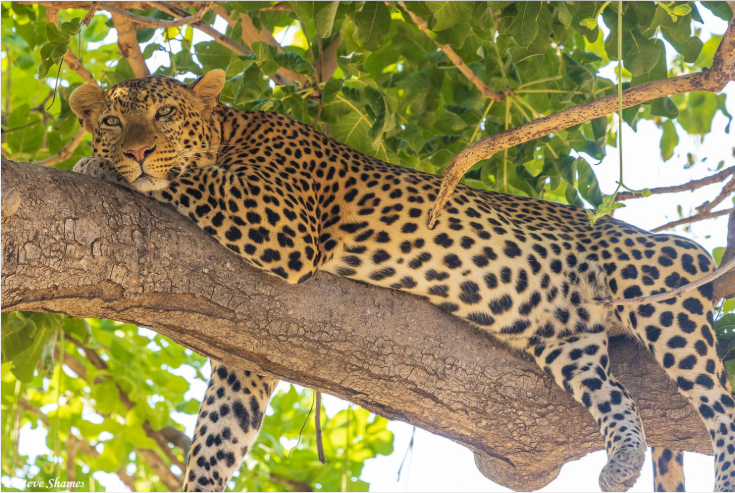
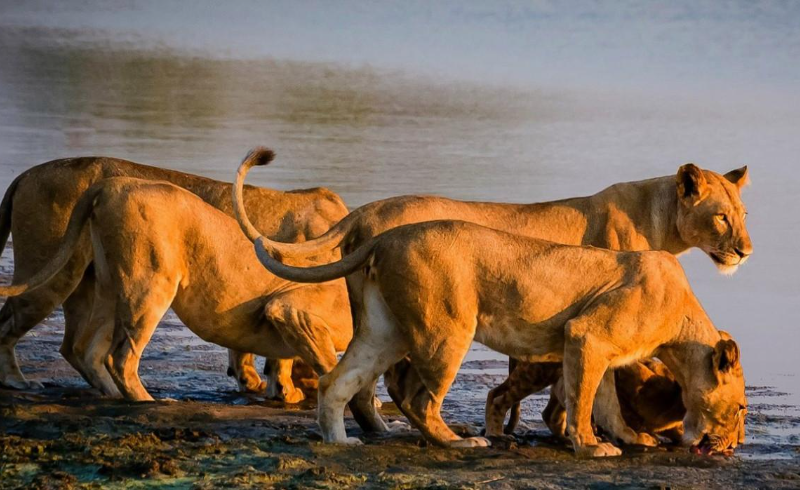
Ruaha’s lion population is one of its greatest attractions. Large prides sometimes hunt buffaloes and other sizeable prey. Leopards are usually more secretive, but patient travelers may find them resting in trees or moving near dry riverbeds.
African wild dogs are another significant highlight. Sightings cannot be guaranteed because the packs cover large territories, but Ruaha remains an important habitat for this endangered predator.
The Great Ruaha River is one of the park’s most important natural features. During the dry season, animals gather around its remaining pools and channels. Elephants dig into the sandy riverbed in search of underground water, while crocodiles, hippos and numerous bird species occupy the permanent pools.
Game drives along the river can produce excellent sightings, particularly in the morning and late afternoon. Predators often follow concentrations of antelopes, zebras, giraffes and buffaloes coming to drink.
Ruaha’s scenery is dramatically different from the open plains of Serengeti. Visitors encounter rocky hills, river valleys, miombo woodland, savannah, acacia forests and striking baobab trees.
These changing landscapes make Ruaha particularly rewarding for photographers. Wildlife can be photographed against mountains, rivers, woodlands and ancient trees instead of a single type of background.
The Northern Circuit is Tanzania’s most established safari route. It is easily accessible from Arusha and includes several internationally recognized parks and conservation areas.
A complete Northern Circuit journey may feature Tarangire, Lake Manyara, Ngorongoro and Serengeti. Travelers with additional time can also visit Arusha National Park, Lake Natron or the Ndutu region.
Tarangire is often the first destination on a Northern Circuit itinerary. The park is approximately two to three hours from Arusha, making it convenient for the opening day of a safari.
The Tarangire River is the park’s primary water source during the dry season. Large numbers of elephants, zebras, wildebeests, giraffes and buffaloes gather around the river and nearby swamps.
Tarangire is especially known for:
The dry season usually provides excellent wildlife viewing because animals concentrate near reliable water sources.
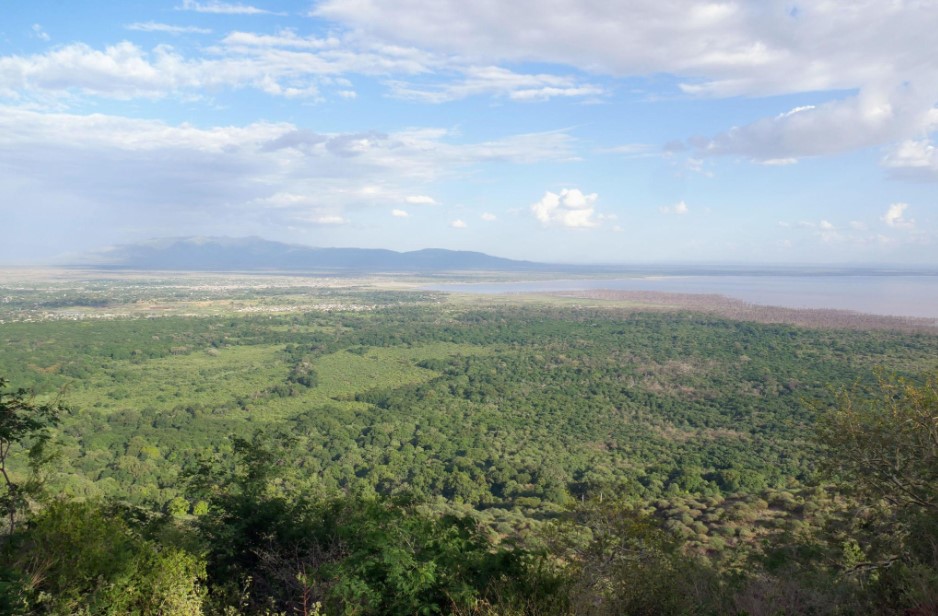
Lake Manyara National Park lies between the alkaline lake and the Great Rift Valley escarpment. Although it is smaller than the other parks, it contains a surprising variety of habitats.
Visitors may explore groundwater forests, open floodplains, acacia woodland, wetlands and the edge of Lake Manyara. Wildlife includes elephants, giraffes, zebras, buffaloes, hippos, baboons and several antelope species.
The park is historically associated with tree-climbing lions, although sightings are not guaranteed. It is also a good destination for observing primates and birds.
Lake Manyara can be included as a full-day activity or a shorter game drive while traveling between Arusha, Tarangire and Karatu.
The Ngorongoro Crater is one of the world’s most remarkable natural wildlife destinations. It was formed following the collapse of a massive ancient volcano and now contains forests, grasslands, wetlands and a seasonal soda lake.
The crater floor supports a high concentration of animals throughout the year. Visitors can potentially see:
Black rhinos are among the crater’s most sought-after animals. Sightings depend on luck, distance and weather, but Ngorongoro remains one of Tanzania’s better places to search for them.
Visitors normally enter the crater early in the morning and spend approximately four to six hours on the crater floor. Starting early helps avoid some of the traffic and provides better morning light for photography.
Serengeti is the centerpiece of many Northern Circuit safaris. Its name is associated with expansive plains, abundant predators and the Great Wildebeest Migration.
The park is divided into several wildlife regions:
Central Serengeti provides reliable wildlife viewing throughout the year. Its river valleys and rocky kopjes support resident populations of lions, leopards, cheetahs, elephants, giraffes and antelopes.
Northern Serengeti is famous for migration river crossings between approximately July and October. Ndutu and the southern plains are especially important during the calving period, usually from December to March, although seasonal conditions can affect the animals’ movements.
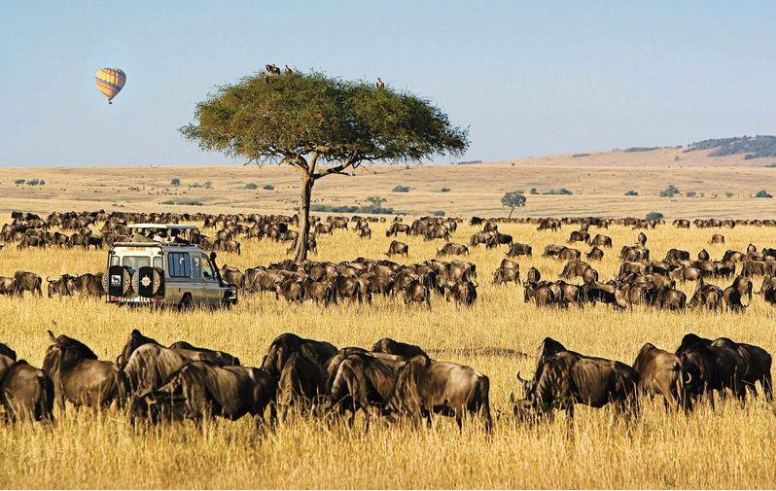
Travelers planning a Ruaha and Northern Circuit safari often want to include the Great Migration. More than a million wildebeests, accompanied by zebras and gazelles, move through the Serengeti–Mara ecosystem in search of fresh grazing and water.
The migration is a continuous natural cycle rather than a single event. Its approximate seasonal pattern is:
Wildlife movements depend on rainfall, grass and water. Consequently, no operator can guarantee a river crossing or an exact herd location months in advance.
Because Ruaha and the Northern Circuit are separated by a considerable distance, flying between regions is generally the most convenient arrangement.
Arrive at Kilimanjaro International Airport and meet your safari representative. Transfer to an accommodation in Arusha for dinner and relaxation.
Drive to Tarangire National Park for a game drive. Explore the Tarangire River, baobab-covered plains and elephant habitats. Stay near Tarangire or continue to Karatu.
Descend into the Ngorongoro Crater for a wildlife drive. Search for lions, elephants, buffaloes, hippos and black rhinos. Continue toward Serengeti or stay near the crater.
Spend several days exploring the appropriate Serengeti region. The exact location can be chosen according to the season and migration movement.
Take a scheduled flight from Serengeti to Arusha. Depending on the flight schedule, stay overnight in Arusha before continuing to Ruaha.
Fly from Arusha to Ruaha and meet a guide at the airstrip. Begin exploring the park during an afternoon game drive.
Enjoy morning, afternoon or full-day game drives. Explore the Great Ruaha River, baobab valleys, rocky areas and predator habitats.
Take a scheduled flight from Ruaha to Dar es Salaam or Zanzibar. Continue with an international flight or beach holiday.
This itinerary can be shortened or extended according to the traveler’s schedule, budget and preferred pace.
A combined Ruaha and Northern Circuit journey should ideally last at least ten days. Twelve to fourteen days provides a more comfortable experience.
A shorter safari may feel rushed because it involves multiple parks, flights and long game-drive days. Travelers interested in photography, migration viewing or walking activities may benefit from additional nights.
A balanced itinerary could include:
The best period depends on the traveler’s main interests.
The dry season is excellent for combining Ruaha and the Northern Circuit. Ruaha’s wildlife concentrates near rivers and permanent water sources. Tarangire also receives large numbers of elephants and herbivores.
Between July and October, travelers may visit Northern Serengeti for a chance to observe the migration and Mara River crossings.
This is a popular travel period, so accommodations and flights should be reserved early.
This period is particularly attractive for travelers interested in the Ndutu calving season. Thousands of wildebeest calves are born on the southern plains, attracting lions, cheetahs, hyenas and other predators.
Ruaha is greener during this period. Wildlife may be more dispersed, but the landscapes are beautiful, birdlife is excellent and visitor numbers are generally lower.
These months form part of Tanzania’s long-rain season. Some remote Ruaha accommodations may close, and road conditions can be challenging.
However, operational lodges sometimes provide seasonal offers. Travelers should verify flight schedules, lodge availability and road conditions before booking.
A Ruaha and Northern Circuit safari can be arranged using mid-range tented camps, luxury lodges or a mixture of accommodation categories.
Ruaha accommodations are generally designed to complement the natural environment. Many are small camps with a limited number of tents or rooms.
Depending on the selected property, travelers may receive:
Remote camps may have limited connectivity. This is part of Ruaha’s appeal, but travelers should understand the facilities before booking.
The Northern Circuit has a broader accommodation selection, including:
Mobile camps move seasonally or operate in locations close to the migration. They can provide excellent access to wildlife but should be booked early during peak periods.
Ruaha is located far from Tanzania’s Northern Circuit. Driving the complete distance requires additional days and can be tiring.
Scheduled flights provide the most practical connection. Depending on routing and operating schedules, travelers may fly through Arusha, Dar es Salaam or another airstrip connection.
A fly-in arrangement offers:
Light aircraft normally have stricter luggage restrictions. Soft-sided bags are recommended, and travelers should confirm the permitted weight with their operator.
The price of a Ruaha and Northern Circuit safari varies according to:
Ruaha can cost more than some Northern Circuit destinations because of domestic flights, remote operations and smaller camps. However, it delivers excellent value for travelers seeking privacy and untouched wilderness.
A detailed quotation should clearly show what is included and excluded.
A complete package commonly includes:
Travelers should confirm whether soft drinks, alcoholic beverages, laundry, gratuities, travel insurance and optional activities are included.
Pack light, comfortable clothing in neutral colors. Ruaha and the Northern Circuit may experience significant temperature variations.
Recommended items include:
Early mornings at Ngorongoro can be cold, while Ruaha may become hot during the afternoon. Layered clothing is therefore useful.
Explore Ruaha National Park’s baobab country on a guided safari built around your dates, group size and budget. Spend your game drives…
Read articleDiscover Tanzania’s untamed wilderness without exceeding your travel budget. A budget Ruaha safari adventure offers incredible wildlife encounters, spectacular landscapes, authentic African…
Read articleA Nyerere Tanzania wildlife safari offers an extraordinary opportunity to discover one of Africa's most spectacular wilderness destinations. From magnificent elephants and…
Read articleTarangire National Park sits on Tanzania’s Northern Circuit and is usually visited from Arusha. Ruaha, Nyerere and Mikumi are Southern Circuit destinations.…
Read article