Skip to content

Choosing the right Ruaha safari Lake Manyara company can turn two very different Tanzanian national parks into one memorable safari experience. Ruaha National Park offers huge wilderness areas, baobab landscapes, elephants, predators and a remote atmosphere, while Lake Manyara National Park provides lush forests, Rift Valley scenery, elephants, abundant birdlife and its famous tree-climbing lions.
The challenge is that these parks belong to different parts of Tanzania’s safari network. Lake Manyara is easily reached from Arusha as part of the Northern Circuit, while Ruaha lies in south-central Tanzania. A knowledgeable safari company therefore needs to coordinate road transfers, domestic flights, accommodation, park fees and game drives carefully.
For travelers who want something beyond a standard Serengeti itinerary, combining Ruaha and Lake Manyara can provide an excellent contrast between remote wilderness and compact, diverse ecosystems.
Why Combine Ruaha and Lake Manyara?
A Ruaha and Lake Manyara safari works well for travelers who want variety rather than spending an entire holiday in one landscape.
Ruaha National Park covers about 20,226 square kilometres and is Tanzania’s second-largest national park. TANAPA highlights its baobab-covered plains, Great Ruaha River, elephants, buffalo, lions, leopards, cheetahs and special antelope species such as greater kudu, sable and roan. Its remote location also contributes to a quieter wilderness experience.
Lake Manyara National Park is much smaller, covering about 648.7 square kilometres, but it contains a remarkable mixture of groundwater forest, acacia woodland, wetlands, an alkaline lake and the dramatic Great Rift Valley escarpment.
Visiting both allows you to see two sides of Tanzania in a single holiday.
What Makes Ruaha National Park Special?
Ruaha is ideal for travelers looking for an uncrowded and rugged safari atmosphere.
The Great Ruaha River and other seasonal waterways are particularly important to the park’s wildlife. As conditions become drier, animals often concentrate around remaining water sources, creating excellent opportunities for game viewing. TANAPA describes dry-season gatherings of elephants and buffalo as one of Ruaha’s major attractions.
Predators are another major reason to visit. Lions, leopards, cheetahs, spotted hyenas and African wild dogs occur within the wider Ruaha ecosystem. The park is also known for unusual antelope sightings, including greater kudu, sable and roan.
The scenery deserves just as much attention as the animals. Ancient baobabs rise above open grassland, rocky kopjes break the horizon, and woodland stretches across large sections of the park.
For photographers, this combination of wildlife and dramatic landscapes can make Ruaha particularly rewarding.
What Wildlife Can You See in Ruaha?
A professionally organized Ruaha safari Lake Manyara company should allow enough time in Ruaha rather than treating the park as a quick stop.
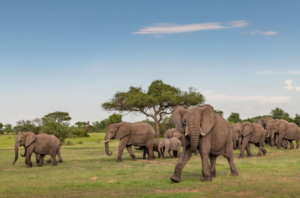
Elephants are among its most recognizable animals. Buffalo can occur in large herds, while lions and other predators follow prey through the river systems and plains.
Visitors may also encounter giraffes, zebras, impala, kudu, hippos, crocodiles and numerous smaller mammals.
Bird enthusiasts have another reason to stay longer. TANAPA reports more than 570 recorded bird species in Ruaha, supported by the park’s combination of riverine habitat, woodland, savanna and seasonal wetlands.
A two- or three-night stay normally gives travelers a much better appreciation of Ruaha’s scale than rushing through a single game drive.
Why Visit Lake Manyara National Park?
Lake Manyara provides an almost complete change of scenery.
You enter through lush groundwater forest where baboons and blue monkeys may be seen among tall trees. Beyond the forest, the landscape opens toward woodland, floodplains, wetlands and the alkaline lake itself.
The park is particularly well known for its tree-climbing lions, although sightings can never be guaranteed. Elephants, buffalo, giraffes, zebras, wildebeest and hippos also occur within the park.
Lake Manyara is also an excellent destination for birdwatching. Flamingos may gather around the alkaline lake depending on seasonal water and feeding conditions, alongside pelicans, storks, herons and many other waterbirds. TANAPA notes more than 400 recorded bird species in the park.
Its relatively compact size makes Lake Manyara suitable for a half-day or full-day game drive within a longer Tanzania itinerary.
Lake Manyara’s Tree-Climbing Lions
Tree-climbing lions have become one of the best-known symbols of Lake Manyara National Park.
Visitors occasionally see lions resting on horizontal branches above the ground. Several explanations have been suggested for this behavior, including avoiding insects, escaping heat or simply local behavioral traditions, but travelers should remember that wildlife behavior is unpredictable.
A good safari guide will therefore concentrate on the overall ecosystem rather than promising a specific lion sighting.
Even without seeing lions in trees, Lake Manyara can provide excellent encounters with elephants, primates, hippos and birds against a beautiful Rift Valley backdrop.
How Do You Travel Between Ruaha and Lake Manyara?
This is where choosing an experienced Ruaha safari Lake Manyara company becomes particularly important.
Lake Manyara lies on Tanzania’s Northern Safari Circuit. TANAPA places it approximately 125 kilometres from Arusha, with the road journey usually around two to two-and-a-half hours under normal conditions.
Ruaha is located much farther south, west of Iringa. TANAPA states that Ruaha can be reached by road from Iringa and also by scheduled or charter flights using airstrips such as Msembe and Jongomero.
Because of that geographical separation, trying to drive directly between every safari destination can consume valuable holiday time.
For many travelers, a carefully arranged domestic flight combined with private road transfers is the more comfortable approach. Your safari operator should build the itinerary around available flights rather than creating unnecessary long-distance driving days.
Example Ruaha and Lake Manyara Safari Itinerary
A comfortable combination might start in Arusha before visiting Lake Manyara. Travelers could continue to Ngorongoro or another Northern Circuit destination if they have enough time.
After completing the northern section, a domestic flight can connect the itinerary with Ruaha.
Two or three nights in Ruaha allow for morning and afternoon game drives and provide more opportunities to explore different habitats.
Travelers with additional time can combine Ruaha with Nyerere National Park or continue toward Zanzibar for a beach stay.
There is no single perfect itinerary. The best route depends on international flight times, total holiday duration, preferred accommodation level and whether the traveler values wildlife, photography, relaxation or a mixture of all three.
What Should a Ruaha Safari Lake Manyara Company Include?
Before booking, travelers should request a detailed written quotation. A professional operator should clearly explain what is included and which expenses remain separate.
Important items to confirm include:
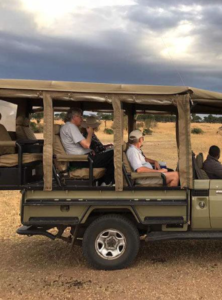
- Private or shared 4×4 safari vehicle and professional guide
- National park entrance and applicable conservation fees
- Accommodation and specified meal plan
- Drinking water during safari activities
- Airport and airstrip transfers included in the itinerary
- Domestic flights when required
- Game-drive schedule and approximate driving times
- Any walking safari, cultural visit or additional activity charges
- Taxes and other compulsory fees
- Clear cancellation and payment conditions
Having everything written in advance makes comparing safari companies much easier.
Private or Group Safari?
A private safari is usually the easiest format when combining Ruaha and Lake Manyara because the route involves multiple regions and possibly domestic flights.
Private vehicles provide greater flexibility regarding departure times, photography stops and the amount of time spent at wildlife sightings.
Group safaris can reduce some costs, but fixed departure schedules may make it difficult to connect two geographically separated circuits.
Travelers interested specifically in a customized Ruaha and Lake Manyara itinerary should therefore ask their operator whether the quotation uses a dedicated vehicle and guide.
When Is the Best Time for a Ruaha and Lake Manyara Safari?
Both parks can be visited throughout much of the year, but the safari experience changes with the seasons.
Ruaha is particularly attractive during the drier months because animals become increasingly dependent on rivers, pools and other water sources. This can concentrate wildlife and make sightings easier. TANAPA notes that permanent pools and river systems become important wildlife gathering areas as the dry season progresses.
The greener months produce very different scenery, with fresh vegetation, dramatic skies and excellent birding.
Lake Manyara also changes significantly according to rainfall and lake levels. Flamingo numbers and their location are seasonal, so travelers should not book solely on the expectation of seeing enormous flamingo concentrations.
A safari company should explain these seasonal differences rather than promise identical wildlife experiences throughout the year.
What Accommodation Is Available?
Both areas offer choices ranging from camping-style experiences to comfortable tented camps and lodges.
Around Lake Manyara, visitors can stay inside the park or in nearby areas such as Mto wa Mbu and Karatu. This makes Manyara relatively easy to incorporate into broader Northern Circuit itineraries.
Ruaha offers campsites, bandas, tented camps and safari lodges in and around the wilderness. TANAPA recommends booking early during the busier June–October period and festive seasons.
Accommodation should ideally match the pace of the safari. Spending more for a strategically located lodge can sometimes reduce daily transfer time and provide more hours for wildlife viewing.
Choosing Your Ruaha Safari Lake Manyara Company
The best operator for this route is one that understands both Tanzania’s northern and southern safari circuits and can coordinate them without wasting your holiday on unnecessary transfers.
Ask for a day-by-day itinerary before paying a deposit. Look carefully at where each night is spent, how many actual game drives are included, which domestic flights are required and whether airport or airstrip transfers are covered.
A safari combining these two parks should feel like one connected journey rather than two unrelated trips.
For travelers planning with Kilipath African Safaris, the itinerary can be customized around travel dates, accommodation preferences, safari duration and whether Ruaha and Lake Manyara will be combined with destinations such as Ngorongoro, Serengeti, Nyerere or Zanzibar.
Start Planning Your Tanzania Safari
A Ruaha safari Lake Manyara company can help travelers experience two remarkably different wildlife environments in one Tanzanian adventure.
Lake Manyara introduces you to dense forest, elephants, birdlife, Rift Valley scenery and the possibility of tree-climbing lions. Ruaha then expands the journey into a vast landscape of baobabs, rivers, elephants, buffalo and major predators.
With sensible routing, comfortable accommodation and enough time in each destination, this combination can create a Tanzania safari that goes well beyond the traditional tourist circuit.
Planning a Ruaha and Lake Manyara safari? Contact Kilipath African Safaris for a customized itinerary, accommodation options, domestic flight planning and a complete Tanzania safari quotation.