Lake Manyara vs. Nyerere Safari Prices | Tanzania Guide
A Lake Manyara safari can cost USD 150–220 per person for a shared day trip from Arusha. A published example of a…
Read articleArusha City - Tanzania
Safari & Travel Tips
September 17, 2026 · 12 min read
Ruaha safari Lake Manyara packages combine two remarkably different wildlife destinations in Tanzania. Lake Manyara National Park offers lush groundwater forests, beautiful lake views, elephants, primates, and diverse birdlife, while Ruaha National Park delivers a remote wilderness experience with vast landscapes, large predator populations, and fewer safari vehicles.
Since these national parks belong to different safari circuits, combining them requires thoughtful planning. Lake Manyara is part of Tanzania’s famous Northern Safari Circuit, while Ruaha is located in the Southern Circuit. Travelers can connect the two destinations by road and domestic flight, creating a varied Tanzania safari for those who want to explore beyond the classic Serengeti and Ngorongoro routes.
This guide explains possible itineraries, transportation options, accommodation choices, wildlife highlights, costs, and the best time to book a Ruaha and Lake Manyara safari package.
Ruaha and Lake Manyara offer contrasting environments and safari experiences. Visiting both allows travelers to see more of Tanzania’s landscapes, ecosystems, and wildlife.
Lake Manyara National Park is relatively compact and is often visited as part of a Northern Circuit itinerary. Its groundwater forest, acacia woodland, hot springs, floodplains, and lake ecosystem support an impressive range of animals and birds.
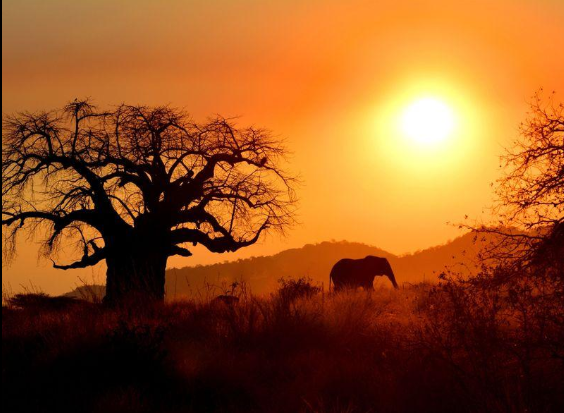
Ruaha National Park feels wilder and more remote. It is known for its rugged scenery, baobab-covered hills, seasonal rivers, elephants, lions, leopards, and African wild dogs. Visitor numbers are lower than in Tanzania’s better-known northern parks, creating a more private safari experience.
A combined package is especially suitable for:
Lake Manyara National Park lies near the town of Mto wa Mbu, approximately two hours from Arusha. Its convenient location makes it a good first or final stop on a Northern Tanzania safari.
Although smaller than Ruaha, Lake Manyara contains several distinct habitats within a limited area. A single game drive can pass through dense forest, open grassland, acacia woodland, marshes, and lakeshore environments.
Lake Manyara is particularly known for its elephant population. Visitors may see elephants walking through the forest or feeding near the road. The park also supports giraffes, zebras, buffaloes, wildebeest, warthogs, hippos, impalas, and several monkey species.
Olive baboons are especially common. Large troops can frequently be seen beside the road or moving through the forest. Blue monkeys are also present in the park’s greener areas.
Lake Manyara is historically associated with tree-climbing lions. While lion sightings cannot be guaranteed, visitors may occasionally find them resting in trees or moving through woodland and open plains.
Leopards live in the park but are more difficult to spot due to the dense vegetation.
Lake Manyara is one of the most rewarding birding destinations on Tanzania’s Northern Circuit. The lake and surrounding habitats attract hundreds of bird species.
Depending on the season and water conditions, travelers may see:
Birdwatchers should carry binoculars and allow enough time to explore the different habitats rather than rushing through the park.
In addition to a traditional game drive, travelers can include experiences around Mto wa Mbu and the Great Rift Valley.
Possible activities include:
Some activities take place outside the national park and must be arranged in advance.
Ruaha National Park is one of Tanzania’s largest and most impressive wilderness areas. Located in the country’s Southern Circuit, it is less crowded than Serengeti, Tarangire, or Ngorongoro.
The park’s scenery includes rocky hills, open plains, baobab trees, miombo woodland, and the Great Ruaha River. During the dry season, animals gather near remaining water sources, creating excellent wildlife-viewing opportunities.
Ruaha is an outstanding destination for predator sightings. Its wilderness supports healthy populations of lions, leopards, spotted hyenas, and African wild dogs.
The park is especially famous for its lions. Large prides may be seen hunting or resting near river systems and open plains. Leopards are also present, although sightings depend on luck and the skill of the guide.
Other animals found in Ruaha include:
Ruaha’s mix of eastern and southern African wildlife makes it especially interesting for experienced safari travelers.
Ruaha is home to a rich variety of resident and migratory birds. Its diverse habitats attract raptors, waterbirds, woodland species, and savannah birds.
Travelers may encounter hornbills, bee-eaters, kingfishers, storks, eagles, vultures, and various colorful smaller species. The green season is particularly attractive for birdwatching.
Most visitors explore Ruaha through daytime game drives in a 4x4 safari vehicle. Depending on the accommodation, season, and park regulations, other experiences may include:
Activities vary between camps and should be confirmed before booking.
The distance between these parks is an important consideration when planning Ruaha safari Lake Manyara packages. Driving directly between them can take a long time and may require an overnight stop.
The most comfortable option is to use domestic flights. Travelers can fly from an airstrip serving the Northern Circuit to Ruaha, sometimes with a connection or scheduled stop depending on the airline and season.
A typical arrangement may include:
Flight schedules vary by season, and some services operate only on certain days or require minimum passenger numbers. Soft-sided luggage is normally recommended because small safari aircraft have limited baggage space.
A road-only itinerary is possible but requires additional time. Travelers may need to return through central Tanzania and stop overnight before reaching Ruaha.
This option may suit adventurous guests who want to see rural landscapes along the way. However, it is not normally recommended for visitors with limited vacation time.
For comfort and efficiency, a fly-and-drive combination is generally the best choice.
A seven-day itinerary provides an introduction to both parks, although additional nights will make the journey more relaxed.
Arrive at Kilimanjaro International Airport or Arusha Airport and meet your representative. Transfer to your hotel in Arusha for rest and a safari briefing.
After breakfast, drive from Arusha to Lake Manyara National Park. Enjoy a game drive through the groundwater forest, acacia woodland, and lakeshore areas.
Look for elephants, giraffes, baboons, buffaloes, hippos, and birds. In the late afternoon, transfer to your lodge or tented camp near the park.
Return to the park for another game drive or choose a cultural activity in Mto wa Mbu. A second day allows guests to explore at a slower pace and improves opportunities for photography.
Spend another night near Lake Manyara or continue to Arusha, depending on the following day’s flight arrangements.
Transfer to the airport or airstrip for your domestic flight to Ruaha. On arrival, meet your guide and drive to the camp, enjoying wildlife sightings along the way.
After lunch, join an afternoon game drive before returning for dinner and an overnight stay.
Spend the day exploring Ruaha’s river systems, plains, hills, and baobab woodland. Search for lions, elephants, buffaloes, leopards, antelopes, and African wild dogs.
The day may include morning and afternoon game drives with a lunch break at camp, or a full-day excursion with a packed lunch.
Enjoy another full day in Ruaha. This gives your guide time to explore different regions and follow recent wildlife movements.
Travelers staying at a camp that offers walking safaris may begin the morning on foot before taking an afternoon game drive.
Enjoy a final morning activity, depending on the flight schedule. Transfer to the airstrip for your flight to Dar es Salaam, Zanzibar, or another connecting destination.
Travelers with more time can add extra destinations or activities. A nine-day itinerary may include:
Tarangire is easy to combine with Lake Manyara and offers excellent elephant sightings, baobab landscapes, and rewarding dry-season game viewing.
Alternatively, guests can include Ngorongoro Crater before flying to Ruaha. This creates a more comprehensive safari but requires at least nine or ten days.
The parks can be visited throughout the year, but conditions change between seasons.
The dry season is one of the best periods for wildlife viewing in Ruaha. As water becomes limited, animals gather near rivers and waterholes. Vegetation becomes thinner, making wildlife easier to see.
Lake Manyara also offers pleasant safari conditions during this period, although wildlife distribution depends partly on water and vegetation levels.
This season is suitable for:
July through October is popular, so early booking is advisable.
Short rains usually transform the landscapes into greener environments. Migratory birds arrive, newborn animals may be seen, and photography conditions can be beautiful.
This period is attractive for birdwatchers and travelers who appreciate green scenery. Rainfall is often intermittent rather than continuous, but road conditions can change.
These months usually bring heavier rainfall. Some remote camps may close temporarily, and certain roads can become difficult to use.
However, visitors who travel during this period may enjoy fewer tourists, dramatic scenery, and possible seasonal accommodation offers. Availability and transportation should be carefully checked.
Ruaha safari Lake Manyara packages can be arranged in different comfort levels.
Budget packages may use simple lodges, guesthouses, or public camping facilities. Camping offers an adventurous experience but may not always be practical when domestic flights are included.
Budget travelers should understand that combining two distant circuits increases transportation costs.
Mid-range packages provide comfortable rooms or permanent safari tents, usually with private bathrooms. Meals are typically included during the safari.
This category offers a good balance between comfort and price and is suitable for couples, families, and small groups.
Luxury packages may include intimate camps, spacious suites, high-quality dining, private vehicles, bush meals, and personalized service.
Several Ruaha camps are located in remote areas, offering an exclusive wilderness atmosphere. Luxury properties near Lake Manyara may provide views of the Rift Valley, forest, or surrounding countryside.
Inclusions depend on the itinerary and accommodation category, but a well-organized package commonly includes:
Private safari vehicles, special activities, and premium beverages may cost extra.
Travelers should also review exclusions before confirming a package. These may include:
Always request a written list of inclusions and exclusions.
The total price depends on the season, number of travelers, accommodation standard, flight availability, and length of stay.
A combined Ruaha and Lake Manyara package normally costs more than an itinerary covering parks within one circuit. This is mainly because of the distance between the destinations and the need for domestic flights or long road transfers.
Factors affecting the price include:
Traveling as a couple or small group can reduce the per-person cost because vehicle and transfer expenses are shared.
For an accurate quotation, provide your preferred dates, number of travelers, room arrangement, accommodation level, and arrival and departure airports.
Pack light, comfortable clothing in neutral colors. Soft-sided luggage is recommended when using domestic flights.
Useful items include:
Avoid bright colors during game drives. A warm layer is useful because early mornings can feel cold, even during the dry season.
Yes. Zanzibar is a popular extension after a Ruaha and Lake Manyara safari. Depending on flight schedules, travelers may fly from Ruaha to Zanzibar directly or connect through Dar es Salaam.
A beach extension offers time to relax after the safari. Visitors can enjoy white-sand beaches, Stone Town, spice tours, snorkeling, diving, and sunset cruises.
A complete safari-and-beach holiday may require 10 to 14 days.
Before choosing a package, consider the following:
The cheapest itinerary may not always offer the best value. Consider the location of accommodation, number of game drives, guide quality, transportation time, and included flights.
Ruaha safari Lake Manyara packages are ideal for travelers who want to experience two sides of Tanzania. Lake Manyara introduces visitors to the beautiful Great Rift Valley and diverse Northern Circuit habitats, while Ruaha provides a remote safari filled with predators, elephants, baobabs, and immense wilderness.
Because the parks are located in different circuits, professional planning is essential. The right combination of road transfers, domestic flights, carefully selected accommodation, and enough nights in each destination will create a comfortable and rewarding journey.
Contact Kilipath African Safaris for a personalized Ruaha and Lake Manyara itinerary. Share your travel dates, number of guests, preferred accommodation level, and budget, and our team will design a safari package suited to your needs.
Start planning your Tanzania safari today and discover the contrasting beauty of Lake Manyara and the wild landscapes of Ruaha National Park.
A Lake Manyara safari can cost USD 150–220 per person for a shared day trip from Arusha. A published example of a…
Read articlePlanning a Tanzania safari that combines Lake Manyara National Park and Nyerere National Park is an excellent way to experience the country's…
Read articlePlanning an unforgettable African wildlife adventure from Zanzibar? Understanding the Tanzania safari package Zanzibar price is an important first step toward choosing…
Read articlePlanning an African wildlife adventure? Understanding the group Tanzania safari price is an important step toward choosing an affordable and unforgettable safari…
Read article