Skip to content

A Ruaha safari Ngorongoro deal is an excellent choice for travelers who want to experience two very different sides of Tanzania in one journey. Ruaha National Park offers remote wilderness, dramatic baobab landscapes, predators, elephants, buffalo, and uncrowded game drives, while the Ngorongoro Conservation Area delivers extraordinary wildlife viewing inside one of the world’s most famous volcanic landscapes.
Rather than visiting only Tanzania’s well-known northern safari circuit, combining Ruaha with Ngorongoro creates a more varied adventure. You can explore the rugged wilderness of south-central Tanzania before traveling north to the spectacular Ngorongoro highlands and crater.
Ruaha covers about 20,226 square kilometers and is known for its Great Ruaha River, extensive wilderness, large mammals, predators, and remarkable bird diversity. TANAPA records more than 570 bird species in the park and highlights elephants, buffalo, lions, leopards, crocodiles, hippos, greater kudu and other wildlife among its major attractions.
Meanwhile, UNESCO describes the Ngorongoro Conservation Area as a landscape of highland plains, savanna, woodland and forests surrounding the Ngorongoro Crater, the world’s largest unbroken caldera. The conservation area is also internationally important for wildlife conservation, archaeology and evidence of human evolution.
Why Choose a Ruaha Safari Ngorongoro Deal?
The biggest advantage of combining Ruaha and Ngorongoro is diversity.
Many Tanzania safari itineraries concentrate entirely on northern parks. Those routes are excellent, but adding Ruaha gives travelers a completely different atmosphere. Ruaha feels remote and expansive, with long stretches of wilderness, seasonal rivers, rocky hills, woodland and enormous baobab trees.
Ngorongoro provides almost the opposite experience. Wildlife is concentrated within a dramatic volcanic setting, making it possible to encounter many species during a relatively short crater game drive.
A well-designed Ruaha safari Ngorongoro deal therefore combines wilderness and concentrated wildlife viewing rather than repeating similar safari experiences every day.
It can be especially attractive for honeymooners, photographers, repeat visitors to Africa, wildlife enthusiasts and travelers who have enough time to explore Tanzania beyond the most common routes.
Ruaha National Park Safari Experience
Ruaha is located west of Iringa in south-central Tanzania. Its distance from Tanzania’s busiest northern safari routes is part of its appeal.
The Great Ruaha River and seasonal waterways play an important role in the park’s ecosystem. During drier periods, wildlife gathers around remaining water sources, creating opportunities to see elephants, buffalo and predators around river systems. TANAPA describes dry-season concentrations along the Great Ruaha River and sand rivers as particularly important for elephant and buffalo viewing.
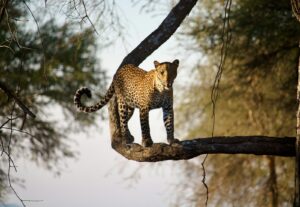
Ruaha is also well known for predators. Lions, leopards, spotted hyenas and cheetahs occur in the ecosystem, while African wild dogs may also be encountered in the wider wilderness. Greater kudu, sable and roan antelope add another dimension to the wildlife experience.
The landscape itself is one of Ruaha’s greatest attractions. Visitors travel through areas of baobab-studded savanna, rocky outcrops, woodland and river valleys.
Because the park is relatively remote, safari drives can feel considerably less congested than in Tanzania’s most heavily visited destinations.
For travelers who value photography, patience at wildlife sightings and a strong feeling of wilderness, Ruaha deserves several nights rather than a rushed one-day visit.
Ngorongoro Crater Safari Experience
After Ruaha’s vast wilderness, Ngorongoro provides a spectacular contrast.
The Ngorongoro Conservation Area covers more than 8,000 square kilometers and contains the famous Ngorongoro Crater as well as highland landscapes, archaeological areas and surrounding plains. The conservation area has been recognized as a UNESCO World Heritage Site because of both its natural and cultural significance.
A typical crater safari begins early in the morning.
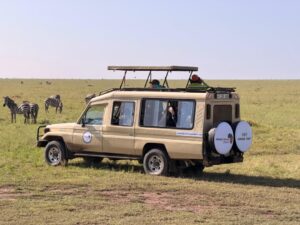
Your safari vehicle descends from the crater rim toward grasslands, marshes, woodland and lakes below. Wildlife commonly encountered includes wildebeest, zebras, buffalo, gazelles, hippos, elephants, lions and hyenas. The wider conservation area is also important for endangered black rhino conservation.
One reason Ngorongoro works particularly well in a combined safari is that travelers do not necessarily need several days inside the crater itself. One carefully planned crater day can produce an impressive safari experience, leaving more time for Ruaha or other destinations.
Ruaha vs Ngorongoro: What Is the Difference?
Although both destinations offer excellent wildlife safaris, the experience is significantly different.
| Feature | Ruaha National Park | Ngorongoro |
|---|---|---|
| Safari atmosphere | Remote wilderness | Concentrated wildlife experience |
| Landscape | Rivers, baobabs, woodland, plains | Volcanic crater and highlands |
| Crowd levels | Generally lower | Can be busy in peak season |
| Strong wildlife highlights | Elephants, lions, buffalo, kudu, wild dogs | Lions, buffalo, wildebeest, zebra, rhino |
| Recommended stay | 2–4 nights | 1–2 nights |
| Photography | Excellent for wilderness scenes | Excellent panoramic scenery and wildlife |
| Location | South-central Tanzania | Northern Tanzania |
| Best for | Wilderness lovers | First-time visitors and Big Five seekers |
This difference is exactly why a Ruaha safari Ngorongoro deal can be more interesting than spending an entire holiday in one region.
How Do You Travel Between Ruaha and Ngorongoro?
Travel logistics are one of the most important considerations when planning this combination.
Ruaha is in south-central Tanzania, while Ngorongoro is part of the northern safari circuit. They are not neighboring parks, so trying to connect them entirely by road can consume valuable safari time.
Flying is often the most practical option.
TANAPA states that scheduled and charter flights serve Ruaha through airstrips including Msembe and Jongomero, with flight connections available from major Tanzanian hubs.
A well-planned itinerary may therefore combine a domestic flight with a private safari vehicle in northern Tanzania.
For example, travelers might complete their Ruaha safari, fly toward Arusha, stay overnight and then continue by road toward Ngorongoro.
Actual flight schedules vary according to season and airline, so the connection should always be checked when preparing the final safari quotation.
Suggested 7-Day Ruaha Safari Ngorongoro Itinerary
A seven-day itinerary offers a good introduction without trying to cover too many places.
Day 1 – Arrival in Tanzania: Arrive and prepare for your safari. Depending on international flight arrangements, you may stay in Arusha, Dar es Salaam or another convenient gateway.
Day 2 – Fly to Ruaha National Park: Take a scheduled or charter flight into Ruaha. Meet your safari guide and begin an afternoon game drive. Look for elephants, giraffes, antelope and predators before continuing to your lodge or tented camp.
Day 3 – Full-Day Ruaha Safari: Spend the day exploring the park’s river systems, baobab country and wildlife-rich plains. Early morning and late afternoon are especially rewarding periods for predator activity.
Day 4 – Second Ruaha Game Drive: Enjoy another safari drive rather than rushing away after only one full day. Different areas of the park may produce completely different sightings.
Day 5 – Ruaha to Northern Tanzania: Take a flight connection toward Arusha and continue according to your final itinerary. Overnight near Arusha, Karatu or the Ngorongoro highlands depending on flight arrival time.
Day 6 – Ngorongoro Crater Safari: Descend into Ngorongoro Crater for an extensive game drive. Explore grasslands, marshes and woodland while searching for lions, buffalo, elephants, hyenas, wildebeest, zebra and potentially black rhino.
Day 7 – Departure: Enjoy breakfast before returning toward Arusha or Kilimanjaro International Airport. Travelers with more time can extend the safari to Tarangire, Serengeti or Zanzibar.
For an even more relaxed experience, consider eight to ten days.
Best Time for a Ruaha and Ngorongoro Safari
The ideal season depends on what type of safari experience you prefer.
June to October
The dry season is particularly attractive for Ruaha. As water becomes less widely available, animals often concentrate around rivers and permanent water sources. TANAPA specifically notes significant dry-season gatherings of elephants and buffalo along waterways.
Weather is generally dry, roads are easier to navigate and wildlife can be easier to locate.
Ngorongoro also offers productive wildlife viewing during this period, although popular travel months can bring more visitors.
November to March
The scenery becomes greener and birdlife can be excellent. Travelers interested in photography may appreciate dramatic skies and lush landscapes.
Ruaha remains open throughout the year, although seasonal conditions affect roads and wildlife distribution. TANAPA recommends 4×4 vehicles and notes that wet-season travel can include muddy sections and rising rivers.
April and May
These months form part of the wetter period and can offer quieter travel conditions, but some accommodation properties may operate differently or close temporarily.
Travelers considering a discounted Ruaha safari Ngorongoro deal during the green season should therefore confirm camp availability before booking.
How Much Does a Ruaha Safari Ngorongoro Deal Cost?
There is no single fixed price because this itinerary involves several components.
The final cost depends heavily on travel dates, domestic flights, number of travelers, accommodation category, length of stay, private or shared arrangements, airport transfers, park charges and optional activities.
A budget-conscious safari might combine simple tented camps and comfortable lodges, while a luxury itinerary can include premium wilderness camps, private transfers and fly-in connections.
Domestic flights usually make this combination more expensive than visiting neighboring northern parks only. However, they also save considerable travel time.
When comparing safari offers, travelers should therefore look beyond the headline price.
The best deal is not necessarily the cheapest quotation. A properly designed package should balance good accommodation, sufficient game-drive time, reliable transport and realistic connections between the two regions.
What Should Be Included in the Safari Package?
Before confirming your trip, request a detailed inclusion and exclusion section.
A comprehensive package will commonly account for the safari vehicle and professional guide, accommodation, meals according to the program, park and conservation charges, game drives, drinking water, airport or airstrip transfers and any domestic flights specified in the itinerary.
Ask separately about gratuities, visas, international flights, travel insurance, alcoholic drinks, personal expenses and optional activities.
This prevents misunderstandings later and makes it much easier to compare quotations from different safari companies.
Is Ruaha Suitable for Photography Safaris?
Yes.
Ruaha’s combination of wildlife, baobabs, riverbeds, open savanna and woodland gives photographers considerable variety.
Predator sightings may require patience, but the reduced concentration of safari vehicles in many areas can provide a calmer photographic environment.
A private safari is particularly useful for serious photographers because departure times and the duration spent at individual sightings can be adjusted more easily.
Ngorongoro adds wide landscapes and dense concentrations of plains game, making the two destinations highly complementary for wildlife photography.
Is This Safari Suitable for Families?
A Ruaha and Ngorongoro itinerary can work well for families, particularly those with children who already enjoy wildlife and longer journeys.
Parents should, however, consider domestic flight logistics, accommodation policies, drive lengths and the number of consecutive safari days.
A slower itinerary with three nights in Ruaha followed by a comfortable transfer north is generally preferable to changing accommodation every night.
Families should also ask their operator about child rates and minimum-age restrictions for activities such as guided walking safaris.
Ruaha Walking Safaris and Extra Activities
Game drives are only one way to experience Ruaha.
TANAPA lists guided walking safaris among the park’s visitor experiences. These activities allow guests to focus on tracks, plants, birds, animal behavior and details that can easily be missed from a safari vehicle. Walking activities must be properly guided and arranged in accordance with park regulations.
This makes Ruaha especially appealing for travelers wanting a deeper wilderness experience rather than simply checking animals off a list.
Ngorongoro can then provide the classic vehicle-based safari finale.
Can You Add Serengeti to the Trip?
Yes, and travelers with around nine to twelve days should seriously consider it.
After visiting Ngorongoro, you can continue into Serengeti National Park instead of returning immediately to Arusha.
The resulting itinerary combines three distinctly different environments: Ruaha’s southern wilderness, Ngorongoro’s volcanic ecosystem and Serengeti’s enormous plains.
However, adding too many destinations to a short safari can make the holiday feel rushed.
If you have only six or seven days, Ruaha and Ngorongoro alone can already deliver a memorable safari.
What to Pack
For this safari, pack light clothing in neutral colors, comfortable closed shoes, a warm layer for cool mornings around the Ngorongoro highlands, sunscreen, a hat, sunglasses, insect repellent, binoculars, camera equipment and spare batteries.
Soft-sided luggage is particularly useful when domestic bush flights are included because aircraft can have stricter baggage limits than international flights.
Always confirm the baggage allowance of your specific domestic airline before departure.
Why Combine Southern and Northern Tanzania?
Most travelers choose either southern Tanzania or northern Tanzania.
Combining them provides a broader understanding of the country’s enormous ecological variety.
Ruaha represents scale, remoteness and wilderness. Ngorongoro represents geological drama and concentrated wildlife.
One morning you might be following lions through a baobab-filled Ruaha landscape; several days later you could be descending through misty highlands into the Ngorongoro Crater.
That contrast is what makes the itinerary memorable.
Booking a Ruaha Safari Ngorongoro Deal
Planning this combination requires more coordination than a standard northern-circuit safari. Domestic flights, accommodation availability, transfer times and park reservations need to work together.
Booking early is particularly helpful if traveling during the June-to-October high season, when popular camps and flight sectors can fill quickly.
When requesting a quotation, provide your exact travel dates, number of travelers, preferred accommodation level, international arrival and departure airport, and whether you prefer a private or group safari.
This allows the itinerary to be designed around your actual flight schedule instead of forcing your flights around the safari.
Final Thoughts
A Ruaha safari Ngorongoro deal offers something many Tanzania itineraries cannot: a combination of remote southern wilderness and one of Africa’s most celebrated wildlife landscapes.
Ruaha rewards travelers with huge spaces, baobabs, river systems, elephants, predators and a genuine wilderness atmosphere. Ngorongoro provides dramatic scenery, exceptional wildlife density and the chance to explore a UNESCO World Heritage landscape of global natural and cultural importance.
For travelers who want more than a standard safari route, combining these two destinations can produce an outstanding Tanzania adventure.
Ready to plan your Tanzania safari? Contact Kilipath African Safaris for a customized Ruaha and Ngorongoro itinerary based on your dates, travel style, accommodation preference and budget.