Tanzania rewards travelers who look beyond a single park. Its famous Northern Circuit offers the immense plains of Serengeti National Park, the wildlife-rich Ngorongoro Crater, elephant country in Tarangire, and the beautiful Rift Valley scenery of Lake Manyara. Farther south, Ruaha National Park delivers a different experience: remote wilderness, fewer safari vehicles, rugged landscapes, and memorable encounters with elephants, lions, and other wildlife.
Combining these regions creates one of the most varied adventures in East Africa. Well-planned Ruaha safari Northern Circuit tours let you experience Tanzania’s celebrated landmarks and its quieter wild heart in one journey. This guide explains what makes the combination special, how to organize the route, when to travel, how many days to allow, and what to expect along the way.
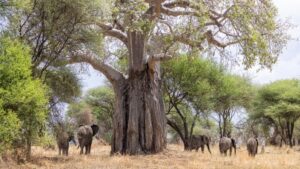
Elephants on safari in Ruaha National Park. Image source: TanzAmerica Safaris.
Why Combine Ruaha with Tanzania’s Northern Circuit?
The greatest advantage is contrast. The Northern Circuit is rightly famous for high concentrations of wildlife, classic savannah scenery, and a well-developed range of camps and lodges. Ruaha feels wilder and more secluded. Its baobab-dotted hills, seasonal rivers, rocky outcrops, and broad plains produce a safari atmosphere distinct from the Serengeti.
A combined itinerary can offer:
- Big cats and vast plains in the Serengeti
- A compact but remarkably rich game drive in Ngorongoro Crater
- Large elephant herds and ancient baobabs in Tarangire
- Rift Valley scenery and diverse habitats around Lake Manyara
- Remote landscapes and low visitor density in Ruaha
- Both famous highlights and less-traveled wilderness
This pairing is especially appealing to repeat safari travelers, photographers, honeymooners, families seeking a private journey, and first-time visitors who want a more complete picture of Tanzania.
Ruaha National Park: Tanzania’s Wild Southern Treasure
Ruaha National Park lies in central-southern Tanzania and forms part of a much larger protected ecosystem. It is known for its sense of space and a landscape shaped by the Great Ruaha River and seasonal waterways. During the dry season, wildlife concentrates around remaining water sources, creating rewarding viewing along riverbanks and sandy channels.
Elephants are among Ruaha’s signature animals. Visitors may also encounter lions, leopards, cheetahs, giraffes, zebras, buffaloes, greater kudu, sable antelope, and many bird species. Sightings always depend on nature, but the park’s varied habitat makes each drive interesting.
Ruaha’s appeal is not based only on a wildlife checklist. It is the feeling of being deep in the bush: listening to birds at sunrise, stopping beside a massive baobab, following fresh tracks, and sometimes driving for long periods without meeting another vehicle. For travelers who value privacy and an unhurried pace, this is a major reason to include Ruaha.
The Northern Circuit Highlights
Serengeti National Park
The Serengeti is the centerpiece of many Tanzania safaris. Its open plains, kopjes, river systems, and woodland areas support exceptional wildlife throughout the year. Lions, cheetahs, leopards, elephants, giraffes, hyenas, and numerous herbivores can all be seen in the wider ecosystem.
The Great Migration moves through different areas according to seasonal rainfall and grazing conditions. From roughly December to April, many herds gather in the southern Serengeti and Ndutu region for the calving season. From around July to October, travelers often focus on northern Serengeti for potential Mara River crossing activity. These are natural events, so precise locations and timing cannot be guaranteed.
Wildebeest herds across the Serengeti. Image source: Lemala Camps & Lodges.
Ngorongoro Crater
Ngorongoro Crater offers a dramatically different setting. Descending from the crater rim reveals grassland, woodland, wetlands, and lakes within a vast volcanic caldera. A game drive can produce sightings of wildebeest, zebra, buffalo, hippo, lion, elephant, and, with luck, the endangered black rhino.
Starting early is valuable because morning conditions are cooler and wildlife can be active. The crater is popular, so visitors should expect more vehicles than in Ruaha. That contrast makes the solitude of the southern park even more noticeable later—or earlier—in the journey.
Wildlife and scenery on the Ngorongoro Crater floor. Image source: Lonely Planet Italia.
Tarangire National Park
Tarangire is celebrated for elephants, baobab trees, and the Tarangire River. In the dry months, the river becomes an important water source, often drawing wildlife from the surrounding ecosystem. The park’s wooded valleys and rolling terrain are visually distinct from the open Serengeti.
Because Tarangire is relatively accessible from Arusha, it works well at the beginning or end of a Northern Circuit itinerary. It is far more than a transit stop and deserves enough time for a proper game drive.
Lake Manyara National Park
Lake Manyara is a compact park beneath the Rift Valley escarpment. Its groundwater forest, open areas, wetlands, and lake-edge habitat create a diverse environment. Baboons, elephants, giraffes, buffaloes, and abundant birdlife may be encountered. Water levels and wildlife distribution change over time, making every visit different.
Travelers with limited time often choose between Lake Manyara and Tarangire. Those with a longer schedule can include both, particularly when the route also features nearby Karatu and Ngorongoro.
How to Connect Ruaha and the Northern Circuit
Ruaha and the Northern Circuit are not neighboring safari areas. A good itinerary must account for this distance instead of treating the combination like a simple road loop. In most cases, a scheduled or chartered bush flight is the most comfortable solution.
A common plan begins at Kilimanjaro International Airport or Arusha, follows the Northern Circuit by road, then connects by air toward Ruaha. The route can also work in reverse, depending on flight schedules, international arrival times, lodge availability, and the preferred pace.
An overland connection is possible in a longer customized expedition, but it adds substantial driving time. Travelers who want to maximize wildlife viewing should generally consider flying for the long regional transfer and using a private 4×4 within each circuit.
Soft-sided luggage is normally preferable on light aircraft, and baggage limits can be stricter than on international flights. Your safari planner should confirm the latest allowance for the specific airline before departure.
Recommended Trip Length
For a satisfying combined safari, allow at least 10 to 12 days. A 13- to 15-day itinerary offers a more relaxed experience, reduces daily rushing, and creates room for longer game drives.
Sample 12-Day Ruaha and Northern Circuit Itinerary
Day 1: Arrival in Arusha
Meet your representative, transfer to your hotel, rest, and receive a safari briefing.
Day 2: Arusha to Tarangire
Drive to Tarangire for an afternoon game drive among baobabs and elephant habitat.
Day 3: Tarangire National Park
Enjoy a full day exploring quieter tracks, river areas, and varied woodland.
Day 4: Lake Manyara and Karatu
Visit Lake Manyara before continuing to the highlands near Ngorongoro.
Day 5: Ngorongoro Crater
Descend early for a crater game drive, then continue toward the Serengeti or stay near the conservation area.
Day 6: Central Serengeti
Explore the productive central region, known for resident wildlife and predators.
Day 7: Full-Day Serengeti Safari
Follow wildlife activity with a flexible full-day game drive and picnic lunch.
Day 8: Serengeti to Arusha or Flight Connection
Take a scheduled flight and position for the onward journey to Ruaha. Exact routing depends on operating schedules.
Day 9: Fly to Ruaha National Park
Arrive at the airstrip, meet the Ruaha guide, and enjoy an introductory game drive.
Days 10–11: Ruaha National Park
Spend two full days around river systems, baobab country, and wildlife-rich plains. Where offered and permitted, a guided walking safari can add another perspective.
Day 12: Departure
Fly onward to Dar es Salaam, Zanzibar, or another agreed connection for the next stage of the holiday.
This example is flexible. Migration-focused travelers may add nights in northern or southern Serengeti, while guests who prioritize solitude may stay longer in Ruaha.
Best Time for Ruaha Safari Northern Circuit Tours
There is no single perfect month for every interest. The best travel period depends on whether the priority is migration, predator sightings, scenery, birding, photography, or fewer visitors.
June to October: Dry-Season Wildlife Viewing
These months are popular because vegetation becomes thinner and animals frequently gather near water. Ruaha is particularly rewarding as seasonal water sources contract. Roads are generally easier to navigate, and cooler mornings are comfortable for game drives.
July through September also aligns with the period when migration herds may be in the northern Serengeti. This is peak season, so early reservations are strongly recommended.
December to March: Calving Season and Green Landscapes
The southern Serengeti and Ndutu area become a major focus during the calving season, usually from late December into March. Fresh grass, newborn wildebeest, and predator activity make this period attractive to wildlife enthusiasts and photographers.
Ruaha during the greener months can be beautiful, with dramatic skies and excellent birdlife. Wildlife may be more dispersed, and rain can affect some roads or flight operations, but visitor numbers are often lower.
April and May: Rainy-Season Considerations
These are commonly the wettest months. Some remote camps may close temporarily, and access can be more challenging. Travelers considering this period should use an operator who can verify camp operations, road conditions, and flight schedules before confirming the route.
Accommodation Choices
The combined route supports several comfort levels. Mid-range tented camps provide beds, private bathrooms, and close contact with the sounds of the bush. Luxury camps may add larger suites, premium dining, private plunge pools, and highly personalized service. Lodges are another good option for families or guests who prefer permanent buildings and extensive facilities.
Public camping is available on some routes but requires more time and logistical planning, especially when combining distant regions. Private mobile or fly-camping experiences may be offered in selected locations under appropriate arrangements.
When comparing prices, check whether the quote includes domestic flights, park and concession fees, accommodation, meals, drinking water, airport transfers, game drives, and applicable taxes. A lower headline price may exclude important regional connections.
Private or Shared Safari?
A private safari is generally the best format for this combined journey. It allows control over departure times, photographic stops, daily pace, and room configuration. It also makes it easier to coordinate road sectors with bush flights.
Shared safaris can offer good value on standard Northern Circuit routes, but they usually follow fixed itineraries and do not extend to Ruaha. One practical option is to join a shared Northern Circuit departure, then book Ruaha as a separate fly-in extension. Travelers should compare the convenience and total cost with a fully private itinerary.
What to Pack
Pack light, neutral-colored clothing that can be layered. Mornings around Ngorongoro can be cold, while midday temperatures in Ruaha may feel much warmer. Useful items include:
- A warm jacket or fleece
- Lightweight long-sleeved shirts and trousers
- Comfortable closed shoes
- Sun hat, sunglasses, and sunscreen
- Binoculars and camera equipment
- Personal medication and insect repellent
- Soft-sided luggage for bush flights
- Spare batteries or a power bank
Avoid very bright clothing in the bush. Dark blue and black can attract tsetse flies in some areas, including parts of Tarangire, so khaki, olive, beige, and other neutral colors are practical choices.
Responsible Safari Travel
Responsible travel protects the landscapes and animals that make Tanzania extraordinary. Follow park rules, keep a respectful distance from wildlife, never ask a guide to drive off permitted tracks, and avoid feeding animals. Reduce single-use plastics where possible and use refillable water bottles when supplied.
Choosing locally operated services helps tourism income support Tanzanian jobs and communities. Respectful cultural visits should be organized transparently and should benefit the host community rather than treating people as entertainment.
Planning Costs
The price of a combined safari varies according to season, number of travelers, accommodation category, private or shared arrangements, and domestic flight availability. Park fees and regional air transfers form a significant part of the total.
For the most accurate quotation, provide your intended dates, group size, room requirements, international flight details, accommodation preference, and approximate budget. A specialist can then balance comfort, travel time, and park selection without weakening the wildlife experience.
Start Planning Your Tanzania Journey
The best Ruaha safari Northern Circuit tours bring together two sides of Tanzania: the legendary wildlife destinations travelers have dreamed about and the remote southern landscapes they may not yet know. With smart flight connections, enough nights in each park, and a knowledgeable guide, the result is an exceptional safari filled with variety rather than unnecessary rushing.
Kilipath African Safaris can create a private itinerary around your travel dates, preferred accommodation, group size, and budget. Whether you want a migration-focused adventure, a honeymoon, a family safari, a photographic journey, or a Zanzibar extension, the route can be tailored to you.
Contact Kilipath African Safaris today for a personalized Ruaha and Northern Circuit itinerary and quotation. Let us turn Tanzania’s famous highlights and hidden wilderness into one unforgettable journey.