

Budget Ngorongoro Crater Safari Holiday
Planning a budget Ngorongoro Crater safari holiday from Arusha? Compare a crater day trip, a two-day Tarangire and Ngorongoro safari, or a…
Read articleArusha City - Tanzania
Safari & Travel Tips
August 17, 2026 · 14 min read
A Serengeti safari Arusha itinerary is one of the most rewarding ways to experience Tanzania’s legendary wildlife and landscapes. Arusha is the main gateway to Tanzania’s Northern Safari Circuit, making it a convenient starting point for journeys to Serengeti National Park, Ngorongoro Crater, Tarangire National Park, and Lake Manyara National Park.
Whether you are planning your first African safari, a wildlife photography adventure, a honeymoon, a family holiday, or a private luxury experience, starting your Serengeti safari from Arusha gives you excellent flexibility when designing your itinerary.
This complete guide explains how to travel from Arusha to Serengeti, recommended safari lengths, sample itineraries, wildlife experiences, accommodation choices, the best time to visit, what to pack, and important planning tips.
Arusha is often called the safari capital of Tanzania because of its strategic location close to the country's famous Northern Circuit parks. Many international travelers arrive through Kilimanjaro International Airport before transferring to Arusha for an overnight stay and beginning their safari the following morning.
Starting in Arusha allows travelers to combine Serengeti with several other outstanding wildlife destinations without needing to return to the same location every day.
A typical Northern Circuit route may include:
Traveling this route also allows you to experience the dramatic changes in Tanzania's scenery, from busy Arusha and rural villages to the Rift Valley, Ngorongoro highlands and the enormous open plains of Serengeti.
Serengeti National Park is several hours from Arusha by road. The exact journey time depends on your destination within Serengeti, road conditions, wildlife sightings, stops and whether you visit another park along the way.
Instead of treating the journey simply as transportation, most safari itineraries turn it into part of the adventure.
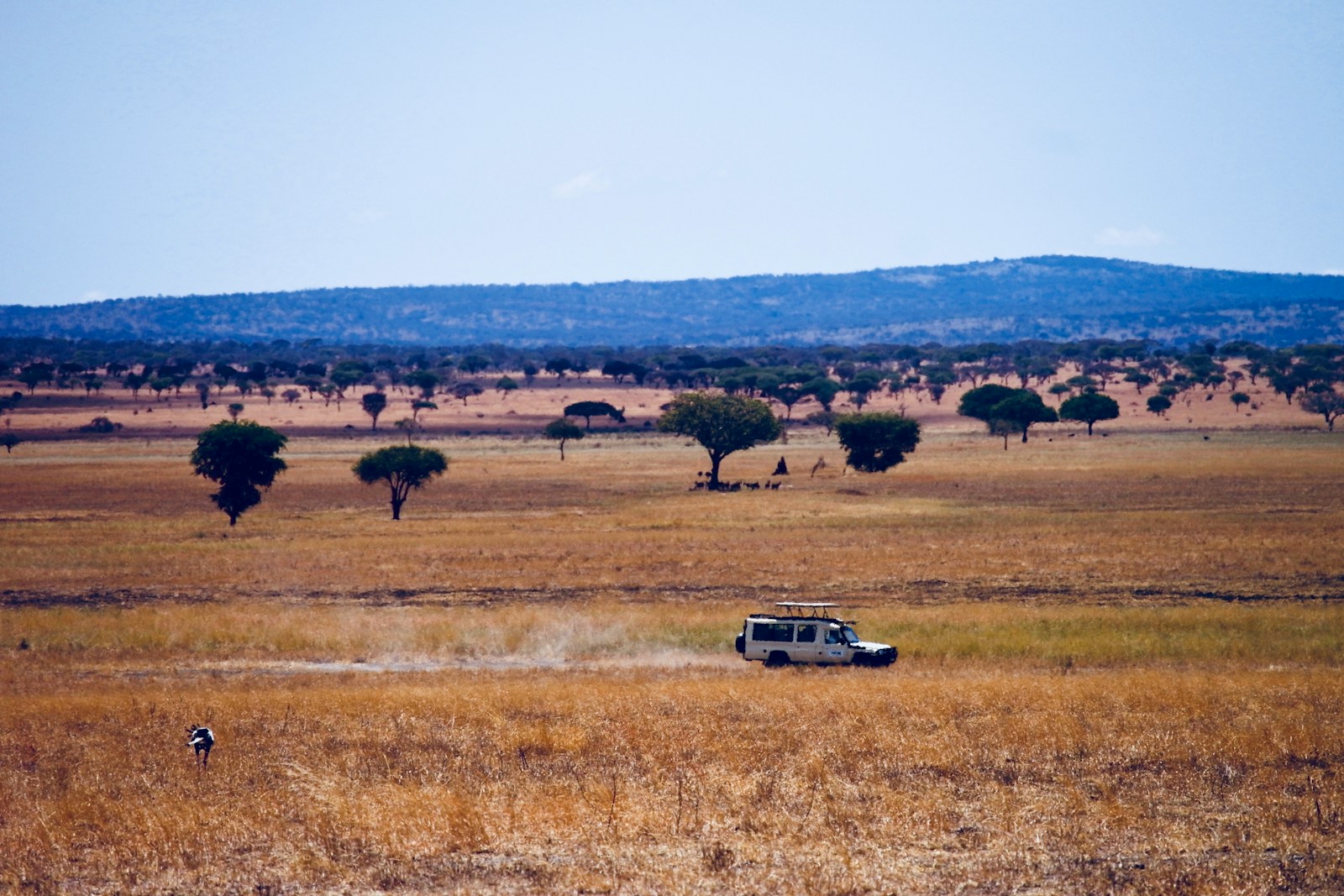
For example, travelers can visit Tarangire before continuing toward Serengeti or travel through the Ngorongoro Conservation Area. As you approach Serengeti, the landscape gradually opens into the spectacular grasslands for which the park is famous.
Travelers who want to reduce driving time can also consider a fly-in Serengeti safari, using scheduled domestic flights between Arusha and airstrips inside Serengeti.
The ideal safari duration depends on your budget, interests and the number of parks you want to visit.
A three-day safari is suitable for travelers with very limited time. It normally focuses on Serengeti and Ngorongoro, but the itinerary can feel relatively fast because of the distances involved.
Four days provides a better balance between travel and game-drive time. A common itinerary combines Serengeti with Ngorongoro Crater and sometimes Tarangire.
Five days is an excellent choice for first-time visitors. You can spend more time searching for wildlife in Serengeti while including Ngorongoro and another Northern Circuit destination.
Six or seven days provides a much more relaxed safari experience. This duration is particularly suitable for photographers, honeymooners, families and travelers interested in the Great Migration.
Longer itineraries can also include Northern Serengeti, depending on the season.
Your adventure begins in Arusha, where you meet your professional safari guide and depart toward Tarangire National Park.
Tarangire is particularly famous for its enormous baobab trees and large elephant populations. During the dry season, the Tarangire River attracts wildlife from across the surrounding ecosystem.
During your game drive, possible sightings include:
After your game drive, continue to your accommodation for dinner and an overnight stay.
After breakfast, begin your journey toward the legendary Serengeti.
The route takes you through changing landscapes and eventually toward the Ngorongoro Conservation Area. As you continue toward Serengeti, the scenery transforms into vast plains stretching toward the horizon.
Entering Serengeti is one of the unforgettable moments of a Tanzania safari.
Your first Serengeti game drive begins as you travel toward your camp or lodge. Wildlife can appear almost immediately, so the transfer itself becomes part of the day's safari experience.
Spend the evening surrounded by the wilderness before enjoying dinner and your overnight stay.
Wake up in the heart of one of Africa's greatest wildlife ecosystems.
After breakfast, spend the day exploring Serengeti with your safari guide. The itinerary can be adjusted according to wildlife movements and recent sightings.
Serengeti is particularly famous for predators.
You may encounter:
The plains also support huge numbers of herbivores, including wildebeest, zebra, gazelle, buffalo, giraffe, elephant and many other species.
Your guide will search different habitats, including open plains, river areas, rocky kopjes and woodland.
The famous Serengeti kopjes are particularly interesting because lions and other predators sometimes use these rocky formations as resting or observation points.
After an exciting day of wildlife viewing, return to your Serengeti accommodation for dinner and overnight.
Enjoy another game drive in Serengeti before beginning your journey toward the Ngorongoro Conservation Area.
Morning game drives can be particularly rewarding because wildlife is often active during the cooler hours.
Depending on your route and schedule, you may continue searching for predators and other wildlife before leaving Serengeti.
Later, travel toward the Ngorongoro highlands.
The landscape changes dramatically as you leave the Serengeti plains and enter the greener highlands surrounding Ngorongoro.
Spend the night near the crater, preparing for another major safari highlight the following morning.
After an early breakfast, descend into the magnificent Ngorongoro Crater for a game drive.
The crater is one of Tanzania's most extraordinary wildlife destinations. Its relatively compact ecosystem supports an impressive concentration of animals.
Possible sightings include:
Ngorongoro is also one of the destinations where travelers may have an opportunity to see the endangered black rhino, although wildlife sightings can never be guaranteed.
After exploring the crater and enjoying your safari experience, ascend the crater walls and begin the drive back to Arusha.
Your guide can drop you at your hotel or another agreed location, marking the end of your unforgettable Tanzania safari.
Travelers with less time can consider:
Day 1: Arusha → Serengeti National Park
Day 2: Full-day Serengeti game drive
Day 3: Serengeti → Ngorongoro Conservation Area
Day 4: Ngorongoro Crater → Arusha
This itinerary concentrates heavily on Serengeti and Ngorongoro.
However, because Arusha and Serengeti are separated by a considerable distance, travelers should expect longer driving periods.
Travelers wanting a more comfortable pace can choose six days:
Day 1: Arusha → Tarangire
Day 2: Tarangire → Serengeti
Day 3: Full-day Central Serengeti
Day 4: Full-day Serengeti
Day 5: Serengeti → Ngorongoro
Day 6: Ngorongoro Crater → Arusha
Having two full days in Serengeti gives you more opportunities to explore different wildlife areas without rushing.
For travelers who want a comprehensive Northern Tanzania safari, seven days offers even greater flexibility.
An example route is:
Day 1: Arusha → Tarangire
Day 2: Tarangire → Central Serengeti
Day 3: Full-day Central Serengeti
Day 4: Serengeti exploration
Day 5: Serengeti → Ngorongoro
Day 6: Ngorongoro Crater
Day 7: Lake Manyara → Arusha
The exact route should be adapted according to the season, wildlife movements and your interests.
Serengeti is internationally famous because of its wildlife abundance, enormous landscapes and the Great Migration.
The name Serengeti is associated with seemingly endless plains, and once you enter the ecosystem it is easy to understand why.
Rather than visiting a zoo-like environment where animals remain in predictable locations, a Serengeti safari involves searching for completely wild animals moving freely across an enormous ecosystem.
Every game drive can therefore be different.
One morning you might spend considerable time watching a pride of lions resting beside a kopje. Later, you could encounter elephants crossing the road, giraffes feeding among acacia trees or cheetahs scanning the plains.
This unpredictability is an important part of the safari experience.
One of the biggest reasons travelers visit Serengeti is the Great Wildebeest Migration.
Huge numbers of wildebeest, accompanied by zebra and other herbivores, move through the Serengeti–Mara ecosystem following seasonal rainfall and fresh grazing.
Because the animals are constantly moving, the best Serengeti region depends on the month of travel.
The southern Serengeti and Ndutu region becomes particularly important during the calving period. Large concentrations of wildebeest gather on the nutrient-rich plains.
The presence of young animals also attracts predators.
The herds generally move through different parts of the Serengeti ecosystem as seasonal conditions change.
Northern Serengeti becomes particularly popular because migrating herds may gather around the Mara River.
River crossings are famous but unpredictable natural events. No responsible safari operator can guarantee a crossing on a particular day.
The migration begins shifting again as changing rainfall influences the availability of grazing.
Migration routes vary each year, so safari itineraries should remain flexible.
Central Serengeti, particularly the Seronera region, is one of the most popular areas of the park.
Its mixture of grassland, riverine vegetation and rocky kopjes creates excellent habitat for many animals.
Central Serengeti is especially well known for year-round predator viewing.
For first-time travelers who cannot spend many days in Serengeti, Central Serengeti is often a practical choice because it offers diverse wildlife experiences throughout much of the year.
Northern Serengeti is quieter and more remote than many areas of Central Serengeti.
It becomes particularly popular between approximately July and October when migration herds may move through the region and approach the Mara River.
Because of the considerable distance between Central and Northern Serengeti, travelers interested in this area should consider adding extra safari days rather than attempting to include everything in a very short itinerary.
The Ndutu region becomes especially important during the green season and wildebeest calving period.
Travelers visiting from roughly December through March often design their itinerary around this region rather than Northern Serengeti.
The open plains provide excellent photography opportunities and can attract cheetahs, lions, hyenas and other predators.
Serengeti can be visited throughout the year.
The best period depends more on the experience you want than on finding a single "best" month.
This is Tanzania's main dry season and one of the most popular periods for safaris.
Vegetation generally becomes thinner and animals often gather near reliable water sources.
This period is particularly attractive for travelers interested in the southern Serengeti and Ndutu calving season.
The green landscapes can also be beautiful for photography.
These months generally experience more rainfall.
There can still be excellent wildlife viewing, while some areas may feel quieter than during peak safari season.
Short seasonal rains can transform the landscapes and create beautiful green scenery.
Both options can provide excellent wildlife experiences, but they suit different travelers.
A private safari normally gives you exclusive use of your safari vehicle and guide.
This provides greater flexibility regarding departure times, photography stops and how long you spend at particular wildlife sightings.
Private safaris are particularly suitable for:
A road safari allows you to experience several landscapes and destinations along the way.
It is usually the preferred choice for travelers wanting to combine multiple parks.
A fly-in safari reduces road travel and gives you more time inside Serengeti.
Scheduled light aircraft connect Arusha with various Serengeti airstrips.
Fly-in safaris can be particularly attractive for honeymooners, luxury travelers, elderly travelers or visitors with limited vacation time.
Pack lightly and prioritize practical clothing.
Useful items include:
Ngorongoro mornings can be considerably cooler than Serengeti afternoons, so carrying a warm layer is particularly useful.
Road and wildlife conditions in Serengeti can be challenging, particularly during rainy periods.
A purpose-built 4x4 safari vehicle provides better access to wildlife areas and improves comfort during long game drives.
Pop-up roofs are especially useful because passengers can stand safely during permitted wildlife viewing stops and enjoy better visibility for photography.
Absolutely.
Few wildlife destinations offer the combination of enormous landscapes, predator populations, migration movements and diverse ecosystems found in Serengeti.
Starting in Arusha makes it possible to experience Serengeti as part of a larger Northern Tanzania adventure rather than visiting a single destination.
A well-designed Serengeti safari Arusha itinerary can combine elephants beneath Tarangire's baobabs, lions on the Serengeti plains, spectacular Ngorongoro scenery and unforgettable encounters with Tanzania's wildlife.
Book early if you are traveling during peak safari periods, particularly if you have specific accommodation preferences.
Choose your Serengeti region according to the season rather than automatically following the same itinerary throughout the year.
Allow enough time. Serengeti is enormous, and trying to cover too much territory in a short safari can result in excessive driving.
Tell your safari consultant what matters most to you. Wildlife photography, migration viewing, honeymoon experiences, family travel and budget camping all require slightly different itinerary designs.
Finally, maintain realistic expectations. Safari is about observing nature as it happens. The unpredictability of wildlife is exactly what makes every Serengeti journey unique.
A Serengeti Safari Arusha Itinerary offers travelers an exceptional introduction to Tanzania's Northern Safari Circuit. Beginning in Arusha gives you the flexibility to combine Serengeti National Park with Tarangire, Ngorongoro Crater, Lake Manyara and other attractions according to your available time and interests.
For most first-time visitors, a five- to seven-day itinerary provides a comfortable balance between travel time and wildlife viewing. Travelers with fewer days can still experience Serengeti and Ngorongoro, while longer itineraries provide more opportunities for photography, migration tracking and relaxed game drives.
From watching lions resting on Serengeti kopjes to observing elephants crossing the plains and descending into Ngorongoro Crater, every day offers something different.
With thoughtful planning, an experienced safari guide and an itinerary matched to the season, your journey from Arusha to Serengeti can become one of the most memorable travel experiences in Africa.
Planning a budget Ngorongoro Crater safari holiday from Arusha? Compare a crater day trip, a two-day Tarangire and Ngorongoro safari, or a…
Read articleA Tanzania safari from Zanzibar can mean a short mainland trip during your beach holiday or a complete package with flights, game…
Read articleLooking for a group Tanzania safari price from Kilipath African Safaris? A published example for our four-day shared camping safari through Tarangire,…
Read articlePair game drives on Tanzania’s mainland with a few days on Zanzibar’s coast. With Kilipath African Safaris, you can start in Arusha…
Read article

