A Serengeti safari holiday is one of the most remarkable wildlife experiences in Africa. Located in northern Tanzania, Serengeti National Park is famous for its enormous open plains, abundant wildlife, spectacular predators, and the legendary Great Wildebeest Migration.
Whether you are planning your first African safari, a romantic honeymoon, a family adventure, or a photography-focused journey, a Serengeti safari holiday offers opportunities to experience Tanzania’s wilderness at its best.
Why Choose a Serengeti Safari Holiday?
The Serengeti is one of Tanzania’s most celebrated safari destinations. Its vast grasslands support an extraordinary variety of wildlife throughout the year.
A typical Serengeti safari holiday gives travelers the opportunity to search for lions, elephants, leopards, cheetahs, buffaloes, giraffes, zebras, wildebeest, hyenas, hippos, and numerous antelope species.
The park is particularly famous for its predator populations. Lions are frequently encountered in many areas, while cheetahs can often be seen scanning the open plains for prey. Leopards are more elusive but may be spotted resting in trees or moving through riverine vegetation.
Beyond individual wildlife sightings, one of the greatest attractions is simply the scale of the landscape. The seemingly endless plains create a genuine feeling of being deep inside the African wilderness.
The Great Wildebeest Migration
For many travelers, the Great Migration is the main reason for booking a Serengeti safari holiday.
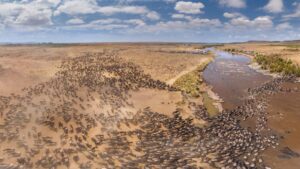
More than a million wildebeest, accompanied by hundreds of thousands of zebras and other grazing animals, move through the Serengeti ecosystem in search of fresh grass and water.
The migration is a continuous natural cycle rather than a single event. Its exact location changes according to rainfall, grazing conditions, and other environmental factors.
December to March – Southern Serengeti and Ndutu
During this period, large herds generally gather around the southern Serengeti and Ndutu ecosystem.
January and February are particularly associated with the calving season. Thousands of young wildebeest are born during this period, creating exceptional wildlife viewing.
The abundance of vulnerable young animals also attracts predators such as lions, cheetahs, hyenas, and leopards.
April to June – Western and Central Movement
As conditions change, the herds gradually begin moving northward. Depending on rainfall patterns, travelers may encounter impressive concentrations of wildebeest across different parts of the Serengeti.
This can be an excellent period for visitors wanting migration experiences with potentially fewer vehicles than during the busiest peak-season months.
July to October – Northern Serengeti
During the dry season, significant numbers of migrating animals generally reach the northern Serengeti.
This period is particularly famous for the dramatic Mara River crossings. Wildebeest may gather near the river before attempting to cross while crocodiles wait in the water.
River crossings are completely natural events and cannot be guaranteed on a particular day or at a particular hour. Allowing several days in Northern Serengeti can improve the chances of witnessing migration activity.
November – The Journey South
As seasonal rains return, the herds generally begin moving south again toward the fertile plains.
Because rainfall varies from year to year, migration locations should always be treated as approximate rather than fixed.
Best Time for a Serengeti Safari Holiday
The Serengeti is a year-round safari destination.
The best month depends primarily on what you want to experience.
January–February: Excellent for the southern migration and calving season.
March–May: Green landscapes, dramatic skies, fewer visitors in some areas, and excellent photography opportunities.
June: A transitional migration period with good general wildlife viewing.
July–September: Excellent dry-season wildlife viewing and one of the strongest periods for Northern Serengeti migration experiences.
October: Good wildlife viewing as the migration gradually begins shifting south.
November–December: Greener landscapes return and migrating herds may move toward central and southern areas.
Travelers who are not specifically targeting the migration can enjoy an excellent Serengeti safari holiday during almost any month of the year.
Wildlife You Can See in Serengeti
Serengeti National Park has an exceptionally diverse wildlife population.
During your safari, possible sightings include:
- Lions
- Leopards
- Cheetahs
- Elephants
- Buffaloes
- Giraffes
- Wildebeest
- Zebras
- Hippos
- Crocodiles
- Hyenas
- Jackals
- Warthogs
- Gazelles
- Elands
- Topis
- Baboons
Bird enthusiasts can also enjoy an impressive variety of resident and migratory species.
Every game drive is different. Wildlife moves freely throughout the ecosystem, which makes each safari experience unpredictable and exciting.
Central Serengeti – Seronera
Central Serengeti, particularly the Seronera region, is one of the most popular areas of the national park.
Unlike migration-focused locations that are particularly productive during certain seasons, Central Serengeti offers strong resident wildlife viewing throughout much of the year.
The Seronera Valley has permanent water sources and attracts numerous herbivores and predators.
Travelers may encounter lions resting near kopjes, elephants moving through the plains, hippos in pools, giraffes feeding on acacia trees, and occasionally leopards resting above the ground.
For first-time visitors, spending at least one or two nights in Central Serengeti is highly recommended.
Northern Serengeti
Northern Serengeti has a different character from the central plains.
Its landscapes include rolling hills, woodland, open grasslands, and river systems. From approximately July through October, it becomes particularly important for travelers hoping to follow the Great Migration.
The Mara River is the area’s most famous attraction.
However, Northern Serengeti should not be treated solely as a migration destination. It also supports resident wildlife, including elephants, lions, giraffes, buffaloes, and various antelope species.
Because of the additional driving distances involved, travelers interested specifically in Northern Serengeti should plan enough safari days to enjoy the region comfortably.
Southern Serengeti and Ndutu
The southern ecosystem becomes particularly important during the green season.
From approximately December through March, large numbers of wildebeest and zebra may gather across the short-grass plains.
The calving period around January and February makes this region particularly exciting.
Predator activity can be intense because lions, cheetahs, hyenas, and other carnivores take advantage of the concentration of prey.
A southern Serengeti safari can therefore be an excellent choice for wildlife photographers and travelers interested in predator-prey interactions.
How Many Days Do You Need in Serengeti?
A minimum of two to three days is recommended for travelers who want a meaningful Serengeti experience.
However, four or more days can provide a more relaxed safari and allow greater flexibility for wildlife viewing.
For example:
3-Day Serengeti Safari
A short itinerary can work for travelers with limited time. It normally involves significant travel, so careful planning is important.
4-Day Serengeti Safari
Four days allows travelers to combine Serengeti with another major Northern Circuit destination such as Ngorongoro Crater.
5-Day Safari
A five-day itinerary provides a more balanced experience and can combine Serengeti, Ngorongoro and Tarangire.
6–8 Day Safari
This is ideal for travelers wanting a deeper Northern Circuit experience with additional game drives and less pressure to move quickly between destinations.
Longer itineraries are especially useful when targeting seasonal migration areas such as Northern Serengeti.
Sample 5-Day Serengeti Safari Holiday
Day 1: Arusha – Tarangire National Park
Depart Arusha in the morning and travel to Tarangire National Park.
Enjoy a game drive searching for elephants, giraffes, zebras, wildebeest, lions, and other wildlife. Tarangire is particularly famous for its elephant populations and ancient baobab trees.
Overnight near Tarangire or Karatu.
Day 2: Tarangire/Karatu – Serengeti National Park
Travel toward Serengeti through the beautiful landscapes of northern Tanzania.
After entering Serengeti National Park, continue with an afternoon game drive while traveling toward your accommodation.
Overnight in Serengeti.
Day 3: Full-Day Serengeti Safari
Spend the day exploring Serengeti.
Your guide will select wildlife-viewing areas according to recent animal movements and conditions.
A full day provides more opportunities to search for predators and spend additional time observing interesting sightings.
Overnight in Serengeti.
Day 4: Serengeti – Ngorongoro Area
Enjoy another game drive before gradually traveling toward the Ngorongoro Conservation Area.
The journey itself provides additional opportunities for wildlife sightings.
Overnight near Ngorongoro or Karatu.
Day 5: Ngorongoro Crater – Arusha
Descend into Ngorongoro Crater for a game drive.
The crater supports a remarkable concentration of wildlife, including buffaloes, zebras, wildebeest, elephants, lions, hippos, and numerous bird species.
After the game drive, return to Arusha.
Private vs Shared Serengeti Safari
Travelers can choose between private and shared safari arrangements.
Private Serengeti Safari
A private safari provides your own vehicle and professional safari guide.
It offers considerably greater flexibility because your group can determine how long to remain at wildlife sightings, when to stop for photographs, and how the day’s activities are organized.
Private safaris are particularly suitable for:
- Couples and honeymooners
- Families
- Wildlife photographers
- Groups of friends
- Travelers wanting greater flexibility
- Guests following specific migration locations
Shared Serengeti Safari
A shared safari allows travelers to join other guests in one safari vehicle.
This is generally more affordable because transportation and guide costs are divided among participants.
Shared safaris are excellent for solo travelers, couples, friends, and budget-conscious visitors who do not mind following a predetermined itinerary.
Serengeti Safari Accommodation
Accommodation can significantly influence both the price and overall experience of your Serengeti safari holiday.
Camping Safaris
Camping is generally the most economical option.
Travelers stay at campsites and enjoy a more adventurous experience close to nature.
Camping is suitable for visitors who prioritize wildlife experiences over luxury accommodation.
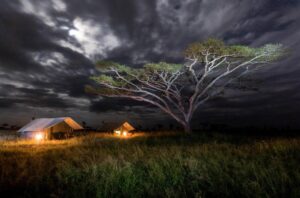
Mid-Range Lodges and Tented Camps
Mid-range accommodation provides additional comfort while maintaining the safari atmosphere.
Depending on the property, rooms or permanent safari tents may include comfortable beds, private bathrooms, hot showers, dining facilities, and attractive wilderness locations.
This category offers an excellent balance between price and comfort.
Luxury Serengeti Safaris
Luxury lodges and tented camps provide higher levels of comfort and personalized service.
Depending on the property, amenities may include spacious suites, swimming pools, premium dining, private decks, exceptional locations, and personalized safari services.
Luxury safaris are popular for honeymoons, anniversaries, and special celebrations.
What Does a Serengeti Safari Cost?
There is no single fixed price for a Serengeti safari.
The total cost depends on several factors, including:
- Number of safari days
- Private or shared safari
- Number of travelers
- Accommodation category
- Travel season
- Parks included
- Road or fly-in transportation
- Domestic flights
- Optional activities
- Seasonal migration location
Camping and shared safaris are generally the most affordable.
Private mid-range safaris cost more but provide additional flexibility and comfort.
Luxury safaris can cost considerably more because premium accommodation forms a significant portion of the package price.
When comparing safari quotations, travelers should compare what is included, rather than looking only at the final price.
What Should a Serengeti Safari Package Include?
A well-organized Tanzania safari package will commonly include many of the essential services required during the trip, such as safari transportation, park fees, accommodation, meals according to the itinerary, drinking water, and professional guiding.
Before confirming your trip, check carefully whether the quotation includes:
- National park entrance fees
- Conservation fees
- Accommodation
- Meals
- Safari vehicle
- Professional safari guide
- Drinking water
- Airport or hotel transfers
- Domestic flights, when required
Also check which expenses are excluded, such as international flights, visas, travel insurance, gratuities, personal purchases, and optional activities.
Safari Vehicles
Road-based Serengeti safaris are normally conducted using specially prepared 4×4 safari vehicles.
A good safari vehicle should provide comfortable wildlife viewing and photography opportunities.
Pop-up roofs are particularly useful because passengers can stand safely inside the vehicle while observing wildlife.
During longer journeys, charging facilities can also be useful for phones and cameras.
Serengeti Fly-In Safari
Travelers with limited time may consider a fly-in safari.
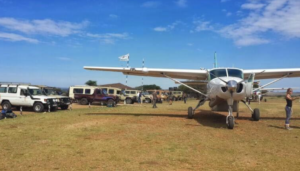
Instead of driving the entire distance between Arusha and Serengeti, visitors can take a domestic flight to an airstrip within or near the park.
Fly-in safaris can significantly reduce road-transfer time.
They are particularly attractive for:
- Short luxury holidays
- Honeymoon safaris
- Travelers combining Zanzibar and Serengeti
- Northern Serengeti migration trips
- Visitors prioritizing game-viewing time
Flying usually increases the total safari price, but it can provide substantially more time inside the wildlife areas.
Serengeti and Zanzibar Holiday
Combining safari and Zanzibar is one of Tanzania’s most popular holiday combinations.
Travelers can spend several days exploring Serengeti, Ngorongoro and other national parks before flying to Zanzibar.
After early mornings and adventurous game drives, Zanzibar offers a contrasting experience of beaches, warm Indian Ocean waters, historic Stone Town, cultural excursions, and relaxation.
A typical Tanzania itinerary might include 5–7 days of safari followed by 4–7 nights in Zanzibar.
Serengeti and Ngorongoro Safari
Serengeti and Ngorongoro are naturally complementary destinations.
Serengeti provides enormous landscapes and extensive game viewing, while Ngorongoro offers the opportunity to descend into a volcanic caldera containing a high concentration of wildlife.
Combining the two destinations is especially convenient because they form part of Tanzania’s famous Northern Safari Circuit.
Travelers with additional time can also include Tarangire National Park.
Hot-Air Balloon Safari
A hot-air balloon flight is one of the most memorable optional experiences available during a Serengeti holiday.
Flights normally take place around sunrise.
Passengers float above the plains while observing the landscape from an entirely different perspective.
Because availability can be limited during popular travel periods, travelers interested in ballooning should consider reserving it in advance.
Serengeti Safari for Honeymooners
The Serengeti is an exceptional honeymoon destination.
Couples can combine private game drives, beautiful tented camps, romantic dinners, sunrise experiences, and luxury accommodation.
A private safari is particularly attractive for honeymooners because it provides additional flexibility and privacy.
The safari can then be combined with Zanzibar for several days of beach relaxation.
Serengeti Safari for Families
Families can also enjoy Serengeti, although itinerary design becomes especially important when traveling with younger children.
Long drives should be balanced with comfortable accommodation and appropriate breaks.
A private vehicle is often the preferred choice for families because game-drive times can be adjusted according to the children’s comfort and energy levels.
Photography in Serengeti
Serengeti is one of Africa’s outstanding wildlife photography destinations.
The open landscapes provide excellent opportunities for photographing animals against dramatic horizons.
Useful equipment may include:
- Camera with telephoto lens
- Extra batteries
- Memory cards
- Beanbag or camera support
- Lens-cleaning equipment
- Protective camera bag
- Power bank
Serious photographers should consider a private safari because it allows greater control over positioning and the amount of time spent at individual sightings.
What to Pack for a Serengeti Safari Holiday
Packing light and practically can make your safari more comfortable.
Recommended items include:
- Lightweight neutral-colored clothing
- Comfortable shoes
- Warm jacket or fleece
- Sun hat
- Sunglasses
- Sunscreen
- Insect repellent
- Camera
- Binoculars
- Personal medication
- Reusable water bottle
- Small day bag
Morning and evening temperatures can be surprisingly cool, particularly around Ngorongoro and during certain seasons.
Neutral colors such as beige, brown, khaki, and green are generally practical for safari.
Is Serengeti Suitable for First-Time Safari Travelers?
Absolutely.
Serengeti is one of the best destinations for a first African safari because it combines spectacular scenery, abundant wildlife, professional safari infrastructure, and numerous accommodation choices.
First-time visitors can combine it with Ngorongoro and Tarangire for a diverse introduction to Tanzania.
How to Plan the Best Serengeti Safari Holiday
Start by deciding what you most want to experience.
If the Great Migration is your priority, choose your dates and region according to the expected seasonal movement of the herds.
If general wildlife viewing is your main objective, Central Serengeti can be rewarding throughout the year.
Next, determine your preferred comfort level and budget. Decide whether camping, mid-range or luxury accommodation best suits your travel style.
Finally, allow enough time.
Trying to cover too many destinations in too few days can result in excessive driving. A well-paced itinerary usually provides a better safari experience than simply visiting the maximum possible number of parks.
A Serengeti safari holiday offers much more than simply seeing African wildlife. It provides the opportunity to experience vast wilderness, extraordinary predator-prey interactions, beautiful landscapes, and one of the world’s greatest natural wildlife movements.
From watching lions resting beneath acacia trees to seeing thousands of wildebeest spread across the plains, every day in Serengeti can produce a completely different experience.
The key to planning a successful Serengeti safari holiday is choosing the right season, allowing enough time inside the park, selecting suitable accommodation, and creating an itinerary that matches your interests and budget.
Whether you choose an affordable camping adventure, comfortable mid-range safari, private honeymoon journey, migration-focused expedition, or luxury fly-in experience, Serengeti remains one of Tanzania’s most unforgettable safari destinations.