Choosing an experienced Serengeti safari Lake Manyara operator is one of the most important parts of planning a Tanzania wildlife holiday. These two national parks provide very different safari experiences and combine well within Tanzania’s famous Northern Safari Circuit.
The Serengeti is known for enormous open plains, predators, resident wildlife and the Great Migration, while Lake Manyara offers a contrasting environment of groundwater forest, wetlands, Rift Valley scenery and an alkaline lake.
For travelers looking for a safari that combines iconic African wildlife with varied landscapes, a Serengeti and Lake Manyara itinerary can be an excellent choice.
At Kilipath African Safaris, travelers can arrange private or shared safari options, professional driver-guides, safari vehicles, accommodation and customized itineraries according to their available time and preferred travel style.
Why Combine Serengeti and Lake Manyara?
One of the biggest advantages of combining these parks is variety.
In Serengeti National Park, safari travelers encounter huge grasslands where lions, elephants, giraffes, zebras, wildebeest, buffalo, cheetahs and many other animals can be observed.
Lake Manyara, on the other hand, has a surprisingly diverse landscape for a relatively compact park. Tanzania National Parks describes it as a combination of groundwater forest, acacia woodland, floodplains, wetlands and an alkaline lake beneath the Great Rift Valley escarpment.
Visiting both therefore gives you two noticeably different Tanzania safari environments in a single itinerary.
Serengeti National Park Safari
Serengeti National Park is one of Tanzania’s best-known wildlife destinations.
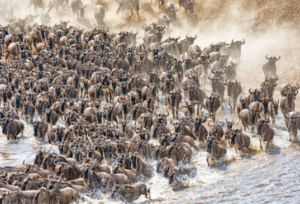
The park forms part of the greater Serengeti ecosystem and is internationally associated with the annual movement of huge populations of wildebeest, zebras and other grazing animals.
TANAPA describes the broader Serengeti migration as a continuous annual movement involving very large numbers of wildebeest as animals follow rainfall and fresh grazing.
However, the migration should not be treated as a fixed event occurring at one exact location every year. Wildlife movements depend heavily on rainfall and environmental conditions.
Wildlife to Look For in Serengeti
During a Serengeti safari you may encounter:
- Lions
- Leopards
- Cheetahs
- Elephants
- Buffalo
- Giraffes
- Wildebeest
- Zebras
- Hyenas
- Gazelles
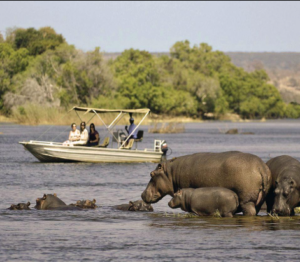
- Hippos
- Crocodiles
- Many species of birds
Even when the main migration herds are elsewhere, Serengeti supports abundant resident wildlife, making it an attractive safari destination throughout the year.
The Great Migration
The Great Migration is one of the main reasons travelers search for a specialized Serengeti safari Lake Manyara operator.
Different regions of the Serengeti become important during different periods.
As a general planning guide, southern Serengeti and the Ndutu ecosystem are associated with the calving season early in the year. During the middle months, migrating herds gradually move through central and western/northern areas, while northern Serengeti becomes especially important during parts of the dry season.
Exact timing changes because wildlife follows rainfall and grazing conditions.
A knowledgeable safari operator can therefore recommend which Serengeti region to include based on your specific travel dates rather than simply using the same itinerary throughout the year.
Lake Manyara National Park Safari
Lake Manyara National Park provides a completely different atmosphere from Serengeti.
According to TANAPA, the park covers approximately 648.7 square kilometers and lies below the Great Rift Valley escarpment. Its habitats include groundwater forest, acacia woodland, floodplains, wetlands and the alkaline lake itself.
This ecological diversity makes Lake Manyara particularly interesting for travelers who enjoy scenery, birds, elephants and primates in addition to traditional game viewing.
Tree-Climbing Lions of Lake Manyara
Lake Manyara is widely associated with its famous tree-climbing lions.
Visitors occasionally find lions resting on branches of acacia or other trees, although sightings cannot be guaranteed.
TANAPA lists tree-climbing lions among the park’s characteristic wildlife attractions.
For photographers, encountering a lion resting above ground can become one of the most memorable moments of a Tanzania safari.
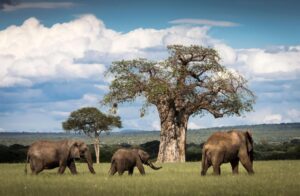
Elephants in Lake Manyara
Elephants are another major attraction.
They may be encountered around woodland, forest edges and open areas of the park. Lake Manyara’s greener environment creates a very different photographic background from the open grasslands normally associated with Serengeti.
Other mammals can include buffalo, giraffes, zebras, wildebeest, hippos, baboons and blue monkeys.
Flamingos and Birdlife
Lake Manyara is also popular with birdwatchers.
Flamingos may gather on the alkaline lake when ecological and water conditions are suitable. Their numbers and locations vary seasonally, so visitors should avoid assuming that enormous flamingo concentrations will always be present.
TANAPA also highlights pelicans, storks, herons, spoonbills and numerous other water and woodland birds.
This makes Manyara an excellent addition for travelers interested in both mammals and bird photography.
What Does a Serengeti Safari Lake Manyara Operator Arrange?
A professional Tanzania safari operator normally coordinates the major logistical parts of your journey.
Depending on the package selected, this can include safari transportation, park arrangements, accommodation, meals, professional driver-guide services and airport or hotel transfers.
At Kilipath African Safaris, itineraries can be adapted according to the number of travelers, available days, accommodation category and desired safari experience.
Safari options may include:
Private safari: Your vehicle and guide are dedicated to your booking, giving you more flexibility with departure times, photography stops and daily routing.
Shared safari: Travelers join other guests in the safari vehicle, making this suitable for visitors looking for a more affordable Tanzania safari.
Safari Vehicles
A comfortable vehicle is extremely important because travelers can spend several hours driving between destinations and exploring national parks.
Our Tanzania safaris normally use 4×4 Land Cruisers with pop-up roofs.
The elevated roof allows travelers to stand safely inside the vehicle during appropriate wildlife-viewing stops and provides a wide view for photography.
Safari vehicles are designed for the rough roads commonly found inside Tanzania’s wildlife areas.
Professional Safari Guide
Your guide can have a major influence on the overall safari experience.
An experienced driver-guide does more than drive between destinations. They help locate wildlife, explain animal behavior, understand safari routes and manage the practical timing of each day.
Guides also communicate with other guides and use their knowledge of wildlife habitats to improve the chances of productive game drives.
Even so, safaris involve wild animals in natural environments, so no professional operator should guarantee a particular animal sighting.
How Many Days Do You Need?
For travelers combining Serengeti and Lake Manyara, we normally recommend allowing enough time to avoid rushing between destinations.
4-Day Safari
A short itinerary might include:
Day 1: Arusha – Lake Manyara National Park
Day 2: Drive to Serengeti National Park
Day 3: Serengeti game drives
Day 4: Continue according to the selected route or return toward Arusha
However, driving distances mean a four-day safari can feel quite fast.
5-Day Safari
Five days provides more flexibility and may allow Serengeti to be combined with Lake Manyara and Ngorongoro Crater.
6–7 Day Safari
For travelers wanting a slower pace, more wildlife viewing or higher-end accommodation, six or seven days is often more comfortable.
It can also provide more opportunities for morning and afternoon game drives.
Add Ngorongoro Crater
Many travelers searching for a Serengeti safari Lake Manyara operator also include Ngorongoro Crater.
Geographically, the three destinations work well together as part of Tanzania’s Northern Circuit.
A typical route can therefore be:
Arusha → Lake Manyara → Serengeti → Ngorongoro → Arusha
This avoids unnecessary backtracking and creates a safari featuring forests, lakes, vast plains and the Ngorongoro landscape.
Accommodation Choices
Your operator can arrange different accommodation levels depending on your budget.
Budget Camping
Camping is one of the more affordable ways to experience Tanzania’s national parks. It also provides an adventurous atmosphere close to nature.
Mid-Range Safari
Mid-range safaris generally use comfortable lodges or tented camps and are popular among couples, families and first-time safari visitors.
Luxury Safari
Luxury itineraries can include premium tented camps and lodges in attractive wildlife areas, often with higher levels of service and more elaborate facilities.
Your accommodation selection has a significant effect on the total safari price.
Best Time for Serengeti and Lake Manyara Safari
Both destinations can be visited throughout much of the year, but conditions change significantly between seasons.
The dry months generally make wildlife viewing easier around limited water sources and often provide excellent road conditions.
The greener periods produce lush landscapes, dramatic skies and good conditions for photography and birdwatching.
For travelers primarily interested in the Great Migration, travel dates should be matched with the relevant Serengeti region because the animals continually move through the ecosystem.
Getting to Lake Manyara
Lake Manyara National Park is conveniently located on Tanzania’s Northern Circuit.
TANAPA places the main entrance near Mto wa Mbu and estimates the road journey from Arusha at approximately 125 km, or around 2–2.5 hours, depending on traffic and road conditions.
This location makes Manyara particularly convenient at the beginning or end of a longer Serengeti and Ngorongoro itinerary.
Why Book With a Local Tanzania Safari Operator?
Booking with a Tanzania-based safari company can simplify transportation, park logistics, accommodation coordination and communication during your trip.
Instead of arranging separate hotels, vehicles, guides and park visits yourself, the operator combines them into one itinerary.
A well-planned package should clearly show what is included and excluded before you make payment.
When comparing operators, check:
- Whether the safari is private or shared
- Accommodation names and room type
- Number of nights
- Meals included
- Park and conservation fees
- Airport transfers
- Vehicle type
- Guide service
- Payment conditions
- Cancellation policy
This makes it easier to compare quotations fairly.
Plan Your Serengeti and Lake Manyara Safari
A Serengeti safari Lake Manyara operator can design an itinerary around your dates, budget and preferred level of comfort.
Whether you are planning a honeymoon safari, family holiday, private photographic safari or affordable group adventure, combining Serengeti and Lake Manyara offers impressive wildlife and strong landscape contrast.
Kilipath African Safaris can help organize your itinerary from Arusha, including safari transport, professional guides, accommodation and game drives.
Contact us today with your travel dates, number of travelers and preferred budget, and we can prepare a customized Serengeti and Lake Manyara safari itinerary.