Skip to content

Plan the Perfect Serengeti and Lake Manyara Safari
A Serengeti safari Lake Manyara planning experience brings together two very different sides of Tanzania’s famous Northern Safari Circuit. In the Serengeti, travelers discover enormous open plains, predators, resident wildlife and the seasonal movements of the Great Migration. At Lake Manyara, the landscape changes dramatically to groundwater forest, wetlands, an alkaline lake, escarpment scenery and rich birdlife.
Combining these destinations creates an exciting Tanzania safari for couples, families, photographers, honeymooners, solo travelers and groups.
With Kilipath African Safaris, your itinerary can be arranged according to your available days, accommodation preference and travel budget. You can choose a private safari for maximum flexibility or ask about available shared safari departures for a more budget-friendly adventure.
The Serengeti forms part of a UNESCO World Heritage Site famous for its vast savannah and annual migration of huge numbers of wildebeest, zebra and gazelles. Lake Manyara, meanwhile, offers contrasting habitats ranging from groundwater forest and acacia woodland to wetlands and soda-lake shores.
Why Combine Serengeti and Lake Manyara?
Travelers sometimes wonder whether they should concentrate entirely on the Serengeti or add smaller parks to their Tanzania itinerary.
Including Lake Manyara adds variety.
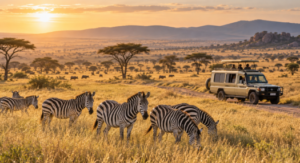
In Serengeti National Park, your safari days are generally focused on traditional game drives across immense plains while searching for lions, leopards, cheetahs, elephants, buffaloes, giraffes, wildebeest, zebras and many other species.
Lake Manyara provides a completely different setting.
The park lies below the Great Rift Valley escarpment and contains forest, floodplains, wetlands, acacia woodland and alkaline lake habitats. TANAPA highlights elephants, tree-climbing lions, hippos, baboons, blue monkeys and extensive birdlife among the park’s attractions.
This contrast is one of the biggest reasons to include both destinations in the same safari.
Suggested 5-Day Serengeti & Lake Manyara Safari
For travelers who want enough time for wildlife viewing without making their holiday too long, five days is an excellent starting point.
Day 1: Arusha to Lake Manyara National Park
Your safari begins after breakfast in Arusha.
Meet your professional safari guide and travel toward Lake Manyara National Park, passing through the landscapes of northern Tanzania.
The park is approximately 125 km from Arusha and can normally be reached by road in roughly two to two-and-a-half hours.
After completing park formalities, begin your first game drive.
The entrance area introduces you to a lush groundwater forest where baboons and monkeys are frequently encountered. As the game drive continues, the environment opens toward woodland, floodplains and lake habitats.
Wildlife may include:
- Elephants
- Giraffes
- Buffaloes
- Zebras
- Wildebeest
- Hippos
- Baboons and monkeys
- Various antelope species
- Numerous birds
- Lions, including possible tree-climbing individuals
Tree-climbing lions are one of Lake Manyara’s best-known attractions, although wildlife sightings can never be guaranteed.
Continue exploring before heading to your selected lodge or camp for dinner and overnight.
Safari highlight
The first day introduces travelers to Tanzania without requiring an exhausting drive directly from Arusha to the Serengeti.
Day 2: Lake Manyara to Serengeti National Park
After breakfast, leave the Lake Manyara area and continue toward the legendary Serengeti National Park.
The scenery changes considerably during the journey.
Depending on your route, you travel through the Ngorongoro highlands before continuing toward the Serengeti plains.
Upon entering the Serengeti ecosystem, the landscape begins opening into seemingly endless grasslands.
The name Serengeti has become synonymous with African safari because of the park’s scale, abundant wildlife and Great Migration.
UNESCO describes the migration of wildebeest, gazelles and zebras through the ecosystem, followed by predators, as one of the world’s major natural spectacles.
Enjoy an afternoon game drive while heading toward your lodge, tented camp or campsite.
Dinner and overnight in Serengeti.
Day 3: Full-Day Serengeti Game Drive
Today is dedicated entirely to exploring Serengeti National Park.
An early morning departure provides additional wildlife-viewing time and the opportunity to experience the plains when temperatures are cooler and many animals are active.
Your guide will select game-drive areas according to recent wildlife movements, your interests and the season.
Wildlife to Look For
The Serengeti supports an extraordinary range of wildlife.
Possible sightings include:
Lions: The plains and rocky kopjes provide excellent lion habitat.
Cheetahs: Often associated with open plains where visibility allows them to hunt.
Leopards: More elusive and often searched for around woodland and river areas.
Elephants: Family groups can be encountered in various parts of the ecosystem.
Buffaloes: Frequently seen in herds.
Giraffes: Common throughout many woodland and savannah areas.
Hyenas: Important predators and scavengers within the ecosystem.
Wildebeest and zebras: Resident populations occur alongside the much larger seasonal migration.
Even when the main migration is elsewhere, the Serengeti remains a major wildlife destination throughout the year. Tanzania National Parks also lists activities including vehicle game viewing and balloon safaris in different areas of Serengeti.
Return to your accommodation after an exciting day in the wilderness.
Understanding the Great Migration When Planning Your Safari
Good Serengeti safari Lake Manyara planning should consider your month of travel.
The Great Migration is not an event that happens at one fixed location. The herds continually move through the broader Serengeti-Mara ecosystem in response to rainfall, water and fresh grazing.
December to March
Large herds are generally associated with the southern Serengeti and Ndutu ecosystem during the green and calving season.
January and February are especially popular for travelers interested in newborn wildebeest and predator activity.
April to June
The herds gradually move toward central and western areas of the ecosystem.
The exact timing changes according to rainfall.
July to October
Migration-focused safaris commonly concentrate farther north, with travelers hoping to witness river-crossing activity.
Crossings are natural events and therefore cannot be scheduled or guaranteed.
November and December
The herds typically begin moving south again as seasonal rains influence grazing conditions.
Because the migration is driven by nature rather than a fixed calendar, your safari planner should choose accommodation based on your exact travel dates rather than simply booking “Serengeti” without considering the region.
Day 4: Serengeti to Ngorongoro Area
Wake early for another opportunity to explore the Serengeti.
Morning game drives can be especially beautiful as sunlight spreads across the plains.
Search for wildlife before gradually traveling toward the Ngorongoro Conservation Area.
Depending on the itinerary, you may continue game viewing while leaving Serengeti before traveling toward your lodge or campsite.
Adding Ngorongoro to a Serengeti and Lake Manyara itinerary is highly recommended when your available time permits because it creates a logical Northern Circuit route rather than returning directly toward Arusha.
Dinner and overnight near Ngorongoro or Karatu.
Day 5: Ngorongoro Crater – Arusha
After an early breakfast, travel toward Ngorongoro Crater.
Descend into the crater for an exciting game drive across its varied habitats.
Possible sightings include buffalo, zebra, wildebeest, hippo, hyena, lion and numerous birds. Black rhinos also inhabit the conservation area, although sightings are never guaranteed.
Enjoy your game drive and lunch before beginning the journey back toward Arusha.
Arrival is normally in the late afternoon or early evening depending on road conditions, wildlife viewing time and your accommodation location.
Your Tanzania safari then concludes, or we can arrange an additional hotel stay, Kilimanjaro experience or onward journey to Zanzibar.
Lake Manyara Safari Highlights
Lake Manyara should not simply be treated as a stop on the way to Serengeti.
It deserves time for exploration.
TANAPA describes Lake Manyara’s habitats as a combination of alkaline lake, groundwater forest, acacia woodland, floodplains, wetlands, hot springs and the dramatic Rift Valley setting.
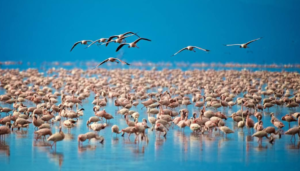
The park is especially attractive to bird enthusiasts. Flamingos can occur seasonally around the alkaline lake alongside pelicans, storks, herons and many other waterbirds.
Visitors may also enjoy viewpoints, game drives and the canopy walkway, depending on their itinerary and arrangements.
Private or Shared Serengeti Safari?
Your travel style is an important part of planning.
Private Safari
A private safari gives your party its own safari vehicle and professional guide.
It is particularly suitable for:
Couples wanting privacy, families traveling with children, honeymooners, photographers and travelers who prefer flexibility.
Stops, game-drive pace and daily departure times can be adjusted more easily within park regulations.
Shared Group Safari
A shared safari allows travelers to join other guests in one safari vehicle.
This can significantly reduce the cost for solo travelers and couples.
It works best for travelers who are comfortable following a fixed schedule and sharing the vehicle.
At Kilipath African Safaris, our shared safari vehicles carry a limited number of travelers so guests can enjoy good wildlife viewing from the safari vehicle.
Accommodation Options
Your Serengeti safari Lake Manyara planning can be designed around different comfort levels.
Budget Camping
Camping is one of the most adventurous ways to experience Tanzania.
Typical arrangements can include tents, mattresses, sleeping bags, safari meals and campsite facilities.
Mid-Range Safari
Mid-range safaris generally combine comfortable lodges and tented camps with private bathroom facilities.
This category is popular with travelers seeking comfort without moving into premium luxury pricing.
Luxury Safari
Luxury itineraries can include premium lodges, stylish tented camps, exceptional locations, swimming pools and upgraded dining experiences.
The best accommodation is not necessarily the most expensive option. Location can be more important—particularly when planning around the Great Migration.
What Is Usually Included?
Exact inclusions depend on your quotation, but a complete safari package can typically include:
- Professional English-speaking safari guide
- 4×4 safari Land Cruiser with pop-up roof
- Park entrance fees specified in your itinerary
- Game drives
- Accommodation
- Meals during safari
- Drinking water
- Government taxes and applicable safari fees
- Transfers specified in the itinerary
Always check your final quotation because flight tickets, premium activities or special accommodation upgrades may be priced separately.
What Is Usually Excluded?
Unless specifically included in your quotation, additional costs may include international flights, visas, travel insurance, personal expenses, alcoholic drinks, optional activities and gratuities.
Balloon safaris and certain cultural experiences should normally be booked in advance.
Best Time for a Serengeti and Lake Manyara Safari
There is no single month that suits every traveler.
June to October offers generally drier safari conditions and is popular for wildlife viewing.
December to March is especially interesting for travelers focusing on southern Serengeti and the seasonal calving period.
Green-season months can offer dramatic scenery, excellent photography and strong birdlife.
Lake Manyara can be visited throughout the year, although wildlife distribution, water levels, flamingo numbers and road conditions naturally change with rainfall.
TANAPA describes Lake Manyara as open year-round.
How Many Days Should You Plan?
A 4-day safari can combine Lake Manyara, Serengeti and Ngorongoro, but the schedule is relatively fast.
A 5-day safari provides a more balanced experience and allows additional Serengeti game-drive time.
A 6- or 7-day safari gives greater flexibility, especially if your priority is wildlife photography, migration areas or relaxed travel.
For visitors with very limited time, fly-in options can also reduce long driving distances.
Why Book With Kilipath African Safaris?
Safari planning involves much more than choosing parks.
Accommodation location, transfer timing, migration movement, arrival flights, dietary requirements and your preferred travel style all need to work together.
With Kilipath African Safaris, we can customize your journey according to your travel dates and budget.
Our safari planning can include private or shared options, airport transfers, camping, mid-range or luxury accommodation, Zanzibar connections and additional Tanzania experiences.
Our goal is to create an itinerary that gives you enough time to enjoy each destination rather than simply rushing between parks.
Start Planning Your Serengeti and Lake Manyara Safari
A well-designed Serengeti safari Lake Manyara planning itinerary combines vast wilderness, exceptional wildlife and dramatically different landscapes into one Tanzania adventure.
Explore Lake Manyara beneath the Great Rift Valley escarpment, search for predators across the Serengeti plains and extend your journey to Ngorongoro for an even more complete Northern Tanzania safari.
Contact Kilipath African Safaris today with your travel dates, number of travelers and preferred accommodation level. We can prepare a personalized itinerary and safari quotation designed around your plans.