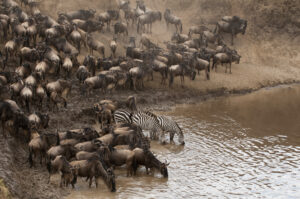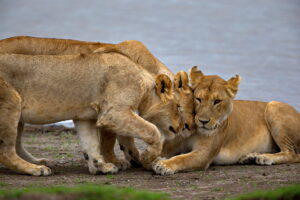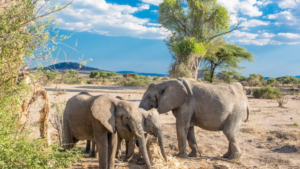
Combining Serengeti National Park with Nyerere National Park brings two different Tanzanian landscapes into one journey. Serengeti offers expansive plains and the Great Migration ecosystem, while Nyerere introduces river channels, floodplains, and woodland scenery.
Successful Serengeti safari Nyerere planning starts with allowing enough time for each destination and the journey between them. This guide explains how to choose your dates, structure your itinerary, and prepare a realistic budget.
Why Combine Serengeti and Nyerere?
The appeal of this combination is variety. Serengeti’s migration landscape contrasts with Nyerere’s Rufiji River environment, giving travelers a broader experience of Tanzania’s protected wilderness. TANAPA
A combined trip suits travelers who want several days of wildlife viewing across different habitats. It also requires careful coordination: your accommodation, park activities, and flights should work together so that transfers do not consume too much of your holiday.
Best Time to Visit Both Parks
June to October is a useful starting window for planning a combined safari. TANAPA identifies June to October as Serengeti’s dry season, while Nyerere’s official brochure describes its dry season as extending from June into approximately November. Your final dates should reflect the wildlife experience you want and the availability of suitable camps. TANAPA
If the Great Migration Is Your Priority
Choose your Serengeti accommodation around the expected location of the herds for your travel dates. Rainfall influences migration movements, so a particular sighting or river crossing cannot be promised.
Avoid selecting a camp solely because it has “Serengeti” in its name. Its location and the distances to your intended viewing areas matter just as much as its comfort level.
If You Prefer Green Landscapes
Nyerere’s official brochure describes December to February as a green period when many areas remain accessible. Discuss the exact route and camp arrangements before booking a trip during wetter months. tanzaniaparks.go.tz
How Many Days Should You Allow?
For planning purposes, allow approximately 8–10 days, including arrival and transfers. A practical allocation is:
- Three or four nights in Serengeti.
- Three nights in Nyerere.
- Additional time for arrival, connecting journeys, and departure.
This is a suggested pace rather than a fixed requirement. Travelers with less time may benefit from focusing on one park, especially when flight connections would leave limited time for activities.
Suggested 9-Day Serengeti and Nyerere Itinerary
The following itinerary is a planning example. Flight connections, camp availability, and activity arrangements must be confirmed for your dates.
| Day | Suggested plan |
|---|---|
| 1 | Arrive in Tanzania and overnight in Arusha. |
| 2 | Travel to Serengeti and enjoy a game drive if arrival time permits. |
| 3 | Explore Serengeti with your guide. |
| 4 | Continue wildlife viewing in your chosen Serengeti area. |
| 5 | Transfer toward Nyerere using confirmed flight connections; overnight en route if needed. |
| 6 | Enjoy a game drive in Nyerere. |
| 7 | Arrange a boat safari where available, with time to relax at camp. |
| 8 | Enjoy another game drive or an available guided activity. |
| 9 | Depart Nyerere and connect to your onward destination. |
If you want to include Ngorongoro Crater or Zanzibar, extend the itinerary to preserve enough time in both parks.
Traveling Between Serengeti and Nyerere
Treat the journey between these parks as a dedicated part of your itinerary. Do not assume a direct flight will operate on your preferred date.
Ask your consultant to confirm:
- Departure and arrival airstrips.
- Any connecting flights or overnight stops.
- Check-in requirements and baggage limits.
- Transfers between airstrips and camps.
- How much wildlife viewing is possible on transfer days.
TANAPA lists flights from Dar es Salaam to Nyerere airstrips including Mtemere, Siwandu, and Beho Beho. The appropriate airstrip depends on your accommodation and confirmed service. TANAPA
Choosing Your Accommodation
Location should be one of your first considerations when selecting a lodge or tented camp.
In Serengeti, choose accommodation that supports your planned wildlife area. In Nyerere, consider access to your activities and the transfer from the arrival airstrip.
Before confirming, ask about:
- Private bathrooms and hot showers.
- Meal plans and dietary requirements.
- Electricity and charging facilities.
- Included game drives and other activities.
- Transfers and any additional charges.
A lower room rate may offer limited savings if the property requires expensive transfers or substantial daily driving.
Planning Your Safari Budget
A combined safari budget should account for more than accommodation. Request an itemized quotation covering:
| Cost category | What to confirm |
|---|---|
| Accommodation | Named properties, room type, and number of nights |
| Transport | Flights, airport transfers, and safari vehicles |
| Park charges | Applicable entry and accommodation-related fees |
| Guiding | Private or shared activities and guide arrangements |
| Meals and drinks | Exactly what the meal plan includes |
| Optional activities | Boat trips, walking activities, or other additions |
| Exclusions | Tips, insurance, personal purchases, and extra services |
Avoid comparing quotations only by their final total. Two offers may differ substantially in camp location, flight routing, and included activities.
What to Pack
Prepare a compact safari bag with lightweight clothing, comfortable shoes, sun protection, and a warm layer for cooler mornings.
Useful items include:
- Camera equipment, spare batteries, and memory cards.
- Binoculars.
- Insect repellent and sunscreen.
- Personal medication.
- Travel documents and booking confirmations.
Check baggage requirements with the operating airline before packing. Limits can differ between flights, and your itinerary may involve several carriers.
Common Planning Mistakes
The most frequent mistake is trying to include too many destinations in a short trip. Other avoidable problems include booking camps before checking transport, overlooking baggage restrictions, and assuming every activity is included.
Good Serengeti safari Nyerere planning gives each destination enough time and makes every transfer clear before payment.ur dates, number of travelers, preferred accommodation level, approximate budget, and arrival and departure details.
Plan Your Trip with Kilipath African Safaris
Start your Serengeti and Nyerere safari planning with a route that matches your time, budget, and wildlife interests.
Contact Kilipath African Safaris with your preferred dates and group size to request a tailored itinerary and a detailed quotation.