Skip to content

A Serengeti safari Serengeti itinerary is one of the best ways to experience Tanzania’s legendary wildlife, sweeping savannahs, big cats, and the Great Migration. Whether you have three days or a full week, a well-planned itinerary helps you spend more time watching wildlife and less time rushing between destinations.
Serengeti National Park covers roughly 1.5 million hectares of savannah and forms the heart of one of the world’s greatest wildlife ecosystems. UNESCO recognizes the park as a World Heritage Site, highlighting its enormous annual movement of wildebeest, zebras, and gazelles and its exceptional predator-prey interactions. UNESCO World Heritage Centre
Why Choose a Serengeti Safari?
The Serengeti is famous for its seemingly endless plains, but the landscape is surprisingly diverse. Visitors encounter grasslands, acacia woodland, rocky kopjes, rivers, and seasonal wildlife corridors.
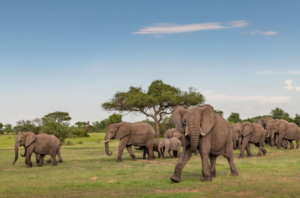
Wildlife viewing is exceptional throughout the year. Lions, leopards, cheetahs, elephants, buffaloes, giraffes, hyenas, hippos, zebras and numerous antelope species inhabit the ecosystem. TANAPA also highlights the Serengeti as a destination for the Big Five and more than 500 bird species. Tanzania Parks
This makes a Serengeti itinerary worthwhile even when your travel dates do not coincide with a dramatic stage of the Great Migration.
3-Day Serengeti Safari Itinerary
A three-day itinerary works particularly well for travelers with limited time.
Day 1: Arusha to Serengeti National Park
Leave Arusha early and travel toward Serengeti National Park, passing through the beautiful landscapes of northern Tanzania. After entering the Serengeti, begin your first game drive while heading toward your camp or lodge.
The afternoon offers opportunities to search for lions, elephants, giraffes, zebras and other plains wildlife.
Day 2: Full-Day Serengeti Game Drive
Start early when wildlife is particularly active. Spend the day exploring the plains and following wildlife sightings with your safari guide.
Central Serengeti is particularly useful on a general wildlife itinerary because travelers are not completely dependent on the seasonal migration.
Day 3: Morning Safari and Departure
Enjoy another morning game drive before beginning your onward journey. Depending on the overall Tanzania itinerary, travelers can return toward Arusha, continue to Ngorongoro, or use a scheduled bush flight.
For a short holiday, flying one direction can reduce driving time and leave more hours for game viewing.
4-Day Serengeti Safari Itinerary
Four days provide a more comfortable pace and are a popular choice for first-time visitors.
A typical itinerary could follow:
Day 1: Arusha → Serengeti National Park
Day 2: Full-day Serengeti game drive
Day 3: Serengeti → Ngorongoro area
Day 4: Ngorongoro Crater → Arusha
This combination gives travelers two contrasting safari environments: the immense Serengeti plains and the concentrated wildlife habitat of Ngorongoro.
5-Day Serengeti Safari Itinerary
Five days allow more flexibility and can incorporate another northern Tanzania park.
A strong route is:
Day 1: Arusha → Tarangire National Park
Day 2: Tarangire → Serengeti
Day 3: Full-day Serengeti
Day 4: Serengeti → Ngorongoro
Day 5: Ngorongoro Crater → Arusha
This itinerary works especially well for travelers wanting variety rather than concentrating exclusively on Serengeti.
Planning Around the Great Migration
The Great Migration should be treated as a moving natural phenomenon rather than an attraction that remains in one location. Wildebeest and other herbivores move through the wider Serengeti ecosystem in response to rainfall, grazing and water availability. UNESCO World Heritage Centre
Broadly, travelers may consider the southern ecosystem during the calving period early in the year and the northern Serengeti during the later dry-season migration period. TANAPA identifies June–October as an important migration period and January–February for the calving season. Tanzania Parks
Because rainfall affects herd movements, exact wildlife locations cannot be guaranteed.
Central vs Northern Serengeti
Central Serengeti (Seronera) is an excellent choice for general wildlife viewing and first-time safari visitors. It is known for resident wildlife and strong predator sightings throughout the year.
Northern Serengeti becomes especially attractive when migration herds move north. Travelers hoping to witness the famous river-crossing phase often build more days into their itinerary because crossings are unpredictable.
For migration-focused travel, longer stays generally provide more flexibility than trying to see everything in a single day. serengetipark.org
Best Time for a Serengeti Safari
There is no single month that works for every traveler.
The dry months are excellent for classic wildlife viewing, while the greener months provide lush scenery, dramatic skies, newborn animals in some regions and excellent photography opportunities.
Your ideal travel month therefore depends on whether your priority is general wildlife, predators, migration herds, calving, photography or fewer visitors.
Serengeti Safari Accommodation
Travelers can choose from public camping, tented camps, mid-range lodges and high-end luxury properties. TANAPA confirms that Serengeti offers accommodation ranging from public and special campsites to permanent tented camps and high-standard hotels and lodges. Tanzania Parks
Budget camping provides a more adventurous experience, while tented camps combine wilderness atmosphere with additional comfort. Luxury lodges and camps are ideal for honeymooners and travelers seeking premium rooms, dining and service.
Game Drives in Serengeti
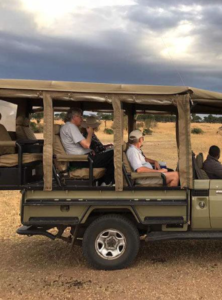
Game drives form the heart of most Serengeti itineraries. A 4×4 safari vehicle allows visitors to explore different habitats while an experienced guide searches for animals and interprets their behavior.
Morning drives can be particularly rewarding for predator activity, while afternoon drives provide beautiful photographic light. Full-day drives allow travelers to explore farther from camp.
Other authorized experiences include balloon safaris and, in designated contexts, walking experiences. Tanzania Parks
Hot-Air Balloon Safari
A Serengeti balloon safari offers a completely different perspective on the landscape.
Flights normally take place around sunrise, allowing guests to look down over plains, rivers and wildlife trails. TANAPA lists hot-air ballooning among Serengeti’s visitor experiences. Tanzania Parks
It works especially well for honeymoon trips, anniversaries and travelers looking to add one memorable premium activity to their itinerary.
What to Pack
Lightweight neutral-colored clothing works well during game drives. Bring comfortable closed shoes, sunscreen, sunglasses, a hat, binoculars, camera equipment and spare batteries or power banks.
Temperatures can feel cool during early morning game drives, so carrying a warm layer or light jacket is useful. TANAPA similarly recommends binoculars, sunscreen and neutral-colored clothing for Serengeti visitors. Tanzania Parks
How Many Days Do You Need?
Three days can provide a rewarding introduction, particularly with efficient transport arrangements. Four or five days offer a more relaxed safari and make combining Serengeti with Ngorongoro or Tarangire easier.
Travelers specifically targeting seasonal migration events should consider spending additional nights in the region where the herds are expected. More time provides flexibility because wild animals do not follow fixed daily schedules.
Start Planning Your Serengeti Safari
The best Serengeti safari Serengeti itinerary balances wildlife viewing, travel time and the season of your visit. A short itinerary can focus on Central Serengeti, while longer trips can combine Serengeti with Ngorongoro, Tarangire or migration areas.
Whether you choose camping, a comfortable tented camp or a luxury safari, allowing enough time in the Serengeti gives you a better opportunity to appreciate one of Africa’s most remarkable wilderness areas.