

Budget Ngorongoro Crater Safari Holiday
Planning a budget Ngorongoro Crater safari holiday from Arusha? Compare a crater day trip, a two-day Tarangire and Ngorongoro safari, or a…
Read articleArusha City - Tanzania
Safari & Travel Tips
August 31, 2026 · 16 min read
A Serengeti safari Southern Circuit itinerary offers an extraordinary way to experience two contrasting sides of Tanzania. It combines the celebrated plains and abundant wildlife of Serengeti National Park with the remote wilderness, rivers, forests, and uncrowded reserves of southern Tanzania.
The Serengeti is geographically part of Tanzania’s Northern Safari Circuit, while Ruaha, Nyerere, Mikumi, and Udzungwa form the Southern Circuit. Therefore, a combined itinerary normally includes domestic flights between northern and southern Tanzania. Although this increases the overall cost, it creates a remarkably diverse safari with fewer long road journeys.
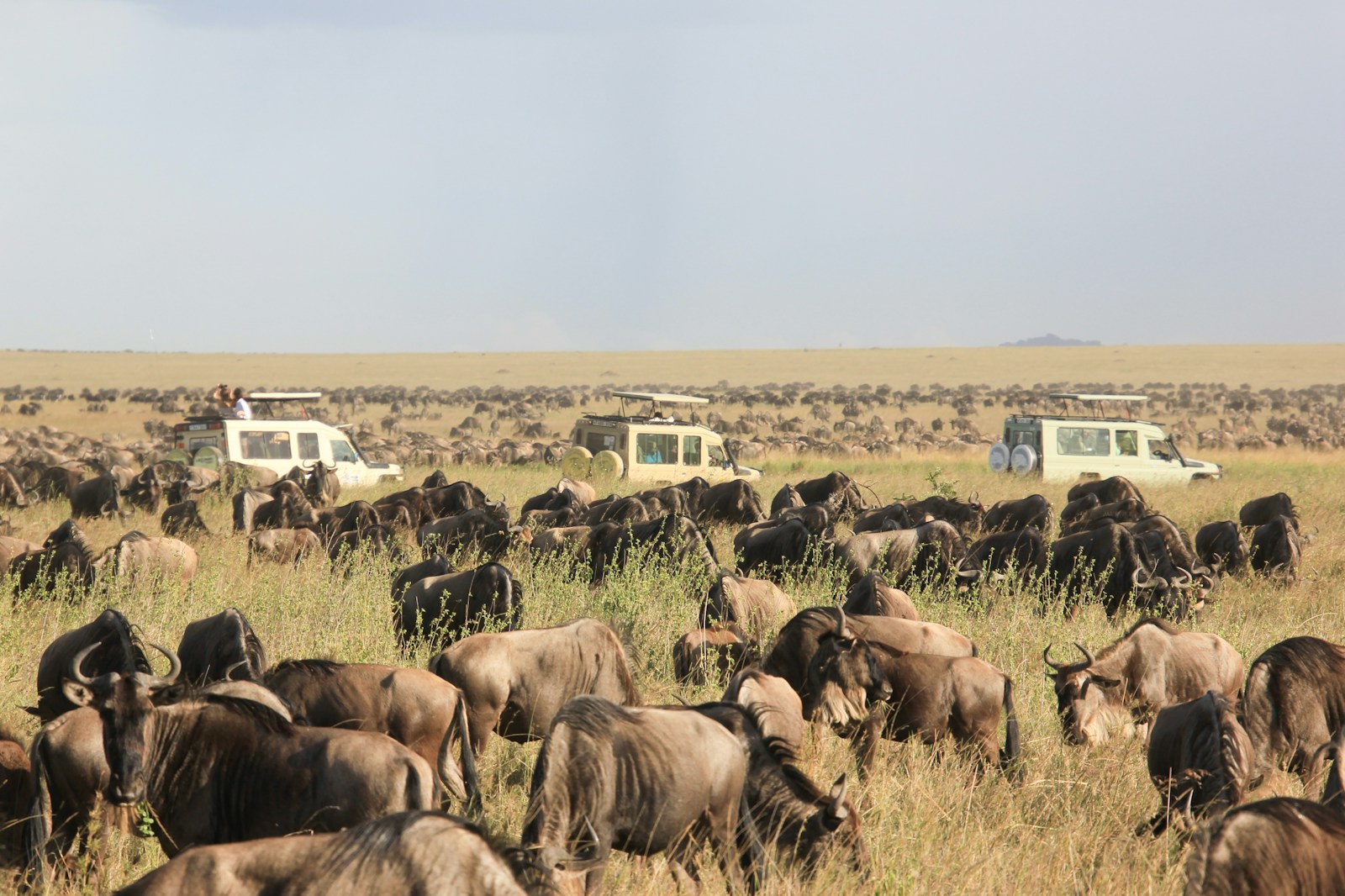
Travelers can witness enormous herds on the Serengeti plains, follow the Great Wildebeest Migration, search for big cats, enjoy boat safaris on the Rufiji River, and explore the secluded landscapes of Ruaha. It is an excellent choice for couples, honeymooners, photographers, families, and experienced safari travelers who want more than a standard Tanzania itinerary.
The Serengeti and Tanzania’s Southern Circuit provide distinctly different safari experiences. Combining them allows travelers to see more habitats, wildlife, and scenery during one journey.
Serengeti National Park is famous for:
The Southern Circuit is known for:
A Serengeti safari Southern Circuit itinerary brings these elements together. You can begin with the celebrated wildlife areas of northern Tanzania before flying south for a quieter and more adventurous conclusion.
Tanzania’s Southern Circuit includes several parks and reserves. The best selection depends on the length of your holiday, budget, season, and wildlife interests.
Nyerere National Park was formerly part of the Selous Game Reserve. It is one of Africa’s largest protected wilderness areas and is easily accessible by scheduled flight from Dar es Salaam, Zanzibar, or other safari destinations.
The Rufiji River is the defining feature of Nyerere. It creates channels, lakes, wetlands, and palm-lined habitats that support elephants, hippos, crocodiles, giraffes, buffaloes, and numerous bird species.
Unlike many parks in northern Tanzania, Nyerere offers several ways to explore:
Boat safaris are especially memorable. Travelers can observe hippos, crocodiles, waterbirds, and animals approaching the riverbanks while enjoying a completely different perspective from a safari vehicle.
Ruaha is Tanzania’s largest national park and one of the best destinations for travelers seeking a remote big-game safari. Its landscapes include seasonal rivers, rocky hills, open plains, miombo woodland, and impressive baobab trees.
Ruaha is particularly renowned for its predators. Depending on the season and location, travelers may encounter lions, leopards, cheetahs, spotted hyenas, and African wild dogs. The park also supports large populations of elephants, buffaloes, giraffes, zebras, antelopes, and more than 500 recorded bird species.
The Great Ruaha River attracts wildlife during the dry season, creating excellent viewing opportunities. Ruaha is especially rewarding for photographers and returning safari travelers who appreciate patient, unhurried game viewing.
Mikumi is one of the most accessible parks in southern Tanzania. Its open Mkata floodplain sometimes resembles the landscapes of the Serengeti, making it an attractive introduction to the Southern Circuit.
Wildlife may include:
Mikumi can be reached by road or air and works well for shorter itineraries. It can also be combined with Nyerere, Ruaha, or Udzungwa Mountains National Park.
Udzungwa offers a very different experience from a traditional vehicle-based safari. It is a forested mountain park celebrated for hiking, waterfalls, endemic primates, birds, and botanical diversity.
The hike to Sanje Waterfall is among the park’s most popular activities. It passes through tropical forest and leads to impressive waterfalls with panoramic views.
Udzungwa is ideal for active travelers who want to add trekking and nature exploration to their wildlife itinerary. However, it is not normally selected as a primary big-game destination.
The following itinerary combines northern Tanzania’s Serengeti ecosystem with Nyerere and Ruaha. It uses domestic flights to reduce driving time and maximize the safari experience.
Arrive at Kilimanjaro International Airport, where your representative will welcome you and transfer you to your accommodation in Arusha.
The remainder of the day is reserved for relaxation after your international flight. Depending on your arrival time, you can explore Arusha, enjoy the lodge gardens, or receive a safari briefing from your guide.
Accommodation: Arusha hotel or lodge
Meals: Depending on the arrival arrangement
After breakfast, meet your private safari guide and begin the journey toward Tanzania’s wildlife areas. You may visit Tarangire National Park or proceed toward the Ngorongoro Highlands, depending on your selected itinerary.
Tarangire is famous for its enormous baobab trees, elephant herds, seasonal wetlands, and the Tarangire River. During the dry season, the river attracts large numbers of animals from the surrounding ecosystem.
A Tarangire visit provides an excellent introduction before continuing toward the Serengeti.
Accommodation: Karatu, Tarangire, or Ngorongoro area
Meals: Breakfast, lunch, and dinner
After an early breakfast, drive to the Ngorongoro Crater and descend approximately 600 meters to the crater floor.
The crater contains grasslands, swamps, forests, springs, and a soda lake. Its varied habitats support a dense concentration of wildlife, including lions, elephants, buffaloes, zebras, wildebeest, hippos, and spotted hyenas.
The Ngorongoro Crater is also one of Tanzania’s better places to search for the critically endangered black rhinoceros. Sightings are never guaranteed, but the open crater landscape can offer good viewing conditions.
Enjoy a picnic lunch before continuing with the game drive. Later, ascend the crater wall and return to your accommodation.
Accommodation: Ngorongoro Highlands or crater rim
Meals: Breakfast, picnic lunch, and dinner
Travel through the Ngorongoro Conservation Area toward Serengeti National Park. The journey offers changing scenery, from the fertile highlands to the expansive plains of the Serengeti ecosystem.
An optional visit to Olduvai Gorge or a Maasai community can be included. Olduvai is internationally important for discoveries connected to early human history, while a carefully arranged cultural visit can provide insight into Maasai traditions and daily life.
Enter Serengeti National Park and enjoy an afternoon game drive on the way to your camp. Wildlife may include elephants, giraffes, buffaloes, zebras, wildebeest, gazelles, lions, cheetahs, and leopards.
Accommodation: Serengeti lodge or tented camp
Meals: Breakfast, lunch, and dinner
Spend a complete day exploring the Serengeti. The exact game-drive route will depend on wildlife movement, weather, road conditions, and the location of your accommodation.
Central Serengeti, also called the Seronera area, provides excellent wildlife viewing throughout the year. Permanent water sources support resident animals, while the rocky kopjes create resting and observation points for lions and other predators.
You can leave camp early with a packed breakfast or begin after breakfast at the lodge. A full-day game drive allows time to follow animal activity without rushing between destinations.
An optional sunrise balloon safari can also be arranged. After floating over the plains, participants normally enjoy a celebratory bush breakfast before rejoining their guide.
Accommodation: Serengeti lodge or tented camp
Meals: Breakfast, lunch, and dinner
Use this day to explore the region where wildlife activity is most promising. The appropriate area varies according to the season.
From approximately December to March, the herds are often found around Ndutu and the southern Serengeti. Calving usually reaches its most dramatic stage between January and February.
From April to June, the herds generally move through the central and western areas. From July to October, many animals travel toward northern Serengeti and Kenya’s Maasai Mara ecosystem. November is usually a transition period influenced by short rains.
Migration patterns are natural and cannot be guaranteed for exact dates. Nevertheless, selecting the right Serengeti region significantly improves the likelihood of meaningful sightings.
Accommodation: Serengeti lodge or tented camp
Meals: Breakfast, lunch, and dinner
Enjoy a final morning game drive before transferring to a Serengeti airstrip. Board a scheduled or charter flight toward the Southern Circuit.
Some connections may operate through Arusha, Kilimanjaro, Dar es Salaam, or another airstrip. Flight schedules vary by season, and certain routes do not operate daily.
Upon arrival, a camp guide will meet you and transfer you to the lodge. Depending on the flight schedule, an afternoon game drive may be included.
Accommodation: Nyerere National Park lodge or camp
Meals: Breakfast, lunch, and dinner
Explore Nyerere National Park on a morning and afternoon game drive or a full-day excursion.
The park’s habitats support elephants, buffaloes, giraffes, zebras, hippos, crocodiles, lions, spotted hyenas, African wild dogs, and many antelope species. Wild dogs cover extensive territories, so sightings require good timing and experienced guides.
Nyerere’s scenery is very different from the Serengeti. River channels, lakes, woodland, and dense vegetation create a more varied and intimate environment.
Accommodation: Nyerere lodge or tented camp
Meals: Breakfast, lunch, and dinner
Begin the day with a guided walking safari where permitted. Accompanied by a qualified guide and an armed ranger when required, you will learn about tracks, insects, plants, birds, and the smaller details often missed from a vehicle.
Later, enjoy a boat safari on the Rufiji River or one of its channels. Watch hippos in the water, crocodiles resting on sandbanks, and elephants or other animals approaching the river.
Activities depend on water levels, camp location, park rules, and weather conditions.
Accommodation: Nyerere lodge or tented camp
Meals: Breakfast, lunch, and dinner
After breakfast, transfer to the airstrip for your flight to Ruaha National Park. On arrival, meet your guide and begin a game drive toward your accommodation.
The flight provides aerial views of southern Tanzania’s remote landscapes. Reaching Ruaha by air also eliminates a long road transfer, leaving more time for wildlife viewing.
During the afternoon, explore river systems, dry woodland, and baobab-covered plains. Ruaha’s remote atmosphere is immediately noticeable, with fewer vehicles at most wildlife sightings.
Accommodation: Ruaha lodge or tented camp
Meals: Breakfast, lunch, and dinner
Spend a full day exploring Ruaha National Park. Early morning and late afternoon are often productive times for predator activity, while elephants, giraffes, zebras, buffaloes, and antelopes can be seen throughout the day.
Your guide may concentrate on the Great Ruaha River, seasonal sand rivers, rocky ridges, or woodland areas according to current wildlife reports.
Ruaha is famous for its lions, including prides that sometimes hunt large prey. Leopards and wild dogs are also present, although every encounter depends on patience, timing, and natural animal movement.
Enjoy a picnic in the wilderness or return to camp for lunch before continuing the afternoon game drive.
Accommodation: Ruaha lodge or tented camp
Meals: Breakfast, lunch, and dinner
Enjoy breakfast and, flight time permitting, a final morning game drive. Transfer to the airstrip and fly to Dar es Salaam or Zanzibar.
Travelers continuing to Zanzibar can spend several days relaxing on the beach, visiting Stone Town, taking a spice tour, or enjoying marine activities. Those ending their journey in Dar es Salaam can connect with an international departure.
Meals: Breakfast and possibly lunch, depending on the schedule
Travelers with limited time can combine the Serengeti with one major Southern Circuit destination.
A recommended 10-day arrangement is:
This option still provides a strong contrast between the open Serengeti plains and the riverine wilderness of Nyerere.
Travelers seeking a slower and more comprehensive safari can include:
An extended itinerary offers better flexibility if flights are delayed and provides additional time to appreciate each park without moving accommodation every day.
The best travel period depends on your priorities.
This is generally the dry season and one of the strongest periods for a combined itinerary. Wildlife gathers around permanent water sources in Ruaha and Nyerere, while the Serengeti migration typically moves through the western and northern sections.
Advantages include:
This is also peak travel season, so early booking is important.
This period is ideal for travelers interested in the southern Serengeti and Ndutu calving season. Large herds gather on nutrient-rich plains, and predator activity can be intense.
Southern Tanzania is greener during this period. Birdwatching can be excellent, and the landscape is beautiful, although rain may affect some roads and activities.
These are usually the wettest months. Some camps in remote southern parks close temporarily because of difficult road conditions or low demand. Other properties remain open and offer attractive seasonal rates.
Travelers considering these months should work with an operator who can confirm camp operations, flight schedules, and local accessibility.
November often brings short rains. The landscapes begin to turn green, migratory birds arrive, and visitor numbers may be lower than during the main dry season.
Rainfall varies annually, so itineraries should remain flexible.
A realistic Serengeti safari Southern Circuit itinerary should last at least 9–10 days, excluding international travel. Twelve to fourteen days is more comfortable.
Recommended duration by travel style:
| Safari Style | Recommended Duration |
|---|---|
| Serengeti and one southern park | 9–10 days |
| Serengeti, Nyerere, and Ruaha | 12–14 days |
| Northern highlights, Southern Circuit, and Zanzibar | 14–18 days |
| Slow-paced photographic safari | 16 days or more |
Trying to include too many parks in a short period can make the holiday feel rushed. Domestic flights reduce travel time, but every flight still requires packing, airstrip transfers, and schedule coordination.
The price varies according to season, accommodation category, number of travelers, internal flights, and the number of private activities included.
Indicative per-person estimates for a 10–14-day combined safari are:
| Travel Style | Estimated Price Per Person |
|---|---|
| Comfortable mid-range | USD 5,000–7,500 |
| Upper mid-range | USD 7,500–10,000 |
| Luxury | USD 10,000–16,000+ |
These figures are planning estimates rather than fixed quotations. Solo travelers usually pay more because accommodation and private vehicle costs are not divided between two or more guests.
A typical package may include:
International flights, visas, travel insurance, tips, alcoholic drinks, and optional activities may be excluded.
A combination of road and air travel is the most practical arrangement.
Northern Tanzania can be explored by private 4x4 from Arusha through Tarangire, Ngorongoro, and Serengeti. From a Serengeti airstrip, guests can fly to the Southern Circuit.
Advantages of flying include:
Travelers should remember that light aircraft have luggage restrictions. Soft-sided travel bags are usually recommended because they fit more easily into compact baggage compartments. Exact limits depend on the airline and aircraft.
The combined itinerary can include several accommodation styles.
Mid-range lodges offer comfortable rooms or permanent tents with private bathrooms. They suit travelers who want reliable comfort without premium luxury prices.
Tented camps provide an immersive wilderness experience while retaining private beds, bathrooms, dining areas, and attentive service. Some camps are seasonal and move according to migration patterns.
Luxury properties may include spacious suites, private verandas, swimming pools, high-quality dining, private vehicles, laundry services, and personalized activities.
Mobile or seasonal camps operate in locations that provide access to different stages of the Great Migration. They are particularly useful in Ndutu or northern Serengeti.
Southern Tanzania’s remote camps are frequently small, with only a limited number of rooms. Booking early is strongly advised for travel between June and October.
A combined itinerary provides opportunities to observe a remarkable range of species:
Wildlife sightings are never guaranteed. Animals move freely, and conditions change daily. An experienced guide improves the experience by reading tracks, understanding habitats, communicating with other guides, and selecting appropriate viewing areas.
Bring practical, lightweight clothing in neutral colors such as khaki, beige, brown, or olive.
Recommended items include:
Avoid excessive luggage because domestic flights often apply strict weight limits. Dark blue and black clothing can also attract tsetse flies in some woodland areas.
Yes, but the ages and interests of the children should be considered. Long game drives and multiple light-aircraft flights can be tiring for very young children.
A family-friendly itinerary should include:
Some camps apply minimum age limits to walking safaris or shared activities. These rules must be confirmed before booking.
The combination is particularly attractive for honeymooners because it balances iconic wildlife with remote, intimate camps.
Special arrangements may include:
Inform the operator about your celebration early so appropriate camps and experiences can be selected.
Responsible travel helps protect Tanzania’s wildlife and supports communities connected to conservation areas.
Travelers should:
Your guide should prioritize wildlife welfare and safety rather than crowding animals for photographs.
No single itinerary works perfectly for every traveler. Migration movement, flight schedules, camp availability, and seasonal conditions can all affect the best route.
A customized Serengeti safari Southern Circuit itinerary allows the operator to consider:
It also helps prevent unnecessary backtracking or unrealistic connections between distant destinations.
A Serengeti safari Southern Circuit itinerary is one of Tanzania’s most diverse safari experiences. It combines the legendary plains of the Serengeti with the river systems of Nyerere and the wild baobab landscapes of Ruaha.
Whether you want to follow the Great Migration, photograph predators, enjoy a Rufiji River boat safari, or relax at an intimate wilderness camp, the journey can be customized around your interests and budget.
Contact Kilipath African Safaris with your preferred travel dates, number of travelers, accommodation category, and expected safari duration. Our team will prepare a personalized itinerary with suitable camps, domestic flights, park activities, transfers, and optional Zanzibar arrangements.
Request your customized Serengeti and Southern Circuit safari itinerary today and discover two remarkable sides of Tanzania in one unforgettable journey.
Planning a budget Ngorongoro Crater safari holiday from Arusha? Compare a crater day trip, a two-day Tarangire and Ngorongoro safari, or a…
Read articleA Tanzania safari from Zanzibar can mean a short mainland trip during your beach holiday or a complete package with flights, game…
Read articleLooking for a group Tanzania safari price from Kilipath African Safaris? A published example for our four-day shared camping safari through Tarangire,…
Read articlePair game drives on Tanzania’s mainland with a few days on Zanzibar’s coast. With Kilipath African Safaris, you can start in Arusha…
Read article

