Skip to content

A Serengeti safari Tanzania adventure is one of Africa’s most memorable wildlife experiences. Endless grasslands, large predator populations, enormous herds of wildebeest and zebra, spectacular sunrises, and classic African safari scenery make the Serengeti a destination that appeals to first-time visitors and experienced safari travelers alike.
Serengeti National Park lies in northern Tanzania and forms the heart of the wider Serengeti ecosystem. UNESCO describes the protected park as approximately 1.5 million hectares of savannah and recognizes its annual wildlife migration as one of the world’s most impressive natural spectacles.
Yet a Serengeti safari is about much more than seeing the Great Migration. Lions resting around rocky kopjes, elephants crossing open plains, giraffes feeding beside acacia trees, cheetahs scanning the grasslands, hippos gathering in pools, and hyenas roaming at sunrise can make almost every game drive different.
This guide explains when to visit, where to go, what animals you may encounter, how many days to spend in the park, and how to plan a rewarding Serengeti adventure.
Why Choose a Serengeti Safari in Tanzania?
The Serengeti offers an unusually large and relatively intact savannah ecosystem. Wildlife is free to move across enormous areas according to rainfall, water availability, food, and seasonal conditions.
UNESCO notes that the greater ecosystem supports millions of migratory animals, including wildebeest, zebras and gazelles, alongside a remarkably rich predator population.
That combination means travelers do not necessarily have to visit during a famous river crossing to enjoy a rewarding safari.
Central Serengeti, for example, is known for dependable year-round wildlife viewing. Different seasons simply create different experiences.
During the dry months, animals often gather near permanent water sources. During the greener months, visitors can enjoy dramatic skies, fresh vegetation, newborn animals and excellent photographic conditions.
A Serengeti safari can therefore suit couples, honeymooners, photographers, solo travelers, families and groups.
The Great Migration
For many travelers, the Great Migration is the main reason for planning a Serengeti safari Tanzania adventure.
Huge numbers of wildebeest, accompanied by zebra and other grazing animals, move through the Serengeti ecosystem following seasonal rainfall and fresh grass. Predators such as lions, cheetahs, leopards and hyenas follow opportunities created by these moving herds.
The migration is a continuous natural cycle rather than an event that happens on one fixed date. Rainfall can influence its timing and exact location, so nobody can guarantee a particular crossing or herd position months in advance.
UNESCO recognizes the Serengeti migration as the world’s largest remaining largely unaltered animal migration and describes it as an exceptional ecological spectacle.
Where Is the Migration During the Year?
| Approximate period | Area commonly associated with the migration | Typical experience |
|---|---|---|
| December–March | Southern Serengeti and Ndutu ecosystem | Calving season and predator activity |
| April–May | South/Central toward Western Corridor | Herds begin moving north and west |
| May–June | Western Serengeti | Large moving herds and possible river activity |
| July–October | Northern Serengeti | Mara River region and potential crossings |
| October–November | North moving southward | Returning herds following rains |
These periods should be treated as planning guidelines rather than guarantees. Wildlife movements respond to natural conditions.
Central Serengeti: Excellent Year-Round Safari Country
Central Serengeti, particularly the Seronera region, is one of the most popular safari areas because permanent water and varied habitats support wildlife throughout the year.
Travelers may encounter lions, elephants, giraffes, buffalo, zebra, wildebeest, hippos, hyenas and several antelope species.
Leopard sightings are also possible, particularly around woodland and riverine habitats, although no wildlife sighting can be guaranteed.
Central Serengeti works particularly well for visitors with limited safari time because it provides access to productive wildlife areas without needing to chase the seasonal migration across distant corners of the ecosystem.
For a first Serengeti safari, spending at least two nights in or around Central Serengeti is often a practical starting point.
Northern Serengeti
Northern Serengeti becomes particularly popular between roughly July and October, when migratory herds may reach the northern ecosystem and Mara River area.
The region offers beautiful landscapes, rolling hills and comparatively remote safari areas.
Travelers hoping to witness river crossings frequently choose camps near Kogatende and the Mara River.
However, a river crossing cannot be scheduled like a normal excursion. Herds can wait near a river for hours or days before crossing, move elsewhere, or cross unexpectedly.
For travelers whose main objective is migration photography, allowing several nights in Northern Serengeti increases the amount of time available to search for the herds.
Western Serengeti
The Western Corridor includes the Grumeti region and becomes particularly interesting as migrating herds move through during the middle part of the year.
The landscape differs from the open plains many people associate with the Serengeti. Riverine areas, woodlands and open grasslands create varied habitats.
Wildlife viewing can include large herds, predators, crocodiles and resident animals.
Visitors traveling during May and June may consider the Western Serengeti when planning their itinerary, depending on migration conditions that year.
Southern Serengeti and the Calving Season
From approximately December through March, the southern Serengeti ecosystem and nearby Ndutu plains become one of Tanzania’s most exciting wildlife regions.
The short-grass plains provide important feeding areas for migratory herds. January and February are particularly associated with wildebeest calving.
The presence of newborn animals also attracts predators, creating opportunities to observe natural predator-prey interactions.
Photographers often appreciate this season because green grass, dramatic skies, wildlife concentrations and young animals can create exceptional scenes.
Visitors should remember that parts of the broader Ndutu ecosystem lie within the Ngorongoro Conservation Area rather than Serengeti National Park itself. A well-designed safari route can combine both areas.
Wildlife You Can See in Serengeti National Park
Serengeti is famous for its predators.
Lions are frequently observed in several parts of the ecosystem. Cheetahs favor open plains where their speed is useful for hunting, while leopards are often associated with trees, riverine vegetation and woodland habitats.
Spotted hyenas are also widespread.
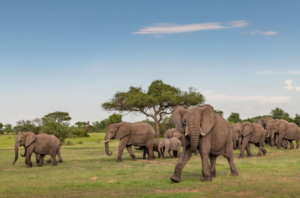
Large herbivores include elephants, buffalo, giraffes, hippos, wildebeest and zebra, along with many antelope species.
UNESCO also highlights the Serengeti’s biological diversity and notes that the ecosystem supports threatened species including black rhinoceros, elephant, wild dog and cheetah.
Bird enthusiasts also have plenty to observe. The UNESCO World Heritage Centre reports more than 500 bird species occurring permanently or seasonally in the park.
What Is a Typical Serengeti Game Drive Like?
A safari day often begins early because wildlife can be especially active during the cooler hours after sunrise.
Your guide drives through known wildlife areas while watching for tracks, animal behavior, birds, movement in the grass and information shared between safari guides.
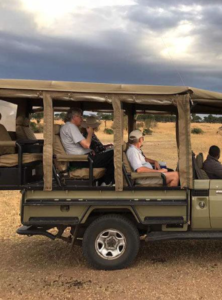
A pop-up-roof safari vehicle gives passengers elevated views and makes wildlife photography easier.
Game drives may continue through the morning, pause for lunch and resume in the afternoon. Depending on the itinerary, some travelers choose a full-day game drive with a picnic lunch so they can explore farther from camp.
The pace is usually determined by wildlife activity. A planned route may change when lions are hunting nearby, elephants appear beside the road or a leopard has been spotted in another area.
That unpredictability is part of the Serengeti experience.
Sunrise and Sunset in the Serengeti
Few scenes represent Africa as strongly as an acacia tree silhouetted against a Serengeti sunrise.
Early morning light can be excellent for photography, while cooler temperatures often encourage animal activity.
Evenings create a different atmosphere as the plains turn golden and animals begin preparing for the night.
Safari schedules must still respect park and accommodation regulations, so discuss your photographic priorities with your guide when planning each day.
Serengeti Hot-Air Balloon Safari
A balloon flight can add a completely different perspective to a Serengeti safari Tanzania adventure.
Flights normally take place around sunrise, weather permitting. From above, travelers may see rivers, kopjes, plains and wildlife trails that are difficult to appreciate from ground level.
Different balloon operations are available in various parts of the ecosystem depending on season and location.
TANAPA lists balloon safaris among the activities offered in Serengeti National Park.
A balloon safari should normally be booked in advance during popular travel months because capacity is limited.
How Many Days Do You Need in Serengeti?
A one-night visit is possible, but travelers who have sufficient time generally benefit from at least two or three nights.
Two nights provide more opportunities for game drives and reduce the pressure of trying to see everything immediately.
Three or four nights work particularly well for wildlife enthusiasts and photographers.
Travelers visiting Northern Serengeti specifically for migration activity may benefit from even more time because wildlife movements and river crossings are unpredictable.
The ideal duration also depends on whether Serengeti is being combined with Ngorongoro Crater, Tarangire National Park, Lake Manyara or another destination.
Serengeti and Ngorongoro Safari Combination
Serengeti and Ngorongoro Crater are commonly combined because the destinations provide complementary safari experiences.
The Serengeti offers enormous open landscapes and extensive game drives, while Ngorongoro provides wildlife viewing inside a compact volcanic caldera.
Combining them can create a varied itinerary within northern Tanzania.
UNESCO notes that Serengeti National Park is ecologically connected with the Ngorongoro Conservation Area, reflecting the importance of the wider ecosystem beyond individual park boundaries.
A longer itinerary can also add Tarangire, particularly for travelers who want to see different habitats.
Driving Safari or Fly-In Safari?
Most first-time visitors reach the Serengeti by road as part of a northern Tanzania safari circuit.
A road safari lets travelers experience changing landscapes between Arusha, Tarangire, Ngorongoro and Serengeti.
A fly-in safari reduces driving time and can be useful when the itinerary focuses primarily on the Serengeti or when travelers have limited vacation days.
Small aircraft connect several Serengeti airstrips with locations such as Arusha and Zanzibar.
Choosing between road and air usually depends on budget, available time and itinerary.
Serengeti Accommodation
Accommodation ranges from public camping and budget camps to comfortable tented camps and high-end safari lodges.
A tented safari camp does not necessarily mean basic camping. Many permanent and semi-permanent camps offer proper beds, private bathrooms, showers, dining areas and electricity or solar power.
Mobile migration camps may move seasonally to place guests closer to different sections of the migration.
Luxury lodges may include swimming pools, premium dining, larger rooms and extensive views.
Your accommodation location matters almost as much as its comfort level. Staying near the wildlife area you intend to explore can reduce unnecessary driving.
Best Time for a Serengeti Safari Tanzania Adventure
There is no single month that is perfect for everyone.
June through October is generally associated with the drier season and is a popular period for wildlife viewing. Northern Serengeti becomes especially attractive later in this period for travelers interested in migration activity.
January and February are excellent months for visitors interested in the southern ecosystem and calving season.
March through May can bring greener landscapes and seasonal rainfall. While road conditions can be more challenging in some locations, photographers may enjoy dramatic skies, fewer vehicles in some areas and lush scenery.
TANAPA advises travelers to match the timing of a national park visit with seasonal conditions, wildlife interests and planned activities.
Is the Serengeti Worth Visiting Outside Migration Season?
Absolutely.
One misconception is that the Serengeti becomes empty after the migratory herds leave a particular region.
In reality, many animals are resident.
Lions, leopards, elephants, giraffes, buffalo, hippos, antelopes and numerous bird species remain within different parts of the ecosystem throughout the year.
The migration adds another dimension to the safari, but it is not the only reason to visit.
For travelers interested in predators, landscapes and classic game drives, Central Serengeti can be rewarding in almost every season.
What Should You Pack?
Safari clothing should be comfortable and practical. Neutral-colored lightweight clothes work well during daytime game drives, while warmer layers are useful for early mornings and evenings.
Sun protection is important because game drives can involve many hours outdoors.
A camera, additional batteries, binoculars and enough storage space for photographs can make the experience more enjoyable.
Soft-sided luggage can also be useful, especially when the safari includes domestic flights with baggage limitations.
Always check current airline requirements before departure because baggage policies can change.
Is Serengeti Safari Safe?
Established safari tourism in Tanzania operates under national park regulations, and visitors travel with professional guides or authorized safari services.
Wild animals must always be treated as wild animals. Travelers should follow their guide’s instructions, avoid approaching wildlife independently and respect all accommodation and national park safety procedures.
TANAPA provides visitor guidance covering safety, park regulations, fees, permits and trip planning.
Plan Your Serengeti Safari Tanzania Adventure
A Serengeti safari is not simply about checking animals off a list. It is about spending time inside one of the world’s great natural ecosystems and watching events unfold without knowing exactly what the next game drive will bring.
One morning may begin with giraffes walking through the mist. A few hours later you may find lions beside a kopje, elephants crossing the road or thousands of wildebeest stretching toward the horizon.
Choosing the right Serengeti region, travel month and number of safari days will make a major difference to your experience.
Kilipath African Safaris can help create a Serengeti itinerary based on your travel dates, budget, preferred accommodation and wildlife interests, whether you are planning a private safari, honeymoon, family adventure, photographic safari or a Tanzania safari combined with Zanzibar.
Ready to start your Serengeti safari Tanzania adventure? Contact Kilipath African Safaris for a customized Tanzania safari itinerary.