

Budget Ngorongoro Crater Safari Holiday
Planning a budget Ngorongoro Crater safari holiday from Arusha? Compare a crater day trip, a two-day Tarangire and Ngorongoro safari, or a…
Read articleArusha City - Tanzania
Safari & Travel Tips
October 15, 2026 · 4 min read
A safari combining Serengeti and Tarangire introduces you to two distinctive sides of Tanzania’s Northern Circuit. Tarangire offers elephant encounters, baobab trees, and river landscapes, while the Serengeti brings sweeping plains and the excitement of searching for wildlife across open country.
If you are researching a Serengeti safari Tarangire itinerary, this guide explains how to combine the parks, choose your accommodation, and allow enough time to enjoy the journey.
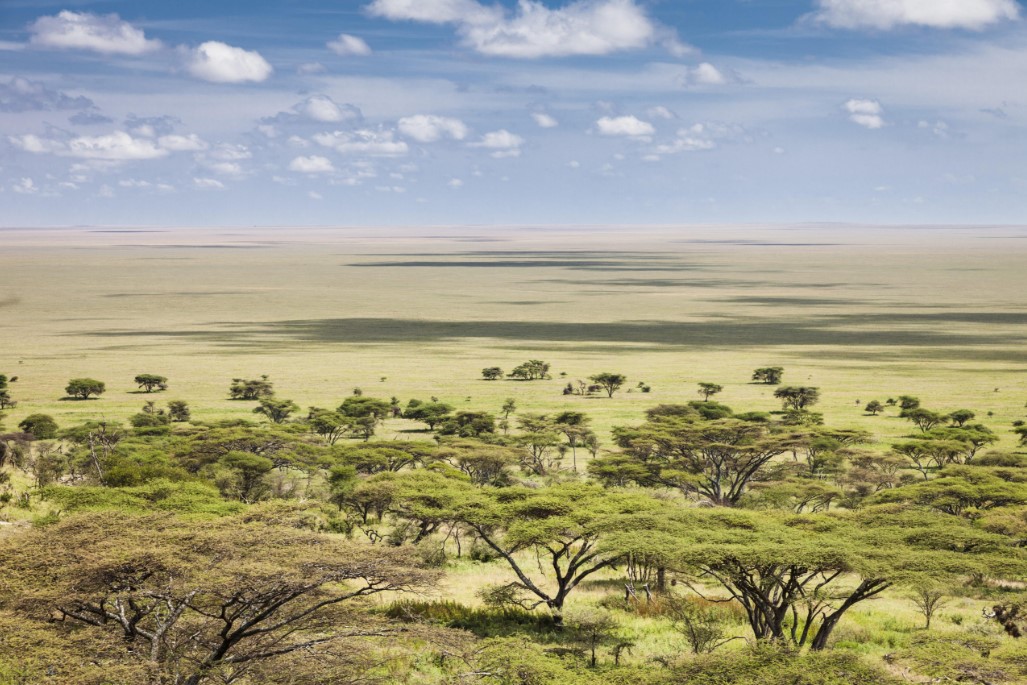
These parks complement each other because their landscapes create different wildlife experiences. In Tarangire, you might watch elephants feeding beneath baobabs or follow animal movements along the river. In the Serengeti, the horizon opens into grasslands broken by rocky outcrops and scattered woodland.
Combining both parks gives your safari variety. It also creates opportunities to appreciate smaller details: birds beside a waterhole, giraffes browsing, or changing light across the plains. Allow time to observe animal behaviour instead of treating every drive as a checklist.
Tarangire is particularly rewarding for travelers interested in elephants and dramatic scenery. Its baobabs provide memorable photographic subjects, while the Tarangire River becomes an important gathering place for wildlife during the dry season.
As surrounding water sources diminish, animals concentrate closer to the river, creating productive game-viewing opportunities. However, Tarangire remains a year-round destination, with seasonal changes shaping the experience.
Spend your time watching how animals interact with their surroundings. A relaxed elephant encounter can be just as memorable as finding a predator.
The Serengeti adds scale and a sense of exploration to your trip. Its varied habitats influence where animals move and breed, so choosing the right area matters when planning your stay.
Discuss your priorities before booking. Are you most interested in migration herds, general wildlife viewing, photography, or a peaceful camp experience? These preferences help determine where to stay and how long to spend there.
Wildlife sightings are unpredictable. A knowledgeable guide can interpret tracks and behaviour, but no itinerary can guarantee a particular animal or dramatic encounter.
For travelers prioritizing Tarangire’s dry-season wildlife concentrations, the drier months are a strong starting point. Tanzania National Parks identifies June to October as Tarangire’s peak dry-season travel period.
For the Serengeti, timing should match your wildlife interests and the region you intend to visit. January and February are associated with the migration’s calving period, while dry-season travel offers another popular option. Exact herd locations depend on conditions, so confirm the proposed route before booking.
The following route is a planning example for a private safari. Accommodation and driving arrangements should be confirmed in your quotation.
Day 1: Arusha to Tarangire
Leave Arusha and travel to Tarangire for a game drive. Enjoy a picnic lunch and continue exploring before heading to your overnight accommodation.
Day 2: Travel to the Serengeti
Continue toward the Serengeti. This is a substantial travel day, so expect time on the road alongside scenery and wildlife viewing where the schedule permits.
Day 3: Explore the Serengeti
Dedicate the day to game drives. With another night in the same area, you can spend more time observing wildlife without needing to relocate camp.
Day 4: Serengeti to Ngorongoro Area
Enjoy further wildlife viewing before traveling toward your accommodation in the Ngorongoro area. Departure time depends on your route and overnight location.
Day 5: Ngorongoro Crater and Return
If included in your package, descend into the crater for a game drive before returning to Arusha. Confirm onward flight arrangements against the expected return time.
Budget camping suits travelers comfortable with simple facilities and shared bathrooms. Ask which camping equipment, meals, and services are included.
Tented camps can offer proper beds and private bathrooms while keeping you close to the surrounding landscape. Confirm the facilities of the specific property, since “tented camp” covers different comfort levels.
Lodges provide another option, particularly for travelers who prefer solid rooms and additional amenities. Location matters as much as appearance: a convenient overnight stop can reduce unnecessary driving.
Your final price depends on travel dates, group size, accommodation, park arrangements, and whether the vehicle is shared or private.
Compare quotations using the full itinerary. Check park fees, meals, drinking water, transfers, accommodation names, and optional activities. Ask about exclusions, payment terms, and cancellation conditions before confirming.
Bring neutral-coloured clothing, comfortable shoes, sun protection, a warm layer, and your camera. A small soft travel bag helps make vehicle luggage easier to manage.
Share dietary requirements and any practical needs before departure.
Kilipath African Safaris can help you build a Serengeti and Tarangire itinerary around your dates, budget, and preferred accommodation. Share your group size and wildlife interests to receive a personalized proposal with clearly explained arrangements.
Planning a budget Ngorongoro Crater safari holiday from Arusha? Compare a crater day trip, a two-day Tarangire and Ngorongoro safari, or a…
Read articleA Tanzania safari from Zanzibar can mean a short mainland trip during your beach holiday or a complete package with flights, game…
Read articleLooking for a group Tanzania safari price from Kilipath African Safaris? A published example for our four-day shared camping safari through Tarangire,…
Read articlePair game drives on Tanzania’s mainland with a few days on Zanzibar’s coast. With Kilipath African Safaris, you can start in Arusha…
Read article

