Skip to content

Looking for a company that can take you to both Serengeti and Tarangire? Kilipath African Safaris arranges Tanzania safaris from Arusha that bring these two very different parks into one journey. Tarangire is known for elephants, baobab trees, and wildlife around its river. Serengeti offers vast plains, predators, and the possibility of seeing part of the Great Migration, depending on where and when you travel. Tarangire National Park
This guide explains how to combine the parks, how many days to allow, and what to ask before booking. Whether you prefer a shared camping safari or a private lodge itinerary, the right route depends on your dates, budget, and the amount of time you want for game drives.
Why visit both Tarangire and Serengeti?
Each park gives you a different view of northern Tanzania.
In Tarangire, baobabs rise above woodland and grassland. Elephant families are a major attraction, and the Tarangire River draws wildlife, particularly during dry periods. A game drive may also bring sightings of giraffes, zebras, buffalo, antelope, and predators. Wildlife moves freely, so sightings vary from day to day. Tarangire National Park
Serengeti feels much larger and more open. Its habitats support resident wildlife as well as the migrating herds for which the park is famous. Lions, cheetahs, leopards, elephants, giraffes, and many other animals are among the species travelers hope to see. The Great Migration is a moving, seasonal event; no company can promise that a herd or river crossing will be at a particular spot on a particular day. tanzaniaparks.go.tz
Visiting both parks gives you more variety than spending the entire safari in one area. It also makes the journey itself part of the experience, as the scenery changes from Tarangire’s baobab landscapes to the Serengeti plains.
Which safari route should you choose?
A common road itinerary starts in Arusha, visits Tarangire, continues toward Serengeti through the Ngorongoro Conservation Area, and returns with a visit to Ngorongoro Crater. Kilipath African Safaris can arrange this as a shared or private safari, depending on your travel plans.
| Safari length | Typical route | Best suited to |
|---|---|---|
| 4 days | Tarangire → Serengeti → Ngorongoro Crater | Travelers with limited time who want the main northern circuit highlights |
| 5 days | Tarangire → Serengeti with more game-drive time → Ngorongoro Crater | Travelers who want a less hurried Serengeti visit |
| 6 days or more | A flexible combination of Tarangire, Serengeti, and Ngorongoro | Travelers interested in extra game drives, particular wildlife areas, or a slower pace |
These are examples, not fixed promises of time inside each park. Driving distances, accommodation locations, park entry arrangements, and your arrival and departure times all affect the schedule. If Serengeti is your priority, ask for an itinerary that gives you a full day there rather than only an arrival drive and a departure drive.
A sample four-day itinerary
Day 1: Arusha to Tarangire. Leave Arusha in the morning and travel to Tarangire for a game drive. Watch for elephants among the baobabs and scan the river area for other wildlife. Spend the night at the accommodation specified in your quote.
Day 2: Travel to Serengeti. Cross the Ngorongoro highlands and continue toward Serengeti. This is a substantial travel day, with game viewing when the route and timing allow. Overnight in or near the Serengeti area named in your itinerary.
Day 3: Serengeti game drive. Explore the area with your guide. Your route will depend on recent wildlife activity, road conditions, and the location of your camp or lodge. Overnight arrangements vary by package.
Day 4: Ngorongoro Crater and return to Arusha. Travel to the crater for a game drive, then continue to Arusha. This final day can be long, so share any onward flight details before confirming your safari.
For a five-day trip, the extra day generally gives you more time to explore rather than adding another long transfer. Your consultant can show you exactly where the additional night falls.
Shared safari or private safari?
The best choice depends on how much flexibility you need.
Shared safari
A shared safari lets you join other travelers in one safari vehicle. Kilipath’s shared trips use a 4×4 Land Cruiser with a maximum of seven guests and a guaranteed window seat for each traveler. This option works well if your dates match a group departure and you are comfortable following a set route and schedule.
Shared itineraries are particularly useful for travelers seeking a lower per-person cost. However, the group must follow one agreed program. A standard shared Serengeti route generally focuses on the central area; requests for Northern Serengeti or Ndutu require a private itinerary.
Private safari
A private safari gives your party its own vehicle and guide. You can shape the trip around your interests: more time photographing wildlife, a lodge preference, a particular Serengeti region, or a pace that works better for children. Kilipath can discuss guide language requests and suitable accommodation when preparing the quote.
A private itinerary is also the appropriate starting point if you want to target Northern Serengeti during the migration season or the Ndutu area during the southern migration period. The exact location of herds changes with rainfall and grazing, so it is sensible to build flexibility into the plan.
When is the best time to go?
There is no single month that is best for every Serengeti and Tarangire safari. Decide first what you most want to experience.
For Tarangire’s dry-season wildlife gatherings: June through October is a popular planning window. As water becomes less widespread, the Tarangire River can draw substantial concentrations of animals. Conditions and sightings still vary within the season. tanzaniaparks.go.tz
For Northern Serengeti migration plans: July through October is a commonly used window for itineraries focused on the north. River crossings cannot be scheduled or guaranteed. Travelers hoping to spend time near the Mara River should ask for accommodation in the appropriate area and enough days to explore it. tanzaniaparks.go.tz
For the southern migration and calving period: Ask about a private route that includes the appropriate southern Serengeti or Ndutu area during the relevant season. A central Serengeti booking should not be described as a guaranteed calving-area safari.
For a general wildlife safari: Both parks remain worthwhile outside a single migration window. Your guide can look for resident animals, interesting behavior, landscapes, and birdlife. If you are traveling on fixed dates, tell Kilipath what matters most to you; the team can suggest a route suited to that period.
What wildlife might you see?
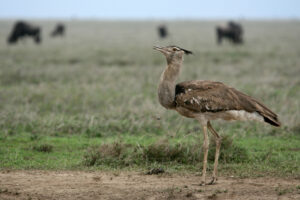
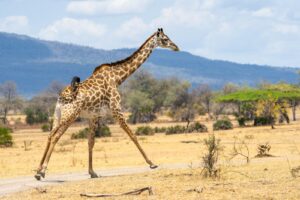
Tarangire is an excellent place to look for elephants, and its baobab scenery makes even a quiet stretch of game drive memorable. Other possible sightings include giraffes, buffalo, zebras, wildebeest, antelope, and a range of birds. Predators are present, but their location and visibility change throughout the day. Tarangire National Park
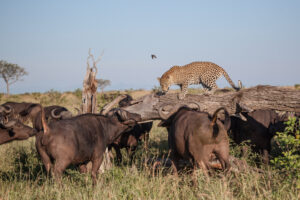
Serengeti is known for its large wildlife populations and predator viewing. Your guide may search open plains for cheetahs, examine rocky areas and woodland for other animals, or follow reports of activity elsewhere in the area covered by your itinerary. The park’s scale is part of its appeal, but it also means that a sighting may involve patient searching. tanzaniaparks.go.tz
Tell your guide if you have a special interest, such as elephants, big cats, birds, or photography. That helps shape the game drive where the itinerary allows. It is best to approach any list of hoped-for animals as a goal rather than a guarantee.
What accommodation can you choose?
Accommodation has a major effect on both the price and feel of a safari. Ask for the names and locations of your proposed overnight stops before paying a deposit.
Budget camping offers a closer-to-nature experience. On Kilipath’s camping trips, tents and basic sleeping equipment are provided, with shared campsite bathrooms and a safari chef. Facilities are simpler than those at a lodge, and hot water or charging access may vary by campsite.
Mid-range lodges and tented camps provide a private room or tented suite, generally with a private bathroom. They are a good fit if you want more comfort after long game-drive days.
Higher-end accommodation may offer a more spacious room, additional services, or a location selected for a particular area of the Serengeti. A premium room is useful only if its location also suits your wildlife goals and daily route.
The park or region matters as much as the accommodation category. A lodge far from the area you hope to explore can add substantial driving time. TANAPA lists a range of accommodation options associated with these parks, including campsites and tented camps. Tarangire National Park
What should a safari quote include?
When comparing Serengeti and Tarangire companies, ask for a written quote that identifies:
- The exact travel dates and daily route
- Whether the vehicle is shared or private
- The number of nights and accommodation names
- Meals and drinking water
- Park and conservation-area fees included in the quoted price
- Airport and hotel transfers, with their pickup and drop-off points
- Any domestic flights
- Optional activities and their separate costs
- Deposit, balance payment, and cancellation terms
A lower headline price can reflect fewer Serengeti hours, a different accommodation location, or excluded transfers. Looking at the full itinerary makes comparisons more useful.
Tell Kilipath your budget and whether you prefer camping, mid-range accommodation, or a higher-end stay. Prices depend on dates, group size, lodging availability, route, and included services, so request a quote for your actual trip rather than relying on an example price.
How to choose a Serengeti and Tarangire company
A good safari company should help you understand the trip before you book. Pay attention to how clearly it answers these questions:
Where will we sleep each night? “Serengeti accommodation” is less useful than the name and location of a camp or lodge. Location affects the time available for game drives.
How much time is spent driving between destinations? A multi-park safari includes road travel. Ask which days are primarily transfers and which offer longer game drives.
Which part of Serengeti is included? Central, northern, and southern areas serve different travel goals. If your aim is a seasonal migration experience, make sure the proposed route reaches the relevant region.
What happens on the final day? An evening flight may be possible after a safari, but the right departure time depends on the route and airport. Give the company your flight details so it can assess the connection.
What is flexible? Private trips allow more changes to the daily pace. Shared trips have a set program because other guests are traveling with you.
Kilipath African Safaris can answer these questions while preparing your itinerary. The clearest booking decision comes from comparing the actual day-by-day plans, not only the number of days printed in a package name.
Preparing for your safari
Bring light, comfortable clothing for warm days and an extra layer for cool mornings and evenings. A warmer jacket is useful around the Ngorongoro highlands. Neutral colors are practical for game drives; avoiding dark blue and black in Tarangire is commonly advised because of tsetse flies.
Pack sun protection, comfortable shoes, any personal medication, and a camera or binoculars if you have them. A soft bag is easier to handle in a safari vehicle, especially if you are sharing space with other travelers. If your itinerary includes a domestic flight, check that airline’s current baggage allowance before packing.
Let Kilipath know about dietary requirements in advance. Also share your arrival flight, departure flight, hotel address, and a reachable phone number. These details help the team coordinate transfers and assess whether your proposed start and finish times are realistic.
During game drives, follow your guide’s instructions and keep a respectful distance from wildlife. Tarangire’s visitor guidance specifically advises travelers to give elephants and buffalo space and avoid blocking animals moving toward water.
Plan your trip with Kilipath African Safaris
A well-planned Serengeti and Tarangire safari gives each park enough time to show its character. Start by choosing your dates, the number of days available, and your preferred accommodation style. Then decide whether a shared departure fits your plans or a private route would better serve your interests.
Contact Kilipath African Safaris with your travel dates, number of guests, arrival and departure points, budget, and wildlife priorities. Ask for a day-by-day Serengeti and Tarangire proposal with accommodation names and a clear list of inclusions.