

Nyerere Tanzania Wildlife Safari Guide
A Nyerere Tanzania wildlife safari can take you from a woodland game drive in the morning to a boat on the Rufiji…
Read articleArusha City - Tanzania
Safari & Travel Tips
August 24, 2026 · 11 min read
A Tanzania photography safari tour offers an extraordinary opportunity to photograph Africa’s wildlife, landscapes and natural beauty. From lions resting on Serengeti kopjes to elephants walking beneath ancient baobab trees in Tarangire, every destination provides unique photographic moments.
Unlike a standard wildlife holiday, a photography safari is designed around light, animal behavior, positioning and patience. You have more time at sightings, flexible game-drive schedules and support from an experienced safari guide who understands the needs of photographers.
Whether you are a professional photographer, an enthusiastic hobbyist or a traveler who simply wants beautiful safari photographs, Kilipath African Safaris can create a personalized Tanzania photography safari vacation for you.
Tanzania is one of Africa’s finest wildlife photography destinations. Its protected areas contain remarkable concentrations of animals, dramatic landscapes and diverse habitats.
During your photography safari, you may capture:
Every season offers different photographic possibilities. Our specialists help you select the right parks, travel dates and itinerary based on the subjects you want to photograph.
A private photography safari gives you control over your schedule and positioning. You travel in a dedicated 4x4 Land Cruiser with your own professional guide.
You can remain at an important sighting without being rushed, leave early for the best morning light and request a particular vehicle position whenever conditions allow.
Clear visibility is essential for wildlife photography. Our vehicles have wide windows and a pop-up roof, allowing photographers to shoot from different angles.
For serious photography groups, we recommend limiting the number of travelers in each vehicle. Fewer passengers provide more space for cameras, lenses and equipment.
A knowledgeable guide is an important part of a successful photography safari. Our guides understand wildlife behavior and can anticipate possible movements while respecting park regulations.
Your guide will help position the vehicle according to available light, background, animal direction and safe viewing distance. Wildlife behavior can never be guaranteed, but patience and good field knowledge significantly improve photographic opportunities.
Photography often requires time. A leopard may remain hidden before climbing a tree, or a lion pride may rest for hours before becoming active.
A private itinerary provides greater flexibility than a standard shared safari. Depending on park rules and your accommodation arrangements, we can organize early departures, extended game drives and picnic lunches inside the parks.
Serengeti National Park is the centerpiece of many Tanzania photography safari tours. Its open plains, kopjes, rivers and woodland areas support an exceptional variety of wildlife.
The Central Serengeti is famous for resident predators and can be visited throughout the year. Lions are frequently seen around the plains and rocky kopjes, while leopards are often found near riverine trees. Cheetahs prefer open areas where they can scan the grasslands.
Possible photographic subjects include:
From approximately July through October, the northern section of the Serengeti becomes especially important for migration photography. Large wildebeest herds gather near the Mara River, where crossings may occur.
River crossings are natural events and cannot be scheduled or guaranteed. A patient itinerary with several nights in the area offers a better chance of witnessing migration activity.
A private safari is required for itineraries focusing on the Northern Serengeti because standard shared departures usually follow the central circuit.
From December through April, migration herds are commonly found around Ndutu and the Southern Serengeti. The calving season usually reaches its peak from late January through February.
This period can provide opportunities to photograph:
Photographers interested in newborn animals and predator activity should consider spending at least three nights in the Ndutu region.
Ngorongoro Crater contains a remarkable concentration of wildlife within a relatively compact area. The crater floor includes grasslands, wetlands, woodland and freshwater areas, creating varied photographic backgrounds.
Common subjects include lions, elephants, buffaloes, zebras, wildebeest, hippos and flamingos. The crater is also one of Tanzania’s important locations for spotting the endangered black rhino, although sightings are never guaranteed.
Descending early helps photographers benefit from softer light and potentially less vehicle traffic.
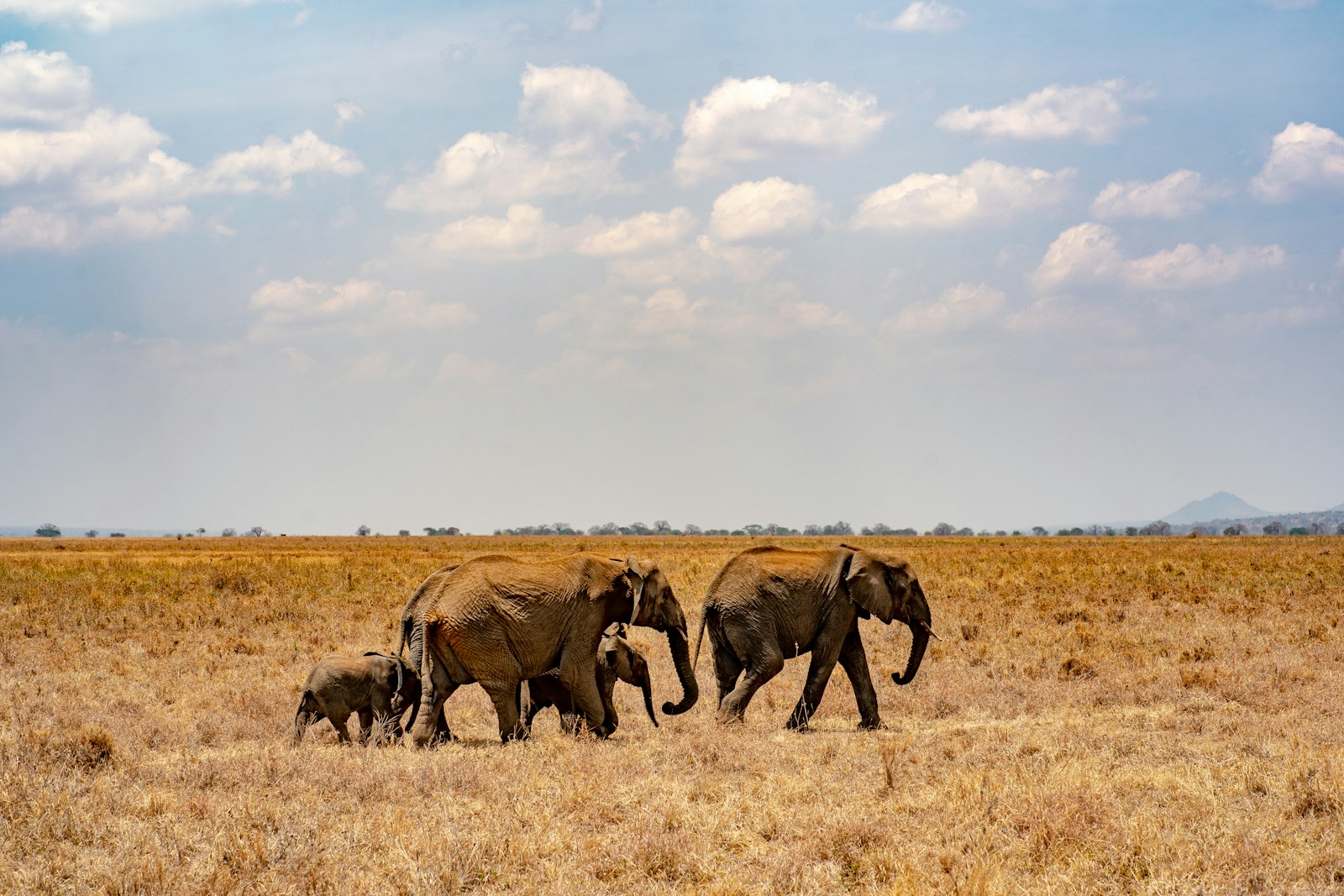
Tarangire is renowned for its elephants, ancient baobab trees and beautiful seasonal landscapes. During the dry season, wildlife gathers near the Tarangire River, providing excellent opportunities for animal portraits and environmental compositions.
Photography highlights include:
Tarangire is particularly rewarding from June through October, although it remains an attractive destination throughout much of the year.
Lake Manyara provides forest, wetland and Rift Valley scenery. It is a useful destination for bird photography, primates, elephants and landscape images.
The park is home to baboons, blue monkeys, giraffes, buffaloes, hippos and numerous bird species. Wildlife distribution can change according to water levels and seasonal conditions.
Ruaha offers a quieter and more remote photography experience. Its rugged landscapes, baobab-covered hills and seasonal river systems create a very different atmosphere from the Northern Circuit.
The park is known for elephants, lions, leopards, wild dogs and diverse antelope species. Ruaha is ideal for photographers who prefer remote wilderness and fewer safari vehicles.
Nyerere National Park combines traditional game drives with boat safaris on the Rufiji River. Boat excursions create opportunities to photograph hippos, crocodiles, elephants and waterbirds from a different perspective.
The park’s wetlands, channels and palm-lined waterways make it especially appealing for landscape and bird photography.
Tanzania is a year-round photographic destination, but the best month depends on your interests.
| Travel period | Main photography opportunities |
|---|---|
| January–February | Ndutu calving, newborn animals and predator activity |
| March–May | Green landscapes, dramatic skies and fewer visitors |
| June | Drying landscapes and gathering wildlife |
| July–September | Northern Serengeti migration and possible river crossings |
| October | Late migration activity, elephants and dry-season wildlife |
| November–December | Short rains, fresh landscapes and returning migration herds |
The dry season usually provides easier wildlife viewing because vegetation is thinner and animals gather near water sources. The green season offers lush backgrounds, newborn animals, dramatic clouds and excellent bird photography.
Depart Arusha in the morning and travel to Tarangire National Park. Spend the day photographing elephants, baobab trees, giraffes and other wildlife.
Your guide will help select productive areas based on current wildlife movements and lighting conditions. Enjoy a picnic lunch before continuing with an afternoon game drive.
Travel through the Ngorongoro Conservation Area toward Serengeti National Park. The journey offers scenic views and possible wildlife encounters.
Enter the Serengeti and begin photographing its open plains, kopjes and resident animals. Continue to your chosen camp or lodge before sunset.
Leave early to take advantage of the morning light. Search for lions, cheetahs, leopards, elephants and plains animals.
Because this is a photography-focused private safari, you can spend longer at productive sightings. Your guide will consider animal direction, sunlight and background when positioning the vehicle.
Enjoy another complete day in the Serengeti. Multiple days are valuable because wildlife encounters and weather conditions are unpredictable.
You may explore different habitats or return to an area where predators were previously observed. A picnic lunch allows you to remain inside the park throughout the day.
Begin with a final morning game drive in the Serengeti. After lunch, travel toward the Ngorongoro Conservation Area.
Depending on your itinerary and accommodation, you may photograph landscapes from the crater rim during the late afternoon.
Descend into Ngorongoro Crater early in the morning. Photograph lions, buffaloes, zebras, wildebeest, hippos and, with luck, black rhinos.
After an extensive game drive and picnic lunch, continue to a lodge near Karatu.
Complete your journey with a game drive in Lake Manyara National Park or a carefully arranged cultural experience. Afterward, return to Arusha for your hotel or onward flight.
This itinerary can be extended to include Northern Serengeti, Ndutu, Ruaha, Nyerere National Park or Zanzibar.
We offer different accommodation categories according to your budget and preferred comfort level.
A camping safari provides an adventurous experience close to nature. Tents, mattresses, sleeping bags and meals prepared by a safari chef can be included.
Public campsites offer shared bathroom facilities. Camping is suitable for flexible photographers who prioritize wildlife time and value over luxury.
Mid-range camps usually provide proper beds, private bathrooms and comfortable dining areas. Their locations often allow convenient access to wildlife areas while maintaining an authentic safari atmosphere.
Luxury accommodations provide spacious rooms or tents, private bathrooms, high-quality dining and personalized service. Some camps are strategically located near migration areas, reducing travel time during early-morning photography sessions.
We recommend selecting accommodation based on location as well as comfort. Staying near the wildlife area you want to photograph can provide more field time and less daily driving.
Consider bringing:
Charging sockets or USB points are available in many safari vehicles, but photographers should still carry charged spare batteries and a power bank. Electricity availability may be limited in remote camps.
Early morning and late afternoon generally provide softer, warmer light. These periods are also when many animals become more active.
Portraits are beautiful, but behavioral images often tell a stronger story. Watch for interaction between family members, hunting preparation, feeding, playing and movement.
Not every photograph needs to be a close-up. Wide compositions showing animals within the Serengeti plains, Tarangire baobabs or Ngorongoro landscape create a sense of place.
Wildlife photography cannot be rushed. A quiet sighting may suddenly develop into an unforgettable interaction.
Experienced guides recognize signs of animal behavior. Their advice can help you prepare before an animal moves, hunts or interacts.
Ethical photography protects animals and improves the safari experience. Never pressure a guide to leave designated tracks, approach dangerously close or disturb an animal for a photograph.
A typical Tanzania photography safari package may include:
International flights, visas, travel insurance, tips, personal purchases and optional activities are normally excluded unless clearly included in your quotation.
The price depends on:
Private photography safaris usually cost more than shared tours, but they offer greater flexibility and better access to shooting positions. Traveling with a small private group can reduce the cost per person while maintaining photographic freedom.
Contact Kilipath African Safaris with your travel dates, group size, accommodation preference and approximate budget to receive a customized quotation.
After several days in the wilderness, you can fly to Zanzibar for a relaxing beach holiday. Zanzibar also provides excellent opportunities for travel, cultural and architectural photography.
Possible subjects include:
Domestic flights can connect Arusha, Kilimanjaro, Serengeti and Zanzibar, making it convenient to combine safari and beach experiences.
A Tanzania photography safari vacation is more than an opportunity to see wildlife—it is a chance to observe natural behavior, understand the wilderness and return home with images that preserve unforgettable moments.
Kilipath African Safaris will design your trip according to your preferred wildlife subjects, travel season, photography level, accommodation style and budget. Whether you want to photograph the Great Migration, big cats, elephants, birds or Tanzania’s landscapes, we can build an itinerary around your creative goals.
A Nyerere Tanzania wildlife safari can take you from a woodland game drive in the morning to a boat on the Rufiji…
Read articlePlanning a Tanzania safari that combines Lake Manyara National Park and Nyerere National Park is an excellent way to experience the country's…
Read articleDiscover Tanzania’s untamed wilderness without exceeding your travel budget. A budget Ruaha safari adventure offers incredible wildlife encounters, spectacular landscapes, authentic African…
Read articleA Nyerere Tanzania wildlife safari offers an extraordinary opportunity to discover one of Africa's most spectacular wilderness destinations. From magnificent elephants and…
Read article

