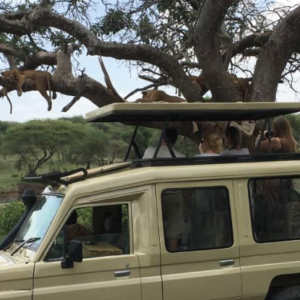
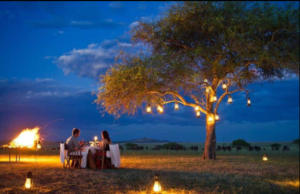
A Tanzania photography safari brings together wildlife, beautiful landscapes and the time to observe animals closely. From elephant families beneath Tarangire’s baobabs to lions on the Serengeti plains, each destination offers different subjects and settings.
The most rewarding trip starts with a clear question: what would you most like to photograph? Big cats, wildebeest herds, birds, newborn animals and dramatic landscapes may require different routes and seasons.
This FAQ explains how to plan your safari, choose suitable accommodation, prepare your camera equipment and make the most of your time in the field.
1. What is a Tanzania photography safari?
A photography safari is a wildlife trip planned around taking pictures. It usually places greater emphasis on light, vehicle positioning, animal behaviour and time at sightings.
Instead of moving quickly between animals, you might spend an hour watching an elephant family or waiting for a resting lion to become active. Some days produce dramatic action; others offer quiet portraits, striking skies or small details.
A dedicated photographic trip should allow time to wait while still following park rules and respecting other visitors.
2. Which destinations should I include?
| Destination | Photography subjects | Planning advice |
|---|---|---|
| Central Serengeti | Big cats, plains wildlife and broad landscapes | Allow several nights to explore without rushing |
| Northern Serengeti | Seasonal migration herds and possible river crossings | Match your camp location to seasonal herd movements |
| Ndutu and southern plains | Seasonal calving herds, young animals and predators | Choose dates and camp locations carefully |
| Tarangire | Elephants, baobabs, river scenes and birds | Include time for both animal portraits and wider compositions |
| Ngorongoro Crater | Wildlife within a dramatic volcanic landscape | Stay nearby to support an early departure |
| Lake Manyara | Woodland, lake scenery, monkeys and birds | Include it for variety rather than a promised signature sighting |
Combining fewer destinations with longer stays often creates more opportunities than changing accommodation every night.
3. Why choose the Serengeti for wildlife photography?
The Serengeti offers space to photograph both individual animals and the wider environment. A close portrait of a lion can be followed by a wide composition showing a herd beneath a stormy sky.
TANAPA identifies the park’s wildlife, birdlife and Great Migration as major attractions. Its seasonal guidance highlights June–October for dry-season migration viewing and January–February for calving. Your precise route still needs to reflect conditions and herd locations. tanzaniaparks.go.tz
For a first photography safari, consider giving the Serengeti at least three nights. Additional nights are particularly useful when reaching a distant seasonal area.
4. When is the best time for a Tanzania photography safari?
Choose your dates around the pictures you want to make.
| Period | Typical photographic opportunities | What to consider |
|---|---|---|
| January–March | Southern plains, seasonal calving activity and green scenery | Herd locations depend on rainfall |
| April–May | Lush landscapes, cloud formations and quieter scenes | Rain can affect access and daily plans |
| June–July | Drying landscapes and moving migration herds | Confirm the appropriate Serengeti sector |
| August–October | Northern migration opportunities and dry-season wildlife | River crossings remain unpredictable |
| November–December | Changing skies, fresh vegetation and seasonal herd movements | Build flexibility into the route |
These are broad planning patterns. The migration is a year-round movement through the ecosystem, and animals do not follow a fixed calendar. serengeti.com
5. Can I photograph a wildebeest river crossing?
You can plan a safari that gives you an opportunity, but a crossing cannot be guaranteed.
Herds may gather near a river and wait for hours before moving. They may also leave without crossing. Several nights in the relevant area provide more flexibility than a brief visit.
Choose a trip you would enjoy even without a crossing, with time for predators, herd behaviour and landscapes. TANAPA publishes specific Mara River viewing guidance intended to protect the river and migration while managing visitor activity. tanzaniaparks.go.tz
6. Is Tarangire worthwhile for photographers?
Yes—especially if you enjoy elephants and distinctive landscapes.
TANAPA highlights Tarangire’s dry-season elephant gatherings, baobabs and river habitats. These provide opportunities for family interactions, textured close-ups and wider images showing animals within their surroundings. Tarangire National Park
Avoid photographing every elephant tightly. Leaving room for a baobab, riverbank or approaching herd can help tell a stronger story.
7. Should I book a private or shared safari?
Both can work, depending on your priorities.
| Feature | Private safari | Shared safari |
|---|---|---|
| Time at sightings | More scope to agree longer stops | Must accommodate the whole group |
| Vehicle space | Can be arranged around equipment | Space is shared with other travelers |
| Daily priorities | Planned around your interests | Follows the group itinerary |
| Cost | Higher when fewer people share expenses | Usually more economical |
| Best fit | Dedicated photography and specialist interests | General wildlife photography on a budget |
A guaranteed window seat is useful, but photographers should also confirm space for camera bags, access to both sides of the vehicle and the number of other passengers.
8. Is a photography guide included?
A wildlife guide and a photography instructor provide different services.
A wildlife guide helps locate animals, interpret behaviour and manage the safari. A photography instructor can also help with exposure, autofocus, composition and image reviews.
Before booking, confirm whether the package includes:
- A driver-guide experienced with photographers.
- A specialist photography host or instructor.
- Any scheduled tuition or editing sessions.
Do not assume camera tuition is included in a standard safari.
9. What camera and lenses should I bring?
Bring equipment you can use confidently. Familiar controls are particularly valuable when animal behaviour changes quickly.
A practical kit might include:
- A camera with reliable continuous autofocus.
- A telephoto zoom for wildlife.
- A standard zoom for animals in the landscape.
- Spare batteries and memory cards.
- A blower, lens cloth and dust protection.
- A beanbag or another suitable vehicle support.
A lens around 100–400mm or 150–600mm can provide useful flexibility, depending on your camera system and carrying preferences. A 24–70mm or 24–105mm lens can help with landscapes and wider scenes.
Longer lenses add weight and can be harder to hold steady. Check your complete equipment weight before choosing any light-aircraft transfers.
10. What camera settings should I use?
Use these as starting points, then adjust for light, movement and your equipment.
| Subject | Suggested starting shutter speed | Technique |
|---|---|---|
| Resting mammals | Around 1/500 second | Focus carefully on the nearest eye |
| Walking animals | Around 1/1000 second | Track movement with continuous autofocus |
| Running animals | Around 1/2000 second or faster | Use short bursts and leave space ahead |
| Birds in flight | Around 1/2500 second or faster | Track smoothly and keep the bird in frame |
| Landscapes | Depends on support and conditions | Choose aperture for the required depth of field |
Raise ISO when needed to maintain a suitable shutter speed. Check exposure when photographing pale birds, dark animals or strongly backlit scenes.
11. Can I take good safari pictures with a phone?
Yes. Phones work especially well for landscapes, sunsets, travel details and animals that are already close enough to photograph safely.
For better results:
- Avoid excessive digital zoom.
- Keep the horizon level.
- Tap the subject to set focus.
- Reduce exposure slightly if bright skies lose detail.
- Record short, steady video clips.
Never encourage a closer approach simply to compensate for limited zoom.
12. How many days should I allow?
For a first dedicated trip, six to eight safari days is a useful starting point. A longer trip gives you more time to revisit productive areas and recover from days with difficult weather or quiet sightings.
A shorter safari can still be rewarding if it concentrates on a smaller area. Including too many distant parks reduces the hours available for photography.
13. What could a seven-day photography itinerary look like?
This is a suggested route, subject to arrival arrangements, accommodation and park access.
| Day | Plan | Overnight area |
|---|---|---|
| 1 | Arusha to Tarangire; wildlife photography | Tarangire area |
| 2 | Further Tarangire photography | Tarangire area |
| 3 | Travel to Central Serengeti; photography as time allows | Central Serengeti |
| 4 | Full day exploring Central Serengeti | Central Serengeti |
| 5 | Another Serengeti day, revisiting promising areas | Central Serengeti |
| 6 | Photography en route toward Ngorongoro | Crater rim or Karatu |
| 7 | Ngorongoro Crater safari; return to Arusha | Arrange separately if needed |
For a calving-focused safari, redesign the route to include several nights in Ndutu. For a northern migration trip, allow additional time for the longer distances.
14. Which accommodation works best?
Location matters as much as comfort. A camp near your intended photography area can reduce travel time and make early departures easier.
Ask about:
- Distance to the main wildlife areas.
- Breakfast and packed-meal arrangements.
- Charging hours and available sockets.
- Secure storage for equipment.
- Private bathroom facilities.
- Space to organise cameras and back up photographs.
A well-positioned tented camp may suit your photographic priorities better than a more luxurious property farther away.
15. How much does a photography safari cost?
An accurate price requires your dates, group size, route and accommodation preferences. The main cost factors include private vehicle use, the number of nights, park fees, camp locations and any specialist photography host.
Request a written quotation showing:
- Vehicle and guide arrangements.
- Accommodation and meals.
- Park and conservation charges.
- Transfers and any domestic flights.
- Optional balloon flights or photography tuition.
- Exclusions and cancellation terms.
Confirm separately whether beanbags, camera rentals or other specialist equipment are available.
16. How should I protect my equipment?
Keep cameras covered on dusty roads and avoid changing lenses when dust is blowing. Carry batteries and memory cards where you can reach them easily.
Back up photographs each evening when possible. Keep a second copy on a separate device, and avoid formatting cards until you have verified the backups.
Check charging arrangements and airline baggage allowances before departure.
17. What makes wildlife photography responsible?
A strong photograph should come from observation and patience.
Follow your guide’s instructions, respect designated routes, keep noise low and give animals space. Avoid blocking their movement, provoking a reaction or asking the driver to break viewing rules.
Ask permission before photographing people. Discuss any drone use or commercial production requirements with the operator well before travel.
18. How do I plan my trip with Kilipath African Safaris?
Share your preferred dates, number of travelers, budget and main photography interests. Tell us whether you hope to focus on big cats, elephants, birds, migration herds or landscapes.
Also let us know how much equipment you will bring and whether you prefer a private vehicle. This helps us suggest a suitable route, accommodation locations and enough time in each area.
Contact Kilipath African Safaris to request a personalised Tanzania photography safari itinerary.