Skip to content

Ngorongoro Crater is a memorable stop on a northern Tanzania safari. Its broad crater floor brings grassland, wetlands, forest, and wildlife into one game-drive area. For travelers planning a trip, two questions usually come first: How much will a Ngorongoro safari cost, and how should it fit into the itinerary?
The answer depends on more than the number of days. Your group size, travel dates, accommodation, transport, and choice of a shared or private vehicle all affect the final price. This guide explains those choices and shows how Kilipath African Safaris can build a practical route around Ngorongoro.
Why include Ngorongoro Crater in your safari?
Ngorongoro Crater is part of the Ngorongoro Conservation Area. The crater is roughly 20 kilometres across, with a floor about 600 metres below the rim. Its landscape supports a variety of wildlife and gives visitors a distinctive game-drive experience. ngorongorocrater.org
A crater visit works well as part of a longer northern circuit itinerary. You can pair it with Tarangire for elephants and baobab landscapes, or with the Serengeti for more time exploring open plains. If your schedule is short, a trip focused on Ngorongoro is also possible.
Wildlife sightings are never guaranteed. Your guide will plan the drive around conditions on the day and help you make the most of the available time.
Sample four-day Tanzania safari itinerary
This route gives you three different safari settings without adding too many hotel changes. It can be arranged as a private trip or, subject to departure availability, a shared safari.
Day 1: Arusha to Tarangire National Park
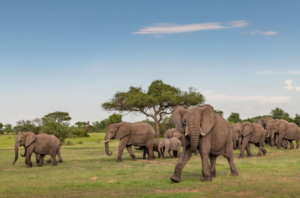
Leave Arusha in the morning and travel to Tarangire. Spend the day on a game drive, stopping for lunch before continuing through the park. Tarangire is especially appealing to travelers who want to see elephants and its characteristic baobab scenery.
After the game drive, travel to your campsite or lodge for dinner and an overnight stay.
Day 2: Travel to the Serengeti
Continue toward the Serengeti, passing through the Ngorongoro Conservation Area. The journey takes much of the day, but the changing scenery is part of the experience. Once you reach the Serengeti, enjoy a game drive before heading to your accommodation.
Day 3: Serengeti game drive and journey toward Ngorongoro
Start with more time in the Serengeti. Your guide will choose a route based on your departure time and recent wildlife activity. Later, travel toward the Ngorongoro area and stay near the crater, ready for an early start the next morning.
Day 4: Ngorongoro Crater and return to Arusha
Descend into the crater for a morning game drive. After lunch and your remaining time in the conservation area, drive back to Arusha. Arrival is generally in the late afternoon or early evening, although road and gate conditions can affect the timing.
If you have a flight that evening, share its departure time before booking so the route and airport transfer can be checked carefully.
What affects the cost of a Ngorongoro safari?
A useful quote should tell you exactly what you are paying for. Two trips with the same itinerary may have different prices because their accommodation, vehicle arrangement, and inclusions differ.
| Cost factor | How it changes your quote |
|---|---|
| Shared or private safari | On a shared trip, travelers split vehicle and guide costs. A private safari gives your party its own vehicle and more flexibility. |
| Number of travelers | On a private trip, a larger party can share fixed vehicle costs. |
| Accommodation | Public camping, mid-range lodges, and luxury properties have different rates. |
| Travel dates | Accommodation prices and availability can change by season. |
| Number of days | Extra days add accommodation, meals, guiding, and applicable entry costs. |
| Route | A crater-focused trip usually involves less travel than an itinerary that also reaches the Serengeti. |
| Transfers and activities | Airport transfers, flights, cultural visits, and other optional experiences may add to the total. |
Ngorongoro fees should be checked for your travel dates and visitor category when preparing a quote. Published park or conservation fees are only one part of a complete safari price. Kilipath African Safaris can give you an itemized proposal showing the route, accommodation, and inclusions before you decide. ngorongorocrater.org
Shared safari or private safari?
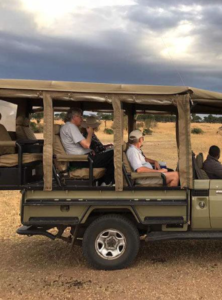
A shared safari is a good choice if you are comfortable traveling on a set schedule with other guests. Kilipath African Safaris uses a maximum of seven guests in its shared 4×4 safari vehicle, with a window seat for each person. Shared routes and accommodation choices are fixed by the departure.
A private safari gives your group a dedicated vehicle and guide. It is useful if you want to choose specific lodges, adjust the pace, travel with young children, or add activities along the route. It also allows more room to tailor the itinerary to your arrival and departure flights.
If Ngorongoro is your main priority, you do not necessarily need a long safari. Tell us how many days you have, and we can compare a shorter crater trip with a multi-park route.
Camping, mid-range, or luxury accommodation?
Accommodation is one of the clearest ways to adjust your budget.
Budget camping offers a straightforward safari experience. On a Kilipath camping trip, tents and sleeping equipment are provided, and guests use shared campsite facilities. A safari chef prepares meals on applicable camping itineraries.
Mid-range lodges or tented camps offer more comfort, typically with a private bathroom. Their locations vary: some are closer to a park or the crater route than others. The exact property matters because it can affect both price and driving time.
Luxury accommodation may offer a higher level of service, distinctive views, or a more exclusive setting. Availability can be limited, particularly around popular travel dates.
Ask for the names of the proposed properties when comparing quotes. “Mid-range” and “luxury” are broad labels; the actual location and room type tell you more about the trip you will receive.
What should an all-inclusive safari quote cover?
Before paying a deposit, check the written inclusions. A proposed package may cover:
- A 4×4 safari vehicle and professional guide
- Accommodation for the stated number of nights
- Meals specified in the itinerary
- Drinking water during the safari
- Applicable park and conservation fees
- The transfers specifically listed in your proposal
Also check what is excluded, such as international flights, visas, travel insurance, tips, optional activities, or transfers outside the stated route. If an airport pickup or drop-off matters to your plans, ask for it to appear clearly in the quote.
An accurate quote should specify whether the price is per person or for the entire group, the number of travelers used in the calculation, and the currency.
How many days should you allow?
One day: A Ngorongoro day trip may suit travelers with very limited time. It involves an early departure from Arusha and a long day of driving.
Two days: An overnight trip gives you a less rushed approach and can combine Ngorongoro with another nearby stop, depending on the route.
Three to four days: This is a practical range for travelers who want Ngorongoro plus other northern safari areas. A four-day route can include Tarangire and the Serengeti, though it still involves substantial driving.
Five days or more: Additional time gives you more game drives and a more relaxed pace. It is especially valuable if the Serengeti is a major reason for your visit.
The best duration depends on your flight schedule and what you most want to see. Adding destinations does not always improve a short trip; sometimes an extra game drive in one area is the better use of your time.
Planning your arrival and departure
Arusha is a common starting point for a northern Tanzania safari. For an early shared departure, plan to arrive the previous day. This gives you time to settle in and avoids relying on a flight connection on the morning your group leaves.
A private itinerary offers more scheduling flexibility, but arrival time still matters. If you land late in the day, an overnight stay before the safari is usually more practical than trying to reach a distant park immediately.
On the final day, allow enough time for the drive back, traffic, your transfer, and airport check-in. Tell your consultant whether you are flying from Arusha Airport or Kilimanjaro International Airport; they require different transfer plans.
What to pack for Ngorongoro
The crater rim can feel cool, especially early in the morning. Bring a warm layer that you can remove later in the day. Comfortable clothing, sun protection, and closed shoes are useful throughout a safari.
A simple packing list includes:
- A warm jacket or fleece
- Hat, sunglasses, and sunscreen
- Comfortable shoes
- Camera and spare battery
- Personal medication
- A small day bag for items needed in the vehicle
For a camping trip, check the equipment listed in your proposal. For a fly-in itinerary, check the luggage allowance of the specific airline before packing.
Request your Ngorongoro safari quote
Tell Kilipath African Safaris your travel dates, number of guests, preferred accommodation level, starting location, and available days. We will prepare an itinerary with a clear price and explain what is included.
Ready to plan your safari? Contact Kilipath African Safaris for a personalized Ngorongoro itinerary and quote.