

Budget Ngorongoro Crater Safari Holiday
Planning a budget Ngorongoro Crater safari holiday from Arusha? Compare a crater day trip, a two-day Tarangire and Ngorongoro safari, or a…
Read articleArusha City - Tanzania
Safari & Travel Tips
August 20, 2026 · 10 min read
Planning an African safari is exciting, but understanding the Tanzania safari cost and Tanzania packages available is one of the most important steps before booking. Tanzania offers everything from affordable camping adventures to comfortable mid-range lodge safaris and exclusive luxury experiences. The final price depends on the length of your trip, parks visited, accommodation standard, whether the safari is shared or private, and the season in which you travel.
This complete guide explains the main Tanzania safari costs, package options, destinations, itineraries, and practical factors that travelers should consider when planning their safari.
There is no single fixed price for a Tanzania safari. A short shared camping safari can be relatively affordable, while a private luxury journey involving premium lodges, domestic flights, and remote wildlife areas can cost several thousand dollars per traveler.
As a general planning guide, travelers may encounter the following approximate price ranges:
| Safari Style | Approximate Cost Per Person/Day |
|---|---|
| Budget shared safari | $180–$300 |
| Mid-range safari | $300–$500 |
| Private comfort safari | $400–$700 |
| Luxury safari | $600–$1,200+ |
| Premium fly-in safari | $800–$1,500+ |
These figures are only planning estimates. Actual prices vary considerably according to season, group size, accommodation availability, park fees, transportation, and itinerary.
Several major factors influence the overall price of Tanzania packages.
The longer you stay on safari, the higher the total cost because additional days mean more accommodation, meals, park fees, vehicle expenses, guide services, and conservation fees.
However, longer private safaris can sometimes provide better value per day because transportation costs are distributed across more days.
A shared group safari allows several travelers to share the vehicle, guide, and transportation expenses. This makes it particularly attractive for solo travelers, couples, students, and travelers working with smaller budgets.
A private Tanzania safari gives you your own vehicle and professional guide. Private safaris provide considerably more flexibility regarding departure times, wildlife sightings, photography stops, accommodation choices, and daily schedules.
For couples, families, honeymooners, photographers, and small groups, the additional flexibility can make a private safari worthwhile.
Budget safaris are designed for travelers who want to experience Tanzania's wildlife while keeping accommodation costs under control.
These packages commonly use public campsites or simple lodges.
A typical budget safari may include:
Camping is particularly popular around Serengeti and Ngorongoro because travelers can spend more of their budget on wildlife experiences rather than expensive accommodation.
Mid-range safaris balance comfort and price.
Accommodation normally consists of safari lodges, tented camps, or permanent camps with private rooms, proper beds, showers, toilets, and restaurant facilities.
This category is excellent for couples, families, friends, and first-time safari travelers who want comfortable evenings after long game drives without paying premium luxury rates.
Luxury safaris focus on privacy, location, service, and exceptional accommodation.
Depending on the itinerary, travelers may stay in beautifully designed lodges and luxury tented camps located close to productive wildlife areas.
Luxury packages can include private vehicles, premium rooms, gourmet meals, swimming pools, sundowners, bush meals, domestic flights, and personalized services.
Fly-in packages reduce long road transfers by using scheduled or charter flights between safari destinations.
For example, travelers combining Zanzibar with Serengeti can fly directly into the safari region instead of spending an entire day traveling overland.
Fly-in packages are more expensive, but they are particularly useful when travelers have limited vacation time.
The Serengeti is one of Tanzania's most famous safari destinations and is often the centerpiece of a Northern Circuit itinerary.
Visitors come for its vast landscapes, predators, resident wildlife, and the Great Wildebeest Migration.
A Serengeti safari can cost more than visiting parks closer to Arusha because of its distance, accommodation costs, conservation charges, and the number of safari days generally required.
Ngorongoro is frequently combined with Serengeti and Tarangire.
Safari vehicles descend into the crater for game drives, where travelers can search for lions, elephants, buffalo, hippos, zebras, wildebeest, hyenas, and, with luck, black rhinos.
Ngorongoro can significantly affect package pricing because additional conservation and crater-service charges apply.
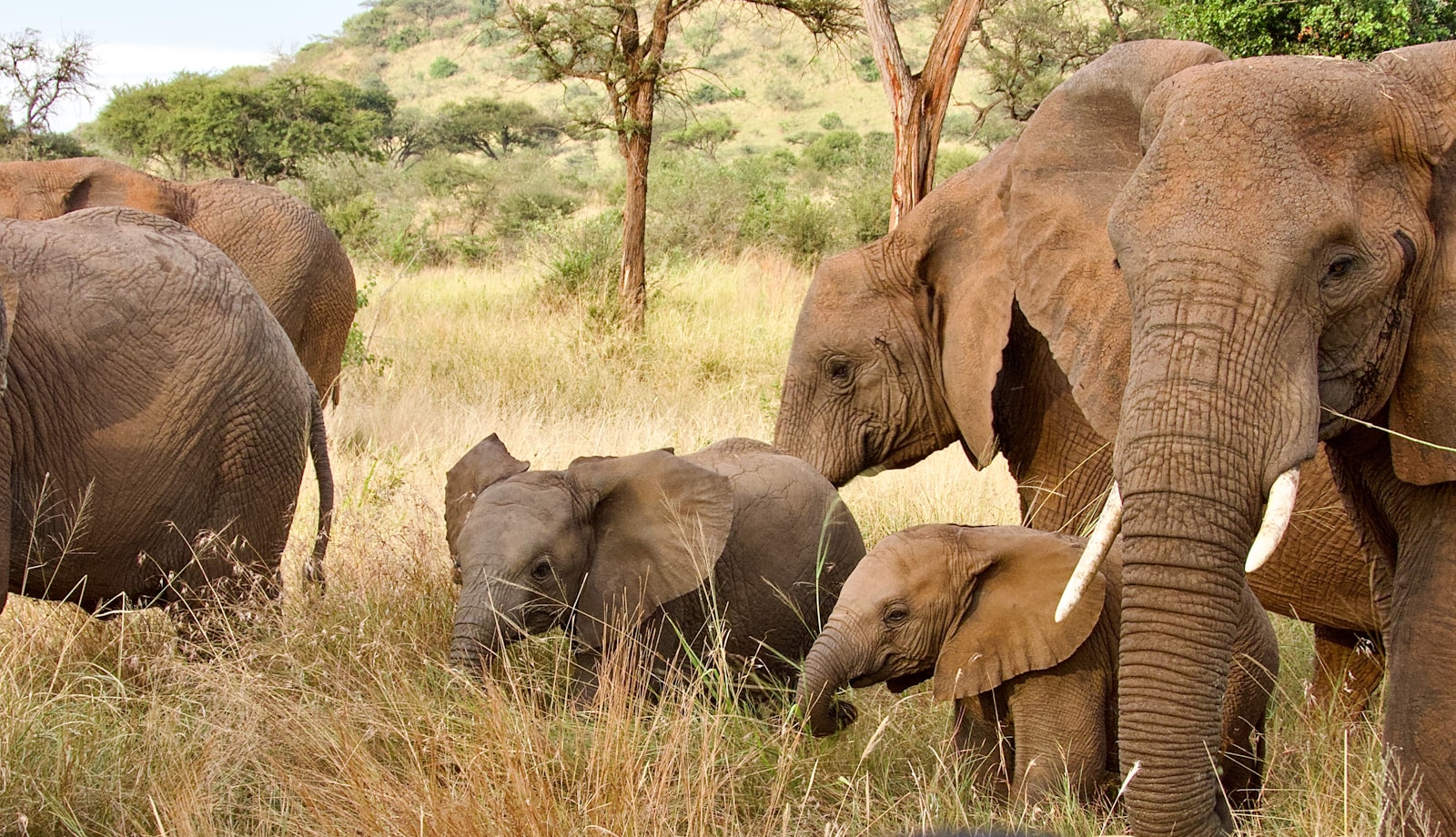
Tarangire is famous for elephants, ancient baobab trees, beautiful landscapes, and seasonal concentrations of wildlife.
Because it is relatively accessible from Arusha, Tarangire works well for both short safaris and longer Northern Circuit itineraries.
It is commonly included as the first destination of a 4-day or 5-day Tanzania safari.
Lake Manyara can be incorporated into Northern Circuit packages, especially itineraries lasting five days or longer.
The park offers groundwater forests, birdlife, monkeys, elephants, and scenic views associated with the Great Rift Valley.
Travelers wanting a different experience from the Northern Circuit can consider Nyerere in southern Tanzania.
Depending on the season and operator, packages may combine traditional game drives with boat safaris and other activities.
Ruaha is an excellent choice for travelers interested in remote landscapes and lower visitor density.
Because southern parks often require domestic flights or substantial road transfers, transportation can represent a larger portion of the total safari cost.
A short itinerary could include:
Day 1: Arusha – Serengeti National Park
Day 2: Serengeti – Ngorongoro area
Day 3: Ngorongoro Crater – Arusha
This option suits travelers with limited time who want to prioritize Tanzania's major wildlife destinations.
A classic itinerary could be:
Day 1: Arusha – Tarangire
Day 2: Tarangire – Serengeti
Day 3: Serengeti – Ngorongoro
Day 4: Ngorongoro Crater – Arusha
Four days provide a good introduction to Tanzania's Northern Circuit while keeping the overall budget manageable.
A five-day itinerary allows more time for wildlife viewing:
Day 1: Arusha – Tarangire
Day 2: Tarangire – Serengeti
Day 3: Full-day Serengeti
Day 4: Serengeti – Ngorongoro
Day 5: Ngorongoro Crater – Arusha
This is one of the strongest options for first-time travelers because it provides additional time in Serengeti.
Travelers with a full week can explore the Northern Circuit at a more relaxed pace.
A possible itinerary includes Tarangire, Central Serengeti, another Serengeti wildlife-viewing day, Ngorongoro and additional time in selected wildlife areas.
A longer itinerary also makes it easier to tailor the safari around seasonal wildlife movements.
Travel season can substantially influence Tanzania safari package prices.
The dry season is one of the most popular periods for wildlife safaris. Animals frequently gather around permanent water sources, vegetation is generally thinner, and wildlife viewing can be excellent.
July through October is also important for travelers hoping to experience migration activity in northern Serengeti.
Demand for popular camps and lodges can be high, so advance reservations are recommended.
This period is particularly interesting for travelers visiting southern Serengeti and the Ndutu ecosystem.
The calving season generally occurs during the early months of the year, attracting predators and creating dramatic wildlife-viewing opportunities.
These months form part of Tanzania's main rainy season.
Some accommodations offer reduced rates, meaning travelers may find attractive safari prices. The landscape is beautifully green, although rain can affect road conditions and daily activities.
Choosing between shared and private packages has a major effect on the final budget.
Shared safari advantages:
Private safari advantages:
For larger families or groups of friends, private safaris can become surprisingly cost-effective because the vehicle cost is shared among several people.
Travelers should always check individual quotations carefully, but a properly structured safari package commonly includes park and conservation fees, safari transportation, professional guiding, specified accommodation, meals during the safari and drinking water.
Some packages may additionally include airport transfers, domestic flights, arrival accommodation, soft drinks, cultural activities or other services.
Never assume something is included simply because another company includes it. Request a clear inclusion and exclusion list before making payment.
Even an all-inclusive safari may have optional expenses.
These can include:
Keeping a small separate budget for optional activities and personal expenses makes trip planning easier.
A Serengeti balloon safari is one of Tanzania's most memorable optional experiences.
Flights normally take place early in the morning, allowing guests to view the plains and wildlife from above.
Depending on the provider, location, and season, travelers should budget several hundred US dollars per person for the experience.
Because balloon spaces are limited, reservations should generally be made well before arrival during busy periods.
Combining a wildlife safari with Zanzibar is one of Tanzania's most popular holiday combinations.
A typical trip might involve:
Days 1–5: Northern Tanzania safari
Day 6: Flight to Zanzibar
Days 6–10: Zanzibar beach holiday
The overall cost depends on the safari category, Zanzibar hotel standard, domestic flights, number of nights, and selected beach activities.
Combining safari and Zanzibar is particularly attractive for honeymooners and travelers who want both adventure and relaxation.
Travelers do not necessarily need to sacrifice wildlife experiences to reduce their budget.
One of the easiest strategies is joining a shared safari. Choosing comfortable but reasonably priced accommodation instead of premium luxury camps can also create substantial savings.
Traveling outside peak periods can reduce accommodation costs, while selecting a well-designed route prevents unnecessary driving and extra park entries.
Another important strategy is determining your budget before requesting quotations. A professional safari planner can then recommend accommodation and routing that fit your financial range.
Affordable safaris can provide excellent wildlife experiences when the operator maintains appropriate standards.
However, travelers should be cautious about choosing a package purely because it has the lowest price.
Ask what is included and confirm details regarding:
An unusually low quotation may exclude services that will later need to be purchased separately.
For Northern Circuit safaris, a purpose-built 4x4 Land Cruiser with a pop-up roof is widely used.
The elevated roof allows travelers to stand safely inside the vehicle during appropriate wildlife-viewing stops and provides excellent visibility for photography.
Depending on the vehicle configuration, features may include charging facilities, a cooler or refrigerator, radio communication, first-aid equipment, and binoculars.
The ideal duration depends on the traveler's priorities.
For a very short trip, 2–3 days can introduce travelers to selected parks. Four or five days provide a much stronger Northern Circuit experience, while 6–8 days allow more time in Serengeti and reduce the pressure of moving between destinations.
Travelers specifically targeting seasonal migration events may need longer itineraries because wildlife movements cannot be guaranteed at a precise location.
Tanzania can be more expensive than some holiday destinations because safari prices incorporate significant operational expenses.
Park fees, conservation charges, specialized vehicles, fuel, guides, accommodation, food, permits, maintenance, and remote logistics all contribute to the price.
However, Tanzania offers a remarkable concentration of globally important wildlife areas. Serengeti, Ngorongoro, Tarangire, Nyerere and Ruaha provide very different experiences within one country.
The key is not necessarily finding the cheapest safari but finding the best-value Tanzania safari package for your budget.
Before booking, consider three main questions.
First, determine your total available budget. Second, decide how many days you want to spend on safari. Third, identify the destinations and experiences that matter most to you.
A traveler whose priority is Serengeti wildlife should allocate more time there instead of trying to visit every park. Someone with a limited budget may obtain greater value from a shared safari. A honeymoon couple may prefer a private safari with carefully selected lodges.
The best itinerary is therefore not necessarily the longest or most expensive—it is the one designed around your priorities.
Understanding Tanzania safari cost and Tanzania packages makes it much easier to plan a trip that matches both your expectations and your budget.
Budget travelers can enjoy shared camping safaris, while couples and families can select comfortable mid-range lodge packages. Travelers seeking maximum privacy and service can choose private luxury or fly-in experiences.
Whether your dream involves watching elephants beneath Tarangire's baobabs, searching for lions across the Serengeti plains, descending into Ngorongoro Crater, or finishing your adventure beside the Indian Ocean in Zanzibar, Tanzania offers safari packages for many different travel styles.
Careful planning, transparent pricing, appropriate accommodation and a well-designed itinerary are the foundations of an unforgettable Tanzania safari.
Planning a budget Ngorongoro Crater safari holiday from Arusha? Compare a crater day trip, a two-day Tarangire and Ngorongoro safari, or a…
Read articleA Lake Manyara safari can cost USD 150–220 per person for a shared day trip from Arusha. A published example of a…
Read articleExplore Ruaha National Park’s baobab country on a guided safari built around your dates, group size and budget. Spend your game drives…
Read articleA Nyerere Tanzania wildlife safari can take you from a woodland game drive in the morning to a boat on the Rufiji…
Read article

