

Budget Ngorongoro Crater Safari Holiday
Planning a budget Ngorongoro Crater safari holiday from Arusha? Compare a crater day trip, a two-day Tarangire and Ngorongoro safari, or a…
Read articleArusha City - Tanzania
Climate and Seasons
March 15, 2026 · 6 min read
Planning a safari in Tanzania is one of the most exciting travel experiences in the world. From vast savannah plains filled with wildlife to breathtaking landscapes and rich cultural encounters, Tanzania offers a safari adventure unlike anywhere else on Earth.
This complete Tanzania safari guide will help you understand where to go, what animals you can see, the best time to visit, how to plan your trip, and what costs to expect.
Whether you are planning your first African safari or returning for another adventure, this guide will help you prepare for an unforgettable journey.
Tanzania is widely considered one of the best safari destinations in Africa. The country has some of the largest and most protected wildlife areas on the continent, allowing visitors to experience nature in its most authentic form.
One of the main reasons travelers choose Tanzania is its incredible concentration of wildlife. Parks like Serengeti National Park and the famous Ngorongoro Crater offer world-class game viewing throughout the year.
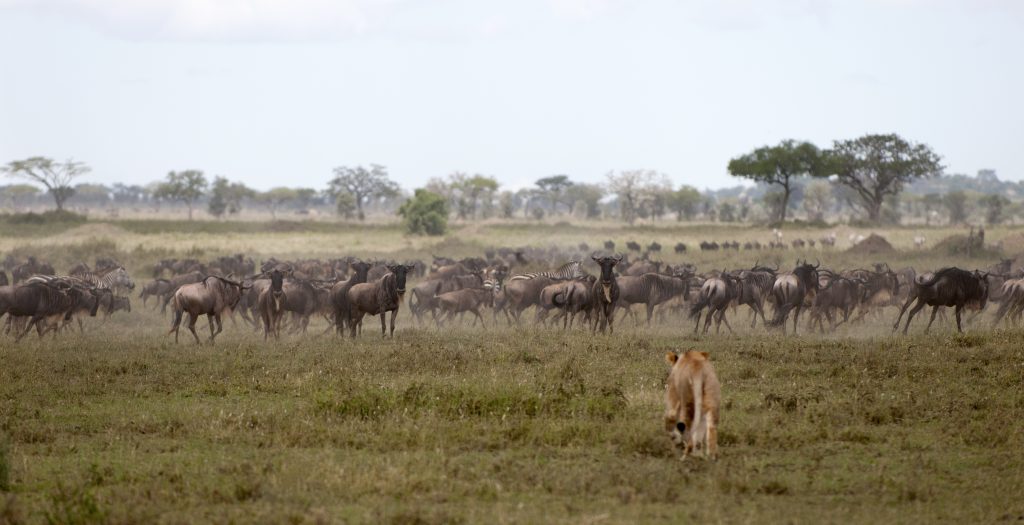
Tanzania hosts the world-famous Great Migration, where more than two million wildebeest, zebras, and gazelles move across the Serengeti ecosystem in search of fresh grass. It is considered one of the greatest wildlife spectacles on the planet.
Unlike many safari destinations, Tanzania offers extremely diverse landscapes including:
Endless savannah plains
Ancient volcanic craters
Acacia woodlands
Alkaline lakes
Mountain forests
Visitors can explore multiple ecosystems within a single safari itinerary.
Tanzania is home to the famous Big Five animals:
Lion
Elephant
Leopard
Buffalo
Rhino
Many national parks provide excellent opportunities to see these iconic species in their natural environment.
In addition to wildlife, Tanzania offers rich cultural encounters with local communities such as the Maasai, Hadzabe, and Datoga tribes.
These experiences allow visitors to learn about traditional lifestyles, hunting techniques, and indigenous knowledge passed down through generations.
Tanzania has more than 20 national parks and several game reserves. However, a few destinations stand out as must-visit locations for most travelers.
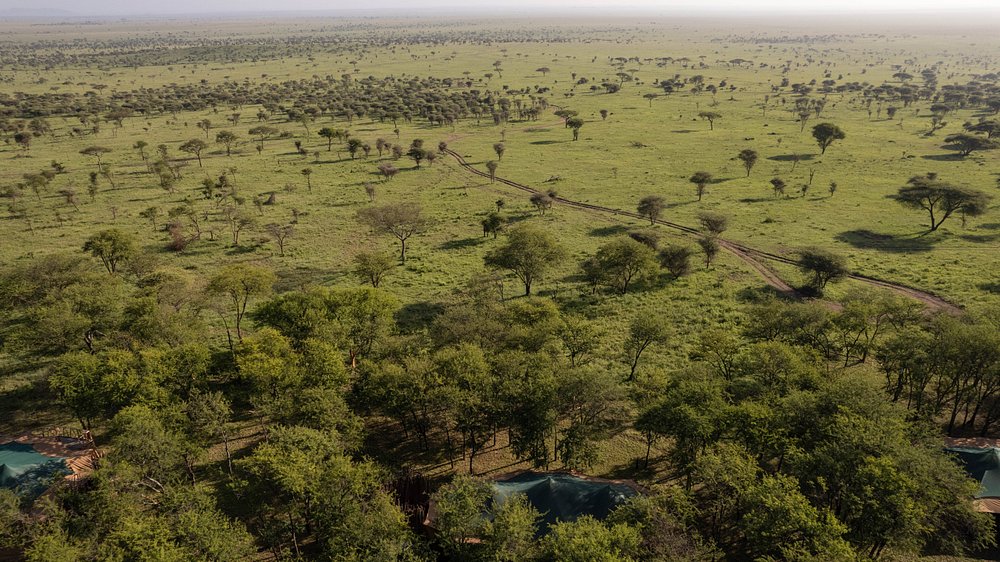
Serengeti National Park is Tanzania’s most famous wildlife destination and one of the most celebrated safari locations in the world.
The Serengeti ecosystem covers approximately 30,000 square kilometers and supports one of the largest wildlife populations on Earth.
Highlights of the Serengeti include:
The Great Migration
Large prides of lions
Excellent leopard sightings
Endless savannah landscapes
Hot air balloon safaris
Game viewing in the Serengeti is exceptional year-round, making it the centerpiece of most safari itineraries.
The spectacular Ngorongoro Conservation Area is home to the world-famous Ngorongoro Crater.
This massive volcanic caldera formed millions of years ago and now serves as a natural wildlife sanctuary.
Animals commonly seen inside the crater include:
Black rhinos
Large lion prides
Elephants
Flamingos
Hyenas
Buffalo
Because the crater walls act as a natural enclosure, wildlife viewing is extremely concentrated, making it one of the best places in Africa to see the Big Five in a single day.
Tarangire National Park is famous for its giant baobab trees and massive elephant herds.
During the dry season, thousands of animals migrate to the Tarangire River, creating spectacular wildlife viewing opportunities.
Highlights include:
Large elephant populations
Tree-climbing lions
Baobab landscapes
Seasonal migration of wildlife
Excellent birdwatching
Tarangire is often less crowded than other parks, making it perfect for travelers seeking a quieter safari experience.
Lake Manyara National Park is a smaller but very scenic park located along the Great Rift Valley escarpment.
This park is famous for:
Tree-climbing lions
Large troops of baboons
Flamingos and water birds
Groundwater forests
Although smaller than Serengeti or Tarangire, Lake Manyara offers unique landscapes and diverse wildlife.
Tanzania is one of the most wildlife-rich countries in the world. Visitors can encounter a wide variety of animals during game drives.
Tanzania is known for its incredible big cat population.
You may see:
Lions hunting on the Serengeti plains
Leopards resting in acacia trees
Cheetahs sprinting across open grasslands
The Serengeti is especially famous for large lion populations.
Elephants are commonly seen in several parks, especially in Tarangire National Park, which hosts some of the largest elephant herds in East Africa.
Visitors often see families of elephants crossing rivers, feeding on trees, or walking slowly across the savannah.
Black rhinos are rare but can still be seen inside the Ngorongoro Crater.
Conservation efforts have helped protect this endangered species in the region.
The elegant giraffe — Tanzania’s national animal — is commonly seen browsing treetops across the northern safari circuit.
Zebras often travel alongside wildebeest during the Great Migration.
Tanzania is also a paradise for bird lovers, with more than 1,100 bird species recorded across the country.
Common sightings include:
Flamingos
Fish eagles
Hornbills
Secretary birds
Kingfishers
Lake areas and wetlands offer especially rich birdwatching opportunities.
Planning a safari requires careful preparation to ensure the best experience.
Here are the key factors to consider.
Tanzania can be visited year-round, but the best safari seasons are generally:
June – October (Dry Season)
Best wildlife viewing
Animals gather near water sources
Less vegetation makes animals easier to spot
January – March
Calving season in the Serengeti
Excellent predator activity
The Great Migration river crossings usually occur between July and September.
Most Tanzania safaris last between 5 and 10 days.
Popular itinerary examples include:
5-day Northern Circuit safari
7-day Serengeti and Ngorongoro safari
10-day wildlife and cultural safari
These itineraries typically combine several parks for a varied experience.
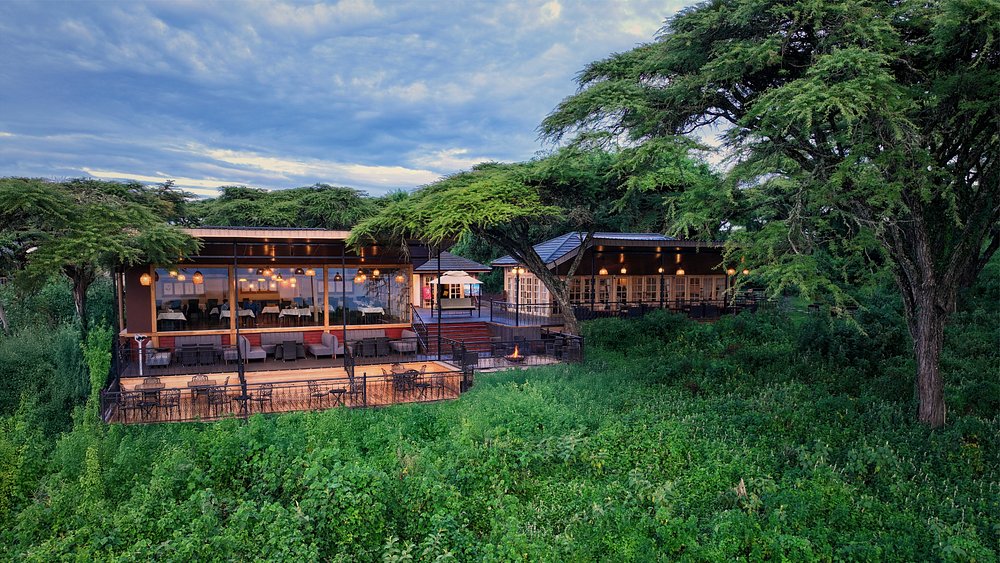
Tanzania offers a wide range of safari accommodation styles.
Luxury Lodges
High-end comfort
Private guides
Premium dining experiences
Tented Camps
Authentic safari atmosphere
Located close to wildlife areas
Comfortable but adventurous
Budget Camps
Affordable safari option
Ideal for adventurous travelers
Accommodation prices vary depending on season and location.
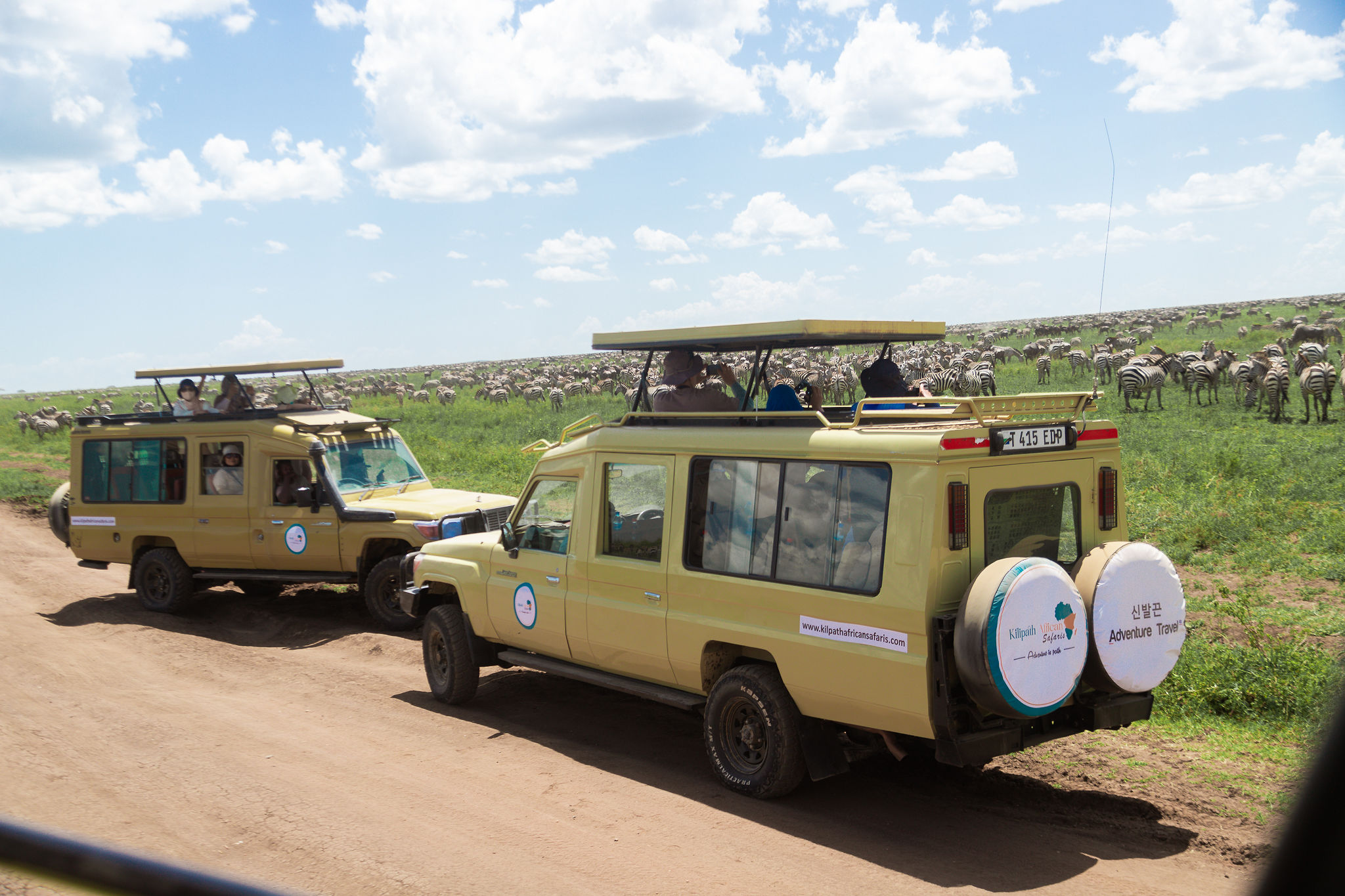
Most safaris use specially designed 4x4 Land Cruiser vehicles with pop-up roofs for game viewing.
A professional safari guide plays a critical role in your experience by:
Tracking animals
Explaining wildlife behavior
Navigating national parks safely
Experienced guides greatly enhance the quality of a safari.
The cost of a Tanzania safari depends on several factors including accommodation level, park fees, transportation, and season.
Here is a general price estimate:
| Safari Type | Average Cost Per Person (Per Day) |
|---|---|
| Budget Safari | $200 – $350 |
| Mid-Range Safari | $350 – $600 |
| Luxury Safari | $600 – $1,500+ |
Most safari packages include:
Park entrance fees
Accommodation
Meals
Safari vehicle and guide
Game drives
Flights and personal expenses are usually separate.
Packing properly will help ensure a comfortable safari.
Recommended items include:
Neutral colored clothing (khaki, brown, green)
Lightweight jackets for cool mornings
Binoculars
Sunscreen and sunglasses
Camera with extra batteries
Hat and insect repellent
Avoid bright colors, which may disturb wildlife.
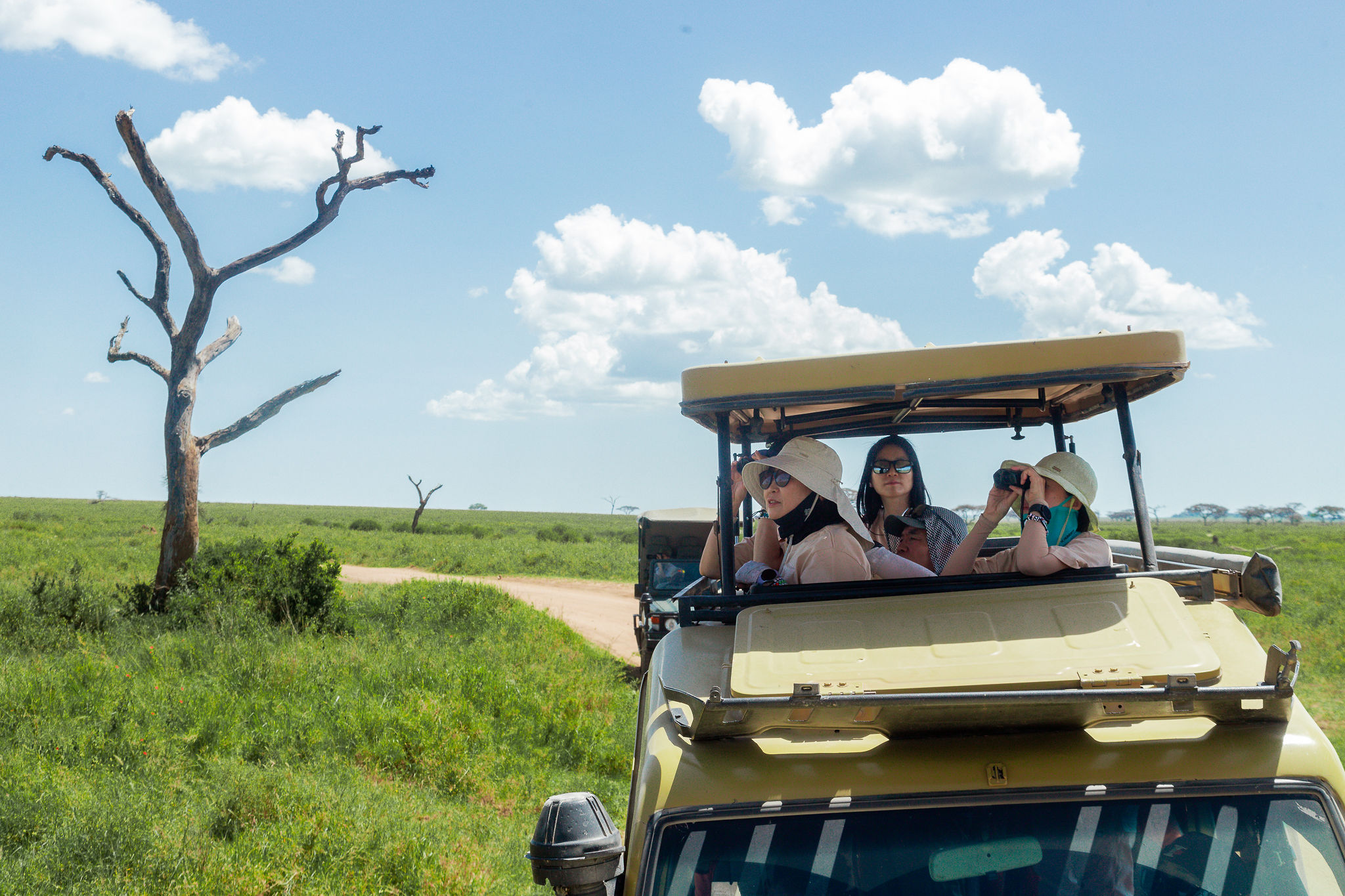
Here are some useful tips for travelers visiting Tanzania for the first time.
Book Early
Popular safari lodges fill quickly during peak seasons.
Choose the Right Parks
The northern safari circuit (Serengeti, Ngorongoro, Tarangire, and Lake Manyara) offers the best wildlife diversity.
Be Patient During Game Drives
Wildlife sightings require patience, but the rewards are incredible.
Respect Wildlife
Always follow the guide’s instructions and keep a safe distance from animals.
Many travelers combine their safari with other destinations in Tanzania.
Popular extensions include:
Mount Kilimanjaro Trekking
Adventure travelers often climb Mount Kilimanjaro, the highest mountain in Africa.
Zanzibar Beach Holiday
After a safari, many visitors relax on the beautiful beaches of Zanzibar.
This combination creates the perfect balance of adventure and relaxation.
A Tanzania safari is truly a once-in-a-lifetime experience. From the endless plains of the Serengeti to the dramatic landscapes of the Ngorongoro Crater, Tanzania offers some of the most spectacular wildlife encounters on Earth.
Whether you are watching lions hunt at sunrise, witnessing the Great Migration, or exploring ancient landscapes filled with wildlife, a safari in Tanzania promises unforgettable memories.
With proper planning, the right itinerary, and an experienced guide, your Tanzania safari adventure will be one of the most extraordinary journeys you will ever take.
Planning a budget Ngorongoro Crater safari holiday from Arusha? Compare a crater day trip, a two-day Tarangire and Ngorongoro safari, or a…
Read articleA Lake Manyara safari can cost USD 150–220 per person for a shared day trip from Arusha. A published example of a…
Read articleExplore Ruaha National Park’s baobab country on a guided safari built around your dates, group size and budget. Spend your game drives…
Read articleA Nyerere Tanzania wildlife safari can take you from a woodland game drive in the morning to a boat on the Rufiji…
Read article

