

Budget Ngorongoro Crater Safari Holiday
Planning a budget Ngorongoro Crater safari holiday from Arusha? Compare a crater day trip, a two-day Tarangire and Ngorongoro safari, or a…
Read articleArusha City - Tanzania
Safari & Travel Tips
September 15, 2026 · 8 min read
Planning a Tanzania safari itinerary Ngorongoro tours experience is one of the best ways to explore the famous wildlife destinations of northern Tanzania. Ngorongoro Crater offers remarkable wildlife viewing within a compact area, while nearby Tarangire, Lake Manyara and Serengeti National Park add contrasting landscapes and even more opportunities to see animals.
Whether you have two days or a full week, the right itinerary should balance driving time, game-viewing hours, accommodation and your travel dates. This guide answers the most common questions travelers ask when planning Ngorongoro tours and provides sample routes for different trip lengths.
Ngorongoro Crater is the world’s largest intact volcanic caldera and one of Tanzania’s most celebrated safari destinations. Its grasslands, forests, wetlands and freshwater areas support a high concentration of wildlife throughout the year.
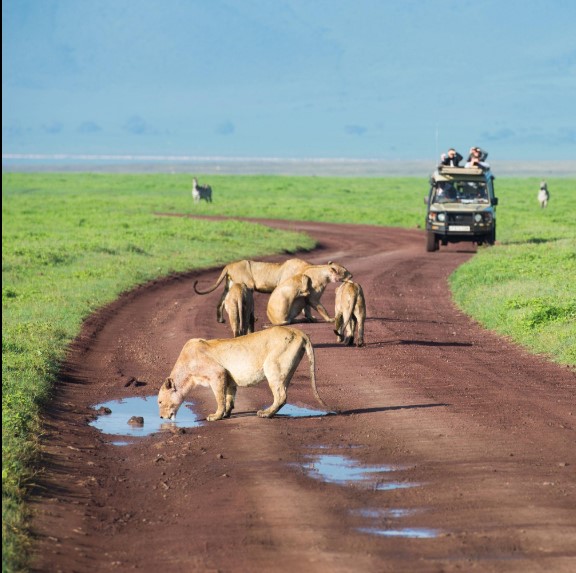
During a typical crater game drive, travelers may see lions, elephants, buffaloes, zebras, wildebeest, hippos, hyenas, gazelles and many bird species. The crater is also one of the better places in northern Tanzania to look for the endangered black rhinoceros, although no wildlife sighting can ever be guaranteed.
Another advantage is accessibility. Ngorongoro can be combined easily with Tarangire, Lake Manyara and the Serengeti, making it a natural part of a Northern Circuit safari.
The best itinerary depends mainly on the number of days available. A two-day safari can combine Tarangire and Ngorongoro Crater. A three-day route can include the Serengeti, while four or five days provide a more relaxed experience with longer game drives.
This is a good choice for travelers with limited time.
Day 1: Arusha to Tarangire National Park
Leave Arusha early in the morning and drive to Tarangire. Enjoy a game drive among baobab trees, open savannah and the Tarangire River ecosystem. The park is especially well known for elephants. In the late afternoon, continue to accommodation near Karatu or Mto wa Mbu.
Day 2: Ngorongoro Crater to Arusha
Depart early for the Ngorongoro Conservation Area, descend to the crater floor and enjoy a game drive with a picnic lunch. Later, ascend the crater wall and return to Arusha, normally arriving in the late afternoon or early evening.
This compact route suits travelers who want to see both the Serengeti and the crater.
Day 1: Arusha to Serengeti National Park
Travel through the Ngorongoro highlands toward the Serengeti. Enjoy wildlife viewing on the way to your campsite or lodge.
Day 2: Serengeti to Ngorongoro Area
Begin with a morning game drive in the Serengeti. After lunch, travel toward Ngorongoro and stay near the crater rim or in the Karatu area, depending on the package.
Day 3: Ngorongoro Crater to Arusha
Descend into the crater in the morning for a game drive, then return to Arusha after lunch.
Because this itinerary covers significant distances, guests should expect early starts. It delivers excellent variety but is less relaxed than a four-day safari.
A four-day itinerary offers a better balance between travel and wildlife viewing.
Day 1: Arusha to Tarangire National Park
Day 2: Tarangire area to Serengeti National Park
Day 3: Serengeti game drive and transfer toward Ngorongoro
Day 4: Ngorongoro Crater game drive and return to Arusha
This is one of the most popular options for first-time visitors. It combines three major parks without making the trip too long or expensive.
Travelers who have five days can include Lake Manyara or use the additional day for more time in the Serengeti.
Day 1: Arusha to Tarangire
Day 2: Tarangire area to Serengeti
Day 3: Full-day Serengeti game drive
Day 4: Serengeti to Ngorongoro area
Day 5: Ngorongoro Crater and return to Arusha
An alternative itinerary visits Lake Manyara on Day 1 before continuing to the Serengeti. Your consultant can recommend the better route based on season, road conditions and wildlife movement.
Most visitors spend one full safari day exploring the crater floor. Park regulations limit the time vehicles may remain inside the crater, but this is generally sufficient for a rewarding game drive because wildlife is concentrated in a relatively small area.
Staying close to the crater entrance allows an earlier descent. Accommodation on or near the rim usually costs more but can reduce morning driving time. Lodges in Karatu often provide better value and a wider selection of comfort levels.
Travelers interested in hiking, culture or scenery may add another day in the conservation area. Possible experiences include a guided Empakaai Crater hike, an Olduvai Gorge visit or a respectful cultural experience arranged with a local community.
Ngorongoro offers reliable wildlife viewing throughout the year.
The dry season, generally from June to October, brings cooler mornings and easier wildlife spotting as vegetation becomes less dense. These months are popular, so accommodation should be reserved early.
The green season brings lush scenery, dramatic clouds and excellent birdlife. Short rains usually occur around November and December, while the longer rainy period is generally from March to May. Rain does not necessarily continue all day, but some roads may become muddy.
From approximately December through March, travelers may combine Ngorongoro with the southern Serengeti and Ndutu region for the wildebeest calving season. From July to October, migration-focused journeys often travel farther north toward the Mara River. Wildlife movement depends on rainfall and cannot be predicted with complete certainty.
Ngorongoro tours can be arranged at several comfort levels:
Accommodation inside the conservation area is convenient but usually more expensive. Staying in Karatu can lower the price while still allowing an early start for the crater.
Inclusions vary, so always check the written quotation. A well-organized package commonly includes:
International flights, visas, travel insurance, alcoholic beverages, optional activities, personal expenses and gratuities are normally excluded unless specifically stated.
The final price depends on the season, number of travelers, length of the tour, accommodation category and whether the safari is private or shared. Park fees, crater fees, vehicle costs, guide services, meals and lodging all influence the total.
Budget camping and shared departures provide the lowest starting point. A private safari becomes more economical per person when vehicle costs are divided among more travelers. Mid-range and luxury prices vary considerably by location and season.
Ask for a detailed quotation showing the exact route, hotels or camps, inclusions, exclusions, payment schedule and cancellation terms. This is more reliable than comparing only a headline price.
Yes. Many travelers take a safari before flying to Zanzibar for a beach holiday. Arusha Airport offers convenient domestic connections, while Kilimanjaro International Airport serves additional routes.
For a shared safari, arrive in Arusha at least one day before departure because groups often leave between approximately 5:00 and 6:00 a.m. On the final day, most tours return to Arusha between late afternoon and early evening. A late flight or an additional overnight stay is safer than booking a tight connection.
Private fly-in itineraries can also connect Zanzibar with airstrips in or near the Serengeti, reducing road travel and creating more time for game drives.
Pack light, comfortable clothing in neutral colors, closed shoes, sun protection, insect repellent and a reusable water bottle. Ngorongoro mornings can be cold because of the elevation, so bring a warm jacket or fleece.
A camera, spare batteries, charging bank and binoculars are useful. Soft-sided luggage is easier to store in safari vehicles and may be required for small domestic aircraft. Carry essential medicine and valuables in your hand luggage.
Yes. The high concentration of wildlife makes the crater engaging for children because sightings can occur relatively close together. A private safari gives families more control over breaks, meal times and game-drive length.
Parents should consider the long transfer between Ngorongoro and the Serengeti when planning with young children. A shorter Tarangire and Ngorongoro itinerary may be more comfortable. Ask the operator about child rates, suitable rooms, car seats and dietary needs before booking.
The ideal Ngorongoro safari is not simply the longest itinerary. It is the route that matches your available time, budget, preferred comfort and wildlife interests. A two-day tour offers a quick introduction, while four or five days create a more complete Northern Circuit experience.
Kilipath African Safaris can arrange private and shared itineraries with knowledgeable guides, reliable 4x4 vehicles, carefully selected accommodation and practical support from arrival to departure. Tell us your travel dates, number of guests, preferred accommodation level and approximate budget, and we will prepare a personalized quotation.
Start planning your Tanzania safari itinerary Ngorongoro tours adventure today and experience one of Africa’s most extraordinary wildlife destinations.
Planning a budget Ngorongoro Crater safari holiday from Arusha? Compare a crater day trip, a two-day Tarangire and Ngorongoro safari, or a…
Read articleA Lake Manyara safari can cost USD 150–220 per person for a shared day trip from Arusha. A published example of a…
Read articleA Tanzania safari from Zanzibar can mean a short mainland trip during your beach holiday or a complete package with flights, game…
Read articleLooking for a group Tanzania safari price from Kilipath African Safaris? A published example for our four-day shared camping safari through Tarangire,…
Read article

