A Tanzania safari itinerary Northern Circuit trip brings together some of Africa’s most celebrated wildlife destinations in one unforgettable journey. The route can include Tarangire National Park, Lake Manyara National Park, the Ngorongoro Crater, Serengeti National Park, and, for travelers with extra time, Lake Eyasi or the northern Serengeti. Each destination offers a different landscape and safari experience, from elephant-filled baobab country to endless plains shaped by the Great Migration.
The Northern Circuit is especially convenient because most journeys begin and end in Arusha. Travelers can combine several parks without needing to take a flight between every destination. A professional safari vehicle, an experienced guide, comfortable accommodation, park fees, meals, and drinking water can all be arranged as one package.
This complete guide explains how to choose the right route, how many days to spend on safari, when to travel, where to stay, and what to expect each day.
Why Choose Tanzania’s Northern Safari Circuit?
The Northern Circuit is Tanzania’s best-known safari region, and for good reason. It offers an extraordinary variety of scenery and wildlife within a relatively accessible route.
In Tarangire, ancient baobab trees rise above the savannah while large elephant families gather around the river. The Ngorongoro Crater places an exceptional concentration of animals inside a dramatic volcanic caldera. Serengeti National Park delivers wide-open landscapes, big-cat encounters, and seasonal Great Migration action. Lake Manyara adds forest, wetlands, birdlife, and beautiful views of the Rift Valley escarpment.
This diversity makes the circuit suitable for first-time visitors, couples, honeymooners, photographers, families, and experienced safari travelers. The route is also flexible. It can be enjoyed as a short three-day adventure or expanded into a ten-day journey with more time in remote wildlife areas.
Recommended Seven-Day Northern Circuit Itinerary
Seven days is an excellent length for travelers who want a balanced safari without feeling rushed. The following route includes Tarangire, Serengeti, and Ngorongoro, with arrival and departure through Arusha.
Day 1: Arrival in Arusha
Arrive at Kilimanjaro International Airport or Arusha Airport, meet your representative, and transfer to your hotel in Arusha. Use the afternoon or evening to rest after your flight and attend a safari briefing.
Your consultant or guide should confirm the pickup time, luggage requirements, dietary preferences, and planned accommodation. If time permits, you can explore Arusha, visit a local market, or simply relax at your lodge.
Spending the first night in Arusha is strongly recommended. It allows you to begin the safari early the following morning and avoids delays caused by a same-day international arrival.
Day 2: Arusha to Tarangire National Park
After breakfast, drive to Tarangire National Park for your first game drive. The journey normally takes about two hours, depending on traffic and the location of your hotel.
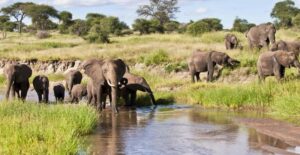
Tarangire is famous for elephants, baobab trees, giraffes, zebras, wildebeest, buffaloes, and antelopes. Lions and leopards may also be seen, while the park’s varied habitats support impressive birdlife. During the dry season, animals gather around the Tarangire River, creating excellent viewing opportunities.
Enjoy lunch in or near the park and continue exploring during the afternoon. Later, travel to your lodge or campsite in the Tarangire, Lake Manyara, Mto wa Mbu, or Karatu area.
Day 3: Tarangire Area to Serengeti National Park
Depart after breakfast and travel toward Serengeti National Park. The drive passes through the Ngorongoro Conservation Area, where the scenery changes from fertile highlands to vast grasslands.
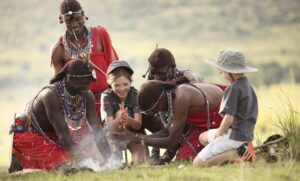
This transfer is part of the adventure. You may see Maasai communities, livestock, wildlife, and beautiful views along the way. After entering the Serengeti, begin a game drive while traveling toward your camp or lodge.
Central Serengeti, also called the Seronera region, is a popular base because it has reliable wildlife throughout the year. Rivers, rocky kopjes, and open plains create excellent habitat for lions, leopards, cheetahs, elephants, and many herbivores.
Day 4: Full-Day Serengeti Safari
Spend a full day exploring the Serengeti. An early start is usually best because predators are often active during the cooler morning hours. Depending on wildlife movements and your preferences, you may return to camp for lunch or carry a picnic and remain in the park all day.
The Serengeti rewards patience. A quiet area can suddenly reveal a leopard resting in a tree, a pride of lions moving through the grass, or a cheetah scanning the plains. Your guide will use experience, tracks, animal behavior, and communication with other guides to improve your chances of memorable sightings.
Travelers visiting during the migration season may adapt the route to include Ndutu in the south or the Mara River region in the north. These areas require additional driving time or a domestic flight, so they work best in longer private itineraries.
Day 5: Serengeti to Ngorongoro Conservation Area
Begin with another morning game drive in the Serengeti, then travel toward the Ngorongoro highlands. This day provides one final opportunity to search for animals in the Serengeti before leaving the national park.
Depending on the itinerary, you may stop at a viewpoint or add a cultural or historical visit. Optional activities should be arranged in advance because they may require additional fees and time.
Spend the night near the crater rim or in Karatu. A lodge close to the crater provides faster access the next morning, while accommodation outside the conservation area can offer better value and a wider range of choices.
Day 6: Ngorongoro Crater Safari
After an early breakfast, descend into the Ngorongoro Crater for a game drive. The crater floor contains grasslands, wetlands, woodland, and a soda lake, supporting a remarkable variety of animals in a compact area.
Common sightings include lions, elephants, buffaloes, zebras, wildebeest, hippos, hyenas, and gazelles. The crater is also one of the places where travelers may have a chance of seeing a black rhino, although no wildlife sighting can ever be guaranteed.
Enjoy a picnic lunch at an approved site before continuing the game drive. In the afternoon, ascend from the crater and drive to Karatu or Arusha, depending on the following day’s plans.
Day 7: Return to Arusha or Continue Your Holiday
After breakfast, return to Arusha for an onward flight or an additional hotel night. If your flight departs late, you may add a cultural tour, local shopping, a coffee experience, or a relaxed lunch.
The safari can also be followed by a Zanzibar beach holiday, a Kilimanjaro trek, or another Tanzanian destination. When booking a same-day flight, allow a generous time buffer for road traffic and airport check-in.
Shorter and Longer Itinerary Options
Not every traveler has seven days available. The route can be adjusted according to time, budget, interests, and season.
Three-Day Safari
A three-day itinerary commonly includes Tarangire, the Ngorongoro Crater, and either Lake Manyara or a carefully planned Serengeti visit. Including Serengeti in such a short road itinerary requires long driving hours. Travelers who want a relaxed pace may get more value from focusing on Tarangire, Ngorongoro, and Lake Manyara.
Four-Day Safari
Four days allows a classic Tarangire, Serengeti, and Ngorongoro route. It is a popular option for budget-conscious visitors, though time in the Serengeti is limited. Expect early mornings and substantial driving.
Five-Day Safari
Five days provides a better balance. A typical plan includes Tarangire, two nights in or near the Serengeti, and the Ngorongoro Crater. Lake Manyara may be added when routing and arrival times allow.
Eight-to-Ten-Day Safari
With eight to ten days, travelers can slow down, schedule multiple full-day game drives, and visit a migration region. Possible additions include northern Serengeti, Ndutu, Lake Eyasi, or an extra night in Tarangire. Longer itineraries are especially valuable for photography and families who prefer shorter daily drives.
Understanding the Main Northern Circuit Parks
Serengeti National Park
The Serengeti is the heart of many Northern Circuit trips. It is known for predators, sweeping plains, and the Great Migration. Central Serengeti offers dependable year-round wildlife, while seasonal areas become important as migrating herds move through the ecosystem.
Ngorongoro Crater
The Ngorongoro Crater is valued for its scenery and dense wildlife. Because vehicles descend and ascend using designated roads and operating hours are controlled, an early start helps visitors make the most of the day.
Tarangire National Park
Tarangire is particularly rewarding in the dry season, when wildlife concentrates near water. Its elephants and baobab landscapes give it a distinct character that differs from both Serengeti and Ngorongoro.
Lake Manyara National Park
Lake Manyara is compact but diverse, with groundwater forest, open areas, wetlands, primates, elephants, and birdlife. Wildlife conditions can vary as water levels and habitats change, so ask your safari consultant whether it fits the season and your interests.
Best Time for a Northern Circuit Safari
The Northern Circuit can be visited throughout the year. The best time depends on what you want to see.
From June to October, generally drier conditions make wildlife easier to find around permanent water sources. These months are popular, so accommodations should be booked early.
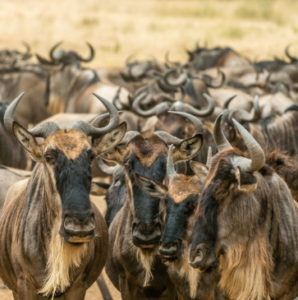
From December through March, the southern Serengeti and Ndutu region can host large migration herds. Calving activity is typically associated with the early months of the year, attracting predators and photographers.
April and May are often quieter and greener. Rain may affect some roads, but the landscapes are beautiful, birding can be excellent, and selected lodges may offer attractive value.
The migration is a natural, moving event influenced by rainfall and grazing. No responsible safari company should promise an exact herd location far in advance.
Private Safari or Shared Group Safari?
A private safari provides a dedicated vehicle and guide. It offers greater control over departure times, photographic stops, and the daily pace. It is ideal for couples, families, photographers, and travelers requesting a specialized migration route.
A shared safari is more affordable because vehicle costs are divided among participants. It also creates a sociable experience. However, the itinerary is fixed, luggage space is limited, and every guest must follow the group’s schedule. Remote areas such as northern Serengeti or Ndutu may not be available on standard shared departures.
Before booking, confirm the maximum number of guests in the vehicle, whether everyone receives a window seat, and exactly which parks and accommodations are included.
Accommodation Choices
Northern Circuit accommodation ranges from public camping to luxury lodges.
Budget camping is adventurous and close to nature. Equipment and meals may be provided, while bathrooms are usually shared. Tented camps offer proper beds and, in many cases, private bathrooms while maintaining a wilderness atmosphere. Lodges provide permanent rooms, restaurants, and additional facilities. Luxury properties may offer premium locations, spacious suites, swimming pools, and highly personalized service.
Location matters as much as comfort. Staying inside or close to a park reduces transfer time and can allow earlier game drives. Accommodation outside protected areas may cost less but require more driving.
What Should Be Included in the Safari Price?
A clearly written quotation should state whether it includes:
- A professional safari guide and 4×4 vehicle with a pop-up roof
- Park entry and conservation fees
- Crater service fees where applicable
- Accommodation and specified meals
- Drinking water during the safari
- Airport or hotel transfers listed in the itinerary
- Camping equipment and a cook for camping tours
- Domestic flights, if part of the route
Also check exclusions such as international flights, visas, travel insurance, tips, alcoholic drinks, personal purchases, and optional activities. Fees and supplier rates can change, so request a dated quotation with a clear validity period.
Practical Packing Tips
Pack light, comfortable clothing in neutral colors, a warm layer for cool mornings, a hat, sunscreen, insect repellent, and comfortable closed shoes. The Ngorongoro highlands can feel cold before sunrise, even when the plains are warm later in the day.
Bring binoculars if you prefer not to share, along with a camera, spare batteries, memory cards, and a power bank. Soft-sided luggage is easier to store in a safari vehicle and may be required for small domestic aircraft.
Keep essential medication, travel documents, and valuables in your hand luggage. Avoid bringing single-use plastic carrier bags, and confirm current entry and baggage rules before departure.
Responsible Safari Travel
Choose an operator that respects park rules, wildlife, staff, and local communities. Animals should never be surrounded, chased, fed, or disturbed for a photograph. Remaining patient and giving wildlife space often results in a more natural and rewarding encounter.
Use refillable water bottles when available, minimize waste, and ask before photographing local people. Supporting locally owned businesses and fairly treated guides helps ensure tourism benefits the destination.
Plan Your Tanzania Safari Itinerary Northern Circuit Trip
The best Tanzania safari itinerary Northern Circuit trip is not simply the route with the greatest number of parks. It is the one that balances wildlife goals, season, driving time, accommodation style, and budget.
For many travelers, a seven-day journey through Tarangire, Serengeti, and Ngorongoro provides the ideal introduction. Those with less time can choose a focused three- or four-day safari, while travelers seeking migration encounters, photography, or a slower rhythm should consider eight days or more.
Kilipath African Safaris can customize the journey around your dates, arrival airport, preferred comfort level, group size, and special interests. With thoughtful planning and a knowledgeable local guide, the Northern Circuit becomes more than a checklist of famous parks—it becomes a seamless journey through some of Tanzania’s most remarkable landscapes.
Call to action: Contact Kilipath African Safaris for a personalized Northern Circuit itinerary and quotation based on your travel dates, group size, accommodation preference, and budget.