Skip to content

Planning a safari is exciting, but understanding the Tanzania safari itinerary price can feel complicated. Two itineraries with the same number of days may have very different prices because of accommodation, season, route, transportation, park fees and group size. A three-day shared camping safari, for example, will cost much less than a private luxury safari with fly-in transfers and exclusive lodges.
This complete FAQ guide explains what affects Tanzania safari prices, what is normally included, how much to budget and how to choose an itinerary that delivers good value. Whether you are planning a short wildlife trip from Arusha, a family holiday, a honeymoon or a longer Great Migration adventure, the information below will help you compare quotations with confidence.
How Much Does a Tanzania Safari Itinerary Cost?
A Tanzania safari may cost approximately USD 200 to more than USD 1,500 per person per day. The final rate depends on the travel style and services selected. These figures are general planning estimates rather than fixed offers.
- A shared budget camping safari may start around USD 200–350 per person per day.
- A private budget or comfortable camping safari may range from USD 300–500 per person per day.
- A private mid-range lodge safari may cost approximately USD 450–800 per person per day.
- A luxury safari may range from USD 800–1,500 or more per person per day.
- Premium fly-in safaris and exclusive camps can cost considerably more.
The most accurate price comes from a personalized quotation based on exact dates, number of travelers, preferred parks and accommodation category.
Why Do Tanzania Safari Prices Vary So Much?
Safari pricing combines several major expenses. National park entry fees, concession or camping fees, vehicle costs, guide services, fuel, meals and accommodation all contribute to the total. Some costs are charged per person, while others—such as the private safari vehicle—are divided among the travelers.
This is why a private safari for four or six guests can provide better value per person than the same private itinerary for one traveler. Season also matters. Lodges and tented camps often increase their rates during the busiest migration and holiday periods.
What Is Included in a Tanzania Safari Package Price?
Although inclusions vary by operator and package, a well-prepared safari quotation commonly includes:
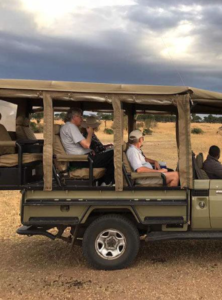
- Transportation in a 4×4 safari Land Cruiser with a pop-up roof
- Services of a professional English-speaking driver-guide
- National park and conservation-area fees
- Accommodation stated in the itinerary
- Meals indicated in the program
- Drinking water during the safari
- Game drives and scheduled wildlife activities
- Camping equipment and a safari chef for camping packages
- Transfers specifically listed in the quotation
- Government taxes applicable to the included services
Always review the inclusions line by line. A low headline price may exclude important items such as park fees, crater service fees, airport transfers or domestic flights.
What Is Usually Not Included?
Common exclusions include international flights, visas, travel insurance, tips, alcoholic beverages, personal purchases, laundry, optional activities and medical expenses. Balloon safaris, Maasai village visits, night game drives and special walking safaris may also be charged separately unless the quotation clearly includes them.
Travelers should also check whether the price covers arrival and departure accommodation in Arusha, transfers from Kilimanjaro International Airport, and domestic flights to or from Zanzibar.
What Is the Price of a 3-Day Tanzania Safari Itinerary?
A popular three-day Northern Circuit itinerary combines Tarangire or Lake Manyara, Ngorongoro Crater and one overnight near Karatu. Another option focuses on Serengeti and Ngorongoro, although it involves longer driving distances.
Shared camping options are normally the most affordable. Private lodge packages cost more but provide a dedicated vehicle, a flexible schedule and private ensuite accommodation. The rate rises further when premium lodges inside national parks are selected.
A sample three-day route could be:
- Arusha to Tarangire National Park for a game drive
- Ngorongoro Crater wildlife safari
- Lake Manyara National Park and return to Arusha
This itinerary works well for travelers with limited time, but those who want to explore Serengeti properly should consider at least four or five days.
What Is the Price of a 4-Day Tanzania Safari?
A four-day itinerary is one of the best choices for first-time visitors. It can include Tarangire, Serengeti and Ngorongoro Crater while keeping the overall holiday manageable. Prices vary according to camping, mid-range or luxury accommodation and whether the departure is shared or private.
A classic route is:
- Arusha to Tarangire National Park
- Tarangire to Serengeti National Park
- Serengeti game drive and transfer toward Ngorongoro
- Ngorongoro Crater tour and return to Arusha
This route offers varied scenery and excellent wildlife opportunities. However, it is a fast-moving itinerary. Travelers who prefer a slower pace or more time in Serengeti should add one or two nights.
How Much Is a 5-Day Tanzania Safari Itinerary?
A five-day safari generally offers a stronger balance between price, travel time and wildlife viewing. It allows more time in Serengeti and can include Tarangire, Lake Manyara or both, depending on priorities.
A typical five-day Northern Circuit itinerary is:
- Arusha to Tarangire
- Tarangire or Karatu to Serengeti
- Full-day Serengeti game drive
- Serengeti to Ngorongoro Conservation Area
- Ngorongoro Crater and return to Arusha
Budget travelers may select public camping, while couples and families often prefer mid-range tented camps or lodges with private bathrooms. Luxury travelers can choose intimate camps in prime wildlife areas, gourmet dining and additional activities.
What Does a 7-Day Tanzania Safari Cost?
A seven-day safari gives travelers time to enjoy game drives without rushing between destinations. A typical itinerary may cover Tarangire, Serengeti, Ngorongoro Crater and Lake Manyara. Depending on the season, the route can also be adapted to include Ndutu or Northern Serengeti for migration viewing.
The price of a seven-day itinerary is higher overall, but the average daily value may improve because some fixed transfer and vehicle costs are spread across more days. It is particularly suitable for wildlife photographers, honeymooners, families and travelers making a once-in-a-lifetime journey.
Is a Shared Safari Cheaper Than a Private Safari?
Yes. A shared safari is usually cheaper because travelers share the vehicle, guide and fuel expenses. It is a practical option for solo travelers, friends and couples who are comfortable following a fixed route and schedule.
A private safari offers a dedicated vehicle and guide. Departure times, game-drive duration and stops can be adapted to the guests. It is especially valuable for families, photographers, honeymooners, travelers with mobility considerations and anyone seeking a more personalized experience.
When comparing prices, confirm the maximum number of passengers in a shared vehicle and whether every guest receives a window seat.
Is Camping the Cheapest Safari Accommodation?
Public camping is normally the lowest-cost way to experience Tanzania’s famous parks. A camping package may include a tent, mattress, sleeping bag, meals prepared by a chef and access to shared campsite toilets and showers.
Tented camps are different from public camping. Many permanent or seasonal tented camps provide proper beds, private bathrooms, electricity, dining areas and hotel-style service. They can fall into mid-range, luxury or premium categories, so the word “tent” does not automatically mean budget accommodation.
How Does the Travel Season Affect the Price?
High season usually brings stronger demand and higher accommodation prices. This commonly includes the dry-season months, the Northern Serengeti migration period and the Christmas and New Year holidays. Availability can become limited, especially at well-located camps.
Green-season travel may offer lower rates, fewer vehicles and beautiful landscapes. Rain is possible, but showers do not necessarily continue all day. Shoulder seasons can provide an appealing balance of wildlife, price and availability.
Travel dates should therefore be chosen according to both budget and wildlife goals—not price alone.
Does the Great Migration Increase the Safari Price?
Migration-focused itineraries can cost more because travelers need to stay near the herds, and those camps are often in high demand. The ideal location changes during the year. Ndutu and the southern plains are generally associated with the calving season, while Northern Serengeti is popular for river-crossing opportunities.
Reaching remote migration areas may require additional driving time or domestic flights. A private itinerary is often better suited to specialized migration routes because it offers more control over locations and timing.
Wildlife movements are natural and cannot be guaranteed, even when the itinerary is carefully planned.
Are Park Fees Included in the Safari Price?
Reputable all-inclusive quotations usually include the park and conservation fees specified in the itinerary. These fees form a significant part of the total safari cost and may include national park entry, vehicle entry, camping or concession charges, and the Ngorongoro Crater service fee.
Ask whether all compulsory fees are included. This makes it easier to compare two offers fairly and avoids unexpected payments during the trip.
Is Ngorongoro Crater Expensive to Visit?
Ngorongoro Crater is one of Tanzania’s most rewarding wildlife destinations, but it carries additional conservation and crater-service costs. The experience is often worth including because the compact ecosystem supports a remarkable concentration of wildlife.
Accommodation on the crater rim is normally more expensive than staying in nearby Karatu. Travelers who want to control costs can sleep outside the conservation area and drive to the crater early in the morning.
Does a Zanzibar Safari Combination Cost More?
Combining Zanzibar with a mainland safari adds flight and transfer costs, but it creates an excellent bush-and-beach holiday. Travelers may fly from Zanzibar to Arusha, Kilimanjaro, Seronera or other safari airstrips, depending on the itinerary.
A road-based safari from Arusha is usually more economical. A fly-in itinerary saves time and may be the better option when the traveler has only a few days. When requesting a quotation, confirm baggage allowances because domestic flights often require soft-sided luggage and apply weight limits.
How Does Group Size Affect the Price Per Person?
Group size has a major effect on private safari pricing. The cost of the vehicle, guide and fuel is divided among the guests, so the per-person rate commonly decreases as the group becomes larger.
Solo travelers pay the highest private-safari rate because they cover most fixed costs alone and may also face a single-room supplement. Joining a shared departure is often the most economical solution for a solo traveler.
Families should ask about triple rooms, family tents and child policies. Children may receive reduced park or accommodation rates depending on their age and the supplier’s conditions.
Are Tips Included in the Tanzania Safari Price?
Tips are normally not included. Gratuities are voluntary and should reflect the quality of service. Travelers often tip their driver-guide at the end of the safari, while camping trips may also involve a chef or camp crew.
Ask the tour company for current tipping guidance before departure. It is helpful to carry small US-dollar notes in good condition, although other arrangements may be possible.
Can I Reduce My Tanzania Safari Itinerary Price?
Yes. Several choices can reduce the total without sacrificing the core wildlife experience:
- Travel during the green or shoulder season.
- Join a shared safari instead of booking a private vehicle.
- Choose public camping or carefully selected budget lodges.
- Travel with friends or family to divide fixed vehicle costs.
- Use a road itinerary instead of several domestic flights.
- Stay outside premium park locations where practical.
- Focus on fewer parks and spend more time in each one.
- Book early for popular dates and accommodation.
The cheapest itinerary is not always the best value. Excessive driving, unclear inclusions or poorly located accommodation can reduce the quality of the experience.
How Should I Compare Tanzania Safari Quotations?
Compare equivalent services rather than looking only at the total. Check the exact accommodation names, room type, meal plan, private or shared vehicle, included park fees, airport transfers, domestic flights and cancellation terms.
Also review how much time is spent inside each park. An itinerary may mention Serengeti, but a late arrival and early departure can leave little time for game viewing. A transparent day-by-day program should explain travel distances and planned activities.
How Far in Advance Should I Book?
For peak travel periods, booking six to twelve months in advance is advisable. Migration camps, family rooms and small luxury properties can fill quickly. Travelers visiting during quieter periods may have more flexibility, but early confirmation still provides a wider choice.
Flights and accommodation are normally secured after a deposit. Before paying, read the booking, amendment and cancellation policies carefully and consider comprehensive travel insurance.
What Is the Best Tanzania Safari Itinerary for First-Time Travelers?
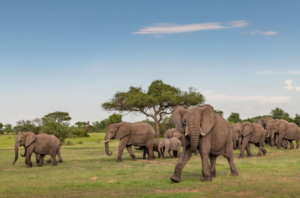
For most first-time visitors, a four- to six-day Northern Circuit itinerary provides an excellent introduction. Tarangire offers elephants and baobab landscapes, Serengeti delivers vast plains and outstanding predator sightings, and Ngorongoro Crater provides concentrated wildlife viewing.
Lake Manyara can be added when time permits, while migration-focused routes should be designed around the travel month. A knowledgeable local safari planner can recommend the most efficient route based on flight schedules, interests, comfort level and budget.
Is a Tanzania Safari Worth the Price?
For many travelers, yes. A Tanzania safari includes far more than accommodation and transportation. The price supports access to protected landscapes, professional guiding, wildlife conservation and the complex logistics required to operate safely in remote areas.
Good planning ensures that the budget is spent where it matters most: enough time in the parks, a reliable vehicle, a skilled guide and accommodation that matches the traveler’s needs.
Request Your Personalized Tanzania Safari Price
The best Tanzania safari itinerary price is one that matches your travel dates, interests, group size and preferred comfort level. A personalized itinerary prevents unnecessary expenses while protecting the quality of your wildlife experience.
Contact Kilipath African Safaris with your intended dates, number of adults and children, preferred safari length, accommodation category and arrival or departure point. Our team can prepare a clear day-by-day quotation for a shared or private safari, explain every inclusion and help you select the most suitable route through Tanzania.