A safari to Ngorongoro Crater is one of the highlights of Tanzania’s famous Northern Safari Circuit. With dramatic volcanic scenery, excellent wildlife viewing, nearby Maasai communities and easy connections with Serengeti, Tarangire and Lake Manyara, Ngorongoro fits naturally into both short and extended Tanzania safari itineraries.
This Tanzania safari Ngorongoro travel guide explains what travelers need to know before visiting: where Ngorongoro is located, what animals can be seen, the best months to travel, how long to stay, accommodation options, what to pack and how to combine the crater with other destinations.
The Ngorongoro Conservation Area is recognized by UNESCO as a World Heritage property because of both its natural and cultural importance. It contains the Ngorongoro Crater, significant wildlife populations, important archaeological sites including Olduvai Gorge, and landscapes where wildlife and pastoral communities have historically coexisted.
What Is Ngorongoro Crater?
Ngorongoro Crater is an enormous volcanic caldera in northern Tanzania. The crater is approximately 20 kilometers across, about 600 meters deep and covers roughly 300 square kilometers. It is widely described as the world’s largest intact or unbroken volcanic caldera.
From viewpoints along the crater rim, travelers can look down across grasslands, woodland, marshes and seasonal water areas on the crater floor.
Safari vehicles descend from the rim into the crater for game drives, usually spending several hours exploring different habitats before climbing back toward the highlands.
Because animals have access to water and grazing areas throughout much of the year, Ngorongoro provides productive wildlife viewing in virtually every season.
Where Is Ngorongoro Located?
Ngorongoro Conservation Area is located in northern Tanzania between the Lake Manyara/Karatu region and Serengeti National Park.
Most Tanzania safari travelers reach Ngorongoro from Arusha, the principal gateway for Northern Circuit safaris.
A typical route may travel:
Arusha → Tarangire → Lake Manyara or Karatu → Ngorongoro → Serengeti → Arusha
Another popular option travels directly from Arusha to Ngorongoro before continuing through the conservation area toward Serengeti.
This location is one reason Ngorongoro works so well in Tanzania itineraries: travelers do not necessarily need to visit it as a separate journey.
Why Visit Ngorongoro on a Tanzania Safari?
Ngorongoro combines wildlife, landscapes and history within a relatively compact area.
The crater floor provides opportunities to observe lions, elephants, buffaloes, zebras, wildebeest, hippos, hyenas, gazelles and numerous birds. Black rhinoceros are also present, although sightings can never be guaranteed.
UNESCO notes that the wider conservation area has global biodiversity importance, including threatened wildlife species and substantial concentrations of animals.
For photographers, one of the most memorable moments comes before the game drive even begins: standing at the crater rim and looking over the enormous volcanic basin below.
What Animals Can You See in Ngorongoro Crater?
Ngorongoro is particularly attractive to first-time safari travelers because many different species can sometimes be encountered during a single game drive.
Common sightings may include wildebeest, zebra, Thomson’s gazelle, Grant’s gazelle, African buffalo, warthog, hippopotamus, spotted hyena, jackal and lions.
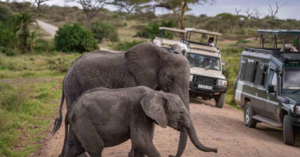
Elephants are also present, with large mature bulls frequently attracting attention from photographers.
The crater supports black rhinoceros as well, making Ngorongoro an important destination for travelers hoping to experience several members of Africa’s famous Big Five during their Tanzania safari. UNESCO specifically identifies the black rhino among the threatened species found within the conservation area.
Leopard sightings are possible in the wider area, although these secretive cats are generally harder to locate.
Is Ngorongoro Good for Seeing the Big Five?
Ngorongoro Conservation Area is home to elephant, lion, buffalo, rhino and leopard populations, although seeing all five on one visit should never be treated as guaranteed. The NCAA describes the conservation area as habitat for Big Five game.
Wildlife remains completely wild, so every game drive is different.
A professional safari guide looks for tracks, animal behavior, fresh sightings and information shared between guides to improve the chances of finding interesting wildlife.
What Is the Best Time for a Ngorongoro Safari?
Ngorongoro can be visited throughout the year.
The drier months generally provide comfortable game-drive conditions and can make wildlife easier to observe around open areas and water sources. June through October is particularly popular across Tanzania’s Northern Circuit.
January and February are also popular months, especially for travelers combining Ngorongoro with the southern Serengeti and Ndutu region.
During greener months, landscapes can become beautifully lush, providing attractive conditions for photography. Travelers may encounter occasional rain, but the greener scenery, birdlife and dramatic skies can make the experience rewarding.
Rather than choosing Ngorongoro based only on weather, consider the entire Tanzania itinerary. For example, travelers interested in the Great Migration often choose their dates based on where migrating herds are expected to be elsewhere in the Serengeti ecosystem.
How Long Should You Spend in Ngorongoro?
For many travelers, one full crater game drive provides an excellent introduction.
A typical itinerary stays overnight around Karatu, near the conservation area or on the crater rim before entering the crater early the following morning.
Travelers with more time can spend two or more nights around Ngorongoro and combine their crater safari with activities elsewhere in the conservation area.
The NCAA lists additional experiences including walking safaris around the crater rim, Empakaai Crater, Olmoti Crater, Ndutu, Olduvai Gorge and other parts of the wider conservation landscape.
Ngorongoro Crater Day Trip or Multi-Day Safari?
A multi-day Northern Circuit safari generally provides a more relaxed experience.
Although Ngorongoro can sometimes be incorporated into a short itinerary, combining it with Tarangire and Serengeti allows travelers to experience several different ecosystems.
A four- or five-day safari, for example, may include Tarangire, Serengeti and Ngorongoro. Longer private safaris can add Lake Manyara, Ndutu, cultural activities, walking experiences or additional Serengeti game-drive days.
For visitors arriving from Zanzibar, it is also possible to combine domestic flights with a Northern Tanzania safari.
Where Should You Stay Near Ngorongoro?
Accommodation ranges from public camping facilities and tented camps to comfortable mid-range lodges and luxury properties.
The Ngorongoro Conservation Area Authority confirms that accommodation options within the conservation area include lodges, tented accommodation and camping facilities.
Properties along the crater rim can offer spectacular views and convenient access for an early descent.
Karatu is another popular base. It offers a wide range of lodges and provides relatively convenient access to the Ngorongoro entrance.
The best location depends on your safari budget, preferred comfort level and itinerary for the following day.
Camping Safari in Ngorongoro
Budget travelers can include Ngorongoro in a camping safari.
Camping packages commonly involve safari tents, sleeping equipment, meals prepared by a safari cook and shared campsite facilities. Camping can significantly reduce accommodation expenses compared with high-end crater-rim lodges.
Nights in the Ngorongoro highlands can become cold, so warm clothing is particularly important for campers.
Travelers wanting private bathrooms, permanent beds and additional comfort should choose lodge or permanent tented-camp accommodation instead.
Private vs Group Ngorongoro Safari
A private safari gives your party its own vehicle and guide. This provides greater flexibility for photography, wildlife stops, departure times and itinerary adjustments.
A group or shared safari divides vehicle and operational costs among several travelers and can therefore be more economical.
For travelers on a limited budget, joining a Northern Circuit group safari containing Ngorongoro is often one of the easiest ways to experience the crater.
Couples, honeymooners, families and photographers often prefer private safaris because of the additional flexibility.
What Is a Typical Ngorongoro Safari Day Like?
An Ngorongoro safari day normally begins early.
After breakfast, travelers drive toward the crater entrance before descending into the caldera in a 4×4 safari vehicle.
The morning is spent searching for wildlife while exploring grasslands, wetlands and other habitats.
Guides may stop at suitable areas for photography and wildlife observation while following regulations designed to protect animals and visitors.
After several hours inside the crater, the safari vehicle climbs back to the rim. Depending on the itinerary, travelers may continue toward Karatu, Arusha, Serengeti or another Northern Circuit destination.
Ngorongoro and Serengeti Safari
Combining Ngorongoro and Serengeti creates one of Tanzania’s classic safari itineraries.
Ngorongoro offers concentrated crater wildlife and dramatic volcanic scenery, while Serengeti provides enormous open plains and an opportunity to explore the wider ecosystem associated with the Great Migration.
The conservation area directly connects with the greater Serengeti ecosystem, making the combination geographically practical. UNESCO specifically identifies Ngorongoro as part of the Serengeti ecosystem and highlights the movement of wildebeest, zebra and other herbivores through the region.
Travelers with enough time should generally allocate several game-drive days to Serengeti rather than attempting to see everything quickly.
Ngorongoro, Tarangire and Serengeti
Another highly popular itinerary combines all three destinations.
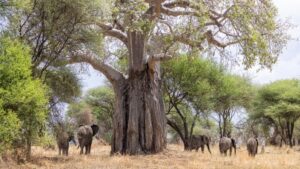
Tarangire adds baobab landscapes and excellent elephant viewing. Serengeti provides vast plains, predators and migration opportunities. Ngorongoro adds the crater landscape and concentrated wildlife viewing.
This combination works well for first-time visitors who want a broad introduction to northern Tanzania.
Lake Manyara can also be included when extra time is available.
Other Places to Visit in Ngorongoro Conservation Area
The wider conservation area contains much more than the crater.
Travelers can explore places such as Olduvai Gorge, Empakaai Crater, Olmoti Crater, Ndutu Plains and highland landscapes. NCAA identifies these among the area’s major natural, geological and historical attractions.
Olduvai is particularly important for understanding human evolution. UNESCO describes the archaeological evidence from Olduvai Gorge and Laetoli as globally significant, including fossil evidence spanning millions of years.
What Should You Pack for Ngorongoro?
Because the crater rim sits at a high elevation, mornings and evenings can be considerably cooler than Tanzania’s warmer lowlands.
Bring lightweight safari clothing for daytime game drives together with a fleece or warm jacket for early mornings.
Useful items include binoculars, sunscreen, a hat, sunglasses, comfortable closed shoes, insect repellent, camera equipment, spare batteries and a small day bag.
Neutral-colored clothing is practical for safari activities.
During wetter periods, a light waterproof jacket can also be useful.
Is Ngorongoro Suitable for Families?
Yes. Ngorongoro can be an excellent choice for families because a crater game drive can produce numerous wildlife encounters within a relatively limited area.
Families can book a private vehicle when they want greater control over breaks and departure times.
Parents traveling with very young children should discuss driving distances, accommodation arrangements and meal requirements with their safari company before confirming the itinerary.
Is Ngorongoro Suitable for Honeymoons?
Ngorongoro is frequently combined with Serengeti and Zanzibar for honeymoon trips.
Couples can choose private game drives, romantic lodges and crater-rim accommodation before continuing to Serengeti or flying to Zanzibar for a beach stay.
A private safari is especially suitable when couples value privacy and flexibility.
Plan Your Ngorongoro Safari With Kilipath African Safaris
A well-planned Ngorongoro safari can be customized around your available days, budget and preferred accommodation level.
Kilipath African Safaris can arrange private and shared Tanzania safari itineraries connecting Ngorongoro with Serengeti, Tarangire, Lake Manyara, Arusha and Zanzibar.
Whether you are planning a budget camping adventure, family safari, honeymoon or private lodge experience, your itinerary can be designed around the destinations and style of travel that suit you.
Ready to experience Ngorongoro Crater? Contact Kilipath African Safaris to start planning your Tanzania safari and receive a customized itinerary and quotation.