Skip to content

A Tanzania safari Ngorongoro trip offers one of the most rewarding wildlife experiences in Africa. Located along Tanzania’s famous Northern Safari Circuit, the Ngorongoro Conservation Area is celebrated for its breathtaking volcanic scenery, abundant wildlife and fascinating Maasai culture.
The main attraction is the Ngorongoro Crater, a vast volcanic caldera where travelers can encounter lions, elephants, buffaloes, hippos, zebras, wildebeest and, with some luck, the rare black rhinoceros. Its compact size and rich ecosystem make Ngorongoro an excellent destination for first-time visitors, families, couples, photographers and experienced safari travelers.
This guide explains everything you need to know when planning your Ngorongoro safari, including the best time to visit, suitable itineraries, accommodation choices, wildlife highlights and essential travel tips.
Why Visit the Ngorongoro Conservation Area?
The Ngorongoro Conservation Area is different from a traditional national park. It protects wildlife and landscapes while allowing local Maasai communities to continue living within parts of the conservation area.
Its diverse environment includes volcanic craters, forests, open grasslands, lakes and highland scenery. This combination creates habitats for a remarkable variety of animals and birds.
The main reasons to include Ngorongoro in your Tanzania safari are:
- Excellent wildlife viewing throughout the year
- A possibility of seeing the Big Five
- Spectacular views from the crater rim
- Convenient access from Arusha and nearby safari parks
- Interesting Maasai cultural experiences
- Accommodation ranging from public camping to luxury lodges
- Easy combination with Serengeti, Tarangire and Lake Manyara
A Tanzania safari Ngorongoro trip can be arranged as a short two-day adventure or included in a longer Northern Circuit itinerary.
Understanding the Ngorongoro Crater
The Ngorongoro Crater was formed when a large volcano collapsed millions of years ago. Today, its floor covers approximately 260 square kilometers and is surrounded by steep crater walls.
The crater’s permanent water sources and fertile grasslands support wildlife throughout the year. Many animals remain inside the crater rather than migrating, making wildlife sightings relatively consistent in every season.
Safari vehicles descend into the crater through designated roads. Because entry time on the crater floor is regulated, most travelers start their game drive early in the morning to enjoy cooler temperatures, active animals and fewer vehicles.
The crater floor contains several distinct habitats:
Open Grasslands
The open plains support large herds of wildebeest, zebras, gazelles and buffaloes. Predators such as lions, spotted hyenas and jackals are often found nearby.
Lerai Forest
This forested section is known for elephants, baboons, monkeys and various bird species. The trees and vegetation provide a beautiful contrast to the open plains.
Lake Magadi
Lake Magadi is a shallow alkaline lake located on the crater floor. Depending on water conditions, travelers may see flamingos and other waterbirds around its shores.
Ngoitokitok Springs
This wetland area attracts hippos and many bird species. It is also a popular designated location for picnic lunches during a crater safari.
Wildlife on a Tanzania Safari Ngorongoro Trip
Ngorongoro is one of Tanzania’s most reliable wildlife-viewing destinations. Although sightings can never be guaranteed, visitors have opportunities to observe an impressive variety of animals within a relatively small area.
Commonly seen animals include:
- African lions
- Spotted hyenas
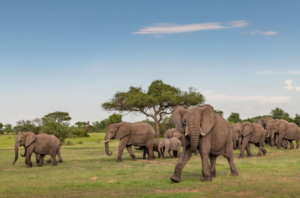
- African elephants
- Cape buffaloes
- Wildebeest
- Zebras
- Thomson’s and Grant’s gazelles
- Hippopotamuses
- Warthogs
- Golden jackals
- Baboons
- Black-backed jackals
The Ngorongoro Crater is also one of the better places in Tanzania to search for the endangered black rhinoceros. However, rhinos may remain at a distance, so carrying binoculars is recommended.
Leopards are present in the wider conservation area but can be difficult to locate inside the crater. Giraffes are normally seen around the conservation area rather than on the crater floor because the steep descent can be challenging for them.
Bird enthusiasts can look for crowned cranes, kori bustards, secretary birds, ostriches, eagles, flamingos and other waterbirds.
Best Time to Visit Ngorongoro
A Tanzania safari Ngorongoro trip is possible throughout the year. The best season depends on your preferred scenery, weather conditions and travel budget.
June to October: Dry Season
The dry season is popular because the vegetation is generally shorter and animals are easier to observe. Rainfall is limited, and safari roads are normally in good condition.
July, August and September are particularly busy because they coincide with the peak safari season in Northern Tanzania. Accommodation should be reserved early during these months.
November to December: Short Rains
The short rains transform the landscape into a greener environment. Rain normally falls in temporary showers rather than continuously throughout the day.
This period can offer beautiful photography conditions, fewer visitors and excellent birdwatching.
January to March: Green and Calving Season
January and February are attractive months for combining Ngorongoro with the Ndutu region of the southern Serengeti ecosystem. Large wildebeest herds gather around Ndutu for the calving season.
Travelers interested in newborn animals and predator activity can consider an itinerary combining Ngorongoro, Ndutu and the Serengeti.
April to May: Long Rains
The long rainy season brings dramatic skies, green scenery and fewer visitors. Some roads may become muddy, but safari activities usually continue.
Travelers who do not mind occasional rain may find better accommodation offers during this quieter period.
Suggested Ngorongoro Safari Itineraries
The best itinerary depends on your available time and the other destinations you want to visit.
Two-Day Tarangire and Ngorongoro Safari
This short itinerary is suitable for travelers with limited time.
Day 1: Arusha to Tarangire National Park
Depart from Arusha and drive to Tarangire for a game drive. The park is known for elephants, ancient baobab trees, giraffes, zebras and large herds of buffaloes. Stay overnight near Karatu or Mto wa Mbu.
Day 2: Ngorongoro Crater and Arusha
Start early and descend into the crater for a game drive. Enjoy a picnic lunch before ascending and returning to Arusha in the late afternoon or early evening.
Three-Day Tarangire, Ngorongoro and Lake Manyara Safari
This itinerary introduces travelers to three different environments.
Day 1: Tarangire National Park
Day 2: Ngorongoro Crater
Day 3: Lake Manyara National Park and return to Arusha
It is a practical option for couples, families or travelers visiting Zanzibar who want a short mainland safari.
Four-Day Serengeti and Ngorongoro Safari
A four-day itinerary allows travelers to combine the crater with Tanzania’s most famous national park.
Day 1: Arusha to Serengeti
Day 2: Full-day Serengeti game drive
Day 3: Serengeti to the Ngorongoro highlands
Day 4: Ngorongoro Crater and return to Arusha
Travelers should understand that the drive between Arusha and the Serengeti is long. Adding Tarangire to this itinerary creates an exciting safari, but daily driving times may be considerable.
Five-Day Northern Circuit Safari
A five-day safari offers a more comfortable pace.
Day 1: Tarangire National Park
Day 2: Drive to Serengeti National Park
Day 3: Full-day Serengeti game drive
Day 4: Serengeti to Ngorongoro
Day 5: Ngorongoro Crater and return to Arusha
This is one of the most balanced itineraries for travelers who want to experience elephants, the Serengeti plains, big cats and the Ngorongoro Crater.
Private or Shared Ngorongoro Safari?
Both private and shared safaris are available, but each option offers a different experience.
Shared Safari
A shared safari is suitable for budget-conscious solo travelers and couples. Guests join other travelers in one safari vehicle and follow a fixed itinerary.
A well-organized shared safari normally provides each traveler with a window seat. However, departure times, accommodation categories and game-drive schedules are less flexible.
Private Safari
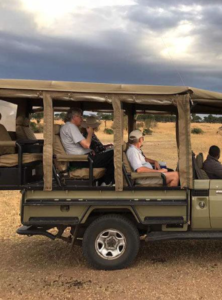
A private safari provides a dedicated vehicle and guide. Travelers can choose their preferred accommodation, departure times and route.
It is particularly suitable for:
- Families with children
- Honeymoon couples
- Professional photographers
- Private groups
- Travelers with special dietary requirements
- Guests who prefer a flexible schedule
A private safari usually costs more, but the freedom to spend longer at wildlife sightings can greatly improve the experience.
Accommodation Around Ngorongoro
Accommodation is available inside the conservation area and in nearby towns such as Karatu.
Public Camping
Camping is generally the most affordable option. Travelers stay in tents and use shared campsite bathrooms and toilets. A safari chef normally prepares meals during an organized camping trip.
The temperature near the crater rim can become cold at night, so warm clothing is essential.
Budget and Mid-Range Lodges
Budget and mid-range lodges provide private rooms, beds, showers and restaurant facilities. Many are located around Karatu, which is within driving distance of the Ngorongoro entrance.
These properties offer a good balance between price and comfort.
Tented Camps
Tented camps combine the atmosphere of camping with additional comfort. Rooms are usually constructed with canvas but may include proper beds, private bathrooms and hot showers.
Luxury Crater-Rim Lodges
Luxury lodges near the crater rim offer premium services and impressive views. Their convenient location can make an early crater descent easier, although prices are considerably higher than those of accommodation outside the conservation area.
How Much Does a Ngorongoro Safari Cost?
The price of a Tanzania safari Ngorongoro trip depends on several factors:
- Number of travelers
- Private or shared vehicle
- Number of safari days
- Accommodation standard
- Season of travel
- Airport transfers
- Domestic flights
- Cultural activities
- Park and crater fees
- Whether the itinerary starts in Arusha or Zanzibar
Private safari costs are divided among the travelers in the vehicle. Therefore, the price per person normally becomes lower when more people travel together.
When comparing safari quotations, check whether the price includes accommodation, meals, park fees, crater service fees, transportation, drinking water and taxes. A cheaper quotation may exclude important expenses.
Traveling to Ngorongoro from Arusha
Arusha is the main starting point for Northern Tanzania safaris. The drive from Arusha to the Ngorongoro area normally takes approximately three to four hours, depending on traffic, road conditions and the location of your accommodation.
Many travelers spend the night in Karatu before visiting the crater. Karatu offers a wide selection of lodges and provides convenient access to the Ngorongoro entrance.
Travelers arriving through Kilimanjaro International Airport should normally spend at least one night in Arusha before starting an early safari. Arusha Airport is mainly used for domestic flights connecting Arusha with Zanzibar, Serengeti and other Tanzanian destinations.
Combining Ngorongoro with Zanzibar
A safari and Zanzibar holiday is one of Tanzania’s most popular travel combinations. Travelers can begin with wildlife adventures on the mainland and then relax on Zanzibar’s beaches.
Possible arrangements include:
- Flying from Zanzibar to Arusha and starting the safari
- Flying directly from Zanzibar to the Serengeti
- Completing the safari in Arusha and flying to Zanzibar
- Connecting through Kilimanjaro International Airport
When booking a same-day flight after the crater safari, allow enough time for the road journey. Traffic or road delays can affect the arrival time, so an evening flight or an additional night in Arusha may be safer.
What to Pack for Your Safari
Pack light and choose comfortable clothing in neutral colors such as beige, brown, khaki and green.
Recommended items include:
- Warm jacket or fleece
- Comfortable trousers and shirts
- Sun hat
- Sunglasses
- Sunscreen
- Insect repellent
- Closed walking shoes
- Camera and spare batteries
- Binoculars
- Personal medication
- Small day bag
- Reusable water bottle
- Passport and travel documents
Morning temperatures around Ngorongoro can be very cold, particularly during June, July and August. Dressing in layers allows you to adjust as the day becomes warmer.
Responsible Travel in Ngorongoro
Visitors should help protect Ngorongoro’s wildlife, environment and local communities.
Remain inside the safari vehicle unless your guide says it is safe to leave. Never feed animals or pressure the guide to drive off-road. Keep noise levels low around wildlife and avoid leaving rubbish inside the conservation area.
If participating in a cultural visit, choose an experience arranged respectfully with the local community. Always ask for permission before photographing people.
Following these simple principles helps ensure that tourism continues to benefit conservation and local livelihoods.
Plan Your Tanzania Safari Ngorongoro Trip
A Tanzania safari Ngorongoro trip brings together extraordinary wildlife, volcanic landscapes and cultural heritage in one memorable destination. Whether you choose an affordable camping safari, a comfortable lodge itinerary or a private luxury journey, Ngorongoro deserves a place in your Tanzania travel plans.
For the best experience, choose an itinerary that matches your available time, travel season and comfort preferences. Combine Ngorongoro with Tarangire for a short safari or add Serengeti for a complete Northern Circuit adventure.
Ready to explore the Ngorongoro Crater? Contact Kilipath African Safaris today for a customized itinerary, accommodation recommendations and a safari quotation created around your travel dates and budget.