Lake Manyara vs. Nyerere Safari Prices | Tanzania Guide
A Lake Manyara safari can cost USD 150–220 per person for a shared day trip from Arusha. A published example of a…
Read articleArusha City - Tanzania
Safari & Travel Tips
September 2, 2026 · 11 min read
A Tanzania safari to Nyerere National Park generally costs from about USD 500 to more than USD 2,000 per person, depending on the number of days, accommodation category, transportation method, group size, season, and activities included.
For travelers coming from Zanzibar, a fly-in safari is one of the most convenient choices. Current market examples show that private 3-day Nyerere safaris from Zanzibar can range from around USD 1,300 to USD 1,700+ per person, especially when return domestic flights and mid-range accommodation are included.
A road safari starting in Dar es Salaam may cost considerably less because travelers avoid domestic flight expenses.
| Safari Style | Approximate Cost per Person |
|---|---|
| 2-day budget safari | USD 400–750 |
| 3-day budget safari | USD 500–900 |
| 3-day mid-range road safari | USD 700–1,200 |
| 3-day fly-in safari from Zanzibar | USD 1,200–1,700+ |
| 4-day mid-range safari | USD 1,000–1,700 |
| Luxury fly-in safari | USD 1,700–3,000+ |
These are planning estimates rather than fixed rates. Accommodation, flights and seasonal availability can change the final quotation significantly.
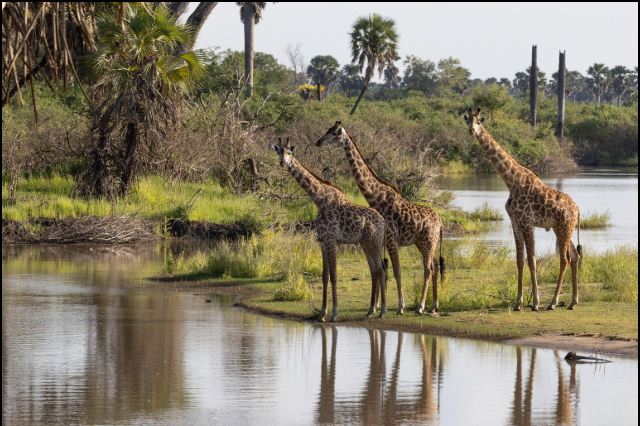
Nyerere National Park is one of Tanzania's great southern safari destinations. It contains vast areas of woodland, floodplains, lakes and channels associated with the Rufiji River.
According to Tanzania National Parks, Nyerere covers more than 30,000 square kilometres and supports elephants, buffaloes, lions, hippos, crocodiles, leopards and African wild dogs, as well as more than 440 recorded bird species.
One of the main differences between Nyerere and Tanzania's northern safari parks is the variety of activities available.
Visitors can combine:
The combination of land and water activities makes Nyerere particularly attractive to travelers wanting something different from a standard Serengeti safari.
The final Tanzania safari Nyerere cost depends on several major factors.
A two-day safari costs less overall than a four- or five-day safari, but shorter trips can have a higher daily cost because expenses such as flights, transfers and vehicle positioning are spread over fewer days.
Three days is often an excellent balance.
A typical three-day safari gives travelers time for game drives and potentially a boat or walking safari without making the itinerary too long.
Your departure point makes a major difference.
Road safaris from Dar es Salaam are generally the most economical.
You avoid domestic airfare and travel directly toward the park by safari vehicle.
However, the journey takes considerably longer than flying.
Travelers staying in Zanzibar normally fly directly toward Nyerere.
This is convenient because you can combine a beach holiday with wildlife without traveling through northern Tanzania.
The flight expense increases the package cost, but it saves considerable travel time.
A current market example lists a three-day private flying safari from Zanzibar at around USD 1,288–1,585 per person, depending on group size.
Arusha is much closer to Tanzania's Northern Circuit than Nyerere.
Travelers beginning in Arusha normally need a domestic flight or a more complicated connection, which can make the itinerary more expensive.
If your main holiday is based in Zanzibar or Dar es Salaam, Nyerere usually combines more naturally with those destinations.
TANAPA currently lists the international adult entrance fee for Nyerere National Park at USD 70, while the international child rate is listed at USD 20.
Park fees are only one part of your safari price.
Your total package may also include:
TANAPA notes that conservation fees are normally valid for a 24-hour entry period and that applicable fees include VAT according to its tariff information.
When comparing quotations, always check whether park fees are already included.
A 2-day Nyerere safari may cost approximately USD 400–900 per person, depending primarily on whether you travel by road or air.
For travelers coming from Dar es Salaam, two days can work for a short wildlife escape.
A typical itinerary could look like:
Depart Dar es Salaam early, travel to Nyerere and enjoy an afternoon game drive or boat safari.
Morning game drive followed by return to Dar es Salaam.
A two-day safari is possible, but it can feel rushed.
For travelers flying from Zanzibar, three days often provides much better value because domestic flights represent a significant percentage of the overall trip cost.
Three days is one of the most popular options.
A 3-day Nyerere safari can range from approximately USD 500 to USD 1,700+ per person.
Current published examples show considerable variation, from budget-oriented road safaris to private fly-in packages exceeding USD 1,300 per person.
The difference mainly reflects:
Day 1: Arrival and Rufiji River boat safari
Day 2: Full-day Nyerere game drive
Day 3: Walking safari or additional game drive followed by departure
This arrangement provides a good introduction to Nyerere without requiring a long holiday.
A Nyerere safari from Zanzibar commonly costs around USD 1,000–1,800 per person for a 2- to 3-day package, depending on flight fares and accommodation.
For higher-end accommodation, costs may exceed USD 2,000 per person.
The advantage is convenience.
Instead of spending a full day driving from Dar es Salaam, you can leave Zanzibar by aircraft and reach the safari region much faster.
Current published 3-day fly-in offers illustrate prices around USD 1,331 to USD 1,585 per traveler for certain private arrangements.
A professionally organized package commonly includes:
Park entrance fees: Government conservation charges required to enter Nyerere National Park.
Safari vehicle: A 4x4 safari vehicle designed for wildlife viewing.
Professional safari guide: Your guide identifies wildlife, explains animal behavior and chooses productive game-viewing locations.
Accommodation: Lodges, camps or tented camps according to the selected category.
Meals: Breakfast, lunch and dinner during the safari depending on the itinerary.
Drinking water: Bottled or purified drinking water during game drives.
Game drives: Scheduled wildlife viewing inside Nyerere National Park.
Transfers: Pick-up and drop-off depending on the package.
For fly-in packages, domestic flights may also be included.
Always read the inclusions carefully before comparing two safari prices.
Depending on the operator, exclusions may include:
Some packages include boat safaris and walking safaris, while others list them as optional extras.
It depends on the package.
Many Nyerere itineraries already include a Rufiji River boat safari.
Others charge separately.
A boat safari is highly recommended because it provides a completely different wildlife experience from a game drive.
TANAPA highlights boat safaris on the Rufiji as one of Nyerere's signature activities, with opportunities to observe hippos, crocodiles, elephants and prolific birdlife around the waterways.
Walking safaris can be included in some Nyerere packages.
They are usually conducted with appropriately authorized guides or rangers.
Walking allows visitors to focus on things that are easily missed from a vehicle, including:
TANAPA specifies that walking and boating activities require authorized guides.
Budget travelers can reduce their safari costs by:
A basic road-based Nyerere safari can sometimes begin around USD 500–700 per person for three days, depending on group size and accommodation.
The lowest price should not automatically determine your choice.
Check whether the quotation includes park charges, meals, vehicle, guide and accommodation.
Mid-range safari packages are popular because they balance comfort and price.
Expect approximately:
USD 700–1,200 per person for some road-based packages.
A fly-in mid-range safari may cost around:
USD 1,200–1,800+ per person.
Typical accommodation may include permanent or semi-permanent tented camps with:
Luxury Nyerere safaris can begin at approximately USD 1,500–2,000 per person and rise to several thousand dollars.
Premium camps may offer:
Luxury safari prices tend to increase significantly during the dry-season peak months.
A private safari gives your party its own vehicle and guide.
Advantages include:
The cost per person is highest for solo travelers and couples.
If four to six people share a private vehicle, the price per traveler generally decreases because vehicle and guide costs are divided among more people.
Take a morning flight from Zanzibar toward Nyerere.
Your safari team meets you on arrival.
Depending on flight timing, begin with a game drive or continue to your lodge.
Later, enjoy a boat safari along the Rufiji River.
Look for:
Return to your lodge for dinner and overnight.
After breakfast, depart for a full-day safari.
Your guide searches productive areas around woodland, open plains and water sources.
Possible wildlife includes elephants, buffaloes, lions, giraffes, zebras, impalas and wild dogs.
Enjoy lunch before continuing your afternoon game drive.
Return to camp before dinner.
Start the morning with a guided walking experience when included.
Return for breakfast and prepare for departure.
Depending on your flight schedule, enjoy another short game drive before transferring to the airstrip.
Fly back to Zanzibar and continue your beach holiday.
The easiest strategies are:
The Tanzania safari Nyerere cost varies substantially, but the park offers excellent value for travelers seeking something beyond a conventional game-drive-only safari.
Budget-minded travelers can reduce costs by driving from Dar es Salaam and choosing simpler accommodation. Travelers coming from Zanzibar may prefer a 2- or 3-day fly-in Nyerere safari, while luxury guests can choose remote river camps and premium all-inclusive arrangements.
What makes Nyerere especially appealing is the combination of 4x4 wildlife viewing, Rufiji River boat safaris, walking experiences and an immense wilderness landscape.
For most first-time travelers, a 3-day Nyerere safari provides the strongest balance of cost, wildlife viewing and travel time—particularly when combined with a Zanzibar beach holiday.
A Lake Manyara safari can cost USD 150–220 per person for a shared day trip from Arusha. A published example of a…
Read articleA Nyerere Tanzania wildlife safari can take you from a woodland game drive in the morning to a boat on the Rufiji…
Read articlePlanning a Tanzania safari that combines Lake Manyara National Park and Nyerere National Park is an excellent way to experience the country's…
Read articleDiscover Tanzania’s untamed wilderness without exceeding your travel budget. A budget Ruaha safari adventure offers incredible wildlife encounters, spectacular landscapes, authentic African…
Read article