

Budget Ngorongoro Crater Safari Holiday
Planning a budget Ngorongoro Crater safari holiday from Arusha? Compare a crater day trip, a two-day Tarangire and Ngorongoro safari, or a…
Read articleArusha City - Tanzania
Safari & Travel Tips
September 2, 2026 · 15 min read
A Tanzania safari package is one of the most exciting ways to experience Africa's extraordinary wildlife, spectacular landscapes and rich cultural heritage. From watching lions resting on the endless plains of the Serengeti to seeing elephants beneath giant baobab trees in Tarangire, Tanzania offers an incredible variety of safari experiences.
Whether you are planning your first African safari, a romantic honeymoon, a family holiday, a photographic expedition or a once-in-a-lifetime Great Migration adventure, your Tanzania safari can be designed around your travel dates, budget and preferred level of comfort.
The country's famous Northern Safari Circuit includes Serengeti National Park, Ngorongoro Conservation Area, Tarangire National Park and Lake Manyara National Park. These destinations can easily be combined into journeys lasting from three days to more than ten days.
Official Tanzanian tourism information highlights wildlife safaris as one of the country's major visitor experiences, while the classic northern route combines some of Tanzania's most celebrated wildlife landscapes.
With the right Tanzania safari package, you don't simply visit national parks—you travel through changing landscapes, encounter wildlife in its natural habitat and experience different sides of Tanzania every day.
Tanzania offers something exceptional for almost every type of safari traveler.
One morning you might watch elephants crossing a dusty track in Tarangire. A few days later you may be following a pride of lions through the Serengeti or descending into Ngorongoro Crater for a completely different wildlife experience.
A professionally organized Tanzania safari package also removes much of the complication involved in planning an African safari.
Depending on your selected package, arrangements can include:
The Tanzania Tourism Board's current examples of packaged safaris similarly include combinations of safari vehicles, guides, game drives, accommodation, meals, transfers and park-related fees depending on the specific itinerary.
This makes a package particularly convenient for international travelers who prefer to have transportation, accommodations and park arrangements coordinated in advance.
For many travelers, the Serengeti is the highlight of their entire African journey.
Its vast grasslands, acacia-dotted plains and abundant wildlife create the classic safari scenery most people imagine when thinking about Africa.
Safari drives may reveal:
The Serengeti is also internationally famous for the Great Wildebeest Migration, when enormous herds move through the wider Serengeti-Mara ecosystem in search of fresh grazing and water.
Different sections of the Serengeti become especially attractive during different parts of the year, which means your safari route should ideally be planned around your travel month.
A Tanzania safari package focused on the Serengeti may therefore include Central Serengeti, Ndutu during the calving period, or Northern Serengeti during the river-crossing season.
Ngorongoro provides one of Tanzania's most dramatic safari experiences.
Visitors travel through the highlands before descending toward the crater floor for a game drive surrounded by steep crater walls.
The relatively concentrated wildlife makes Ngorongoro particularly attractive for travelers who want the possibility of seeing many different species during one safari day.
You may encounter:
Ngorongoro combines beautifully with the Serengeti because the two destinations can form part of the same overland safari itinerary.
Tarangire deserves far more attention than simply being considered a stop on the way to the Serengeti.
Its giant baobab trees, rolling landscapes and famous elephant populations create a completely different environment from the Serengeti plains.
Tanzania National Parks describes Tarangire as particularly renowned for its elephant herds and baobab scenery, with wildlife concentrations becoming especially impressive around water sources during the dry season.
Wildlife commonly searched for here includes:
Tarangire is often included on four-, five-, six- and seven-day Northern Circuit safari itineraries.
It is also an excellent option for travelers with only one or two days available from Arusha.
Lake Manyara National Park sits beneath the dramatic Great Rift Valley escarpment and offers another distinct safari landscape.
Instead of endless open plains, travelers experience groundwater forest, woodland, wetlands and areas around the lake.
TANAPA describes the park as a diverse Rift Valley ecosystem associated with tree-climbing lions, groundwater forests, birdlife and the lake environment.
Lake Manyara may offer opportunities to see:
The park lies roughly 2–2.5 hours by road from Arusha according to TANAPA's visitor guidance, making it convenient to combine with Tarangire, Ngorongoro and the Serengeti.
Safari inclusions vary depending on the operator and accommodation category, so travelers should always review the final itinerary carefully before booking.
A comprehensive package commonly covers the major safari logistics.
Most safaris are conducted in a specially prepared 4x4 Land Cruiser with a pop-up roof, allowing passengers to stand while photographing wildlife.
A private safari provides exclusive use of the vehicle, while a group safari shares the vehicle with other travelers.
Your driver-guide is one of the most important parts of the safari.
A knowledgeable guide helps identify wildlife, interpret animal behavior, find productive game-viewing areas and coordinate park logistics.
Park conservation fees can represent a significant part of the safari cost. Tanzania's official park fee system applies different tariffs depending on the destination, visitor category, age, vehicle and activity.
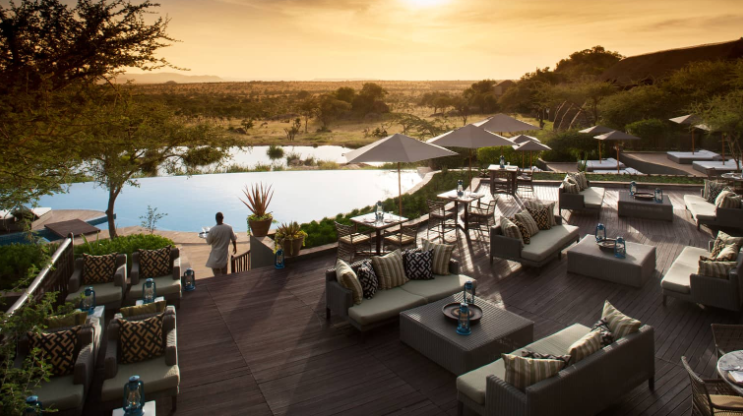
Depending on your package, accommodation might include:
Most multi-day safari packages operate on a full-board basis during the safari, normally including breakfast, lunch and dinner.
Bottled or filtered drinking water is generally provided during game drives according to the selected tour inclusions.
Game drives form the heart of your safari and usually take place during daylight hours according to park regulations and your itinerary.
Choosing the right number of safari days depends on your budget, travel time and wildlife priorities.
A three-day safari works well for travelers who want to experience major wildlife areas but have limited time.
Day 1: Arusha – Serengeti National Park
Drive toward the Serengeti and enjoy an afternoon game drive.
Day 2: Serengeti – Ngorongoro Area
Morning and early afternoon wildlife viewing before continuing toward Ngorongoro.
Day 3: Ngorongoro Crater – Arusha
Descend into the crater for a game drive, have lunch and return to Arusha.
This itinerary concentrates on two of Tanzania's most famous safari areas.
Four days allow more breathing room and can include Tarangire.
Day 1: Arusha – Tarangire National Park
Full-day game drive and overnight near Karatu or Tarangire.
Day 2: Tarangire/Karatu – Serengeti
Travel through the highlands toward Serengeti and enjoy an afternoon game drive.
Day 3: Serengeti – Ngorongoro
Morning game drive followed by transfer toward Ngorongoro.
Day 4: Ngorongoro Crater – Arusha
Crater safari followed by your return to Arusha.
This is one of the strongest choices for travelers who want a compact Northern Circuit experience.
A five-day itinerary is an excellent balance between time, cost and wildlife viewing.
Day 1: Arusha – Tarangire
Day 2: Tarangire – Serengeti
Day 3: Full-day Serengeti
Day 4: Serengeti – Ngorongoro
Day 5: Ngorongoro Crater – Arusha
The additional full day in the Serengeti gives travelers more time to search for predators and explore different wildlife areas.
For many first-time visitors, five days is an excellent minimum for enjoying the Northern Circuit without feeling overly rushed.
Six days provide even greater flexibility.
A typical itinerary might include:
Day 1: Tarangire National Park
Day 2: Lake Manyara or transfer to Serengeti
Day 3: Serengeti National Park
Day 4: Serengeti National Park
Day 5: Serengeti – Ngorongoro
Day 6: Ngorongoro Crater – Arusha
You can also remove Lake Manyara and dedicate additional time to Serengeti depending on your priorities.
A seven-day Tanzania safari is highly recommended for travelers who want a more complete experience.
It allows you to explore multiple destinations at a comfortable pace.
Day 1: Arrival in Arusha
Day 2: Tarangire National Park
Day 3: Serengeti National Park
Day 4: Full-day Serengeti game drive
Day 5: Serengeti – Ngorongoro
Day 6: Ngorongoro Crater
Day 7: Lake Manyara – Arusha
Alternative seven-day safaris may dedicate three or four nights to Serengeti or include cultural activities instead.
Travelers seeking an immersive safari should consider eight to ten days.
These longer itineraries may include:
Longer safaris are especially attractive for photographers because they reduce the pressure to move between locations every day.
A private safari means the vehicle and guide are dedicated entirely to your booking.
It is ideal for:
The biggest advantage is flexibility.
If you find lions hunting or elephants interacting near a waterhole, you may have more freedom to stay longer rather than following the schedule of a larger group.
Departure times can also be adjusted in consultation with your guide and according to park rules.
A group safari can be an excellent option for travelers who want to reduce the cost of visiting Tanzania's famous parks.
Instead of paying for an entire safari vehicle, the vehicle cost is divided among multiple travelers.
Group safaris are especially popular with:
However, group departures normally follow a fixed itinerary and schedule.
A private safari offers greater flexibility, while a group safari usually offers greater affordability.
A budget safari proves that you do not need luxury accommodation to experience spectacular wildlife.
Budget options may use public campsites or simple lodges.
Camping safaris often include:
The wildlife experience remains the same because luxury guests and camping guests explore the same national parks.
The major difference is where you sleep and the level of service and comfort available after the game drive.
Mid-range safaris are among the most popular choices because they provide a strong combination of comfort and value.
Accommodation normally includes a private room or permanent safari tent with a private bathroom.
Depending on the property, you may also enjoy:
Mid-range packages work especially well for couples, families and first-time safari travelers.
Luxury Tanzania safari packages combine outstanding wildlife viewing with premium accommodation.
Properties may include:
Luxury safaris are particularly popular for:
Luxury changes the comfort of the journey, but Tanzania's wildlife is the true attraction at every accommodation level.
The Great Migration is one of the strongest reasons travelers choose Tanzania.
However, the migration does not remain in one place throughout the year.
This means choosing the correct region matters.
The southern Serengeti and Ndutu region is particularly attractive as migratory herds gather on short-grass plains and the calving period approaches and unfolds.
Herds gradually move through western and central areas depending on rainfall and grass conditions.
Northern Serengeti becomes especially popular when herds move toward the Mara River region.
River crossings are natural events and therefore cannot be guaranteed on a specific day.
For travelers planning a migration safari, the strongest itinerary is not simply the longest one. It is the one that puts you in the most appropriate region for your travel dates.
Tanzania is a year-round safari destination.
The best month depends on what you want to experience.
This is the main dry season across much of northern Tanzania.
Advantages include:
Because it is extremely popular, safari lodges may fill quickly.
This period is particularly attractive for travelers interested in southern Serengeti and Ndutu migration activity.
It is also popular with photographers because of dramatic skies, green landscapes and young animals.
These months are associated with Tanzania's longer rains.
Advantages can include:
Travel conditions may be wetter, however, and some properties operate seasonally.
Shorter rains can refresh Tanzania's landscapes while wildlife viewing continues.
These months can be excellent for visitors who enjoy greener scenery and fewer crowds than the busiest dry-season months.
TANAPA recommends choosing travel periods according to the park, season, desired activities and wildlife movements rather than assuming one season suits every itinerary.
There is no single fixed Tanzania safari price because each itinerary is constructed from several major cost components.
Prices depend on:
Official Tanzania Tourism Board examples currently show just how wide the range can be: short day trips can cost a few hundred dollars per person, while multi-day premium itineraries may run into several thousand dollars per traveler.
For this reason, travelers should compare what is included, rather than choosing a safari only because it has the lowest headline price.
A cheaper itinerary may exclude something another package already includes.
Travelers sometimes ask why African safaris cost more than ordinary road trips.
Several specialized costs are involved.
Tanzania's national parks require conservation and other applicable charges. The fee structure varies by park and activity.
A proper safari requires a specialized four-wheel-drive vehicle capable of handling rough roads.
Operating expenses include fuel, maintenance, insurance and long-distance travel between parks.
Safari camps operate in remote environments where supplies, food, electricity, water and staff must often be transported significant distances.
Your safari guide accompanies you across multiple days and contributes greatly to the quality of your wildlife experience.
Legitimate operators must account for taxes, licenses, staff, logistics and other regulatory expenses.
One of Tanzania's biggest advantages is the possibility of combining safari and beach travel within the same country.
After several days exploring the Serengeti and Ngorongoro, you can fly to Zanzibar for a relaxing beach holiday.
A typical safari-and-Zanzibar journey might look like:
Day 1: Arrival in Tanzania
Day 2: Tarangire
Day 3: Serengeti
Day 4: Serengeti
Day 5: Ngorongoro
Day 6: Fly to Zanzibar
Days 7–10: Zanzibar holiday
Day 11: Departure
Zanzibar extensions can include:
The Tanzania Tourism Board also promotes safari itineraries that can be combined with onward Zanzibar travel.
Tanzania is an outstanding honeymoon destination because couples can combine adventure, luxury and beach relaxation.
A honeymoon safari can include:
A Serengeti safari followed by several nights in Zanzibar creates a strong combination of wildlife adventure and relaxation.
Family safaris can be adapted around children's ages and interests.
Important considerations include:
Private safaris are often particularly suitable for families because parents can adjust the daily routine more easily.
Families traveling with young children should confirm age restrictions for certain activities before booking.
Wildlife photographers often need a different itinerary from ordinary tourists.
Instead of visiting many destinations quickly, photographers may benefit from spending several nights in one wildlife-rich area.
A photography safari should prioritize:
Serengeti is particularly attractive because of its predators, plains, migration activity and variety of environments.
Your Tanzania safari package can be customized with additional experiences.
A balloon flight provides a completely different perspective over the landscape.
Flights generally take place early in the morning and are commonly followed by breakfast.
Availability is limited, so advance booking is recommended during busy seasons.
Cultural visits can introduce travelers to aspects of Maasai traditions and local life.
Choose experiences that are respectful and responsibly organized.
Travelers visiting the Lake Eyasi region can learn about the traditions and lifestyle of Hadzabe communities.
This normally requires adding at least one night around Lake Eyasi.
Some designated areas allow guided walking safaris accompanied by trained personnel.
Walking changes the safari perspective by focusing on tracks, plants, insects and smaller environmental details often missed from a vehicle.
Do not choose your safari based only on the number of days or lowest price.
Consider these questions:
If seeing the Great Migration is your priority, your travel month and Serengeti region matter enormously.
Tanzania's parks cover huge distances. A very short safari covering too many destinations can become exhausting.
Your accommodation choice significantly affects the overall price.
Private is flexible. Shared is economical.
Planning the safari and domestic flight together can simplify your overall itinerary.
Extra Serengeti nights may provide more value than trying to visit every park.
Tanzania's best safari accommodations can become fully booked during peak travel periods.
Advance planning is particularly important for:
Booking early also gives you more flexibility to adjust accommodation before making final confirmations.
Pack light, practical clothing that works for both warm afternoons and cool mornings.
Useful items include:
Ngorongoro can be surprisingly cool early in the morning, so warm clothing is particularly useful.
Planning a budget Ngorongoro Crater safari holiday from Arusha? Compare a crater day trip, a two-day Tarangire and Ngorongoro safari, or a…
Read articleA Lake Manyara safari can cost USD 150–220 per person for a shared day trip from Arusha. A published example of a…
Read articleExplore Ruaha National Park’s baobab country on a guided safari built around your dates, group size and budget. Spend your game drives…
Read articleA Tanzania safari from Zanzibar can mean a short mainland trip during your beach holiday or a complete package with flights, game…
Read article

