Skip to content

Planning a safari in Tanzania is an exciting step toward experiencing some of Africa’s most spectacular wildlife, landscapes, and cultures. From the endless plains of the Serengeti to the dramatic Ngorongoro Crater and elephant-filled Tarangire National Park, Tanzania offers safari experiences for almost every type of traveler.
Good Tanzania safari planning helps you choose the right parks, travel season, accommodation, transportation, and safari length while avoiding unnecessary stress. Whether you are organizing a honeymoon, family adventure, private safari, group tour, or safari combined with Zanzibar, this guide explains the most important things to consider.
Why Tanzania Is One of Africa’s Best Safari Destinations
Tanzania has an impressive combination of wildlife, scenery, protected wilderness, and safari routes. Travelers can experience classic game drives, the Great Migration, walking safaris, cultural encounters, hot-air balloon safaris, and beach holidays during a single trip.
Some of the country’s most famous safari destinations include:
- Serengeti National Park
- Ngorongoro Crater
- Tarangire National Park
- Lake Manyara National Park
- Nyerere National Park
- Ruaha National Park
- Arusha National Park
The northern safari circuit is particularly popular because several important wildlife destinations can be combined efficiently by road.
When Should You Start Tanzania Safari Planning?
Ideally, begin planning several months before your intended travel date.
Travelers visiting during popular months such as July, August, September, December, January, and February should consider booking earlier because well-located lodges and tented camps can fill quickly.
Early Tanzania safari planning is especially important when your trip includes:
- Luxury safari lodges
- Northern Serengeti accommodation
- Migration camps
- Hot-air balloon safaris
- Domestic flights
- Christmas and New Year travel
- Honeymoon accommodation
- Large family groups
Travelers visiting during quieter periods may have greater flexibility.
Step 1: Decide How Many Days You Have
Your available time determines how many parks you can visit comfortably.
3-Day Tanzania Safari
A three-day safari works well for travelers with limited time. A typical itinerary can include Tarangire, Ngorongoro Crater, and another nearby wildlife area.
It provides a good introduction to Tanzania without requiring a long vacation.
4-Day Tanzania Safari
Four days allow travelers to include the Serengeti more comfortably.
A common route is:
Day 1: Tarangire National Park
Day 2: Serengeti National Park
Day 3: Serengeti game drive
Day 4: Ngorongoro Crater and return to Arusha
5-Day Tanzania Safari
Five days provide more relaxed wildlife viewing and additional time in the Serengeti.
This is one of the most popular choices for first-time visitors.
6-7 Day Tanzania Safari
A six- or seven-day itinerary gives travelers enough time to explore several destinations without rushing.
It is particularly suitable for photographers, honeymooners, families, and travelers interested in the Great Migration.
8 Days or More
Longer trips can include areas such as Northern Serengeti, Ndutu, Lake Natron, Lake Eyasi, or additional cultural experiences.
You can also combine northern and southern Tanzania if your schedule and budget allow.
Step 2: Choose the Best Safari Parks
Another important part of Tanzania safari planning is selecting destinations that match your interests.
Serengeti National Park
The Serengeti is one of Tanzania’s most famous safari destinations.
Its vast plains support lions, elephants, giraffes, cheetahs, leopards, hyenas, wildebeest, zebras, buffalo, and many other species.
The Serengeti is also central to the Great Wildebeest Migration.
Travelers interested in extensive wildlife viewing should consider spending at least two nights in or around the Serengeti.
Ngorongoro Crater
The Ngorongoro Crater offers one of the highest concentrations of wildlife in a relatively compact area.
During a crater game drive, visitors may encounter:
- Lions
- Elephants
- Buffalo
- Zebras
- Wildebeest
- Hippos
- Hyenas
- Gazelles
Black rhinos also live within the conservation area, although sightings can never be guaranteed.
The crater is particularly convenient because travelers can experience excellent wildlife viewing within one safari day.
Tarangire National Park
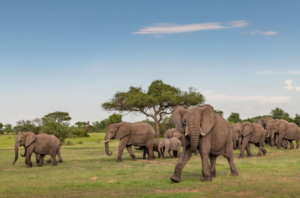
Tarangire is famous for its large elephant population, baobab trees, beautiful landscapes, and seasonal wildlife concentrations.
It is especially rewarding during the dry season, when animals gather around permanent water sources.
Because Tarangire is relatively close to Arusha, it works well as the first or last park on many northern Tanzania itineraries.
Lake Manyara National Park
Lake Manyara offers forests, wetlands, open landscapes, birdlife, monkeys, elephants, and views of the Great Rift Valley.
It can be included in shorter itineraries or combined with Tarangire and Ngorongoro.
Nyerere National Park
Travelers interested in Tanzania’s southern safari circuit can consider Nyerere National Park.
The destination offers game drives and, depending on the chosen program, opportunities for boat-based wildlife experiences.
Its atmosphere is different from the northern circuit and can appeal to travelers seeking a more remote safari experience.
Ruaha National Park
Ruaha is another outstanding southern Tanzania destination.
It is known for its wild landscapes, predators, elephants, and relatively low visitor numbers compared with some northern parks.
It is particularly suitable for travelers prioritizing wilderness and a less crowded safari atmosphere.
Step 3: Understand the Best Time for a Tanzania Safari
Tanzania offers wildlife viewing throughout the year, but conditions vary by season.
June to October
The dry season is one of the most popular safari periods.
Vegetation becomes thinner and wildlife often gathers around water sources, making animals easier to observe in many parks.
July through October is also an important period for travelers interested in migration activity in the northern Serengeti.
December to March
This period is particularly interesting for travelers wanting to visit the southern Serengeti and Ndutu region.
January and February are especially popular for the wildebeest calving season.
Large numbers of young wildebeest are born during this period, attracting predators and creating dramatic wildlife viewing opportunities.
April and May
These months are part of the greener season in many areas.
Travelers may encounter rain, but landscapes can be exceptionally beautiful and visitor numbers are often lower.
Some accommodation properties may also offer more attractive seasonal rates.
November
November usually marks a shorter rainy period, although weather varies from year to year.
Wildlife viewing remains possible and the landscape begins turning greener.
Step 4: Plan Around the Great Migration
For many visitors, Great Migration viewing is a major reason for starting Tanzania safari planning.
However, the migration is a natural movement rather than a fixed event.
Its exact location changes according to rainfall, grass conditions, and water availability.
As a general guide:
December-April: Southern Serengeti and Ndutu region
May-June: Movement through central and western areas
July-October: Northern Serengeti and Mara River region
Travelers should remember that wildlife is unpredictable.
No safari company can guarantee a river crossing or specific migration event on a particular day.
Working with an experienced local operator allows your itinerary to focus on areas where wildlife activity is usually strongest for your travel dates.
Step 5: Choose Private or Shared Safari
Both safari styles can provide excellent experiences.
Private Safari
A private safari gives you your own vehicle and professional guide.
Advantages include:
- Flexible departure times
- More control over game drives
- Easier photography
- Greater privacy
- Flexible stops
- Personalized itinerary
- Accommodation choices
Private safaris are particularly suitable for honeymooners, families, photographers, and travelers wanting maximum flexibility.
Shared Safari
Shared safaris help reduce costs because several travelers share the safari vehicle.
They are excellent for:
- Solo travelers
- Couples traveling on a budget
- Backpackers
- Social travelers
The itinerary and schedule are usually less flexible because the group follows a predetermined program.
Step 6: Choose Your Accommodation Level
Accommodation is one of the biggest factors affecting Tanzania safari cost.
Camping Safari
Budget camping usually includes tents and basic camping equipment.
Public campsites often have shared bathroom facilities.
Camping provides a more adventurous experience and keeps travelers close to nature.
Budget Lodges
Budget lodges provide simple private accommodation while keeping overall safari costs relatively affordable.
Mid-Range Safari
Mid-range safaris are extremely popular.
They commonly use comfortable lodges or tented camps with private bathrooms, proper beds, and restaurant facilities.
This category provides a good balance between comfort and price.
Luxury Safari
Luxury safari accommodation may include spacious suites, premium tented camps, swimming pools, personalized service, and exceptional locations.
High-End and Exclusive Safari
Travelers seeking maximum privacy can choose boutique safari camps, exclusive-use properties, or premium migration camps.
These experiences can also include private dining, charter flights, and highly personalized services.
Step 7: Decide Between Driving and Fly-In Safari
Most northern Tanzania safaris begin from Arusha.
Travelers can reach parks either by road or light aircraft.
Road Safari
Road safaris are the traditional option.
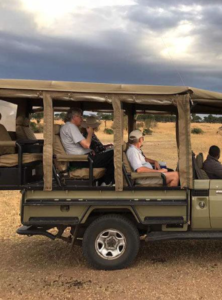
You travel in a safari Land Cruiser with your guide between destinations.
Advantages include:
- Seeing changing landscapes
- Lower cost than extensive flying
- Continuous access to your guide
- Greater itinerary flexibility
Fly-In Safari
Fly-in safaris use small aircraft to connect safari regions.
They are useful for travelers with limited time or those visiting remote destinations.
Flights are particularly helpful when visiting Northern Serengeti or combining a safari with Zanzibar.
Some itineraries combine both approaches—for example, driving through Tarangire and Ngorongoro before flying from the Serengeti to Zanzibar.
Step 8: Plan Your Safari From Zanzibar
A safari and Zanzibar combination is one of Tanzania’s most popular holiday arrangements.
Travelers staying in Zanzibar can fly to Arusha or directly to selected safari airstrips.
Popular combinations include:
- Zanzibar + Serengeti
- Zanzibar + Ngorongoro
- Zanzibar + Tarangire
- Zanzibar + Serengeti + Ngorongoro
- Safari first + Zanzibar beach holiday afterward
For trips of several days, many travelers fly from Zanzibar to Arusha, complete the safari by road, and then fly back to Zanzibar.
For short premium safaris, direct flights into the Serengeti can save significant travel time.
Step 9: Consider Optional Safari Activities
Adding special experiences can make a Tanzania safari even more memorable.
Popular options include:
Hot-Air Balloon Safari
Balloon safaris are especially popular in the Serengeti.
Guests normally depart early in the morning and experience sunrise over the plains before returning for breakfast.
Maasai Cultural Visit
Cultural visits can introduce travelers to Maasai traditions, lifestyles, and local communities.
Choose responsible experiences that respect communities and provide meaningful benefits locally.
Walking Safari
Walking safaris provide an entirely different perspective from vehicle-based wildlife viewing.
They are conducted in suitable areas accompanied by trained professionals.
Lake Eyasi Cultural Experience
Lake Eyasi can be incorporated into longer northern circuit itineraries for travelers interested in cultural experiences.
Materuni Waterfalls
Materuni near Kilimanjaro is a popular extension before or after a safari.
It can be combined with village experiences and coffee-related activities.
Step 10: Create a Realistic Safari Budget
Safari prices vary considerably.
Important cost factors include:
- Number of travelers
- Safari duration
- National park fees
- Accommodation category
- Private versus shared vehicle
- Domestic flights
- Travel season
- Location of safari camps
- Additional activities
- Airport transfers
When comparing safari quotations, do not look only at the final price.
Check exactly what is included.
A good Tanzania safari quotation should clearly explain accommodation, transport, meals, park fees, guide services, transfers, and exclusions.
What Should Be Included in a Tanzania Safari?
Packages differ between operators, but a well-structured safari commonly includes:
- Safari vehicle
- Professional driver-guide
- National park entry arrangements
- Accommodation
- Meals during safari
- Drinking water
- Game drives
- Applicable conservation arrangements
- Planned transfers
Always review your quotation carefully.
Items such as visas, international flights, travel insurance, tips, alcoholic beverages, optional activities, and personal expenses may be excluded.
What Should You Pack for Tanzania?
Packing light makes safari travel easier.
Useful items include:
- Neutral-colored clothing
- Comfortable trousers
- Lightweight shirts
- Hat
- Sunglasses
- Sunscreen
- Insect repellent
- Comfortable closed shoes
- Camera
- Binoculars
- Power bank
- Small backpack
- Personal medication
Early mornings in the Serengeti and Ngorongoro can be cold, so carry a warm jacket or fleece.
Layers are usually the best solution because daytime temperatures can become much warmer.
Camera and Photography Tips
Tanzania is an excellent destination for wildlife photography.
Consider bringing:
- Telephoto lens
- Additional batteries
- Extra memory cards
- Lens cleaning equipment
- Bean bag or camera support
Binoculars are also valuable, even for travelers carrying long camera lenses.
For serious photographers, a private safari can be beneficial because you have more control over positioning and how long you remain at particular sightings.
Tanzania Safari Planning for Families
Tanzania can be an excellent family safari destination.
Private safaris are particularly convenient because parents can adjust game-drive duration and stop when children need breaks.
When traveling with younger children, consider:
- Shorter driving days
- Family rooms
- Lodges with swimming pools
- Child-friendly menus
- Fewer accommodation changes
Ask your safari consultant about minimum age restrictions for activities such as walking safaris or balloon flights.
Tanzania Safari Planning for Honeymoons
Tanzania combines exceptionally well with romantic beach holidays.
A typical honeymoon might include:
Arusha → Tarangire → Ngorongoro → Serengeti → Zanzibar
Honeymoon travelers frequently choose private vehicles and mid-range or luxury tented camps.
Special arrangements can include:
- Romantic room decoration
- Private dinners
- Balloon safari
- Premium tented camps
- Zanzibar beach resort
- Private transfers
Mention that you are traveling for your honeymoon when requesting a quotation so appropriate accommodation can be selected.
How to Choose a Tanzania Safari Company
Choosing the right safari company is an important part of Tanzania safari planning.
Look for an operator that communicates clearly and provides detailed information about:
- Accommodation
- Daily itinerary
- Safari vehicle
- Payment conditions
- Cancellation conditions
- Park destinations
- Transfers
- Included meals
- Additional costs
Local expertise is particularly important when planning complicated routes involving migration areas, domestic flights, or several parks.
Sample 7-Day Tanzania Safari Planning Itinerary
Here is one example for travelers wanting a comprehensive northern circuit safari.
Day 1: Arusha to Tarangire
Depart Arusha and drive to Tarangire National Park.
Enjoy wildlife viewing among baobab trees and explore areas known for elephants and other wildlife.
Overnight near Tarangire or Karatu.
Day 2: Tarangire to Serengeti
Travel toward Serengeti National Park.
Enjoy wildlife viewing after entering the Serengeti.
Overnight in a tented camp or lodge.
Day 3: Full-Day Serengeti
Spend the day exploring the Serengeti with morning and afternoon game drives.
Day 4: Full-Day Serengeti
Continue wildlife viewing in a different part of the ecosystem.
Travelers visiting during migration season can adjust the itinerary toward areas where wildlife concentrations are usually strongest.
Day 5: Serengeti to Ngorongoro
Enjoy a final Serengeti game drive before traveling toward the Ngorongoro Conservation Area.
Overnight near the crater.
Day 6: Ngorongoro Crater
Descend into Ngorongoro Crater for an extensive game drive.
Later, travel toward Karatu or Arusha.
Day 7: Departure or Additional Activity
Continue to Arusha, visit a nearby attraction, travel to Kilimanjaro International Airport, or continue your holiday to Zanzibar.
Common Tanzania Safari Planning Mistakes
Avoid trying to visit too many parks within a very short trip.
Other common mistakes include:
- Booking flights too close to the end of the safari
- Choosing accommodation based only on price
- Underestimating driving distances
- Packing too much luggage
- Ignoring seasonal wildlife movements
- Booking migration areas without considering the month
- Failing to purchase travel insurance
- Not checking exactly what a package includes
A thoughtfully designed safari normally provides a better experience than an itinerary that tries to cover every destination.
Start Planning Your Tanzania Safari
Successful Tanzania safari planning begins with three important decisions: your travel dates, number of safari days, and preferred budget.
From there, an itinerary can be designed around the wildlife areas most suitable for your travel period.
Whether you want to experience the Serengeti migration, descend into Ngorongoro Crater, photograph elephants in Tarangire, explore remote southern Tanzania, or combine wildlife adventures with Zanzibar beaches, Tanzania offers extraordinary possibilities.
Kilipath African Safaris can help travelers create private, shared, budget, mid-range, luxury, honeymoon, family, and Zanzibar-combination safari itineraries.
Share your preferred travel dates, number of travelers, safari duration, and accommodation level to begin creating a Tanzania safari itinerary designed around your trip.