

Budget Ngorongoro Crater Safari Holiday
Planning a budget Ngorongoro Crater safari holiday from Arusha? Compare a crater day trip, a two-day Tarangire and Ngorongoro safari, or a…
Read articleArusha City - Tanzania
Safari & Travel Tips
September 3, 2026 · 14 min read
A Tanzania safari Serengeti adventure offers one of the most extraordinary wildlife experiences in Africa. Vast golden plains, dramatic predator encounters, beautiful sunsets, and the legendary Great Migration make the Serengeti a dream destination for nature lovers, photographers, couples, families, and first-time safari travelers.
Located in northern Tanzania, Serengeti National Park forms the heart of a much larger ecosystem that extends toward Kenya’s Maasai Mara. Its name comes from the Maasai word Siringit, often translated as “the place where the land runs on forever.” Once you enter the park and see its seemingly endless plains, the meaning becomes clear.
This guide answers the most important questions about planning a Serengeti safari, including when to travel, where to stay, what animals you may see, how long to spend in the park, and how to choose the right itinerary.
The Serengeti is famous for exceptional wildlife viewing throughout the year. Unlike destinations where animal sightings depend entirely on one season, the Serengeti supports large resident populations of lions, elephants, giraffes, buffaloes, zebras, antelopes, and many other species.
The park is especially renowned for:
Every safari is different. Wildlife moves naturally, weather conditions change, and each section of the Serengeti has its own scenery and character. This unpredictability is part of what makes a Serengeti adventure so exciting.
Serengeti National Park is situated in northern Tanzania. It lies northwest of the Ngorongoro Conservation Area and borders Kenya’s Maasai Mara National Reserve to the north.
Most road safaris begin in Arusha, Tanzania’s main northern safari gateway. Travelers commonly visit Tarangire National Park or Lake Manyara before continuing through the Ngorongoro highlands toward the Serengeti.
The journey from Arusha to the central Serengeti is long, so many itineraries divide it into stages. This allows guests to enjoy other parks without spending the entire day traveling.
Visitors who have limited time can fly from Arusha, Kilimanjaro, or Zanzibar to one of the Serengeti’s airstrips. A fly-in safari reduces road travel and provides spectacular aerial views of Tanzania’s landscapes.
The Serengeti protects approximately 1.5 million hectares of grassland, woodland, rivers, rocky outcrops, and seasonal wetlands. This variety of habitats supports an enormous range of wildlife.
The landscape changes as you travel through the park. Central Serengeti features open plains, river valleys, acacia woodland, and granite kopjes. Southern Serengeti is known for short-grass plains, while the western corridor contains river systems and wooded areas. Northern Serengeti offers rolling hills, valleys, and the Mara River.
The park’s size allows travelers to enjoy different safari experiences within one destination. You might spend the morning watching lions near a kopje, find elephants in the woodland after lunch, and finish the day photographing giraffes against a glowing sunset.
The Great Migration is the continuous movement of vast herds of wildebeest, zebras, and gazelles through the Serengeti ecosystem. The animals travel in search of fresh grass and water, following seasonal rainfall patterns.
The migration is not a single event held on fixed dates. It is a natural cycle influenced by rain, grass conditions, and water availability. Therefore, no responsible safari operator can guarantee an exact river crossing or herd location months in advance.
However, choosing the right Serengeti region for your travel period can significantly improve your chances of seeing the herds.
During this period, many migrating herds gather on the nutrient-rich plains around Ndutu and the southern Serengeti. The main calving season usually occurs between late January and February.
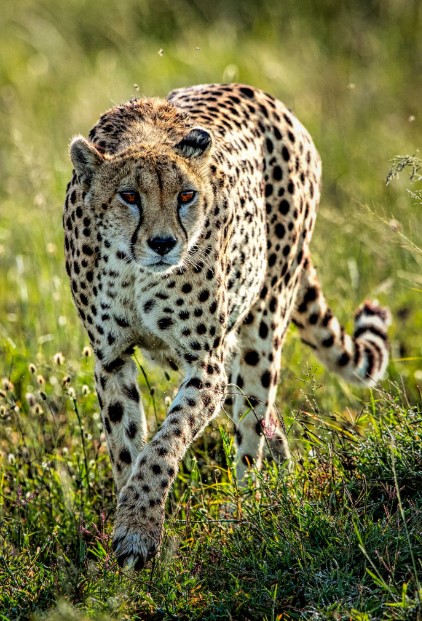
Thousands of wildebeest calves may be born within a relatively short period. The newborn animals attract predators, including lions, cheetahs, hyenas, and jackals.
This is an excellent season for:
As the rains continue, the herds gradually move toward the central and western areas of the ecosystem. The park is often greener, and visitor numbers can be lower than during the busiest months.
Rain showers are possible, but they are frequently followed by clear skies and beautiful light. Travelers who accept flexible weather conditions may enjoy excellent value and less crowded sightings.
The migrating animals generally continue toward the western corridor. Depending on rainfall, crossings may occur along the Grumeti River and surrounding channels.
The Grumeti crossings are different from the famous Mara River crossings, but they can still be dramatic. Large crocodiles inhabit the river, while predators follow the herds through the area.
During the dry season, many herds reach northern Serengeti and the wider Mara ecosystem. This is the best-known period for possible Mara River crossings.
A crossing can begin unexpectedly and may last only a short time. Travelers should ideally spend several nights in northern Serengeti to improve their chances.
The northern Serengeti is generally reached on a private safari or by scheduled bush flight. Standard shared camping routes usually remain in central Serengeti because of the considerable travel distance.
When the short rains begin, the herds start moving from northern areas toward central and southern Serengeti. Their precise route varies from year to year.
This transitional period can offer impressive concentrations of animals, fresh landscapes, and fewer visitors in some locations.
Yes. Serengeti National Park provides outstanding wildlife viewing throughout the year.
The park has many resident animals that do not follow the complete migration route. Lions, leopards, elephants, giraffes, buffaloes, hippos, crocodiles, warthogs, and numerous antelope species can be seen during different seasons.
Central Serengeti, particularly the Seronera region, is popular for year-round wildlife viewing. Its permanent water sources attract animals even when the migrating herds are elsewhere.
Travelers should not judge the quality of a safari only by whether they witness a river crossing. A quiet leopard sighting, a lion pride interacting with cubs, or elephants walking across the plains can be equally unforgettable.
The Serengeti is home to an extraordinary variety of animals. Common and possible sightings include:
Black rhinos live within the wider Serengeti ecosystem, but sightings are uncommon. Travelers hoping to complete the Big Five often combine Serengeti with Ngorongoro Crater, where there may be a better chance of seeing a black rhino from a distance.
The Serengeti is also an outstanding birding destination, with hundreds of resident and migratory bird species.
Choosing the right area depends on your dates, interests, budget, and available time.
Central Serengeti is the most accessible and reliable region for year-round safaris. Its rivers, woodland, grassland, and kopjes support abundant resident wildlife.
It is particularly suitable for:
The southern plains and Ndutu area are best known for the migration and calving season between approximately December and March.
Ndutu lies mainly within the Ngorongoro Conservation Area, although the migration moves freely across administrative boundaries. Safari planning should therefore consider both park locations and accommodation availability.
The western corridor is associated with migration movements around May, June, and early July. The region features the Grumeti River, woodland, and open plains.
Because it is farther from the standard central route, travelers should allow enough time or consider flying.
Northern Serengeti is renowned for the Mara River, beautiful scenery, and seasonal migration activity from roughly July to October.
It is remote, peaceful, and rewarding, but reaching it by road requires a longer itinerary. A private safari provides the necessary route flexibility.
The best time depends on the experience you want.
| Travel period | Typical experience |
|---|---|
| January–February | Calving season and predator activity |
| March–May | Green scenery, possible rain and fewer visitors |
| June–July | Drying landscapes and western migration movement |
| July–October | Dry season and possible northern river crossings |
| November–December | Short rains and southward herd movement |
The dry season is popular because vegetation is thinner and animals frequently gather around water. However, popular wildlife areas can become busy.
The green season offers lush scenery, dramatic skies, excellent birdlife, and attractive photography conditions. Some remote roads may become challenging after heavy rain, but professional guides adjust routes according to local conditions.
A minimum of two nights is recommended, although three or more nights usually creates a better experience.
With only one night, a significant part of the itinerary may be spent entering and leaving the park. Two nights provide more game-drive time, while three nights allow travelers to explore at a more comfortable pace.
Suggested durations include:
The total Tanzania safari should normally be longer than the time spent in the Serengeti because many travelers also visit Ngorongoro Crater and Tarangire National Park.
Day 1: Arusha to Serengeti
Depart Arusha early and travel through the Ngorongoro highlands to Serengeti National Park. Enjoy an afternoon game drive before dinner and overnight.
Day 2: Serengeti to Ngorongoro Area
Begin with an early Serengeti game drive. Continue exploring before traveling toward the Ngorongoro Conservation Area for an overnight stay.
Day 3: Ngorongoro Crater to Arusha
Descend into Ngorongoro Crater for a game drive. After lunch, return to Arusha in the late afternoon or early evening.
This is one of the most popular itineraries because it combines three distinctive wildlife destinations.
The additional full day in Serengeti gives travelers more time to follow wildlife and enjoy unhurried sightings.
A longer private safari may combine Tarangire, central Serengeti, a seasonal migration region, and Ngorongoro Crater. The exact route should be designed according to the travel month.
Serengeti accommodation ranges from public camping to exclusive luxury lodges.
Public camping offers an adventurous and affordable experience. A standard camping safari normally includes tents, mattresses, sleeping bags, meals, a professional safari guide, and a cook.
Bathrooms and showers are shared. Facilities are simple, but sleeping in the national park brings guests close to the sounds of nature.
Tented camps combine the atmosphere of camping with greater comfort. Rooms usually have proper beds, private bathrooms, and furnished sitting areas.
Some camps are permanent, while others are seasonal or mobile. Mobile camps may relocate to remain near anticipated migration areas.
Lodges are built with permanent structures and commonly include private rooms, restaurants, lounges, and landscaped surroundings. They are suitable for families and travelers who prefer conventional hotel-style comfort.
Luxury camps offer premium service, spacious suites, high-quality meals, beautiful locations, and personalized hospitality. Some provide private plunge pools or exclusive activities.
Luxury does not eliminate the wilderness atmosphere. Many high-end Serengeti properties are designed to blend into the natural environment.
The cost of a Serengeti adventure depends on:
Budget camping and shared departures are normally the least expensive options. Private mid-range and luxury safaris cost more but provide additional privacy, comfort, and flexibility.
When comparing safari quotations, check what is included. A lower initial price may exclude transfers, drinks, accommodation, park fees, or domestic flights.
A properly prepared package commonly includes:
International flights, visas, insurance, tips, alcoholic drinks, and optional activities are frequently excluded unless clearly stated.
Most game drives are conducted in specially prepared 4x4 Land Cruisers with pop-up roofs. The open roof provides clear views while allowing guests to stand safely during sightings.
A game-drive day may begin before sunrise, especially when guests want to observe predators while they are active. Other days can begin between 7:00 and 8:00 a.m., depending on the itinerary.
Guests may return to camp for lunch or carry a picnic lunch and spend the full day exploring. Full-day game drives are useful when wildlife is located far from the accommodation.
The guide’s experience is extremely important. Professional guides interpret animal behavior, identify tracks, understand the road network, and communicate with other guides by radio.
Patience is part of safari travel. Animals cannot be scheduled, and sometimes waiting quietly creates the most rewarding encounters.
Yes. Hot-air balloon safaris are available in selected parts of the Serengeti.
The experience usually begins before sunrise. After a safety briefing, the balloon lifts above the plains as daylight appears. Depending on the location and season, guests may see rivers, kopjes, wildlife trails, and animal herds from the air.
Ballooning is subject to weather conditions and should be reserved early, especially during high season. Weight restrictions and age requirements may apply.
A balloon safari is an optional activity and is normally not included in a standard safari price.
Yes. A Serengeti safari can be an educational and exciting family holiday.
Private safaris are usually the best option because families can control the pace of each day. Parents can request shorter game drives, rest breaks, child-friendly meals, and suitable accommodation.
Before booking, check:
Long road transfers can be tiring for younger children. Families may consider flying into or out of Serengeti or dividing the journey with an overnight stay near Tarangire or Karatu.
The Serengeti is one of Africa’s most romantic honeymoon destinations. Couples can combine private game drives with intimate tented camps, sunset drinks, special dinners, and a beach extension in Zanzibar.
A honeymoon itinerary might include:
Travelers should tell the safari operator that the trip is a honeymoon so suitable camps and special arrangements can be requested.
Pack light, practical clothing in neutral colors such as beige, brown, olive, or khaki.
Recommended items include:
Morning drives in Serengeti and Ngorongoro can feel cold, even when afternoons are warm. Dressing in layers makes it easy to adjust as temperatures change.
Soft-sided luggage is preferred, especially when using small domestic aircraft. Always check the airline’s current baggage restrictions before traveling.
Yes. A safari-and-Zanzibar combination is one of Tanzania’s most popular vacations.
Travelers can enjoy wildlife in Serengeti and then fly to Zanzibar for beaches, water activities, and relaxation. Flights may operate from Serengeti airstrips or from Arusha, Kilimanjaro, or Dar es Salaam.
A typical combination includes five to seven safari days followed by four to seven nights in Zanzibar. The trip can also be arranged in reverse, beginning with Zanzibar and flying to the mainland for the safari.
Planning a budget Ngorongoro Crater safari holiday from Arusha? Compare a crater day trip, a two-day Tarangire and Ngorongoro safari, or a…
Read articleA Tanzania safari from Zanzibar can mean a short mainland trip during your beach holiday or a complete package with flights, game…
Read articleLooking for a group Tanzania safari price from Kilipath African Safaris? A published example for our four-day shared camping safari through Tarangire,…
Read articlePair game drives on Tanzania’s mainland with a few days on Zanzibar’s coast. With Kilipath African Safaris, you can start in Arusha…
Read article

