Choosing the right Tanzania safari Serengeti operator is one of the most important steps when planning an African safari. Your tour operator organizes your itinerary, park permits, accommodations, transportation, meals and professional safari guide. The company you choose can therefore influence the comfort, safety and overall quality of your Serengeti experience.
The Serengeti is famous for its endless plains, remarkable concentration of wildlife and the Great Wildebeest Migration. Travelers visit this extraordinary ecosystem to see lions, elephants, cheetahs, leopards, giraffes, zebras, wildebeest and many other animals living freely in their natural environment.
However, a successful safari requires more than simply arriving at the park. You need a thoughtfully designed itinerary, a dependable safari vehicle, a knowledgeable guide and accommodations that match your budget and expectations. Working with an experienced local operator makes the entire journey easier and more enjoyable.
Kilipath African Safaris creates private and customized Tanzania safari experiences for couples, families, friends, honeymooners, photographers and solo travelers. Every trip can be arranged around your travel dates, preferred comfort level and wildlife interests.
Why Visit Serengeti National Park?
Serengeti National Park is one of Tanzania’s most celebrated wildlife destinations. Its name is associated with wide grasslands, dramatic predator encounters and enormous herds moving through the ecosystem.
The park covers a vast area, and each region offers a different landscape and safari experience. Some areas feature open plains where cheetahs can be seen scanning the horizon, while others contain rivers, rocky outcrops and woodland habitats used by elephants, leopards and many species of birds.
A Serengeti safari may offer opportunities to see:
- Lions resting, hunting or protecting their territory
- Leopards relaxing in acacia trees
- Cheetahs walking across the open plains
- Elephants traveling in family groups
- Wildebeest and zebra herds
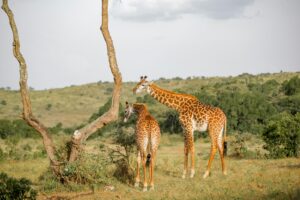
- Giraffes feeding among the trees
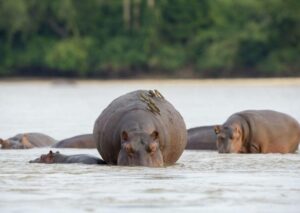
- Hippos gathered in pools
- Hyenas, jackals and smaller predators
- Crocodiles near rivers
- Colorful resident and migratory birds
Wildlife sightings cannot be guaranteed because the animals move naturally. Nevertheless, an experienced guide understands their behavior and knows which habitats are most promising at different times of the day.
Why Choose a Local Tanzania Safari Serengeti Operator?
A local operator understands Tanzania’s roads, national parks, seasonal wildlife movements and accommodation options. This local knowledge is especially valuable when designing a Serengeti itinerary because the park is extensive and driving distances can be considerable.
A dependable operator can help you:
- Select the most suitable Serengeti region
- Decide how many nights to spend inside or near the park
- Coordinate airport and hotel transfers
- Reserve lodges, tented camps or campsites
- Arrange national park permits and conservation fees
- Choose between a private and shared safari
- Connect the Serengeti with other Tanzanian destinations
- Plan domestic flights when necessary
- Prepare for seasonal weather and road conditions
Booking locally also gives travelers direct communication with the team responsible for operating the safari. Questions, dietary requests, accommodation preferences and itinerary adjustments can be handled before the trip begins.
Private Serengeti Safaris
A private safari gives you a dedicated vehicle and professional guide. The vehicle is not shared with travelers outside your booking, making this option especially suitable for couples, families, honeymooners, photographers and small groups.
Private safaris offer greater flexibility. Although national park rules and travel times must still be respected, your guide can adjust the daily experience around your interests. You may choose to spend longer observing a pride of lions, wait patiently for a leopard to move or stop frequently for photography.
A private safari normally provides:
- A dedicated 4×4 safari vehicle
- A professional driver-guide
- Flexible stops during game drives
- Personalized accommodation choices
- More control over departure times
- Space for photography equipment
- A customized itinerary
- Private airport or hotel transfers when included
Private tours can be arranged at budget, mid-range or luxury level.
Shared Serengeti Safaris
Shared group safaris are a practical choice for travelers who want to experience the Serengeti at a lower cost. Participants share the safari vehicle and operating expenses with other guests.
These tours usually follow fixed itineraries and departure schedules. Travelers should therefore check the route, accommodation type, group size and included services before booking.
A shared safari may be ideal for:
- Solo travelers
- Budget-conscious visitors
- Travelers with flexible expectations
- Guests who enjoy meeting other people
- Visitors comfortable following a fixed schedule
Private tours provide more freedom, while shared tours offer better value for travelers whose main priority is affordability.
Choosing the Right Serengeti Region
The Serengeti ecosystem is divided into several important safari areas. The best region depends on the travel month, number of available days and wildlife experience you hope to enjoy.
Central Serengeti
Central Serengeti, commonly known as Seronera, is one of the most reliable areas for wildlife viewing throughout the year. Its permanent water sources and varied habitats support resident animals even when the large migration herds are elsewhere.
The region is particularly well known for predators. Lions, leopards, cheetahs and hyenas may be encountered during game drives. Central Serengeti also has a broad selection of camps and lodges, making it suitable for first-time visitors.
Northern Serengeti
Northern Serengeti is known for rolling landscapes, lower visitor density in certain areas and seasonal wildebeest movements. During the migration period, travelers may have opportunities to witness herds approaching or crossing rivers.
A Northern Serengeti itinerary requires enough time because the region is far from the main entry points. Flying into or out of a nearby airstrip can reduce long driving hours.
Southern Serengeti and Ndutu
The southern plains and Ndutu region become especially important during the green season. Large herds often gather in this wider ecosystem when fresh grass and suitable conditions are available.
The calving season is particularly attractive to wildlife enthusiasts and photographers. Thousands of young animals may be born across the plains, while predators take advantage of the abundance of prey.
Because animal movement depends on rainfall, exact herd locations can change from one year to another.
Western Corridor
The Western Corridor contains woodland, grassland and river habitats. During the appropriate migration period, wildebeest herds may move through this section of the ecosystem.
The area offers a different atmosphere from the open plains of central and southern Serengeti. It can be an excellent addition for travelers with a longer itinerary.
Understanding the Great Wildebeest Migration
The Great Migration is a continuous natural movement involving wildebeest, zebras and other grazing animals. The herds travel through the Serengeti–Mara ecosystem in search of water and fresh grass.
There is no single permanent location where the migration can always be found. Its timing and direction are influenced by rainfall, grazing conditions and natural animal behavior.
A responsible Tanzania safari Serengeti operator should explain that migration sightings and river crossings cannot be guaranteed. An operator can select the most suitable region for your travel period, but nature determines what happens during each game drive.
A simplified seasonal pattern may include:
- Southern plains and Ndutu during the green and calving season
- Movement through central and western areas as conditions change
- Northern Serengeti during part of the dry-season migration
- A gradual return toward the southern ecosystem later in the cycle
Travelers interested in the migration should share their dates before the itinerary is prepared. The operator can then recommend the most logical region and number of nights.
How Many Days Do You Need in Serengeti?
A minimum of two nights is generally recommended for a meaningful Serengeti experience, especially when entering the park by road. One night may be possible within a shorter itinerary, but much of the available time can be spent traveling.
Two or three nights allow more opportunities for morning and afternoon game drives. Longer stays are helpful for photographers, migration-focused travelers and visitors exploring remote Serengeti regions.
Possible safari lengths include:
Three-Day Safari
A three-day itinerary may combine Serengeti and Ngorongoro Crater. It is suitable for travelers with limited time, although the schedule can involve substantial driving.
Four-Day Safari
Four days can combine Serengeti, Ngorongoro and another northern park. This is a popular option for travelers looking for a short but varied wildlife experience.
Five-Day Safari
Five days provide a more balanced pace and can include Tarangire, Serengeti and Ngorongoro Crater. Depending on the route, Lake Manyara may also be included.
Six- or Seven-Day Safari
A longer itinerary provides more time for game drives, relaxation and exploration. It is especially useful when visiting Northern Serengeti, adding cultural experiences or selecting more than one Serengeti region.
Destinations to Combine With Serengeti
A Serengeti safari can be combined with several outstanding Tanzanian destinations.
Ngorongoro Crater
Ngorongoro Crater is one of the most popular additions to a Serengeti itinerary. Travelers descend to the crater floor for a game drive through grassland, woodland, wetland and lake habitats.
The crater supports a high concentration of animals in a relatively compact area. Possible sightings include lions, elephants, buffaloes, zebras, wildebeest, hippos and, with good fortune, black rhinos.
Tarangire National Park
Tarangire is famous for its baobab trees, varied landscapes and elephant populations. It is conveniently located along Tanzania’s northern safari circuit and is often visited at the beginning or end of a Serengeti itinerary.
Lake Manyara National Park
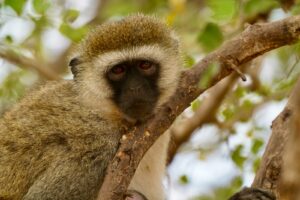
Lake Manyara offers forest, woodland, wetland and lakeshore environments. The park can provide sightings of monkeys, giraffes, elephants, hippos and numerous bird species.
Zanzibar
After several days of game drives, travelers can fly to Zanzibar for a beach holiday. A safari-and-Zanzibar itinerary combines wildlife, culture, relaxation and Indian Ocean scenery.
Mount Kilimanjaro
Travelers seeking an active adventure can combine a safari with a Kilimanjaro climb or day hike. Full summit programs require several additional days and careful physical preparation.
Serengeti Accommodation Options
The Serengeti offers accommodation for different budgets and travel styles.
Public Camping
Camping is generally the most economical way to stay in or near the park. Guests sleep in tents and use shared campsite facilities. Depending on the package, camping equipment, meals and the services of a safari chef may be included.
This option provides a close-to-nature experience, but travelers should be comfortable with basic facilities.
Budget Lodges and Tented Camps
Budget properties provide essential comfort without the higher cost of premium camps. Facilities vary, so travelers should confirm whether the room has a private bathroom, electricity, hot water and Wi-Fi.
Mid-Range Tented Camps
Mid-range tented camps are popular because they combine comfort with an authentic safari atmosphere. Rooms are normally built beneath canvas but may include proper beds, private bathrooms and furnished sitting areas.
Luxury Camps and Lodges
Luxury Serengeti properties focus on excellent locations, personalized service, stylish rooms and high-quality dining. Some camps provide views across the plains, private verandas and additional services.
Mobile Migration Camps
Mobile or seasonal camps are positioned to provide access to particular regions during important wildlife periods. They are an attractive choice for travelers whose priority is the Great Migration.
The best property is not always the most expensive one. Location can strongly affect daily driving time and access to the wildlife areas you want to explore.
What Is Included in a Serengeti Safari?
Inclusions vary between operators and packages. Before paying a deposit, request a detailed written quotation.
A comprehensive safari package may include:
- Private or shared 4×4 safari transportation
- Professional English-speaking driver-guide
- National park entrance fees
- Ngorongoro conservation and crater fees when applicable
- Accommodation stated in the itinerary
- Meals during the safari
- Drinking water in the vehicle
- Game drives
- Airport or hotel transfers listed in the quotation
- Government taxes and operating charges
- Camping equipment and safari chef for camping packages
Items commonly excluded may include:
- International flights
- Tanzania visa charges
- Travel insurance
- Personal purchases
- Alcoholic beverages
- Tips for guides and camp staff
- Optional activities
- Vaccinations and medical expenses
- Services not listed in the itinerary
Never assume that an item is included simply because another company includes it. Compare quotations line by line.
How to Identify a Reliable Serengeti Operator
Price is important, but it should not be the only deciding factor. A reliable operator should communicate clearly and provide enough information for you to understand what you are purchasing.
Look for the following qualities:
Clear Itinerary
The itinerary should identify the destinations, accommodations, planned activities and approximate route. It should also explain where the safari begins and ends.
Transparent Pricing
The quotation should show the total price and important inclusions and exclusions. Ask whether the price is per person or for the entire group.
Professional Communication
A dependable consultant should answer questions directly, explain logistical challenges and avoid making unrealistic wildlife guarantees.
Suitable Safari Vehicle
Long game drives require a dependable vehicle. Ask whether the tour uses a 4×4 Land Cruiser with a viewing roof and charging facilities.
Knowledgeable Guides
A good guide does much more than drive. Guides interpret animal behavior, identify wildlife, explain the ecosystem and position the vehicle responsibly.
Secure Payment Process
Request a formal invoice and use the payment method specified by the company. Confirm the deposit amount, outstanding balance and cancellation conditions in writing.
Realistic Promises
Wild animals and migration events cannot be controlled. Be cautious when a company guarantees specific sightings or river crossings.
Questions to Ask Before Booking
Before choosing a Tanzania safari Serengeti operator, ask:
- Is this a private or shared safari?
- How many people will travel in the vehicle?
- Which Serengeti region will we visit?
- How many nights will we spend in Serengeti?
- Which accommodations are included?
- Do all rooms have private bathrooms?
- Are park and conservation fees included?
- Are airport transfers included?
- What meals and drinks are provided?
- Which vehicle will be used?
- What happens if a listed lodge becomes unavailable?
- How much deposit is required?
- When is the remaining balance due?
- What is the cancellation policy?
- Are domestic flights included?
- Can dietary requirements be accommodated?
- Are there any compulsory additional charges?
The answers make it easier to compare operators fairly.
Safari Vehicles and Comfort
Most Serengeti road safaris use specially prepared 4×4 Land Cruisers. A raised or pop-up roof allows guests to stand safely while observing and photographing wildlife.
Depending on the vehicle, facilities may include:
- Individual window seating
- Charging sockets or USB ports
- A cooler or small refrigerator
- Radio communication
- First-aid equipment
- Seatbelts
- Storage space
- Binoculars for shared use
Roads inside the parks can be dusty, muddy or uneven. This is a normal part of safari travel. Guests with back problems, mobility limitations or motion sensitivity should inform the operator before booking.
The Importance of a Professional Safari Guide
The guide is central to the safari experience. An excellent guide understands wildlife behavior, road conditions, park regulations and guest safety.
Guides also communicate with other safari professionals to learn about wildlife activity while avoiding irresponsible crowding. They know when to wait patiently and when to move to another area.
For photographers, a patient guide can help position the vehicle with consideration for lighting and animal movement. Families may appreciate a guide who explains wildlife in a friendly, engaging way for children.
Private tours may also be arranged with guides who speak languages other than English, subject to availability.
Best Time for a Serengeti Safari
The Serengeti can be visited throughout the year, but every season has distinct advantages.
Dry Season
The dry season often provides easier road conditions and excellent general wildlife viewing. Animals may gather near permanent water sources, and the thinner vegetation can improve visibility.
It is also a popular travel period, so accommodations should be booked early.
Green Season
The green season transforms parts of the ecosystem into lush landscapes. Travelers may enjoy beautiful photography, dramatic skies, young animals and excellent birdwatching.
Short or localized rain does not necessarily prevent game drives. However, road conditions and wildlife distribution can change.
Migration-Focused Travel
If the Great Migration is your priority, select the Serengeti region according to your travel month. Keep in mind that rainfall can change the timing of herd movements.
Serengeti Safari for Couples and Honeymooners
The Serengeti is a memorable destination for couples. A private vehicle provides privacy and allows the daily schedule to feel more personal.
A honeymoon safari can include:
- Romantic tented accommodation
- Private game drives
- A celebratory room arrangement
- Bush meals where available
- A hot-air balloon safari
- A Zanzibar beach extension
Special arrangements should be requested early, especially during busy travel periods.
Family Serengeti Safaris
Families can enjoy the Serengeti with careful planning. The itinerary should consider the children’s ages, interests and tolerance for long drives.
Families may benefit from:
- A private vehicle
- Shorter driving periods
- Family rooms or connecting tents
- Lodges with swimming pools
- Flexible meal times
- An engaging family-friendly guide
- Extra rest periods
Parents should ask about accommodation age restrictions and any additional safety rules.
Serengeti Photography Safaris
Wildlife photographers often need more time than general sightseeing visitors. A private safari is usually the best option because it gives the group greater control over positioning and the length of each sighting.
Photography-focused travelers should consider:
- Spending at least three nights in Serengeti
- Carrying spare batteries and memory cards
- Bringing dust protection for equipment
- Requesting charging facilities
- Using beanbags for camera support
- Discussing preferred subjects with the guide
- Limiting the number of photographers in the vehicle
No guide can control an animal’s behavior, but patience and thoughtful positioning can greatly improve photographic opportunities.
Responsible Safari Travel
Responsible tourism helps protect Tanzania’s wildlife and natural environment.
Travelers should:
- Follow the guide’s safety instructions
- Never feed wild animals
- Avoid shouting during sightings
- Keep an appropriate distance from wildlife
- Remain inside the vehicle unless the guide confirms it is safe
- Avoid leaving waste in the park
- Respect local communities and traditions
- Follow all national park regulations
A responsible operator should prioritize wildlife welfare over aggressive positioning or close approaches.
Preparing for Your Serengeti Safari
Useful items include:
- Neutral-colored, comfortable clothing
- A warm jacket for early mornings
- Comfortable closed shoes
- Sun hat and sunglasses
- Sunscreen
- Insect repellent
- Camera and charging equipment
- Personal medication
- Small day bag
- Reusable water bottle
- Travel documents
- Binoculars if preferred
- Light rain jacket during wetter periods
Soft-sided luggage is often easier to transport, particularly when using small domestic aircraft.
Why Book With Kilipath African Safaris?
Kilipath African Safaris designs Tanzania itineraries around each traveler’s interests, dates and budget. Our safari team can arrange private wildlife tours, group adventures, camping safaris, mid-range lodge experiences, luxury journeys and safari extensions to Zanzibar or Mount Kilimanjaro.
We can assist with:
- Customized Serengeti itineraries
- Private 4×4 safari vehicles
- Professional local guides
- Camping, mid-range and luxury accommodations
- Great Migration safari planning
- Honeymoon and family safaris
- Airport and hotel transfers
- Domestic flight coordination
- Dietary and special travel requests
- Safari and Zanzibar combinations
Our goal is to provide clear information before booking and dependable assistance throughout the journey.
Plan Your Serengeti Safari
A carefully selected Tanzania safari Serengeti operator can transform a complicated travel plan into a smooth and memorable experience. The right company will help you select the best route, reserve suitable accommodations, arrange reliable transportation and provide a knowledgeable guide.
Whether you want an affordable camping safari, a comfortable mid-range journey, a private honeymoon or a luxury Great Migration adventure, your itinerary should reflect your interests and available time.
Contact Kilipath African Safaris with your travel dates, number of travelers and preferred accommodation level. Our safari specialists will prepare a personalized Serengeti itinerary and quotation for your Tanzania adventure.