Planning a Tanzania safari in Serengeti National Park is the first step toward experiencing one of Africa’s most extraordinary wildlife destinations. Famous for its endless plains, abundant predators and the Great Wildebeest Migration, the Serengeti offers exceptional game viewing throughout the year.
However, organizing the right safari involves more than selecting travel dates and booking accommodation. Travelers must consider the season, wildlife movements, number of safari days, transportation, preferred accommodation standard and whether to choose a private or shared safari.
At Kilipath African Safaris, we create personalized Serengeti safari experiences for solo travelers, couples, families, friends, photographers and private groups. Whether you want an affordable camping safari, a comfortable mid-range journey or an exclusive luxury adventure, our local team will help you plan every detail.
This complete Tanzania safari Serengeti planning guide explains everything you need to know before booking your journey.
Why Visit Serengeti National Park?
Serengeti National Park is one of Tanzania’s most celebrated wildlife areas and an essential destination on the Northern Safari Circuit. Its name comes from the Maasai word “Siringet,” commonly translated as “the place where the land runs on forever.”
The park covers approximately 14,750 square kilometers of open grasslands, woodland, river valleys and rocky kopjes. These diverse environments support an extraordinary variety of animals and birds.
Visitors can encounter:
- Lions
- Leopards
- Cheetahs
- Elephants
- Giraffes
- Buffaloes
- Hippos
- Crocodiles
- Spotted hyenas
- Jackals
- Warthogs
- Zebras
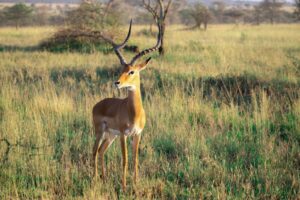
- Gazelles
- Wildebeest
- More than 500 recorded bird species
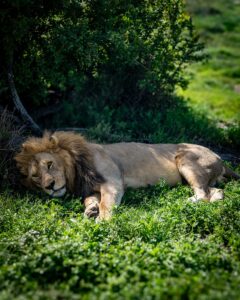
The Serengeti is also home to one of the largest lion populations in Africa. Its open plains make it easier to observe predators hunting, resting or caring for their young.
Every game drive is different. One morning might begin with elephants moving quietly across the woodland, while the afternoon could bring an encounter with lions resting on a granite kopje or cheetahs watching the plains from a termite mound.
The Great Wildebeest Migration
The Great Wildebeest Migration is one of the main reasons travelers plan a safari to the Serengeti. Approximately two million wildebeest, zebras and gazelles move through the Serengeti–Mara ecosystem in search of fresh grass and water.
The migration is a continuous natural cycle rather than a single event. Its exact timing depends on seasonal rainfall, so wildlife movement can vary from year to year.
December to March: Southern Serengeti and Ndutu
During this period, large herds gather across the nutrient-rich plains of the Southern Serengeti and Ndutu region. The calving season generally peaks between late January and February.
Thousands of wildebeest calves may be born within a relatively short period. The concentration of vulnerable young animals also attracts lions, cheetahs, hyenas and other predators.
This season is excellent for:
- Calving-season photography
- Predator sightings
- Large herds on open plains
- Family-oriented wildlife experiences
- Travelers who prefer green landscapes
Ndutu is normally included in a private safari because standard shared safari routes generally remain within Central Serengeti.
April to May: Central and Western Movement
As rainfall patterns change, the herds begin moving northwest through Central Serengeti toward the Western Corridor.
The landscape is usually green, and visitor numbers can be lower than during the main peak seasons. Although some roads can become muddy, this period can offer excellent value and rewarding wildlife viewing.
May to June: Western Corridor
The migrating herds often gather around the Grumeti River and surrounding plains. This area is known for large crocodiles and dramatic wildlife activity.
Travelers interested in the Western Corridor should consider a private itinerary because reaching particular migration areas requires flexibility.
July to October: Northern Serengeti
From July through October, many herds move into Northern Serengeti and toward Kenya’s Maasai Mara. This is the season associated with the famous Mara River crossings.
River crossings cannot be scheduled or guaranteed. The animals decide when and where to cross, and travelers may need patience. Staying at least two or three nights in Northern Serengeti provides a better opportunity to observe migration activity.
August and September are especially popular months, so early booking is strongly recommended.
November: Return Toward the South
Short rains encourage the herds to begin moving southward again. Their route may pass through eastern or central parts of the Serengeti before they return to the southern plains.
This transitional period can provide excellent game viewing with fewer visitors in some areas.
What Is the Best Time to Visit the Serengeti?
Serengeti National Park is a year-round safari destination. The best time depends on the experience you want.
June to October
These are generally the driest months. Wildlife often gathers near rivers and permanent water sources, while shorter grass can make animals easier to spot.
July through October is particularly suitable for travelers interested in Northern Serengeti and the Mara River migration season.
December to March
This is an excellent period for visiting Ndutu and Southern Serengeti. The green plains, newborn animals and high predator activity create outstanding photographic opportunities.
April and May
These months usually receive heavier rainfall. Visitor numbers and some accommodation rates may be lower, but travelers should prepare for occasional muddy roads and afternoon showers.
Rain does not normally continue all day. The landscape becomes beautifully green, and wildlife remains present.
November
November commonly brings short rains. Conditions can still be excellent for safari travel, and the park may feel less crowded than during the peak migration months.
How Many Days Do You Need in the Serengeti?
A minimum of two nights in the Serengeti is recommended. Three or four nights provide a more relaxed experience and allow travelers to explore different areas.
Two Nights
Two nights are suitable for a short Northern Circuit safari that also includes Tarangire and Ngorongoro Crater. Travel time is considerable, so the itinerary will be relatively active.
Three Nights
Three nights allow more time for wildlife viewing and reduce the pressure to rush between destinations. This is a good option for first-time safari travelers.
Four or More Nights
Four or more nights are ideal for photographers, migration-focused visitors and travelers who want to explore both Central and Northern or Southern Serengeti.
A longer stay increases the opportunity to observe different animals and natural behaviors. It also provides flexibility if weather or wildlife movement changes.
Suggested Serengeti Safari Itineraries
Four-Day Serengeti and Ngorongoro Safari
Day 1: Arusha to Serengeti National Park
Leave Arusha after breakfast and travel through the Ngorongoro Conservation Area toward Serengeti National Park. Enjoy wildlife viewing along the way before arriving in Central Serengeti.
Day 2: Full-Day Serengeti Game Drive
Spend the day exploring the Seronera Valley and surrounding plains. Search for lions, leopards, cheetahs, elephants, giraffes and large herbivore herds.
Day 3: Serengeti to Ngorongoro Area
Enjoy a morning game drive before traveling toward Ngorongoro. Depending on your accommodation, spend the night near the crater rim or in Karatu.
Day 4: Ngorongoro Crater to Arusha
Descend into Ngorongoro Crater for a game drive. After lunch, return to Arusha or continue to the airport.
Five-Day Northern Tanzania Safari
Day 1: Arusha to Tarangire National Park
Day 2: Tarangire or Karatu to Serengeti
Day 3: Full-day Serengeti game drive
Day 4: Serengeti to Ngorongoro area
Day 5: Ngorongoro Crater and return to Arusha
This is one of the best itineraries for travelers with limited time. It combines the elephant herds of Tarangire, the open plains of Serengeti and the concentrated wildlife of Ngorongoro Crater.
Six-Day Serengeti Safari
Day 1: Arusha to Tarangire
Day 2: Tarangire to Serengeti
Day 3: Full-day Central Serengeti
Day 4: Additional Serengeti game drive
Day 5: Serengeti to Ngorongoro
Day 6: Ngorongoro Crater and return to Arusha
The additional Serengeti day offers a more comfortable pace and greater wildlife-viewing flexibility.
Seven-Day Migration Safari
A migration-focused itinerary can include:
Day 1: Arrival in Arusha
Day 2: Tarangire National Park
Day 3: Travel to Central Serengeti
Day 4: Central Serengeti
Day 5: Northern Serengeti or Ndutu
Day 6: Migration region game drive
Day 7: Flight to Arusha or Zanzibar
The exact routing should be adjusted according to the month. Northern Serengeti is normally recommended from July through October, while Ndutu is more suitable from December through March.
Central Serengeti
Central Serengeti, particularly the Seronera Valley, is known for reliable year-round wildlife viewing. Permanent water sources support animals even when migrating herds have moved to another part of the ecosystem.
The region is especially well known for:
- Lions
- Leopards
- Cheetahs
- Elephants
- Hippos
- Giraffes
- Spotted hyenas
- Large resident herbivore populations
Central Serengeti is accessible by road from Ngorongoro and by scheduled flight from Arusha, Kilimanjaro or Zanzibar.
Because of its central location and consistent wildlife, Seronera is included in most first-time Serengeti itineraries.
Northern Serengeti
Northern Serengeti has rolling hills, woodland and river systems. It is considerably quieter than many areas of Central Serengeti outside the migration season.
Between July and October, travelers visit this region hoping to witness the herds approaching or crossing the Mara River.
A well-designed Northern Serengeti safari should include at least two nights in the area. One night is usually insufficient because wildlife movement is unpredictable and travel distances are long.
Private safaris are the best option for Northern Serengeti because they provide the flexibility required to follow migration reports and spend more time at promising wildlife locations.
Southern Serengeti and Ndutu
The Southern Serengeti and Ndutu region is most rewarding from December through March. Seasonal rains create fresh grass that attracts enormous numbers of wildebeest and zebras.
The open landscape is excellent for photography. Cheetahs frequently use termite mounds and elevated areas to scan the plains, while lions and hyenas follow the herds.
Ndutu lies within the Ngorongoro Conservation Area, close to the Serengeti boundary. Camps in this region are often seasonal and should be reserved early for January and February.
Western Serengeti
The Western Corridor extends toward Lake Victoria and includes the Grumeti River. It becomes particularly important when migration herds move through the region from approximately May to July.
This area features woodland, open plains and river habitats. Resident wildlife remains present beyond the migration period, although the region receives fewer visitors than Central Serengeti.
Private Versus Shared Serengeti Safari
Choosing between a private and shared safari is an important part of Tanzania safari Serengeti planning.
Private Safari
A private safari provides a dedicated vehicle and guide for your party. You can travel at your own pace and adapt game drives to your interests.
A private safari is particularly suitable for:
- Families with children
- Couples and honeymooners
- Photographers
- Groups of friends
- Travelers visiting Northern Serengeti or Ndutu
- Guests who require specialized language guides
- Travelers seeking greater comfort and flexibility
Private tours can be arranged with English-, French-, Spanish-, Italian- or German-speaking guides, subject to availability.
Shared Group Safari
A shared safari allows travelers to divide vehicle and operational expenses with other guests. It is an affordable option for solo travelers, couples and small groups.
Kilipath African Safaris generally operates shared safaris with a maximum of seven travelers in a specially prepared 4×4 Land Cruiser. Every traveler receives a window seat.
Shared safaris follow a scheduled route and fixed itinerary. They commonly visit Tarangire, Central Serengeti, Ngorongoro Crater and, on some itineraries, Lake Manyara.
Northern Serengeti and Ndutu are usually unavailable on standard shared routes because these areas require longer distances and flexible planning.
Camping, Mid-Range or Luxury Accommodation
Your accommodation choice significantly affects the total safari price and overall experience.
Budget Camping
Camping is the most affordable way to visit the Serengeti. Guests stay at public campsites in or near the national parks.
Camping packages normally provide:
- A safari tent
- Mattress
- Sleeping bag
- Pillow
- Camping equipment
- Meals prepared by a safari chef
- Shared toilet and shower facilities
Camping provides a close connection to nature. Guests can hear the sounds of the park at night while staying under the supervision of experienced safari staff.
Mid-Range Accommodation
Mid-range safaris use comfortable lodges or tented camps with private bathrooms, proper beds and restaurant facilities.
This category offers an excellent balance between price and comfort. Many tented camps provide warm showers, charging facilities, dining areas and views over the surrounding landscape.
Luxury Accommodation
Luxury safaris feature high-end lodges and exclusive tented camps. Facilities may include spacious suites, swimming pools, private decks, premium dining and personalized services.
Some luxury properties are located in remote areas that offer greater privacy and fewer vehicles.
Mobile Migration Camps
Mobile and seasonal camps are positioned near important migration areas. These are especially useful in Northern Serengeti or Ndutu.
Although called “tented camps,” many provide comfortable beds, private bathrooms, quality meals and professional hospitality.
Road Safari or Fly-In Safari?
Road Safari
A road safari normally begins in Arusha or Moshi. Travelers drive through destinations such as Tarangire, Lake Manyara and Ngorongoro before reaching Serengeti.
The advantages include:
- Seeing changing landscapes
- Visiting several parks
- Lower costs than some fly-in arrangements
- Traveling continuously with the same guide
- Greater luggage flexibility
The journey from the Karatu or Ngorongoro area to Central Serengeti can take several hours, but wildlife viewing often begins along the route.
Fly-In Safari
Scheduled light aircraft operate between Arusha, Kilimanjaro, Zanzibar and Serengeti airstrips.
A fly-in safari reduces road travel and is ideal for:
- Short holidays
- Zanzibar beach visitors
- Luxury travelers
- Northern Serengeti itineraries
- Guests who prefer a more relaxed journey
Flights may land at Seronera, Kogatende, Ndutu, Grumeti or other airstrips, depending on the season and itinerary.
Light aircraft usually have stricter luggage limits. Soft-sided travel bags are recommended.
Serengeti Safari from Zanzibar
Combining Zanzibar and Serengeti is one of Tanzania’s most popular holiday experiences. Travelers can enjoy a wildlife safari followed by a relaxing beach stay or visit Zanzibar before beginning the safari.
Direct and connecting domestic flights operate between Zanzibar and different Serengeti airstrips.
Possible options include:
- Zanzibar to Seronera
- Zanzibar to Arusha, followed by a road safari
- Serengeti to Zanzibar after completing the safari
- Zanzibar to Northern Serengeti during migration season
A three-day fly-in safari from Zanzibar can provide two nights in Serengeti, but four or five days offer a more complete experience.
When comparing packages, confirm whether the quotation includes domestic flights, airport transfers, park fees, accommodation and meals.
Serengeti Safari from Arusha
Arusha is the main gateway to Tanzania’s Northern Safari Circuit. Most road safaris depart from the city early in the morning.
Travelers flying into Kilimanjaro International Airport can spend the night in Arusha before beginning their safari. This is usually more comfortable than driving directly to the park after a long international flight.
Kilipath African Safaris can arrange pickup from:
- Kilimanjaro International Airport
- Arusha Airport
- Hotels in Arusha
- Selected hotels in Moshi
- Nairobi–Arusha shuttle arrival points
What Happens During a Serengeti Game Drive?
A typical safari day begins early because wildlife is often active during the cooler morning hours.
After breakfast, your guide will prepare the vehicle and discuss the day’s plan. You may return to the lodge for lunch or carry a packed meal and spend the full day exploring.
Game-drive schedules may include:
- Early morning wildlife viewing
- A picnic breakfast or lunch
- Exploration around rivers and kopjes
- Afternoon game viewing
- Sunset return to the camp or lodge
Safari guides communicate with one another by radio to share information about wildlife sightings. However, responsible guides avoid overcrowding animals and maintain park regulations.
Wildlife is free to move naturally, so no specific sighting can be guaranteed. Experienced guides use tracks, sounds, animal behavior and knowledge of the landscape to locate wildlife.
Serengeti Safari Vehicles
A reliable safari vehicle is essential because Serengeti roads can be rough and dusty.
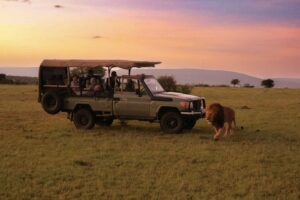
Kilipath African Safaris uses specially prepared 4×4 Toyota Land Cruisers with features such as:
- Pop-up roof for wildlife viewing
- Guaranteed window seating
- Charging sockets
- Seatbelts
- Cooler or refrigerator
- Drinking water
- First-aid equipment
- Binoculars
- Radio communication
The raised roof allows guests to stand safely while the vehicle is stopped and enjoy clear views for photography.
How Much Does a Serengeti Safari Cost?
The cost of a Serengeti safari depends on several factors:
- Number of travelers
- Private or shared vehicle
- Number of safari days
- Accommodation category
- Travel season
- Domestic flights
- Parks included
- Migration region
- Optional activities
- Airport transfers
Camping safaris are generally the most affordable. Mid-range tours provide greater comfort, while luxury and fly-in safaris have higher prices.
Private safari costs become more economical per person when several travelers share the vehicle. Solo travelers may find shared safaris more affordable.
A trustworthy quotation should clearly show what is included and excluded. Travelers should avoid selecting a package based only on the lowest advertised price because essential items such as park fees or transportation may be omitted.
What Should a Serengeti Safari Package Include?
A standard full-board safari package may include:
- Transportation in a 4×4 safari vehicle
- Professional English-speaking safari guide
- Park entrance fees
- Ngorongoro conservation and crater fees when applicable
- Accommodation
- Breakfast, lunch and dinner during the safari
- Drinking water
- Game drives
- Airport or hotel transfers as specified
- Camping equipment and safari chef for camping tours
- Government taxes
Depending on the selected package, the following may not be included:
- International flights
- Travel insurance
- Visa expenses
- Personal purchases
- Tips
- Optional activities
- Premium beverages
- Additional accommodation before or after the safari
Always review the final itinerary and inclusion list before making a deposit.
Optional Activities in Serengeti
Hot-Air Balloon Safari
A Serengeti balloon safari begins very early in the morning. Guests receive a safety briefing, fly over the landscape and normally finish with a special bush breakfast.
Balloon flights depend on weather conditions and must be booked in advance, especially during peak season.
Maasai Cultural Visit
A cultural visit can introduce travelers to Maasai traditions and community life. Choose respectful experiences that benefit local communities and allow genuine interaction.
Olduvai Gorge
Olduvai Gorge is located within the Ngorongoro Conservation Area along the route between Ngorongoro and Serengeti. It is an important archaeological location connected with research into early human history.
Walking Safari
Walking safaris are available in selected areas under the supervision of qualified guides and park authorities. They provide an opportunity to learn about plants, animal tracks and smaller details that are easy to miss from a vehicle.
Wildlife Photography Tips
Serengeti offers exceptional photography throughout the year. You do not need professional equipment to return with memorable images, but preparation helps.
Consider the following tips:
- Carry additional memory cards and batteries.
- Use a zoom lens if available.
- Protect equipment from dust.
- Avoid sudden movements near wildlife.
- Keep camera sounds low when possible.
- Ask your guide to position the vehicle safely.
- Photograph landscapes as well as animals.
- Be patient and observe animal behavior.
- Avoid blocking another guest’s view.
- Never ask the guide to drive outside permitted tracks.
Morning and late-afternoon light generally creates softer colors and attractive shadows.
What to Pack for a Serengeti Safari
Pack lightly and choose practical clothing.
Recommended items include:
- Neutral-colored shirts and trousers
- A warm jacket or fleece
- Comfortable closed shoes
- Sun hat
- Sunglasses
- Sunscreen
- Insect repellent
- Personal medication
- Camera and charger
- Power bank
- Binoculars
- Small daypack
- Reusable water bottle
- Travel documents
- Copies of insurance details
- Soft-sided travel bag
Early mornings and evenings can be cold, especially around Ngorongoro and during the dry season. Layered clothing makes it easier to adjust as temperatures change.
Avoid very bright clothing during game drives. Black and dark blue can attract tsetse flies in some areas, including parts of Tarangire.
Health and Safety
Serengeti safaris are generally safe when organized by an experienced and properly registered operator.
Follow these basic guidelines:
- Listen to your guide’s instructions.
- Do not leave the vehicle unless the guide confirms it is safe.
- Never feed or approach wildlife.
- Keep tents and lodge rooms closed.
- Store food as instructed.
- Drink enough water.
- Use sun protection.
- Consult a qualified medical professional about vaccinations and malaria precautions.
- Purchase comprehensive travel insurance.
Travel insurance should cover medical treatment, trip interruption, baggage problems and emergency evacuation where appropriate.
Traveling With Children
A Serengeti family safari can be educational and exciting. Private safaris are normally better for families because parents can control the daily pace.
When planning with children:
- Avoid excessively long driving days.
- Include regular breaks.
- Choose family-friendly accommodation.
- Ask about room arrangements.
- Carry snacks and familiar supplies.
- Consider a private vehicle.
- Plan shorter game drives for younger children.
- Confirm minimum ages for activities.
Some camps and walking activities have age restrictions, so these details should be checked before booking.
Planning a Honeymoon Safari
The Serengeti is an exceptional honeymoon destination, particularly when combined with Zanzibar.
Couples can select:
- Private game drives
- Romantic tented camps
- Bush breakfasts
- Sundowner experiences
- Balloon safaris
- Private dinners
- Luxury lodges
- Zanzibar beach extensions
Tell your safari consultant that you are celebrating a honeymoon. Depending on the accommodation, room decorations, cakes or private dinners may be arranged.
Sustainable Serengeti Travel
Responsible tourism helps protect wildlife and supports communities living near conservation areas.
Travelers can contribute by:
- Choosing locally based safari operators
- Respecting wildlife-viewing distances
- Avoiding single-use plastic
- Supporting community-owned projects
- Conserving water at camps and lodges
- Following park rules
- Never purchasing wildlife products
- Respecting local cultures
- Leaving natural objects where they are found
Kilipath African Safaris encourages responsible travel practices and works with professional local guides, accommodations and service providers.
When Should You Book?
Book as early as possible if you plan to travel during:
- July and August
- September and October
- Christmas and New Year
- January and February
- Easter holidays
Migration camps and popular lodges may fill several months in advance.
Last-minute safaris can sometimes be arranged, but accommodation choices may be limited. Early planning provides more flexibility and may help secure better flight and lodge options.
How to Choose a Serengeti Safari Operator
The safari operator you select will influence your safety, comfort and overall experience.
Before booking, consider:
- Local knowledge
- Company registration
- Clear communication
- Detailed itineraries
- Transparent prices
- Vehicle condition
- Guide experience
- Accommodation information
- Payment procedures
- Cancellation terms
- Recent traveler feedback
- Emergency support
Ask questions if any part of the itinerary is unclear. A reliable operator should explain the route, driving times, accommodation, inclusions and payment conditions before you confirm.
Why Plan With Kilipath African Safaris?
Kilipath African Safaris is a locally based Tanzanian safari company dedicated to creating well-organized and memorable journeys.
When you travel with us, you benefit from:
- Knowledgeable local safari specialists
- Professionally trained guides
- Well-maintained 4×4 Land Cruisers
- Private and shared safari choices
- Camping, mid-range and luxury options
- Customized migration itineraries
- Airport and hotel transfer assistance
- Clear package inclusions
- Guaranteed window seats on shared tours
- Support before and during your journey
We understand that every traveler has different priorities. Some visitors want to photograph the Great Migration, while others want a comfortable family safari or an affordable introduction to Tanzania’s wildlife.
Our team listens to your preferences before creating the itinerary.
Start Planning Your Serengeti Safari
A successful Serengeti safari begins with careful planning. The season determines which region may offer the best migration experience, while the number of days and accommodation category shape the pace and cost of the journey.
Send Kilipath African Safaris the following information to receive a personalized itinerary:
- Preferred travel dates
- Number of adults and children
- Number of safari days
- Accommodation preference
- Estimated budget
- Arrival and departure locations
- Private or shared safari preference
- Wildlife or migration interests
- Zanzibar extension requirements
Our safari specialists will recommend a route that matches your schedule, interests and budget.
Contact Kilipath African Safaris today and begin planning an unforgettable journey through Serengeti National Park.