Skip to content

A Tanzania safari tour Arusha vacation is one of the easiest and most rewarding ways to experience East Africa’s famous wildlife destinations. Arusha sits at the gateway to Tanzania’s Northern Safari Circuit, making it an excellent starting point for journeys to Tarangire National Park, Lake Manyara, Ngorongoro Conservation Area and the legendary Serengeti National Park.
Whether you have three days or more than a week, an Arusha-based safari can be designed around wildlife, photography, family travel, honeymoon experiences, private touring or affordable group adventures.
Tanzania’s official tourism board also promotes Arusha as a starting point for both short and multi-day safari packages to Tarangire, Ngorongoro, Lake Manyara and the Serengeti.
For travelers wondering where to start planning their first Tanzania safari, this guide covers the destinations, itineraries, seasons, accommodation, transportation, packing essentials and practical decisions that matter most.
Why Start Your Tanzania Safari Tour in Arusha?
Arusha is Tanzania’s main safari hub for the Northern Circuit.
Most international travelers either land at Kilimanjaro International Airport (JRO) or arrive through Arusha Airport after connecting from destinations such as Zanzibar or Dar es Salaam.
From Arusha, safari vehicles can easily travel toward some of Tanzania’s best-known protected areas.
A typical northern safari might include:
- Tarangire National Park
- Lake Manyara National Park
- Ngorongoro Conservation Area
- Serengeti National Park
- Arusha National Park
The Tanzania Tourism Board highlights Tarangire, Ngorongoro and Serengeti together as one of the country’s signature northern safari routes.
Starting in Arusha is particularly convenient because travelers can spend the night before departure in town, meet their safari guide and begin driving toward the parks early the next morning.
Best Destinations for an Arusha Safari Vacation
1. Tarangire National Park
Tarangire is often the first destination visited on a safari departing from Arusha.
The park is famous for its enormous baobab trees, rolling savannah, wildlife-rich river system and impressive elephant populations.
The Tanzania Tourism Board describes Tarangire as particularly associated with elephant herds, baobabs, lions, giraffes and rich birdlife.
During a game drive, travelers may encounter:
- Elephants
- Lions
- Giraffes
- Zebras
- Wildebeest
- Buffalo
- Impala
- Warthogs
- Baboons
- Numerous bird species
The Tarangire River becomes especially important during the dry season when wildlife gathers around remaining water sources.
How long should you spend in Tarangire?
One full day is enough for many safari itineraries.
Travelers with extra time can stay overnight near or inside the park and enjoy another game drive the following morning.
2. Serengeti National Park
For many travelers, Serengeti is the highlight of their entire Tanzania safari.
Its vast plains support large populations of predators and grazing animals throughout the year.
Tanzania’s official tourism site describes Serengeti as renowned for the annual movement of wildebeest and zebra across its ecosystem.
Possible wildlife sightings include:
- Lions
- Cheetahs
- Leopards
- Elephants
- Buffalo
- Giraffes
- Hippos
- Hyenas
- Wildebeest
- Zebras
- Gazelles
No safari can guarantee a particular wildlife sighting, but Serengeti offers consistently strong game viewing because of the variety of habitats and animals found throughout the ecosystem.
The Great Migration
One reason travelers choose a Tanzania safari is the possibility of witnessing parts of the Great Wildebeest Migration.
More than simply one event, the migration is an ongoing seasonal movement across the Serengeti-Mara ecosystem.
Different regions become important at different times.
Broadly, travelers commonly plan around:
December-April: Southern Serengeti and Ndutu region
May-June: Herds begin moving through central and western areas
July-October: Northern Serengeti becomes important for migrating herds and potential river crossings
Nature does not work according to an exact calendar, however. Rainfall patterns can influence the timing and distribution of wildlife.
Therefore, safari planning should focus on the most suitable region for your travel dates rather than promising a specific crossing or migration spectacle.
3. Ngorongoro Crater
Ngorongoro Crater is another major highlight of a Tanzania safari tour from Arusha.
Safari vehicles descend from the crater rim onto the floor for game viewing.
The area supports an impressive variety of wildlife within a relatively compact landscape.
You may encounter:
- Lions
- Buffalo
- Zebras
- Wildebeest
- Hippos
- Hyenas
- Gazelles
- Elephants
- Black rhino
The Tanzania Tourism Board describes Ngorongoro as one of Tanzania’s iconic wildlife destinations and highlights its crater scenery and high wildlife density.
Because animals are concentrated within a smaller area compared with the vast Serengeti, Ngorongoro can be particularly rewarding for travelers on shorter safaris.
4. Lake Manyara National Park
Lake Manyara offers a very different landscape.
Instead of endless open plains, travelers find groundwater forest, woodland, wetlands and views along the Great Rift Valley escarpment.
Wildlife may include:
- Elephants
- Baboons
- Giraffes
- Buffalo
- Hippos
- Monkeys
- Antelope
- Numerous birds
The destination has also long been associated with occasional sightings of tree-climbing lions, although wildlife behavior can never be guaranteed.
The Tanzania Tourism Board highlights Manyara for birdwatching, forest scenery, elephants and baboons.
5. Arusha National Park
Travelers with an extra day before or after their main safari can also visit Arusha National Park.
It lies relatively close to Arusha and offers landscapes very different from Serengeti or Tarangire.
Visitors can experience:
- Mount Meru scenery
- Momella Lakes
- Forest environments
- Giraffes
- Buffalo
- Monkeys
- Birdlife
- Game drives
- Walking safari opportunities in permitted areas
Official Tanzania tourism material specifically highlights Momella Lakes, Ngurdoto Crater views, wildlife and Mount Meru scenery as attractions on an Arusha National Park excursion.
This can make it an excellent choice for travelers who arrive one day early.
How Many Days Do You Need for a Tanzania Safari from Arusha?
Safari length depends primarily on your budget and desired destinations.
2-Day Tanzania Safari
A two-day safari is suitable for travelers with very limited time.
A typical program might be:
Day 1: Arusha → Tarangire National Park
Day 2: Ngorongoro Crater → Arusha
This route avoids long driving distances to Serengeti while still providing excellent wildlife opportunities.
3-Day Safari
Three days allow several possibilities.
Option One
Day 1: Arusha → Tarangire
Day 2: Ngorongoro Crater
Day 3: Lake Manyara → Arusha
Option Two
Travelers primarily interested in Serengeti may choose:
Day 1: Arusha → Serengeti
Day 2: Serengeti → Ngorongoro area
Day 3: Ngorongoro Crater → Arusha
This itinerary contains more driving but allows travelers to experience Tanzania’s two most famous safari landscapes.
4-Day Tanzania Safari Tour Arusha Vacation
Four days is one of the most popular safari lengths.
A good itinerary might be:
Day 1: Arusha to Tarangire
Depart Arusha in the morning and travel toward Tarangire.
Spend the day watching elephants, giraffes, zebras and other animals before continuing to your accommodation.
Day 2: Tarangire Area to Serengeti
Travel toward Serengeti through the highlands.
After entering Serengeti, begin an afternoon game drive.
Day 3: Serengeti to Ngorongoro
Enjoy another game drive in Serengeti before continuing toward the Ngorongoro region.
Day 4: Ngorongoro Crater to Arusha
Descend into the crater early in the morning.
After wildlife viewing and lunch, drive back to Arusha.
This route provides a strong introduction to the Northern Circuit without requiring an extremely long holiday.
5-Day Tanzania Safari from Arusha
Five days gives travelers more game-drive time and reduces the pressure to move quickly between destinations.
A common itinerary could include:
Day 1: Arusha → Tarangire
Day 2: Tarangire → Serengeti
Day 3: Full-day Serengeti
Day 4: Serengeti → Ngorongoro
Day 5: Ngorongoro Crater → Arusha
Having a full day in Serengeti is particularly valuable.
You can leave your accommodation early and explore different wildlife areas without immediately needing to drive to the next destination.
6-Day Safari
A six-day safari could combine:
- Tarangire
- Serengeti
- Ngorongoro
- Lake Manyara
Alternatively, travelers may skip Manyara and dedicate additional time to Serengeti.
For wildlife-focused travelers, photographers and honeymooners, extra Serengeti time is often worthwhile.
7-Day Tanzania Safari Vacation
Seven days provides a more relaxed pace.
For example:
Day 1
Arusha to Tarangire.
Day 2
Tarangire to Serengeti.
Day 3
Full-day Central Serengeti safari.
Day 4
Another Serengeti game drive.
Day 5
Serengeti to Ngorongoro.
Day 6
Ngorongoro Crater game drive.
Day 7
Lake Manyara and return to Arusha.
Depending on the season, a private itinerary can instead target regions associated with the migration.
Private Safari vs Shared Safari
One important decision when organizing your Tanzania safari is whether to join a shared group or book a private vehicle.
Shared Safari
A shared safari allows several travelers to split vehicle and operating expenses.
This usually makes the trip more affordable.
Shared safaris are best for:
- Solo travelers
- Backpackers
- Budget-conscious travelers
- Social travelers
- Travelers with fixed dates
However, routes and departure times are normally more fixed.
Private Safari
A private safari gives your party exclusive use of the vehicle and guide.
This offers additional flexibility.
Private safaris are particularly suitable for:
- Couples
- Honeymooners
- Families
- Photographers
- Groups of friends
- Travelers wanting specific accommodation
- Travelers targeting seasonal migration areas
With a private safari, your daily schedule can usually be adapted more easily around wildlife sightings and personal interests.
Safari Vehicles
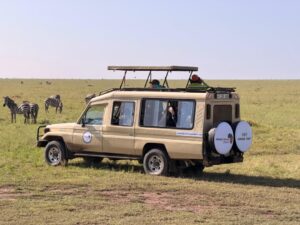
Most Northern Tanzania safaris operate using customized 4×4 Land Cruisers.
Typical safari vehicles feature a pop-up roof so travelers can stand while photographing wildlife.
Many vehicles also offer:
- Charging outlets
- Drinking water
- Cooler or refrigerator
- First-aid equipment
- Radio communication
- Binoculars depending on the operator
Official Tanzania tourism listings also describe private 4×4 safari vehicles with pop-up roofs as standard inclusions in many safari packages.
Accommodation Options
Your accommodation can significantly affect both safari cost and overall experience.
Budget Camping
Camping is generally the most affordable option.
Travelers stay at designated public campsites.
Typical arrangements may include:
- Tent
- Mattress
- Sleeping bag
- Meals prepared by a safari cook
- Shared toilets
- Shared shower facilities
Camping offers an adventurous atmosphere and allows travelers to hear the sounds of nature at night.
Mid-Range Tented Camps
Mid-range camps are extremely popular.
Although the word “tent” is used, these are usually permanent or semi-permanent safari tents containing proper beds and private bathrooms.
Many offer:
- Ensuite bathroom
- Hot shower
- Restaurant
- Lounge
- Comfortable bed
- Solar electricity
- Private veranda
They combine comfort with the feeling of staying close to nature.
Safari Lodges
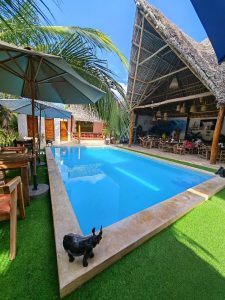
Traditional lodges may provide:
- Permanent rooms
- Swimming pools
- Restaurants
- Gardens
- Electricity
- Wi-Fi in selected areas
They are especially common around Karatu, Tarangire and the Ngorongoro highlands.
Luxury Safari Camps
Luxury camps provide a more exclusive experience.
Depending on the property, travelers may enjoy:
- Large suites
- Gourmet dining
- Premium locations
- Private decks
- Personalized service
- Swimming pools
- Sundowner experiences
A luxury Tanzania safari tour from Arusha can also include domestic flights to reduce driving time.
Best Time for a Tanzania Safari Tour from Arusha
Tanzania offers wildlife viewing throughout the year.
The best season depends on your priorities.
June to October
This is Tanzania’s main dry season.
Advantages include:
- Reduced vegetation in many areas
- Wildlife gathering around water
- Comfortable daytime safari conditions
- Excellent general game viewing
July through September is especially popular, so accommodation can become limited.
December to February
This period can also be excellent.
The southern Serengeti and Ndutu ecosystem become particularly interesting when migration herds gather in that region.
January and February are particularly popular among travelers interested in the calving period.
Private safaris are usually better when targeting migration-specific regions because routes can be adapted more easily.
March to May
These months generally include Tanzania’s main rainy season.
The landscape becomes beautifully green.
Advantages may include:
- Fewer visitors
- Dramatic scenery
- Good photography
- Potential accommodation offers
However, rain can make some roads more challenging.
November
November commonly brings short seasonal rains.
It can be an excellent time for travelers who prefer fewer visitors and fresh green landscapes.
Wildlife remains present throughout the parks.
Is Tanzania Safari Good Year-Round?
Yes.
A frequent misunderstanding is that animals disappear outside migration season.
They do not.
Many species remain resident in places such as Serengeti, Tarangire and Ngorongoro throughout the year.
Migration planning simply influences where large wildebeest herds are most likely to be concentrated.
The Tanzanian tourism authority promotes safari experiences and wildlife viewing as core year-round attractions of the country.
What Animals Can You See?
A Tanzania safari offers opportunities to see many of Africa’s best-known species.
Possible sightings include:
Lions
Serengeti and Ngorongoro are particularly famous for lion sightings.
Elephants
Tarangire is one of the best destinations on the Northern Circuit for elephants.
Leopards
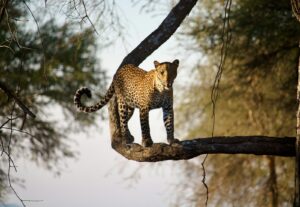
Leopards are present but can be difficult to spot because they often rest in trees or dense vegetation.
Cheetahs
Open Serengeti plains provide excellent cheetah habitat.
Buffalo
Large groups can be seen in multiple parks.
Black Rhino
Ngorongoro offers one of the better possibilities for seeing black rhino on a Northern Circuit safari, although sightings are never guaranteed.
Can You See the Big Five?
Potentially, yes.
The traditional Big Five are:
- Lion
- Leopard
- Elephant
- Buffalo
- Rhino
A combination of Serengeti and Ngorongoro provides opportunities to see all five.
However, wildlife sightings should never be promised.
Safari remains a natural experience rather than a zoo visit.
Typical Safari Day
A safari day usually begins early.
Early mornings often provide comfortable temperatures and strong wildlife activity.
You may wake around 5:30-6:00 AM, eat breakfast and begin driving soon afterward.
Some days include full-day game drives with picnic lunches.
Others involve morning game drives followed by transportation to the next destination.
Evenings are spent at the lodge, tented camp or campsite.
Safari Meals
Most multi-day safari packages operate on a full-board basis during the safari.
This generally means:
- Breakfast
- Lunch
- Dinner
Lunch may be served as a picnic or hot meal depending on itinerary arrangements.
Drinking water is also commonly supplied in safari vehicles.
Travelers should inform their safari operator in advance about dietary requirements, including:
- Vegetarian
- Vegan
- Halal
- Gluten-free preferences
- Food allergies
Tanzania Safari Cost from Arusha
Safari prices vary considerably.
There is no single correct price because several factors affect the total.
These include:
- Number of safari days
- Private vs shared vehicle
- Accommodation category
- Number of travelers
- Travel season
- Parks visited
- Domestic flights
- Special activities
Why Serengeti Safaris Cost More
Serengeti trips are generally more expensive than short Tarangire or Ngorongoro safaris.
Reasons include:
- Longer driving distance
- Additional park fees
- More nights away
- Accommodation inside or near the park
- Increased vehicle operating costs
A two-day Tarangire and Ngorongoro itinerary will therefore normally cost considerably less than a five-day Serengeti safari.
What Should a Safari Package Include?
Always check your quotation carefully.
A well-structured safari package may include:
- 4×4 safari vehicle
- Professional driver-guide
- Park entry fees
- Ngorongoro fees where applicable
- Accommodation
- Meals during safari
- Drinking water
- Game drives
- Airport or hotel transfers if specified
The Tanzania Tourism Board lists vehicles, driver-guides, park fees, game drives, meals, accommodation and transfers among the common inclusions for many official safari packages.
Common Exclusions
Frequently excluded items include:
- International flights
- Visa
- Travel insurance
- Tips
- Alcoholic drinks
- Personal purchases
- Laundry
- Optional activities
Official Tanzanian tourism package guidance similarly lists international flights, visas, insurance, gratuities and personal expenses among common exclusions.
What to Pack for an Arusha Safari Vacation
Pack lightly and practically.
Useful clothing includes:
- Lightweight shirts
- Safari trousers
- Shorts
- Comfortable closed shoes
- Fleece or sweater
- Lightweight jacket
- Hat
Ngorongoro mornings can be surprisingly cool because of the elevation.
Safari Essentials
Bring:
- Sunscreen
- Sunglasses
- Camera
- Extra batteries
- Power bank
- Binoculars
- Small backpack
- Insect repellent
- Personal medication
- Travel documents
Camera Equipment
Safari photography can be extremely rewarding.
A zoom lens is useful because travelers cannot leave the vehicle simply to approach wildlife.
A lens around the telephoto range provides additional flexibility when animals remain distant from the road.
Bring extra memory cards and batteries.
Dust protection for equipment is also useful.
Luggage
Soft-sided luggage is generally easier to fit inside safari vehicles.
Large hard-shell suitcases can become inconvenient, especially when several travelers share the same vehicle.
Travelers combining safari with Zanzibar can often leave unnecessary luggage at their Arusha hotel or with their safari company if storage is available.
If flying to Serengeti by small aircraft, always check the airline’s baggage limits before travel.
Flying into Arusha
Most international safari travelers arrive through Kilimanjaro International Airport.
From there, road transfers continue to Arusha.
Some travelers arrive through:
- Zanzibar
- Dar es Salaam
- Nairobi
Domestic flights also connect Zanzibar with Arusha or safari airstrips.
Should You Stay in Arusha Before the Safari?
Yes.
For most travelers, spending at least one night in Arusha before safari departure is recommended.
This provides time to:
- Recover from international travel
- Meet your safari company
- Review the itinerary
- Organize luggage
- Exchange money if necessary
- Begin safari early the following morning
Arriving on the same morning your safari starts can create unnecessary risk if your flight is delayed.
Arusha Activities Before or After Safari
Arusha is more than simply a departure point.
Possible activities include:
- Arusha National Park
- Local markets
- Cultural tours
- Coffee experiences
- Waterfall excursions
- Maasai cultural visits
- Mount Meru hiking
Travelers can also organize day trips toward Kilimanjaro-area attractions.
Tanzania Safari and Zanzibar Combination
One of the most popular Tanzania vacations combines wildlife and beaches.
For example:
Days 1-5
Tanzania safari from Arusha
Days 6-10
Zanzibar beach vacation
After several days of early-morning game drives, Zanzibar provides an excellent place to relax.
Travelers can enjoy:
- Beaches
- Stone Town
- Spice farms
- Snorkeling
- Diving
- Boat excursions
The Tanzania Tourism Board actively promotes combining the country’s wildlife experiences with Zanzibar and other coastal destinations.
Safari for Couples
Tanzania works particularly well for couples because safari itineraries can combine adventure and privacy.
A romantic program can include:
- Private Land Cruiser
- Luxury tented camp
- Sunset drinks
- Balloon safari
- Private dinners
- Zanzibar extension
For honeymooners, private safari arrangements usually offer the most flexibility.
Family Tanzania Safari
Families can also enjoy Tanzania safely when itineraries are designed with children in mind.
A good family safari should avoid unnecessary long driving days.
Consider:
- Private vehicle
- Lodges with family rooms
- Swimming pools
- Shorter game drives
- Rest periods
- Child-friendly guides
Parents should also check accommodation age restrictions, particularly at properties situated in unfenced wildlife areas.
Tanzania Safari for Solo Travelers
Solo travel is possible and increasingly popular.
Joining a shared safari can significantly reduce costs because transportation expenses are divided among participants.
Private safaris are also possible but usually cost more because the solo traveler carries the full vehicle cost.
Safari for Photographers
Photographers should strongly consider private safaris.
This allows more control over:
- Departure times
- Vehicle positioning
- How long you remain at sightings
- Camera equipment
- Number of passengers
Spending two or more nights in Serengeti also gives photographers more time to work with changing light.
Cultural Experiences
A Tanzania vacation can include much more than animals.
Depending on the route, travelers can add community and cultural activities.
Possible experiences include:
- Maasai village visits
- Local markets
- Coffee tours
- Cultural heritage centers
- Traditional food experiences
Tanzania’s official tourism site promotes cultural experiences alongside wildlife safaris, hiking and coastal travel.
Choose responsible programs that respect local communities and provide meaningful economic benefits.
Optional Safari Activities
Hot Air Balloon Safari
A balloon safari over Serengeti offers a completely different perspective.
Flights usually take place early in the morning.
Travelers see the landscape from above while watching sunrise over the plains.
Advance reservations are recommended.
Walking Safari
Walking safaris are permitted in selected areas with qualified guides or armed rangers according to park regulations.
Arusha National Park is particularly popular for walking experiences.
Walking allows travelers to notice smaller details easily missed from a vehicle.
Maasai Cultural Visit
A community visit may be added near Ngorongoro or other northern locations.
Ask your operator how the visit is organized and how local participants benefit.
Hot Springs and Waterfalls
Travelers spending additional days around Arusha can also visit attractions such as natural springs and waterfalls.
These activities work well before or after safari.
Driving Times
Travelers should understand that Tanzania’s Northern Circuit covers a large geographic area.
Safari is therefore partly a road journey.
Approximate travel times vary according to traffic, weather and wildlife stops.
Routes to Tarangire are relatively straightforward, while reaching central Serengeti requires significantly more driving.
The journey itself can still be enjoyable because landscapes change from towns and farmland to escarpments, highlands and open savannah.
Should You Drive or Fly to Serengeti?
Both options have advantages.
Driving
Driving is more affordable and allows travelers to experience the changing landscapes.
It works particularly well on classic circuit itineraries combining Tarangire, Ngorongoro and Serengeti.
Flying
Flying saves time.
It can be excellent for:
- Luxury travelers
- Honeymooners
- Short vacations
- Travelers arriving from Zanzibar
- Northern Serengeti itineraries
Flights commonly operate to airstrips such as Seronera and seasonal safari areas.
Is an Arusha Safari Safe?
Tourism is well established in northern Tanzania.
Professional safari guides are familiar with park conditions and wildlife behavior.
Travelers should always follow guide instructions.
Never:
- Leave the vehicle without permission
- Feed wildlife
- Walk around an unfenced camp alone at night
- Approach wild animals
- Ignore lodge safety instructions
At wildlife camps, staff may escort guests between tents and dining areas after dark.
Health Preparation
Travelers should consult an appropriate travel-health professional before departure.
Advice can depend on:
- Countries visited previously
- Trip duration
- Personal medical history
- Areas visited
Travel insurance that covers medical emergencies and trip interruptions is highly recommended.
Visa and Entry Requirements
Entry requirements can change.
Always verify the latest Tanzania immigration rules before traveling rather than relying on old blog posts.
Check:
- Passport validity
- Visa requirements
- Required supporting documentation
- Health-entry rules
Tipping Safari Guides
Tipping is customary in Tanzania’s safari industry, though exact amounts vary.
Tips may be given to:
- Safari guides
- Safari cooks
- Lodge staff
Ask your safari company for current recommended tipping guidelines.
How to Choose a Safari Company in Arusha
Choosing the right operator is important.
Look for a company that provides:
- Clear itinerary
- Transparent pricing
- Detailed inclusions
- Reliable communication
- Professional guides
- Proper safari vehicles
- Accommodation confirmation
- Emergency support
Do not choose based solely on the cheapest price.
A very low quote may exclude important park fees, transfers or accommodation services.
Questions to Ask Before Booking
Before making a payment, ask:
- Is the safari private or shared?
- Which accommodation is included?
- Are all park fees included?
- Are meals included?
- Is drinking water provided?
- Which airport transfers are included?
- What vehicle will be used?
- What is the cancellation policy?
- How much deposit is required?
- When is the remaining balance due?
- Are domestic flights included?
- Are optional activities included?
Receiving clear answers avoids misunderstandings later.
Example 5-Day Tanzania Safari Tour from Arusha
Here is a simple classic itinerary.
Day 1 – Arusha to Tarangire National Park
Meet your guide after breakfast.
Drive toward Tarangire National Park.
Enjoy game viewing among enormous baobab trees and search for elephants, giraffes, lions and other wildlife.
After the game drive, continue to your lodge or camp.
Day 2 – Tarangire Area to Serengeti
Travel through the northern highlands toward Serengeti.
Enjoy scenic views along the way.
Enter Serengeti and begin wildlife viewing as you travel toward your accommodation.
Dinner and overnight inside or near the park.
Day 3 – Full-Day Serengeti Safari
Start early.
Spend the day exploring the Serengeti ecosystem.
Depending on animal movements, your guide selects productive wildlife areas.
Look for:
- Lions
- Leopards
- Cheetahs
- Elephants
- Wildebeest
- Zebras
- Hyenas
Enjoy lunch during the game drive and continue exploring in the afternoon.
Day 4 – Serengeti to Ngorongoro
Enjoy another morning game drive.
Later, travel toward the Ngorongoro highlands.
Arrive at your lodge or campsite for dinner and overnight.
Day 5 – Ngorongoro Crater to Arusha
Begin early and descend onto the crater floor.
Search for lions, buffalo, wildebeest, zebras, hippos and possibly black rhino.
After lunch, drive back to Arusha.
Your Tanzania safari tour concludes in the late afternoon or evening depending on traffic and itinerary timing.
Why Book Your Tanzania Safari with Kilipath African Safaris?
A successful safari depends on more than simply choosing national parks.
The right itinerary needs to match:
- Your travel dates
- Your budget
- Wildlife priorities
- Accommodation preference
- Group size
- Arrival flight
- Departure arrangements
Kilipath African Safaris can arrange private and shared safari experiences departing from Arusha and customize the journey around your available time.
Options can include:
- Budget camping safaris
- Mid-range lodge safaris
- Luxury safaris
- Private family trips
- Honeymoon safaris
- Photography safaris
- Serengeti migration trips
- Zanzibar extensions
- Airport transfers
- Domestic flights
- Cultural activities
Our aim is to create an itinerary that gives travelers enough time to enjoy the parks instead of simply rushing from one destination to another.
Final Thoughts
A Tanzania safari tour Arusha vacation gives travelers access to some of Africa’s most extraordinary wildlife landscapes.
From Tarangire’s elephants and ancient baobabs to Serengeti’s enormous plains and the wildlife-rich Ngorongoro Crater, Northern Tanzania offers a remarkable variety of experiences within one safari circuit.
The best itinerary is not necessarily the one with the most destinations. It is the one that gives you enough time to enjoy wildlife, reduces unnecessary rushing and matches your travel season.
For most first-time visitors, a 4-, 5- or 6-day safari from Arusha provides an excellent balance.
If you have more time, extending your stay in Serengeti—or adding Zanzibar afterward—can transform the trip into a complete Tanzania vacation.
Plan Your Tanzania Safari with Kilipath African Safaris
Tell us:
Your travel dates, number of travelers, preferred safari length and accommodation style, and Kilipath African Safaris can help design a Tanzania safari from Arusha around your budget and wildlife interests.
From affordable shared safaris to personalized private adventures, your journey into Tanzania’s wild landscapes can begin right here in Arusha.