

Budget Ngorongoro Crater Safari Holiday
Planning a budget Ngorongoro Crater safari holiday from Arusha? Compare a crater day trip, a two-day Tarangire and Ngorongoro safari, or a…
Read articleArusha City - Tanzania
Safari & Travel Tips
September 15, 2026 · 11 min read
A Tanzania safari tour Northern Circuit holiday offers one of Africa’s most rewarding wildlife experiences. This famous route combines exceptional national parks, beautiful landscapes, diverse wildlife, and comfortable accommodation options. It is ideal for first-time safari travelers, couples, families, photographers, honeymooners, and groups of friends.
The Northern Safari Circuit normally begins in Arusha and may include Tarangire National Park, Lake Manyara National Park, Serengeti National Park, and the Ngorongoro Crater. Longer itineraries can also include Lake Natron, Ndutu, or cultural and hiking experiences near Kilimanjaro.
This guide answers the most frequently asked questions about planning a Northern Tanzania safari holiday.
| Safari detail | Information |
|---|---|
| Main starting point | Arusha |
| Popular destinations | Tarangire, Serengeti, Ngorongoro and Lake Manyara |
| Recommended duration | 4–7 days |
| Safari styles | Shared or private |
| Accommodation | Camping, mid-range lodges and luxury camps |
| Best for migration | Serengeti and Ndutu |
| Main airport | Kilimanjaro International Airport |
| Domestic airport | Arusha Airport |
| Suitable for families | Yes |
| Zanzibar extension | Available |
The Northern Circuit is Tanzania’s most famous safari region. It contains several internationally recognized wildlife destinations located within driving or flying distance of Arusha.
The principal destinations are:
Depending on the season and length of your holiday, the itinerary may also visit Ndutu, Lake Natron or the northern Serengeti.
Travelers choose this circuit because it offers an excellent balance of wildlife, scenery and accommodation. Within one holiday, you can see elephant herds beneath ancient baobab trees, explore the Serengeti plains and descend into the Ngorongoro Crater.
The Northern Circuit provides some of Tanzania’s greatest wildlife-viewing opportunities. It is particularly suitable for visitors hoping to see lions, elephants, giraffes, zebras, wildebeest, buffaloes and many other African animals.
Its main advantages include:
The destinations complement one another. Tarangire is celebrated for elephants and baobabs, while the Serengeti offers open plains and large predator populations. Ngorongoro provides concentrated wildlife inside a remarkable volcanic caldera.
Tarangire is especially famous for its large elephant population, impressive baobab trees and seasonal wildlife concentration around the Tarangire River.
Animals commonly seen include elephants, giraffes, zebras, wildebeest, impalas, buffaloes and lions. Leopards and cheetahs may also be spotted, although sightings cannot be guaranteed.
Tarangire is usually visited on the first or final day because it is approximately two hours from Arusha.
The Serengeti is the heart of many Northern Circuit holidays. Its vast grasslands support an extraordinary variety of wildlife, including lions, cheetahs, leopards, elephants, hippos, giraffes and huge herds of grazing animals.
It is also the main setting for the Great Wildebeest Migration. However, the herds move throughout the ecosystem, so their location depends on rainfall and grazing conditions.
A minimum of two days is recommended for the Serengeti because of the distance from Arusha. Longer stays allow more relaxed game drives and better opportunities for wildlife photography.
The Ngorongoro Crater is one of the most spectacular safari destinations in Tanzania. Safari vehicles descend into the caldera for a game drive across grasslands, forests, wetlands and seasonal lakes.
The crater supports lions, elephants, buffaloes, zebras, wildebeest, hippos and hyenas. It is also one of the better places in Tanzania to search for the endangered black rhinoceros, although every sighting depends on nature.
Lake Manyara offers groundwater forest, wetlands, open woodland and views of the Rift Valley escarpment. Visitors may encounter elephants, baboons, monkeys, giraffes, zebras, hippos and numerous bird species.
The park is compact and works well as part of a longer itinerary. Wildlife movements can vary because changes in the lake’s water level affect some areas.
Arusha National Park is located close to Arusha and Kilimanjaro International Airport. It is a good choice for travelers with an additional day before or after their main safari.
Activities may include game drives, canoeing and guided walking safaris. The park contains giraffes, buffaloes, zebras, antelopes, monkeys and abundant birdlife. It is not normally chosen for a classic Big Five safari but offers beautiful scenery and active experiences.
The best duration depends on the destinations you want to visit.
A three-day itinerary can combine the Serengeti and Ngorongoro Crater. It is possible, but the schedule involves considerable driving and limited time in the Serengeti.
Alternatively, travelers can visit Tarangire, Ngorongoro and Lake Manyara for a less demanding journey.
A four-day Northern Circuit safari commonly includes:
This is one of the most popular options for travelers with limited time.
Five days provide additional time in the Serengeti or allow Lake Manyara to be included. The journey is more relaxed than a three- or four-day itinerary.
A six- or seven-day holiday is recommended for travelers who want longer game drives, better photography opportunities and less rushing between destinations.
Longer itineraries can include multiple Serengeti regions, cultural visits or special seasonal areas such as Ndutu or northern Serengeti.
Northern Tanzania offers wildlife viewing throughout the year, but each season creates a different experience.
This is the dry season and one of the most popular periods for safaris. Vegetation becomes thinner, and many animals gather near permanent water sources.
From approximately July to October, travelers may search for the migration in northern Serengeti. River crossings are possible during this period but cannot be predicted or guaranteed.
This period is popular for the Ndutu calving season. Large wildebeest herds generally gather in the southern Serengeti and Ndutu plains when conditions are suitable.
January and February are particularly popular for newborn animals and predator activity.
These are usually the wettest months. Visitor numbers may be lower, the scenery is green, and some camps offer seasonal rates. Heavy rainfall can make certain roads more challenging.
November often brings short rains. The landscape begins to turn green, and wildlife viewing can still be excellent. Rainfall patterns vary from year to year.
Yes, but the itinerary must match the season and the probable location of the herds.
A general migration guide is:
| Period | Typical migration area |
|---|---|
| December–March | Ndutu and southern plains |
| April–May | Central and western areas |
| June–July | Western Corridor and movement north |
| July–October | Northern Serengeti |
| November | Movement toward the south |
This schedule is only a guide. The migration follows rainfall and fresh grass rather than fixed calendar dates.
Ndutu and northern Serengeti itineraries are normally best arranged as private safaris because shared departures usually follow fixed routes through the central Serengeti.
Budget camping uses public campsites inside or near the parks. Tents, mattresses, sleeping bags and pillows are normally provided. A safari chef prepares the meals.
Bathrooms and showers are shared. Facilities are basic, but camping provides an adventurous experience close to nature.
Mid-range accommodation usually provides private rooms or permanent canvas tents with en-suite bathrooms, comfortable beds and restaurant facilities.
This category offers a good combination of comfort and value.
Luxury safaris may include premium lodges, boutique properties and high-end tented camps. These properties can offer spacious suites, exceptional locations, swimming pools and personalized service.
Accommodation prices vary substantially according to location and season.
A standard Northern Circuit safari package commonly includes:
Always read the final quotation carefully because inclusions vary between packages.
International flights, visas, travel insurance, tips, alcoholic drinks and optional activities are often excluded unless specifically mentioned.
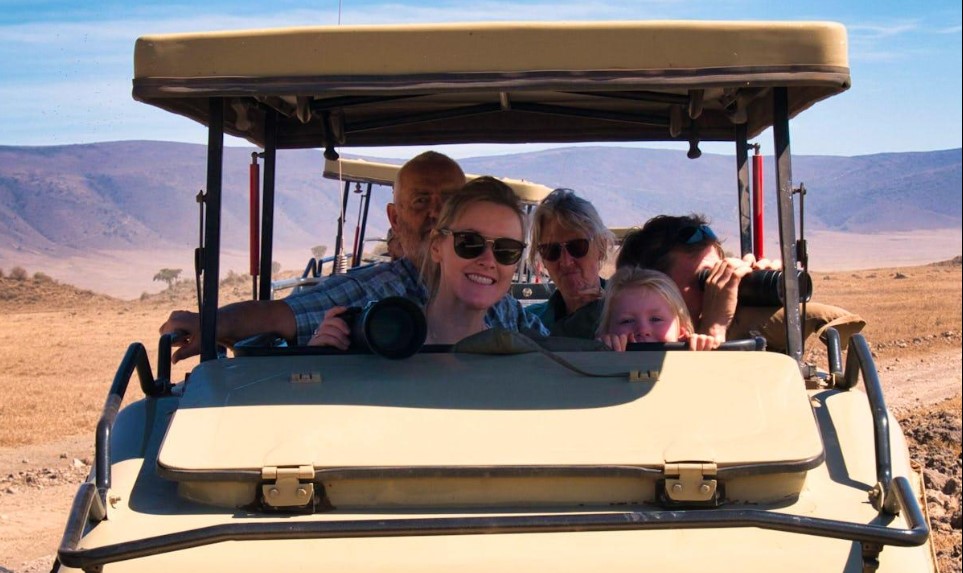
Most safaris use a customized 4x4 Land Cruiser. The pop-up roof allows travelers to stand safely while observing and photographing animals.
Vehicles may include:
Vehicle features should be confirmed with your tour operator before booking.
No responsible safari company can guarantee specific wildlife sightings. Wild animals move freely, and their behavior is influenced by weather, water, food and other natural conditions.
Lions, elephants, giraffes, zebras and many antelopes are frequently observed on the Northern Circuit. Rhinos, leopards and some other species may be harder to find.
An experienced guide improves your chances by reading tracks, communicating with other guides and understanding animal behavior. Nevertheless, patience and realistic expectations are essential.
Yes. A private safari is often the best choice for families because departure times and game-drive duration can be adjusted around the children.
Parents should consider:
A relaxed five- or six-day itinerary is generally more comfortable for younger travelers than a fast three-day safari.
Yes. Northern Circuit safaris are regularly combined with Zanzibar beach holidays.
Travelers can fly from Zanzibar to Arusha Airport and begin their safari from Arusha. Some itineraries use flights directly into the Serengeti, particularly for private or luxury trips.
When arranging the package, confirm:
Soft-sided luggage is recommended for domestic bush flights because aircraft storage space is limited.
Recommended safari items include:
Avoid very bright clothing. Dark blue and black clothing may attract tsetse flies in some areas, particularly Tarangire.
Ngorongoro mornings can be cold, so a fleece or warm jacket is important.
Most multi-day safaris include breakfast, lunch and dinner. Hot lunches or packed meals may be provided depending on the route and daily schedule.
Tour operators can usually accommodate vegetarian, vegan, halal, gluten-free and allergy-related requirements when notified in advance. Travelers with serious allergies should provide clear written information before arrival.
Drinking water is normally supplied inside the safari vehicle. Ask whether soft drinks and alcoholic beverages are included.
Yes. Popular additions include:
Optional activities involve additional fees and may require advance reservations.
The cost depends on:
Camping safaris are generally the most affordable. Mid-range itineraries provide greater comfort, while luxury packages can vary widely according to the camps selected.
Request a detailed quotation showing accommodation, transportation, park fees, meals, transfers, flights and payment terms.
Booking three to six months ahead is recommended for most travel periods. For July to October, Christmas, New Year, and the January–February calving season, booking six to twelve months in advance is safer.
Last-minute safaris may still be possible, particularly with camping, but preferred lodges and domestic flights can sell out.
Comprehensive travel insurance is strongly recommended. It should cover medical treatment, emergency evacuation, trip cancellation, delayed flights, lost baggage and activities included in your itinerary.
Review the policy carefully because coverage conditions differ between insurers.
Choose a legally registered operator with clear communication, transparent pricing and verifiable traveler reviews.
Before paying, request:
The cheapest quotation is not always the best value. Vehicle quality, guide experience, accommodation location and customer support can significantly influence the experience.
A Tanzania safari tour Northern Circuit holiday brings together the Serengeti’s sweeping plains, Tarangire’s elephants, the Ngorongoro Crater’s concentrated wildlife and the varied landscapes of Lake Manyara.
Whether you prefer an affordable shared camping safari or a private luxury journey, the itinerary should reflect your available time, budget, travel season and preferred level of comfort.
Contact Kilipath African Safaris for a customized Northern Tanzania safari itinerary, accommodation recommendations, airport transfers and Zanzibar flight arrangements.
Planning a budget Ngorongoro Crater safari holiday from Arusha? Compare a crater day trip, a two-day Tarangire and Ngorongoro safari, or a…
Read articleA Lake Manyara safari can cost USD 150–220 per person for a shared day trip from Arusha. A published example of a…
Read articleExplore Ruaha National Park’s baobab country on a guided safari built around your dates, group size and budget. Spend your game drives…
Read articleA Nyerere Tanzania wildlife safari can take you from a woodland game drive in the morning to a boat on the Rufiji…
Read article

